What Is the Vehicle Inspection and How Does It Work in Lithuania?
Moving to Lithuania as an expat means navigating a whole new set of rules and regulations, and trust me, when it comes to keeping your vehicle on the road, the system can feel a bit like a mystery. You've got your car, your documents, and suddenly everyone is talking about "Techninė Apžiūra" or "TA." This guide is here to demystify the vehicle inspection process in Lithuania, walking you through everything you need to know to ensure your car is roadworthy and compliant, without losing your cool.
Understanding Lithuania's Vehicle Roadworthiness Test (Techninė Apžiūra)
When you first arrive in Lithuania and bring your car, or even when you purchase a local one, you'll quickly become familiar with the term "Techninė Apžiūra," often shortened to "TA." This is Lithuania's compulsory vehicle inspection, designed to ensure that every vehicle on its roads meets essential safety and environmental standards. It's not just a formality; it's a critical part of maintaining road safety for everyone.
Why Your Vehicle Needs a "TA" – The Legal Requirement
Let's be clear from the start: having a valid Techninė Apžiūra is not optional. It's a fundamental legal requirement for all vehicles registered in Lithuania, and for foreign-registered vehicles that are brought here by residents. Driving a vehicle without a current and valid TA certificate and the corresponding sticker can lead to some pretty hefty fines, and in some cases, even temporary impoundment of your vehicle. Imagine being pulled over on a lovely drive to the Curonian Spit, only to find yourself in a bureaucratic tangle because your TA expired – not a pleasant thought! The Lithuanian authorities, particularly the police, are diligent about checking for these things, and ignorance of the law is, unfortunately, no excuse.
The underlying purpose of the TA is quite serious: it's about public safety and environmental protection. Regular inspections ensure that cars aren't dangerously broken down, emitting excessive pollution, or using worn-out components that could lead to accidents. It’s the peace of mind knowing that the car driving next to you has been vetted for basic roadworthiness. For new residents, understanding that this is a regular and non-negotiable part of car ownership is crucial, much like registering your place of residence in Lithuania.
What Exactly Gets Checked During the Inspection?
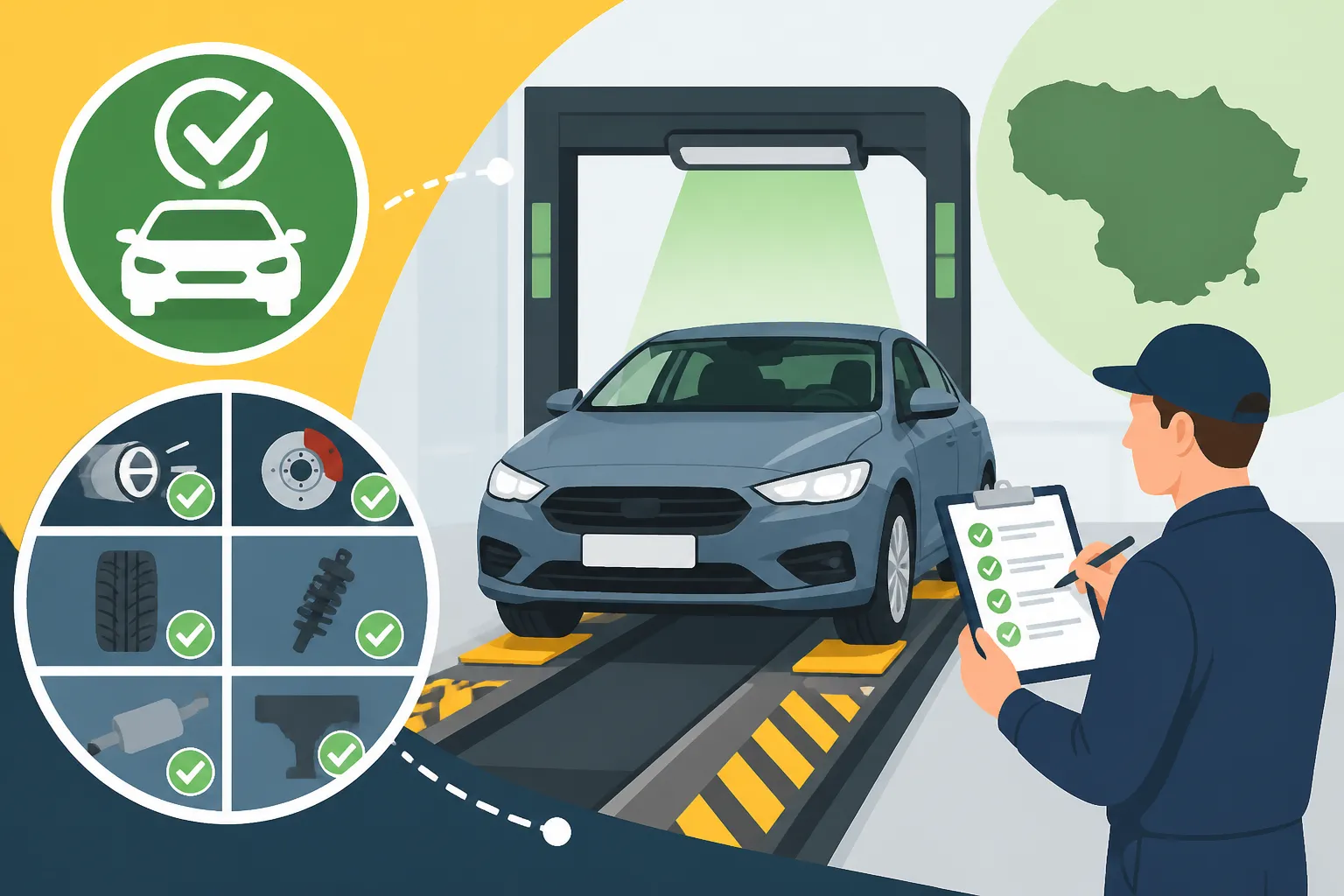
Now, for the nitty-gritty: what do they actually look at during this inspection? It's a comprehensive check, far beyond a quick glance at your tires. The technicians at the inspection centers follow a strict checklist to assess several key areas of your vehicle.
First, brakes are paramount. They'll test your service brake, parking brake, and any auxiliary braking systems to ensure they're functioning correctly and efficiently. This includes checking brake pads, discs, lines, and fluid levels. Then there are the lights and signaling equipment. Every single light on your vehicle – headlights, tail lights, brake lights, indicators, fog lights, even license plate lights – must be working, correctly aligned, and free from damage. They'll also check your horn.
Next up, the tires and wheels. They’ll examine tire tread depth, look for any bulges, cracks, or cuts, and ensure all wheels are securely fastened and free from damage. Mismatched tires or those not suitable for the season (e.g., summer tires in winter) can also be a point of failure, especially from November 10th to April 1st when winter tires are mandatory.
Your vehicle's chassis and underbody will be thoroughly inspected for corrosion, damage, or modifications that compromise structural integrity. This includes suspension components, steering systems, and axles. A common expat frustration is finding rust spots that weren't an issue in drier climates suddenly becoming a problem here. The exhaust system is checked for leaks and proper mounting. And of course, emissions are a big deal. Your car will undergo tests to measure its exhaust emissions to ensure it complies with environmental standards. Older diesel cars sometimes struggle with this if not properly maintained.
Finally, they'll check the interior safety features: seatbelts (condition and functionality), windscreen wipers and washers, mirrors, and the driver's field of vision. They'll also verify your vehicle's identification number (VIN) and engine number match the documentation. It’s a thorough check that aims to catch anything that might make your car unsafe or environmentally unsound.
How Often Do You Need to Get Your Car Inspected?
The frequency of the Techninė Apžiūra depends primarily on the type and age of your vehicle. This is another area where local rules might differ from what you're used to.
For most private passenger cars (M1 category), the first TA is due after three years from its initial registration date, and then every two years thereafter. So, if you buy a brand-new car, you get a good three-year grace period. But once those three years are up, mark your calendar for biennial checks.
Commercial vehicles (N1 category), such as vans, and other vehicles like taxis or those used for driving instruction, often have stricter requirements, typically needing an inspection every year. Motorcycles and mopeds usually follow a similar two-year cycle after their initial inspection.
It's crucial to remember that the validity period is clearly stated on your inspection certificate and usually marked on the green sticker placed on your windscreen. Driving even a day past the expiry date means you're operating an uninspected vehicle, which as we discussed, can lead to fines. It's a good idea to set a reminder on your phone or calendar a month or two before your TA is due, giving you ample time to book an appointment and address any potential issues.
Navigating the Inspection Process as an Expat
When you're new to a country, even simple administrative tasks can feel like climbing Mount Everest. The vehicle inspection process in Lithuania, while standardized, still requires a bit of local know-how. Don't worry, it's manageable.
Finding an Inspection Station (Techninės Apžiūros Centras)
Unlike some countries where vehicle inspections might be done at any certified garage, in Lithuania, you need to go to a designated "Techninės Apžiūros Centras." These are specialized inspection stations, not regular repair shops. The official body overseeing this is "Lietuvos techninės apžiūros įmonių asociacija 'Transeksta'," or simply "Transeksta." They maintain a network of authorized centers across the country. You can find their locations and even book appointments through their website or by simply searching for "techninės apžiūros centras" on Google Maps in your city – be it Vilnius, Kaunas, or Klaipėda.
While many centers are efficient, finding one with English-speaking staff can sometimes be a hit or miss, especially outside the larger cities. It's often worth calling ahead or checking online reviews if language is a concern. Booking an appointment in advance is always recommended, as walk-ins, especially during peak times, can lead to long waiting times. If you’re traveling to the centre, having reliable navigation is key. Perhaps a local eSIM from a provider like Airalo could be useful to ensure you have data for GPS and online booking, without racking up roaming charges. It’s the little things that make navigating a new country easier!
Required Documents and What to Bring
Before you even think about driving to an inspection center, make sure you have all your documents in order. This saves you a wasted trip and unnecessary stress. You will absolutely need:
- Vehicle Registration Certificate (Transporto Priemonės Registracijos Liudijimas / Techninis Pasas): This is your car's main identification document. Ensure it's original and in good condition.
- Your Personal Identification Document: Your passport or Lithuanian residence permit will suffice. This confirms you are the registered owner or an authorized representative.
- Previous Technical Inspection Report (if applicable): If your car has had a TA before, bring the old report. While not always strictly necessary, it can be helpful.
For expats, particularly those who have recently imported a vehicle or are still in the process of full registration, this step can sometimes be confusing. If you've just moved to Lithuania and are looking to register your foreign car, remember that the TA is often one of the final steps after completing the initial registration with Regitra. It's part of the broader process of How to Register a Vehicle with Regitra in Lithuania. Ensure your name on the vehicle registration matches your ID. If you've just purchased a used car in Lithuania, make sure the ownership transfer is complete before attending the TA.
The Cost and Payment Process
Let's talk money. The cost of a Techninė Apžiūra is standardized across all authorized centers, meaning you won't find significant price differences between different locations. The fee typically varies depending on the vehicle category. For a standard passenger car (M1), you can expect to pay around €15-€20. Motorcycles are usually slightly less, and larger vehicles (like trucks) will cost more.
Here’s an approximate breakdown for common vehicle types (prices are subject to minor changes, always best to check the Transeksta website for the most current information):
| Vehicle Category | Typical Cost (EUR) | Frequency (after initial) |
|---|---|---|
| M1 (Passenger cars) | 15 – 20 | Every 2 years |
| L3e, L4e, L5e (Motorcycles) | 10 – 15 | Every 2 years |
| N1 (Light Commercial Vehicles) | 20 – 25 | Every 1 year |
| O1, O2 (Light Trailers) | 10 – 15 | Every 2 years |
You’ll typically pay at the inspection station, either by card or cash. If your vehicle fails the inspection and requires a re-inspection, there's usually a reduced fee for the follow-up check, provided you return within a specified timeframe (typically 10-15 days) and only the previously identified defects are re-checked. If you wait too long or have new issues, you might have to pay for a full new inspection.
What Happens After the Inspection: Pass, Fail, and Re-inspection
The moment of truth! After the inspection is complete, you'll either breathe a sigh of relief or be given a list of things that need fixing. Understanding the outcome is crucial for your next steps.
Passing with Flying Colours: The Green Sticker
If your vehicle passes the Techninė Apžiūra without any significant issues, congratulations! You'll receive a green sticker (lipdukas) that will be affixed to your car's windscreen, typically on the lower right side from the driver's perspective. This sticker indicates that your vehicle has passed its inspection and displays the month and year until which the inspection is valid. It's your visible proof for traffic police that your car is roadworthy.
Along with the sticker, you'll also get a new Technical Inspection Report (Techninės apžiūros ataskaita). This document officially confirms your vehicle's compliance and lists "0" defects or only "minor" observations that don't prevent immediate road use. Keep this report safe, ideally with your other vehicle documents, as it's an important legal paper. You might need it if you ever sell your car, or for insurance purposes. You're now good to go for the next one or two years, depending on your vehicle type. Enjoy the freedom of the Lithuanian roads, knowing your car is safe and compliant! This ease of use is a relief after getting through the vehicle registration and other steps covered in Driving in Lithuania: Licences, Registration and Rules for Expats (2027).
When Your Car Fails: Understanding the "Defects" Report
It’s not uncommon for a car to fail its TA, especially older vehicles or those brought from different regulatory environments. If your vehicle doesn't pass, you'll receive a Defects Report. This document is your roadmap to getting your car compliant. It meticulously lists all the issues found, categorizing them into different levels of severity:
- Minor Defects (Mažieji trūkumai): These are usually advisory. They don't prevent your vehicle from passing the inspection, but they are noted as points for you to address at your convenience. Think of a slightly dim headlight or a minor fluid leak that isn't immediately dangerous.
- Significant Defects (Didieji trūkumai): These are serious enough that your vehicle fails the inspection and is deemed unsafe for the road until repaired. Examples include worn brake pads, excessive exhaust emissions, or damaged suspension components. You cannot legally drive your vehicle with significant defects beyond what's necessary to get it repaired. You'll have a set period (usually 10 to 15 calendar days) to fix these issues and return for a re-inspection.
- Dangerous Defects (Pavojingieji trūkumai): These are critical faults that pose an immediate and direct threat to road safety. This means things like severely corroded brake lines, completely non-functional steering, or structural damage. If your car is found to have dangerous defects, it is immediately prohibited from being driven on public roads. You’ll need to arrange for it to be towed from the inspection center to a repair shop.
Receiving a defects report can be frustrating, especially if you're new to the country and don't have a trusted mechanic yet. Don't panic. Take the report to a reputable garage. Many mechanics are familiar with the TA standards and can quickly assess what needs to be done. It’s important to address these issues promptly.
The Re-inspection Process
Once you've had the necessary repairs done, you'll need to return to the inspection center for a re-inspection. This follow-up check is generally quicker and cheaper than the initial full inspection. The technicians will primarily focus on verifying that the previously identified "Significant" or "Dangerous" defects have been properly rectified.
You must return within the specified timeframe (e.g., 10-15 days) from the original failed inspection date to benefit from the reduced re-inspection fee. If you miss this window, or if new issues are found during the re-inspection that weren't on the original defects report, you might have to pay for a full new inspection. This means it’s in your best interest to get the repairs done quickly. Make sure to bring your original failed inspection report with you to the re-inspection, along with your vehicle registration and personal ID. Once everything is confirmed to be in order, you’ll finally get your green sticker and your valid TA report.
Special Considerations for Expats and Imported Vehicles
The world of vehicle inspection adds another layer of complexity when you’re an expat, particularly if you've brought your trusty vehicle along from another country.
Foreign-Registered Vehicles and TA Requirements
If you've recently moved to Lithuania and your vehicle is still registered in your home country, there are specific rules about when it needs to undergo a Lithuanian TA. Generally, if you are a temporary or permanent resident of Lithuania, and your foreign-registered vehicle remains in the country for more than six months within a 12-month period, you are required to register it in Lithuania and, consequently, get a Lithuanian Techninė Apžiūra. This is tied to your residency status, which you clarify when you declare your place of residence in Lithuania.
For example, if you’ve secured a The Complete Guide to Lithuanian Residence Permits for Expats (2027) and established yourself here, your vehicle eventually needs to comply with local rules. You can't just keep driving indefinitely on foreign plates and foreign inspections if you're a long-term resident. There are exceptions for short-term visitors or tourists, but for anyone making Lithuania their home, local registration and inspection become mandatory. This prevents people from avoiding local taxes and safety regulations.
Importing a Vehicle and Its First Inspection
The process of importing a vehicle into Lithuania is a multi-step journey, and the Techninė Apžiūra is a key checkpoint in it. Here's a simplified sequence:
- Customs and Taxes: First, if you're importing a vehicle from outside the EU/EEA, you'll need to clear customs and pay any applicable import duties and VAT. Even within the EU, if you're buying a new car, VAT rules might apply.
- Initial Registration with Regitra: Before you can get a TA, your vehicle must first be formally identified and registered with Regitra, Lithuania's state enterprise responsible for vehicle registration. This involves presenting your vehicle's original foreign registration documents, proof of ownership, your personal ID, and sometimes a certificate of conformity (CoC). Regitra will assign your vehicle a Lithuanian registration number. During this step, you'll also be dealing with Understanding Vehicle Registration Tax and Costs in Lithuania.
- The Techninė Apžiūra: Only after your vehicle has been formally registered with Regitra and has received Lithuanian license plates can you take it for its first Lithuanian TA. This first TA for an imported used vehicle serves to confirm it meets all Lithuanian roadworthiness and environmental standards. Be prepared, as standards can sometimes differ from your home country, and an older imported vehicle might require some adjustments or repairs to pass. For example, some non-EU headlight patterns might need to be adjusted or replaced to meet EU standards.
It’s often a good idea to consider these steps and potential costs before committing to importing a vehicle. If you're planning a full move to Lithuania, services like Sirelo, a moving company comparison platform, can help you find reputable international movers who might also offer vehicle transport services, giving you a clearer picture of the overall logistics and costs involved. They can sometimes advise on the complexities of moving your car as part of your household goods, which can be less stressful than doing it all yourself.
The entire process of moving, registering your residence, and getting your car sorted can be overwhelming, especially in your The Complete Guide to Moving to Lithuania: Your First 90 Days (2027). Taking it one step at a time, and making sure your car is ready for its Lithuanian adventure, will save you a lot of headaches down the line.
Disclaimer
The information provided in this guide is intended for general informational purposes only and does not constitute legal or professional advice. While we strive to keep the information up-to-date and accurate, regulations in Lithuania, particularly those related to vehicle inspection and registration, can change. Expats are strongly advised to consult official Lithuanian government sources, such as the Transeksta or Regitra websites, or seek professional advice for the most current and specific information pertaining to their individual circumstances.