How Do I Buy a House in the Lithuanian Countryside?
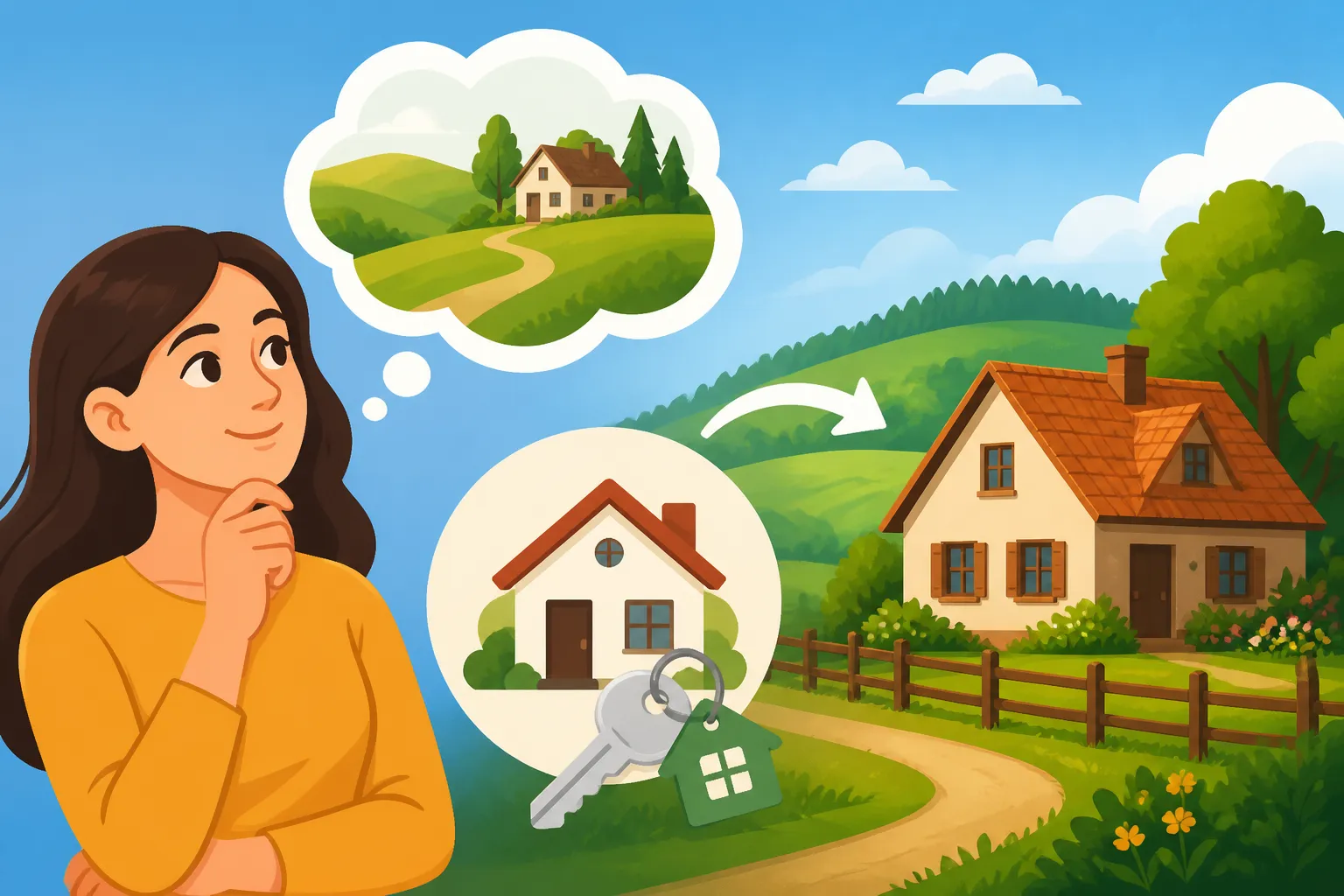
Oh, the romantic idea of buying a quaint little house tucked away in the Lithuanian countryside! It’s a dream many of us expats have, isn't it? Escaping the city bustle, trading traffic for birdsong, and having a peaceful patch of land to call your own. But let's be real, translating that idyllic vision into a concrete reality in a foreign country, especially when you're looking beyond the well-trodden paths of Vilnius or Kaunas, can feel like navigating a dense, ancient forest without a map. This guide is here to walk you through the entire journey of buying a house in the Lithuanian countryside, from understanding the initial hurdles to finally settling into your tranquil new life.
Why the Lithuanian Countryside Beckons Expats
There’s a unique charm to rural Lithuania that speaks to a certain kind of expat. It’s not just about affordability, though that’s certainly a factor; it’s about a lifestyle, a connection to nature, and often, a sense of stepping back in time. For many, the pull of the Lithuanian countryside is irresistible once they experience it.
The Allure of Space and Serenity
Picture this: waking up to the gentle chirping of birds, not the roar of city traffic. Stepping outside your door onto your own sprawling plot of land, perhaps dotted with apple trees or bordered by ancient oak forests. That’s the daily reality for many who choose rural living here. The sheer amount of space you can acquire for your money in the countryside, compared to, say, an apartment in Vilnius, is often staggering. You might be able to afford a decent-sized house with a substantial garden, or even a small farm, for the price of a modest city flat. This appeals to those seeking more privacy, room for hobbies like gardening or raising animals, or simply a quieter pace of life. It’s a chance to truly disconnect from the constant hum of modern life and reconnect with something more fundamental.
Many expats find that the serene environment is a balm for the soul, a stark contrast to the often high-pressure environments they left behind. The air is cleaner, the nights are darker (perfect for stargazing!), and the general sense of peace is profound. This isn't just a holiday home; it's a profound lifestyle shift.
Understanding the Investment and Lifestyle Shift
While the initial price tag might seem appealingly low, it's vital to view a countryside home purchase not just as a financial transaction but as a complete lifestyle overhaul. Properties can range from beautifully renovated farmhouses ready to move into, to charming but crumbling fixer-uppers that require significant vision, time, and investment. A small, older wooden house in a remote village could be had for a surprising bargain, perhaps just a few tens of thousands of euros, especially if it lacks modern amenities like indoor plumbing or central heating. On the other hand, a renovated property closer to a regional center with modern conveniences and good land can easily run into six figures.
The cost of living in the countryside is generally lower than in major cities, particularly when it comes to daily groceries if you grow some of your own, or if you source directly from local farmers. However, bear in mind that utilities like heating and electricity might be different. Many older rural homes rely on wood-fired stoves or boilers, which means buying and stacking firewood. This is a practical skill you might quickly acquire! Transportation costs can also increase if you're reliant on a car for everything, as public transport options are far more limited than in urban areas. It's a trade-off: lower property costs, but potentially different ongoing expenses and a definite need for self-sufficiency. This isn't just buying a house; it's buying into a way of life that requires more hands-on involvement.
Navigating the Purchase Process for a Rural Home
Buying property in Lithuania, even in the bustling city, has its quirks. When you venture into the countryside, you encounter additional layers of complexity, from land-use regulations to finding properties that aren't just listed on standard platforms.
Finding Your Ideal Countryside Property
The first step, naturally, is finding the right place. This can be more challenging than in urban areas, where listings are abundant. Many rural properties, especially older ones, might not be extensively marketed online. You'll still find options on popular Lithuanian real estate portals like Aruodas.lt or Skelbiu.lt, but don't limit yourself there. Sometimes, the best finds come through local word-of-mouth. If you're serious about a specific region, spending time there, talking to locals (even with a translation app or a Lithuanian friend), or checking local village notice boards can yield unexpected results.
Consider what "countryside" means to you. Do you want to be completely isolated, or do you prefer a small village where you can still interact with neighbors? Proximity to a larger town for amenities, doctors, and shops is often a practical consideration. Look for properties that have reasonable access roads, especially important during winter when unpaved roads can become challenging. Also, pay close attention to the land itself. Is it agricultural land, residential, or forest? This will dictate what you can actually do with it, and it's a critical detail that's often overlooked by foreign buyers. A good local real estate agent, one who specializes in rural properties, can be an invaluable asset, even if their English isn't perfect.
Understanding Land Ownership and Restrictions for Foreigners
This is where things can get a bit tricky for non-EU/EEA citizens. While EU/EEA citizens generally face no restrictions on buying residential property or land in Lithuania, non-EU/EEA citizens usually have limitations, particularly concerning agricultural land or forests. The general rule is that foreign citizens and legal entities cannot acquire agricultural land or forestland. However, there are exceptions. If the land is classified for a different purpose (e.g., residential construction, or a plot around an existing house that isn't primarily agricultural), then it might be permissible.
The key is the designation of the land in the official records held by the Registrų Centras, Lithuania's Real Property Register. Before you even think about putting down a deposit, you absolutely must verify the land's status. This is where a knowledgeable lawyer specializing in real estate law for foreigners becomes not just helpful, but essential. They can conduct proper due diligence, ensuring that the property you're interested in is legally purchasable by you and that there are no hidden encumbrances or restrictions. Navigating the Lithuanian Real Property Register (Registrų Centras) in Lithuania can be complex, and you'll want expert help.
The Role of the Notary and Legal Due Diligence
Once you’ve found your potential dream home and confirmed you can legally own the land, the formal purchase process begins. Every real estate transaction in Lithuania must be notarized, meaning a public notary will oversee the signing of the sale-purchase agreement. The notary's role is not just ceremonial; they ensure the legality of the transaction, verify identities, and register the change of ownership in the Registrų Centras. This typically involves significant fees, so be prepared for notary (Notaras) costs when buying property in Lithuania.
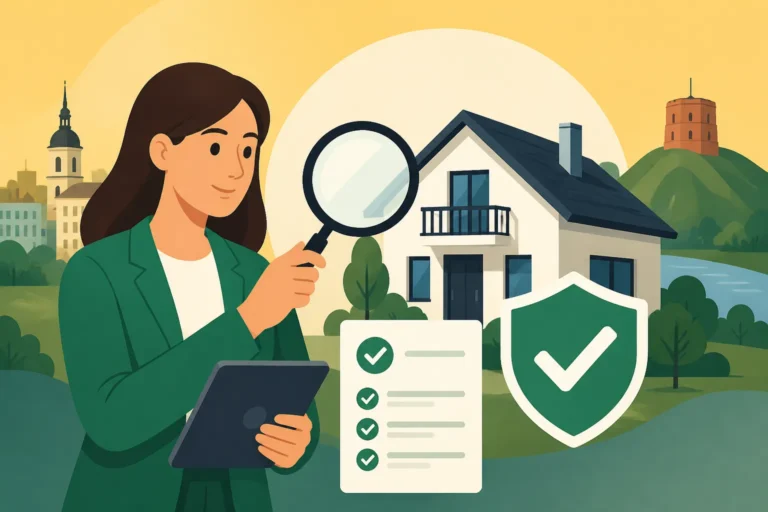
Before reaching the notary, your lawyer will conduct thorough due diligence. This includes checking the property's history, ensuring there are no debts or mortgages attached to it, verifying that the seller has the legal right to sell, and confirming the land's purpose. They will also review the sales agreement to protect your interests. Don't skip this step. A common frustration for foreigners is the difference in legal procedures and the language barrier, so having a good, English-speaking lawyer is paramount.
Key Considerations Before Buying Your Dream Countryside Property
Beyond the legalities, there are practical realities that come with owning a rural property in Lithuania. Ignoring these can turn your idyllic dream into a costly nightmare.
Utilities, Infrastructure, and Connectivity
In a city, you often just assume certain things are present: electricity, running water, sewage, and high-speed internet. In the Lithuanian countryside, this is not a given. Many older, more remote properties might not be connected to municipal water or sewage systems, relying instead on a well for water and a septic tank for waste. This isn't necessarily a deal-breaker, but it's something to investigate thoroughly. How old is the well? Has the water been tested? Is the septic tank functional and compliant?
Electricity might be present, but check the capacity if you plan significant renovations or have high power needs. Setting up electricity (ESO) in your Lithuanian home involves understanding local providers. Internet connectivity can also be a challenge. While fibre optic is spreading, very remote areas might still rely on slower DSL or mobile internet. If you plan to work remotely, reliable internet is non-negotiable. Look into options from major providers like Telia or Bitė, but also consider satellite internet for very isolated locations. Mobile connectivity can also vary wildly; ensure you have signal for essential communication. Sometimes a reliable eSIM from a provider like Airalo can offer better flexibility for data in certain rural areas initially, but for a permanent home, you'll need a robust solution.
Local Services and Amenities
Rural living often means less immediate access to services. Your nearest grocery store, pharmacy, doctor, or even gas station might be a significant drive away. Consider your daily needs and how far you're willing to travel for them. If you have children, think about schools; international schools are typically only in major cities, so a local Lithuanian school would be the option, which entails language immersion. For healthcare, you'll rely on local polyclinics or a family doctor (šeimos gydytojas) in a nearby town. Understanding the role of the Polyclinic (Poliklinika) in Lithuania will be important. Emergency services are available, but response times might be longer in very remote areas.
Building a good relationship with your neighbors and local community can be incredibly helpful. They are often your first point of contact for local knowledge, help in an emergency, or even just borrowing a cup of sugar. Integrating into a rural community often means learning some Lithuanian, as English might be less common than in urban centers.
Potential Hidden Costs and Maintenance
Rural homes, especially older ones, come with their own set of potential hidden costs. Beyond the purchase price and notary fees, you might face significant renovation expenses. Roofs, foundations, and old wiring or plumbing often need attention. Heating systems in older homes often rely on wood or solid fuel, which requires sourcing fuel and regular maintenance. Gardens and land also require upkeep, whether you do it yourself or hire local help.
Consider property taxes, though these are generally quite low for residential properties in Lithuania. There might also be costs associated with maintaining access roads if your property is far from a main road. Remember that insurance for older, wooden properties might be higher, and it’s always wise to have comprehensive home and contents insurance in Lithuania. Don't forget the costs of moving your belongings. Services like Sirelo can help you find reputable international movers, but factor this into your overall budget, especially if you have a lot to transport.
Here’s a quick overview of some key considerations:
| Feature | Urban Property (e.g., Vilnius Apartment) | Rural Property (e.g., Countryside House) |
|---|---|---|
| Property Price | Higher, especially in city centers | Generally lower, more land for the money |
| Land Ownership | Usually straightforward for residential plots | Can have restrictions for non-EU citizens on agricultural/forest land |
| Utilities | Modern infrastructure, easy setup | May require well/septic, older electrical, varied internet |
| Connectivity | Excellent mobile signal, fibre internet common | Mobile signal can be patchy, internet options vary widely |
| Amenities | All services within easy reach (shops, doctors) | Limited local services, requires driving to nearest town |
| Public Transport | Extensive network | Limited or non-existent, car usually essential |
| Community | Often anonymous | Close-knit, relies on local integration and language |
| Maintenance | Often apartment building fees, less personal upkeep | Significant personal upkeep (garden, systems, repairs) |
| Language | English widely spoken | Lithuanian often preferred, less English common |
Life After the Purchase: Settling into Rural Lithuania
You've signed the papers, the key is in your hand – congratulations! Now the real adventure begins: making your countryside house a home and truly settling into Lithuanian rural life.
Renovation Realities and Local Help
If you've bought a property that needs work (and many charming rural homes do), you'll quickly become acquainted with the world of renovation. Finding reliable contractors in a rural area can be different than in the city. Word of mouth is often the best way, so again, befriending locals can be invaluable. Don't be surprised if timelines are a bit more flexible than you're used to, and always get multiple quotes and clear contracts. Materials are generally available from larger towns or online, but expect to arrange your own transport for bigger items.
Many expats find great satisfaction in renovating an older Lithuanian home, preserving its character while adding modern comforts. It’s a labor of love that deeply connects you to your new property. Remember to consider permits for major structural changes; your lawyer or a local architect can guide you through this process. You'll also need to get your property officially declared as your residence. The Complete Guide to Declaring Your Place of Residence in Lithuania covers this process, which is crucial for things like getting an Asmens Kodas and accessing local services.
Embracing the Local Culture and Language
To truly thrive in the Lithuanian countryside, immersing yourself in the local culture and making an effort with the language is key. While many younger Lithuanians in cities speak excellent English, in rural areas, older generations might speak only Lithuanian or Russian. Learning even basic phrases will open doors, build trust, and make your daily life much smoother. There are numerous resources for learning Lithuanian, from online courses to local tutors. Embracing local traditions, attending village festivals, and participating in community events are wonderful ways to integrate.
You’ll discover a rich cultural tapestry, often rooted in centuries-old traditions that are still very much alive in the countryside. From foraging for mushrooms and berries in the abundant forests to enjoying traditional sauna (pirtis) rituals, there's a unique connection to nature and heritage that is deeply rewarding. This is an opportunity to truly experience Lithuania, not just live in it.
Becoming Part of the Community
Becoming part of a rural community takes time and genuine effort. It’s not like in a city where you can live anonymously. In a small village, everyone knows everyone, and a new foreign face will certainly be noticed. Be open, friendly, and patient. Offer help when you can, accept invitations, and try to understand local customs and etiquette. Sharing stories, food, or even just a smile can go a long way.
You might find yourself learning about local remedies, gardening tips specific to the Lithuanian climate, or the best places to pick wild cranberries. These connections are what transform a house in the countryside into a home, and you, the expat, into a valued member of the community. It’s a journey that extends far beyond the property lines, enriching your life in ways you might never have expected.
Disclaimer
Please remember that while I strive to provide accurate and up-to-date information, laws and regulations in Lithuania can change. This guide is for informational purposes only and does not constitute legal or financial advice. Always consult with qualified legal professionals, real estate agents, and financial advisors in Lithuania for specific guidance related to your individual situation.