What Documents Prove Lithuanian Descent for Citizenship?
Navigating the labyrinthine world of Lithuanian citizenship, especially when trying to prove descent, can feel like a daunting expedition through dusty old archives and complex legal speak. It's a path many of us expats have either walked or watched friends struggle through, filled with moments of triumph and, let's be honest, a fair bit of head-scratching. This guide aims to clear the fog, detailing precisely what documents you'll need to demonstrate your ties to Lithuania and reclaim your heritage.
Understanding Lithuanian Citizenship by Descent
First off, let's get one thing straight: obtaining Lithuanian citizenship by descent is not quite the same as naturalization. For most seeking to restore or acquire citizenship through their ancestors, the language and constitution exams, which are often a hurdle for other citizenship routes, are not typically required. This is a huge relief for many of us who've found the nuances of the Lithuanian language to be, shall we say, a challenging endeavor. Your eligibility primarily hinges on proving a direct, unbroken lineage to a Lithuanian citizen who held citizenship before June 15, 1940, or who fled Soviet or Nazi occupation between 1940 and 1990.
The key here is understanding the historical context. Lithuania's tumultuous 20th century history, marked by occupations and mass emigrations, led to specific legal provisions designed to restore citizenship to those who lost it or whose descendants were born abroad. This is a deeply meaningful process for many, connecting families across generations and continents. The Migration Department (Migracijos departamentas) is the main institution you'll be dealing with, and they are meticulous about documentation. Don't underestimate the sheer volume of paperwork and the precision required. It's not just about having a document; it's about having the right document, certified and translated appropriately.
Who Qualifies for Citizenship by Descent?
The primary criteria revolve around proving your ancestor was a citizen of the Republic of Lithuania before June 15, 1940. This date is crucial because it marks the Soviet occupation, after which many Lithuanians were forcefully deported or fled, losing their citizenship in the process. You'll need to establish an unbroken chain from that ancestor to yourself. This means demonstrating that your parent, grandparent, or great-grandparent (depending on the specific circumstances of their emigration) held Lithuanian citizenship and that you are their direct descendant.
For instance, if your grandparent was a Lithuanian citizen who left between 1940 and 1990 and subsequently acquired citizenship of another country, you might be eligible for restoration of Lithuanian citizenship, often with the possibility of Does Lithuanian Citizenship by Descent Allow Dual Nationality?. This is a significant point, as dual citizenship is generally restricted in Lithuania, but there are specific exceptions for those who left during the occupation periods. Conversely, if your ancestor emigrated before 1940 and voluntarily acquired foreign citizenship, the path to restoration might be more complex or even impossible, depending on whether they renounced their Lithuanian citizenship and if they qualified as someone who fled political persecution. It's a nuanced area, and thoroughly understanding your ancestor's specific circumstances and emigration date is paramount to determining your eligibility.
Initial Steps and the Role of MIGRIS
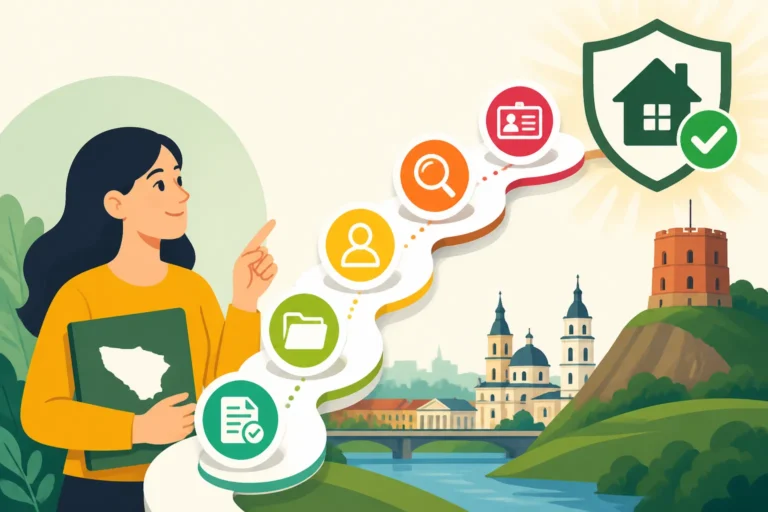
Before you even start digging for ancient birth certificates, it’s wise to spend some time on the Migration Department's website (MIGRIS). Their online portal is the primary gateway for applications, appointments, and general information regarding How Do I Apply for Lithuanian Citizenship Through Descent. While the website can be a bit challenging to navigate at times, especially if your Lithuanian isn't fluent, it's invaluable. This initial research will help you understand the most up-to-date requirements and application procedures.
Many expats find it helpful to first compile a family tree with as much detail as possible, noting birth dates, places, marriage dates, and emigration dates. This informal document can serve as a roadmap for your subsequent document hunt. Think of it as your project plan for tackling this bureaucratic beast. Remember, every piece of information you can gather beforehand will make the formal application process smoother. This initial phase can also help you identify gaps in your knowledge or missing documents that you'll need to track down.
Essential Documents Proving Lithuanian Descent
Now, let's get down to the nitty-gritty: the documents themselves. Proving your Lithuanian descent for citizenship is fundamentally about providing an irrefutable paper trail that connects you directly to a Lithuanian citizen who meets the criteria. This isn't a casual affair; the Migration Department will scrutinize every single document.
The core of your application will involve two main categories of documents: those proving your ancestor's Lithuanian citizenship status and those proving your direct lineal relationship to that ancestor. Expect to provide originals or certified copies of everything, often with apostilles and sworn translations into Lithuanian. This is where patience truly becomes a virtue.
Documents Proving Ancestor's Lithuanian Citizenship
This is often the most challenging part. You need concrete evidence that your ancestor was a citizen of the Republic of Lithuania before June 15, 1940. Here are the types of documents that can serve this purpose:
- Birth Certificates from pre-1940 Lithuania: If your ancestor was born within the territory of the Republic of Lithuania before 1940, their birth certificate is a strong piece of evidence. Look for records from the local civil registry offices (civilinės metrikacijos įstaiga) or parish registers (bažnyčios metrikos knygos).
- Lithuanian Passports or Internal Identity Documents: An old Lithuanian passport, an internal identity card (like a asmens tapatybės kortelė or pilietinio paso pažymėjimas), or even a police registration card from before 1940 can be golden. These directly state citizenship.
- Military Service Records: Records of service in the Lithuanian army or national guard (Šaulių sąjunga) before 1940 are excellent proof. These documents typically confirm citizenship.
- School or University Diplomas/Records: Documents from Lithuanian educational institutions issued before 1940, especially if they mention citizenship or nationality.
- Property Deeds or Land Registry Records: Ownership of property in Lithuania before 1940 can sometimes serve as indirect proof, especially if coupled with other documents.
- Census Records: If available, Lithuanian census records from the interwar period could list citizenship.
- Documents from Lithuanian Consulates Abroad: If your ancestor registered with a Lithuanian consulate in another country before 1940, these records could confirm their citizenship status.
- Archival Certificates: If you can't find original documents, you might be able to obtain a certificate from the Lithuanian Central State Archives (Lietuvos centrinis valstybės archyvas) or other regional archives confirming your ancestor's citizenship. This often requires knowing specific details about your ancestor's life in Lithuania.
Remember, the older these documents are, the more likely they are to be in historical archives or local parish records rather than easily accessible digital databases. This is where a good deal of detective work comes in. If you're struggling to find these, remember that services like Sirelo, which are generally for moving, might indirectly offer insights into document handling or connect you with local services that can help with archival research.
Documents Proving Your Lineal Relationship
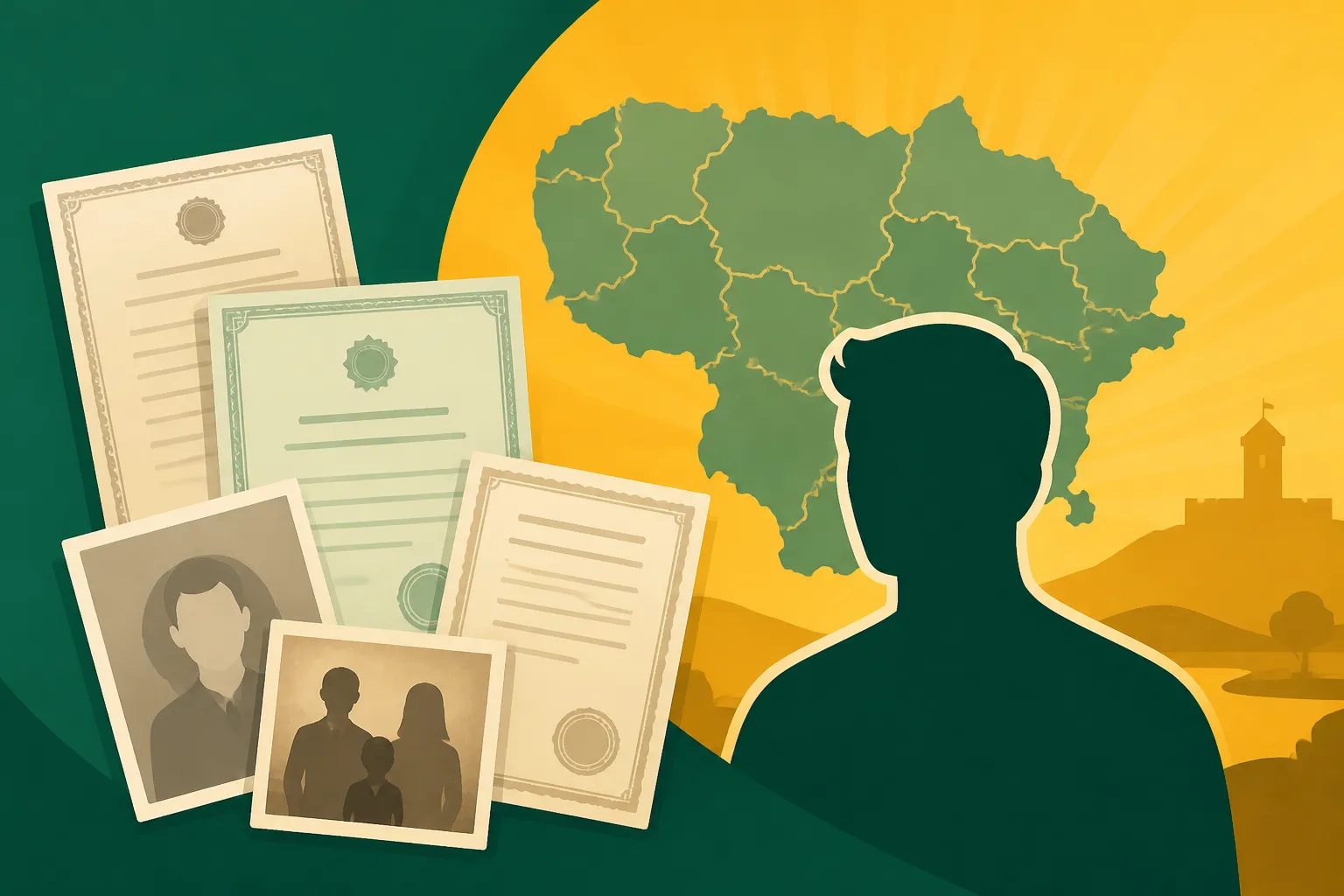
Once you have established your ancestor's citizenship, you need to prove how you are related to them, creating an unbroken chain to yourself. This usually involves a series of civil registry documents:
- Your Birth Certificate: Showing your parents' names.
- Your Parents' Marriage Certificate (if applicable): Proving their legal union.
- Your Parents' Birth Certificates: Showing your grandparents' names.
- Your Grandparents' Marriage Certificate (if applicable).
- Your Grandparents' Birth Certificates: Showing your great-grandparents' names (your ancestor).
And so on, for each generation, linking you back to the Lithuanian citizen ancestor. If names have changed due to marriage, divorce, or other reasons, you will need to provide official documents proving these changes (e.g., marriage certificates, divorce decrees, name change certificates). Every link in the chain must be clearly documented.
Here’s a practical example: If your great-grandparent was the Lithuanian citizen, you'd need their birth certificate (pre-1940 in Lithuania), their marriage certificate, your grandparent's birth certificate, your grandparent's marriage certificate, your parent's birth certificate, your parent's marriage certificate, and finally, your own birth certificate. Each one must clearly name the parent(s) from the previous generation. It's like building a genealogical bridge, and each document is a crucial support beam.
Navigating the Application Process and Common Hurdles
Even with all your documents in hand, the application process itself can present its own set of challenges. It's not just about collecting papers; it's about presenting them correctly, understanding the nuances of the law, and being prepared for potential delays or requests for additional information. This is a marathon, not a sprint, so cultivate that expat patience we've all learned to master.
Certification, Translation, and Apostilles
Virtually all documents submitted to the Migration Department must be either originals or notarized copies. For documents issued outside of Lithuania, they will often require an Apostille or consular legalization. An Apostille is an international certification that authenticates the seal and signature of the public official who issued the document. It essentially makes your foreign document legally valid in Lithuania.
Furthermore, any document not in Lithuanian must be officially translated by a sworn translator. Do not attempt to use Google Translate or an unofficial translator; MIGRIS will reject it. Sworn translations are typically done by certified translators in Lithuania or by translators abroad whose signatures are then notarized and apostilled. This adds both time and cost to the process, but it's non-negotiable. It's one of those bureaucratic hoops that, while frustrating, ensures the legal integrity of the application.
Let's say you have an old family birth certificate from Canada. First, you'd get a certified copy from the issuing authority in Canada. Then, you'd get an Apostille from the relevant Canadian government body (usually the Ministry of Foreign Affairs or similar). Finally, once in Lithuania, you'd have a sworn translator translate it into Lithuanian. Only then is it ready for submission.
Dealing with Missing or Damaged Documents
It’s an unfortunate reality that after decades, or even a century, some crucial family documents might be lost, damaged, or simply never existed in official records. This is a common frustration for many applicants tracing their lineage through historical upheavals. Don't despair immediately!
If you're missing a key document, you might need to prove the information through other means. For example, if a birth certificate is missing, school records, census data, or even church records could potentially corroborate birth dates and parentage. In some cases, if no direct civil registry documents exist, sworn affidavits from elder family members might be accepted as supplementary evidence, though this is usually a last resort and often requires additional supporting documents.
The Lithuanian Central State Archives (Lietuvos centrinis valstybės archyvas) and regional archives are your best friends here. They hold a treasure trove of historical documents, from census records to church registers, military files, and school enrollment books. While searching these can be time-consuming and sometimes requires the help of a professional genealogist or a legal expert specializing in Lithuanian citizenship, it can be incredibly fruitful. Remember, many historical records are not digitized, so it may involve physical visits or correspondence.
Planning Your Move to Lithuania Post-Citizenship
Successfully obtaining Lithuanian citizenship by descent is a monumental achievement. Once you have that coveted Lithuanian passport, a whole new world of possibilities opens up, particularly within the EU. You'll be able to live, work, and travel freely throughout the European Union. Many people find this freedom to be truly liberating.
If you plan to move to Lithuania after obtaining citizenship, remember that while your citizenship is secure, there are still practical steps for relocation. Services like Sirelo can be incredibly helpful for planning international moves, finding reputable movers, and managing the logistics of bringing your life to a new country. Furthermore, while you'll have access to Lithuanian public healthcare as a citizen, some expats still opt for private health insurance like Cigna Global for more comprehensive coverage or specific benefits, especially during the initial settling-in period or if they plan to travel extensively. It's always wise to have your healthcare sorted, and understanding Health Insurance in Lithuania: Compulsory, Private and Travel Options Explained is a key step.
| Document Type | Purpose | Issuing Authority (Examples) | Potential Challenges |
|---|---|---|---|
| Ancestor's Proof of Citizenship (pre-1940) | Establish ancestor's Lithuanian citizenship status | Civil Registry Offices, Parish Archives, State Archives, Consulates | Rarity, age, language, damage, non-existence, need for research. |
| Birth Certificates (Ancestry Chain) | Prove lineal descent from ancestor to applicant | Civil Registry Offices (current/historical) | Name changes, illegible handwriting, errors, lost documents. |
| Marriage Certificates (Ancestry Chain) | Prove legal relationships between generations | Civil Registry Offices (current/historical) | Missing records, errors, need for divorce decrees if remarried. |
| Name Change Documents | Explain discrepancies in names across generations | Courts, Civil Registry Offices | Obtaining official certificates for historical name changes. |
| Emigration Documents (Ancestor) | Show date/reason for ancestor's departure | Border control, historical archives, immigration records | Difficult to locate, may be in foreign archives. |
| Apostilles/Legalizations | Authenticate foreign documents for Lithuanian use | Foreign Ministries/State Departments | Varying requirements by country, cost, processing time. |
| Sworn Translations | Convert non-Lithuanian documents to Lithuanian | Certified (sworn) translators in Lithuania or abroad | Cost, ensuring accuracy, finding certified translators. |
Advanced Considerations and Expert Advice
The journey to reclaim Lithuanian citizenship through descent is often unique to each individual's family history. There are many variables, and sometimes the straightforward path isn't so straightforward.
Dual Citizenship Nuances
As mentioned earlier, Lithuania generally does not permit dual citizenship. However, there are significant exceptions for those who regained or restored Lithuanian citizenship based on their ancestors' status. Typically, if your ancestor was a Lithuanian citizen who departed Lithuania before 1990 due to occupation (e.g., Soviet or Nazi), you may be eligible to restore your Lithuanian citizenship without having to renounce your current citizenship. This is a critical distinction and often the most compelling reason for pursuing citizenship by descent for many expats. Understanding Does Lithuanian Citizenship by Descent Allow Dual Nationality? is crucial for managing your expectations and ensuring you meet all criteria for this exception. This policy reflects Lithuania's recognition of the historical injustices faced by its citizens during periods of occupation.
Engaging Legal and Genealogical Assistance
Given the complexity and the often deep historical research involved, many applicants choose to engage legal professionals or genealogists specializing in Lithuanian citizenship cases. While this adds to the cost, it can significantly streamline the process, reduce errors, and increase your chances of success. A good lawyer will know the specifics of current legislation, understand how MIGRIS interprets certain types of evidence, and can navigate the archives much more efficiently. They can also advise on specific cases, such as whether How Do I Get Lithuanian Citizenship by Naturalisation? might be a more feasible option if descent is too complex or not possible.
Sometimes, family stories about Lithuanian heritage aren't fully backed by the types of documents the Migration Department requires. A genealogist can help uncover those elusive birth records, military service papers, or pre-1940 census entries that are essential. This is especially true if your ancestors left Lithuania generations ago, and your family has lost track of the precise details needed for official records. Remember, the Migracijos departamentas expects a clear, documented chain, not just a compelling family narrative.
The Waiting Game
The processing time for citizenship applications can vary significantly. It can take anywhere from several months to a year or even longer, depending on the complexity of your case, the volume of applications, and whether additional documents or clarifications are requested. During this time, it's easy to feel anxious, but frequent inquiries rarely speed up the process. It's best to submit a complete and thoroughly prepared application from the outset to avoid unnecessary delays.
If you're planning to visit Lithuania while your application is pending, be mindful of your visa status and the Understanding Schengen Rules and the 90/180 Limit for Lithuania, especially if you are from a non-EU country. Maintaining legal status in Lithuania and providing updated contact information to MIGRIS is paramount. A little bit of foresight regarding your legal status and movements can save a lot of headaches later on.
Disclaimer
The information provided in this guide is for general informational purposes only and does not constitute legal advice. While we strive to provide accurate and up-to-date information, Lithuanian citizenship laws and procedures can change. It is highly recommended that you consult with a qualified legal professional specializing in Lithuanian immigration and citizenship law or the official Migration Department (MIGRIS) for advice tailored to your specific situation.