How Do I Get My Residence Permit Card After Approval in Lithuania?
So, you’ve done it. You’ve navigated the labyrinthine bureaucracy, gathered all those pesky documents, uploaded them to MIGRIS, and finally, finally, you’ve received that sweet, sweet email: your Lithuanian Temporary Residence Permit (TRP) has been approved! Phew. But wait, the journey isn't quite over, is it? Now you’re wondering, "How do I actually get my hands on that physical card?" This guide is here to demystify that crucial final step, helping you understand exactly what comes next and how to successfully collect your prized residence permit card in Lithuania.
The Sweet Relief and the Next Steps After Approval
Receiving the approval notification for your residence permit is a huge milestone, a moment of genuine relief after weeks or even months of anxious waiting. It’s like crossing the finish line of a marathon, but then realizing you still have to walk home. That paper approval is fantastic, but you need the actual plastic card to really solidify your status and move forward with many aspects of life in Lithuania.
Receiving the Approval Notification
Typically, MIGRIS – the Migration Department – will send you an official email notification confirming that your application for a Temporary Residence Permit has been approved. This email is your golden ticket for the next stage, so make sure you keep it safe! It usually arrives at the email address you registered with on the MIGRIS electronic services portal. This isn't just a casual message; it’s a formal confirmation that the decision has been made in your favour.
Sometimes, especially during busy periods or if there were minor hiccups, the notification might be a bit delayed. It’s normal to feel a surge of impatience at this stage; you’ve waited so long, what’s a few more days, right? But the anticipation can be tough. The email will usually contain instructions, or at least heavily imply, that your next step is to book an appointment to finalize the card issuance process. Pay close attention to any specific details or links provided in this email, as they can sometimes vary slightly depending on your permit type or current processing procedures.
Understanding the Card Production Timeline
Once your application is approved, the actual production of your physical residence permit card begins. This isn't an instant process, and it requires a bit of patience. The card itself is a sophisticated document, incorporating biometric data, and needs to be manufactured securely. While the official processing times for the application can vary significantly – from urgent 5-day processing to standard 3-month waits for How Long Does It Take to Get a Lithuanian Residence Permit? – the card production usually takes its own sweet time after approval.
Generally, you can expect the card to be ready for collection within a few weeks of your approval notification, but this can fluctuate. On average, many expats report a waiting period of around 10-20 working days for the card to be physically produced and sent to the MIGRIS office where you'll collect it. It’s not uncommon for it to be quicker for some, or to stretch a bit longer for others. While you might be eager to start planning your life, perhaps looking into the intricacies of The Complete Guide to Healthcare in Lithuania for Expats (2026) or even moving your belongings with an international moving service like Sirelo, remember that having the physical card is often a prerequisite for many official actions.
Booking Your Appointment at MIGRIS for Card Collection
This is often the trickiest part of the entire process, second only to gathering the initial documents. Securing an appointment at the Migration Department (MIGRIS) for card collection can feel like trying to win concert tickets – they disappear in a flash! But don't despair; with a bit of strategy and persistence, you'll get there.
Navigating the MIGRIS Online Portal
The MIGRIS electronic services portal is where you’ll book your appointment. This is the same portal you used to submit your initial application, so you should already have an account. Log in and look for the section related to booking appointments for "residence permit collection" or "card issuance." The interface can sometimes be a bit clunky, and language barriers can add to the frustration if your Lithuanian isn't fluent. Don’t hesitate to use browser translation tools or ask a Lithuanian-speaking friend for help if you’re struggling.
When you get to the appointment booking section, you'll need to select the appropriate service – usually something like "Collecting a Residence Permit Card." Then, you'll be presented with a calendar showing available slots. Here’s the catch: these slots are often released in batches, and they get snapped up very quickly. It's not uncommon to find no available slots for weeks on end. This is where the strategy comes in.
Tips for Securing an Appointment
- Be Persistent and Flexible: This is key. Appointment slots are often released early in the morning, sometimes at midnight, or at specific times during the day. It varies, and MIGRIS doesn't always advertise the release schedule. My advice? Check the portal first thing in the morning (like 8:00 AM Lithuanian time) and then sporadically throughout the day. Some expats report success checking late at night too.
- Act Fast: If you see an open slot that works for you, book it immediately. Don't hesitate, don't ponder, just click and confirm. They truly disappear within seconds.
- Check Different Offices: If you're in Vilnius, you might default to the main office, but if you're able and willing to travel, check the availability at MIGRIS offices in other cities like Kaunas or Klaipėda. Sometimes, they have more open slots, and a short train or bus ride might save you weeks of waiting. Remember, your card is usually sent to the office you initially designated for collection, but it's worth checking if there's an option to adjust that if you're really stuck.
- Have Your Details Ready: Make sure you’re logged in and have all your personal information – like your application number and Asmens Kodas – ready to input quickly. You don’t want to waste precious seconds fumbling for details when a slot is open. Speaking of Asmens Kodas, if you don't have it yet, you'll likely receive it along with your residence permit card, and it's essential for countless administrative tasks, as explained in How to Get Your Asmens Kodas Personal Code and Why It Matters for Healthcare.
- Stay Calm (Easier Said Than Done!): It can be incredibly frustrating to refresh the page countless times only to see "no available slots." Take a deep breath. It's a rite of passage for many expats here. You will get an appointment.
Documents and Biometrics for Card Issuance
Alright, you’ve got your appointment booked – huge win! Now, let’s make sure you’re fully prepared for your visit to MIGRIS. This isn't just a quick pick-up; they'll need to verify your identity and often capture your biometrics again to ensure everything is up-to-date for the physical card.
Required Documents Checklist
Even though your application has been approved, you can bet they’ll want to see certain documents again. It's the Lithuanian way – double-checking everything, just in case! Here's a general list of what you should absolutely bring with you to your appointment:
- Your Passport: The original, valid passport you used for your application. This is your primary form of identification.
- The Approval Notification: Print out the email or have it easily accessible on your phone, though a printout is usually preferred by officials.
- Your National (D) Visa (if applicable): If you entered Lithuania on a national D visa and applied for your TRP from within the country, bring your visa.
- Proof of Address (if requested): Sometimes, they might ask for a recent utility bill or rental contract, especially if your address has changed since your initial application. This relates to Declaring Your Place of Residence in Lithuania: The Complete Guide.
- Any Other Supporting Documents: If you had specific documents that were critical to your application (e.g., employment contract, marriage certificate), it's always a good idea to bring copies, just in case. Better safe than sorry!
Important Note on Copies: Always, always bring original documents and a full set of clear photocopies. While they might not always need the copies, it saves a lot of hassle if they do. There are usually copy machines available at MIGRIS offices, but you don't want to waste time or money on the spot, especially when you have a scheduled appointment.
The Biometric Data Collection Process
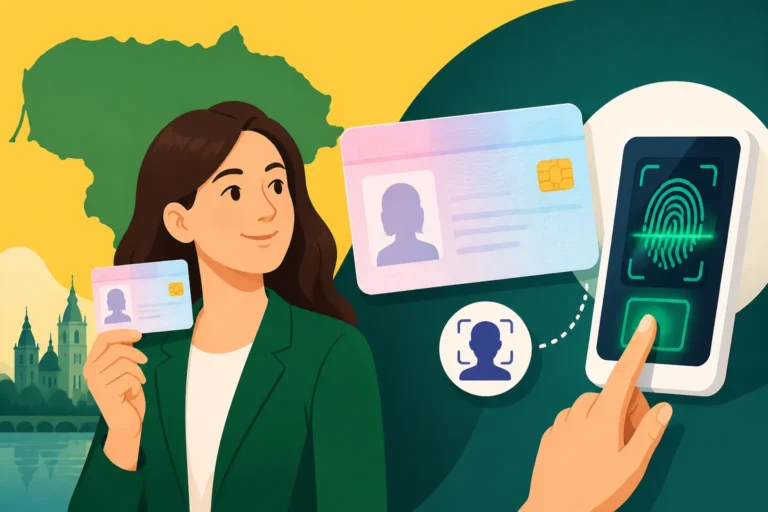
During your appointment, the MIGRIS officer will verify your identity and then proceed with collecting your biometric data. This typically includes:
- Fingerprints: You'll be asked to provide fingerprints of all ten fingers, usually through a digital scanner.
- Digital Photograph: A new digital photograph will be taken on the spot. Make sure you look presentable, as this will be the photo on your official residence permit card! Smile (or at least try not to look too stressed), keep a neutral expression, and ensure your hair is out of your face.
- Digital Signature: You'll also provide a digital signature.
This biometric data is crucial for the security features of your residence permit card and ensures that the card is linked directly and uniquely to you. It's part of the standard procedure for issuing secure travel and identity documents within the EU. Even if they took biometrics during your initial application, they'll often do it again here, for the final card issuance. This step typically doesn't take very long, but it needs to be done accurately.
Collecting Your Residence Permit Card
This is it! The moment you've been waiting for. After enduring the waiting game, the online portal battles, and the biometric capture, you're finally ready to hold your Lithuanian residence permit card.
Verifying Your Card Details
Once the officer hands you your card, do not just shove it in your wallet and run out. This is a critical moment. Take a few minutes, right there at the counter, to meticulously check every single detail on the card.
Look for:
- Your Name: Is your full name spelled correctly, exactly as it appears on your passport?
- Asmens Kodas: Is your personal code (Asmens Kodas) correct? This number is incredibly important, essentially your identity number in Lithuania.
- Date of Birth: Is it accurate?
- Nationality: Is your nationality correctly stated?
- Validity Dates: Is the validity period of the permit correct? Does it match the approval you received and the duration you expected?
- Photo: Is it your photo, and does it look like you?
- Signature: Is your signature present and correct?
- Residence Type: Does it correctly state "Temporary Residence Permit" (Laikinas leidimas gyventi)?
Finding an error later can lead to a bureaucratic nightmare, requiring you to go through the whole correction process, which takes more time and energy. It’s far better to flag any mistakes immediately while you are still at the MIGRIS office. They should be able to initiate a correction process right then and there.
Common Issues and Troubleshooting
Sometimes, things don’t go perfectly smoothly. Here are a few common issues and how to approach them:
- Card Not Ready: You arrive for your appointment, and they tell you the card isn't actually ready yet. This is frustrating but does happen. Politely ask for clarification, confirmation of when it will be ready, and what your next steps should be (e.g., will they contact you, or do you need to book another appointment?).
- Errors on the Card: As mentioned, if you find an error, point it out immediately. The officer will typically guide you on the necessary steps to get a corrected card re-issued. This might involve a new photo or fingerprints, but hopefully, it's a quicker process than the initial application.
- Language Barrier: If you struggle with Lithuanian, politely ask if there is an English-speaking officer available. While not guaranteed, many MIGRIS staff, especially in larger cities like Vilnius, speak English. Alternatively, bring a friend who can translate, or use a translation app on your phone.
Remember, the staff at MIGRIS are there to help, even if the system sometimes feels designed to test your patience. A calm, polite, and prepared approach will always serve you best.
What to Do Once You Have Your Card
Congratulations! You are now the proud owner of a shiny new Lithuanian Temporary Residence Permit card. This little piece of plastic is more than just an ID; it's your official gateway to a smoother life in Lithuania. Now that you have it, there are a few essential next steps to take.
Registering Your Place of Residence
With your TRP card in hand, one of the very first things you must do is officially declare your place of residence. Even if you've already provided an address during your application, having the physical card often allows you to complete the final registration step. This is done through the Registrų Centras (Centre of Registers) system. You can often do this online if you have an e-signature or mobile signature, or in person at a local municipality office (seniūnija). This is absolutely crucial, as your official address is linked to many public services, and it’s a legal requirement for all residents.
Failing to register your residence can lead to issues with other administrative tasks, so don’t put it off. This process is detailed further in our guide on Declaring Your Place of Residence in Lithuania: The Complete Guide. Having an officially registered address is not just about ticking a box; it's how the state knows where to send important correspondence and how you access local services.
Opening a Bank Account and Other Essential Steps
Your residence permit card is the key that unlocks many doors in Lithuania. With it, you can:
- Open a Lithuanian Bank Account: This is often impossible without a valid residence permit and Asmens Kodas. Now you have both! You'll find that banks like Swedbank, Luminor, or SEB are the main players. This will make paying bills, receiving your salary, and generally managing your finances much easier. You can explore this further in our guide, How to Open a Bank Account at a Lithuanian Bank as a Foreigner.
- Register for Compulsory Health Insurance (PSD): If you are employed or self-employed, your employer or you (if self-employed) will already be making contributions to Sodra, which covers your PSD. However, it's a good idea to confirm your active status via the PSD database. Your Asmens Kodas and TRP are vital for accessing healthcare services and understanding How Lithuania's Health Insurance Fund (VLK/PSDF) Works. For peace of mind, especially during the initial stages, some expats choose private health insurance plans from providers like Cigna Global to supplement public coverage or cover specific needs.
- Get a Mobile Phone Contract: While you can get prepaid SIM cards without a TRP, getting a proper contract with companies like Telia, Bitė, or Tele2 usually requires a valid ID and sometimes proof of address.
- Exchange Your Driving Licence: If you plan to drive, you'll eventually need to exchange your foreign driving licence for a Lithuanian one, depending on your nationality and the duration of your stay. This process is handled by Regitra and your TRP is essential for it.
Essentially, your residence permit card transforms you from a 'visitor' into a 'resident' in the eyes of Lithuanian institutions. It simplifies almost every administrative task, from employment to education for your children. Treat it like gold, keep it safe, and enjoy your life in Lithuania!
Disclaimer
The information provided in this guide is for general informational purposes only and does not constitute legal or professional advice. While we strive to provide accurate and up-to-date information, immigration laws and procedures in Lithuania can change frequently. It is always recommended to consult the official website of the Lithuanian Migration Department (MIGRIS) or seek advice from a qualified immigration lawyer or consultant for the most current and specific guidance regarding your individual situation.