How Do I Get an IBAN for a Lithuanian Bank Account?
Moving to Lithuania, you’ll quickly realize that navigating the local financial landscape can feel like deciphering an ancient script. One of the first, and often most frustrating, hurdles is figuring out how to get an IBAN for a Lithuanian bank account. This guide will cut through the red tape and jargon, offering a clear, empathetic roadmap to securing your all-important Lithuanian IBAN, whether you're a fresh arrival or have been here a while.
Understanding IBANs in Lithuania: What They Are and Why They Matter
When you first arrive in Lithuania, you might hear the term "IBAN" thrown around constantly – at work, when paying bills, even when trying to register for various services. It's not just a fancy string of numbers; it's your financial fingerprint in Europe, and specifically, here in Lithuania. Without one, you'll find yourself stuck in many crucial administrative and daily life processes. Trust me, I’ve been there, fumbling with cash and international transfers while everyone else breezed through payments with their neat IBANs.
The Basics of an IBAN: Decoding the Lithuanian Format
An IBAN, or International Bank Account Number, is a standardized international system for identifying bank accounts across borders. It was developed to facilitate easier and faster cross-border payments within Europe and beyond. Every IBAN has a specific structure: it starts with a two-letter country code, followed by two check digits, and then a Basic Bank Account Number (BBAN) which varies in length and format depending on the country.
For Lithuania, the country code is 'LT'. So, your Lithuanian IBAN will always start with "LT" followed by two check digits, and then 16 alphanumeric characters that make up your specific bank and account details. This means a Lithuanian IBAN is always 20 characters long. For instance, a typical Lithuanian IBAN might look something like LTXX 7300 0101 XXXX XXXX (where 73000 is often the bank code for Swedbank and 101 for its central branch, and the X's are your unique account numbers). Understanding this format can bring a small sense of clarity to what often feels like an impenetrable system when you're just starting out. It's the key that unlocks so much of your financial life here.
Why an IBAN is Essential for Life in Lithuania
Let's be blunt: you cannot properly function in Lithuania without a local IBAN. It’s not a nice-to-have; it’s a non-negotiable requirement for practically everything. Your employer will need it to pay your salary. Utility companies will demand it for direct debits for your electricity, heating, and internet. Landlords often prefer it for rent payments. If you're self-employed, the tax authority (VMI) will need it for any tax refunds or to receive your contributions. Even simple things like getting a bus pass or signing up for certain apps can sometimes benefit from having a local account.
Think about it: your Lithuanian IBAN is what connects you to the entire local financial ecosystem. Without it, you're constantly relying on cumbersome international transfers, cash payments, or asking friends to help you out, which is not sustainable in the long run. When you're trying to integrate into a new country, reducing these daily frictions is paramount. Having your own Lithuanian IBAN is a significant step towards feeling truly settled and independent here, allowing you to manage your finances efficiently and seamlessly. It's truly fundamental to your experience of The Complete Guide to Taxes in Lithuania for Expats (2027).
Step-by-Step: Getting an IBAN with Traditional Lithuanian Banks
Alright, let's get down to the brass tacks: how do you actually get one of these elusive Lithuanian IBANs? The most traditional route is through one of the established high-street banks. While it can sometimes feel like an uphill battle, especially if you're fresh off the plane, it’s a well-trodden path that many expats have successfully navigated.
Choosing a Traditional Bank: Swedbank, SEB, or Luminor?
Lithuania's banking sector is dominated by a few major players, primarily Swedbank, SEB, and Luminor. These are the banks you'll see everywhere, from bustling Vilnius city centers to smaller towns. They are, for all intents and purposes, the default choice for most locals and many expats. Each has its pros and cons, and often, your choice might simply come down to which one is most convenient to your home or workplace, or which one your employer uses.
- Swedbank: Often considered the largest retail bank in Lithuania, Swedbank has a very strong presence. Their online banking is generally user-friendly, and they have a wide network of ATMs. Many expats report a relatively smooth experience, though be prepared for potential language barriers at smaller branches.
- SEB: Another Scandinavian giant, SEB is also a popular choice. They offer a comprehensive range of services and generally have good English-speaking staff in larger city branches. Their app and online banking are quite robust.
- Luminor: Formed from the merger of the Baltic operations of Nordea and DNB, Luminor positions itself as a modern bank for the Baltic region. They often aim for a slightly more digital-first approach while still maintaining a traditional branch presence.
When choosing, don't just pick the first one you see. Ask around in expat groups, check their websites for English services, and consider calling ahead to a branch to inquire about their expat-friendly services. Some even offer dedicated expat desks in major cities like Vilnius or Kaunas. This initial legwork can save you a lot of grief later on. For more detailed insights, check out our guide on How to Choose the Best Bank for Expats in Lithuania.
The Account Opening Process for Expats (and the Hurdles)
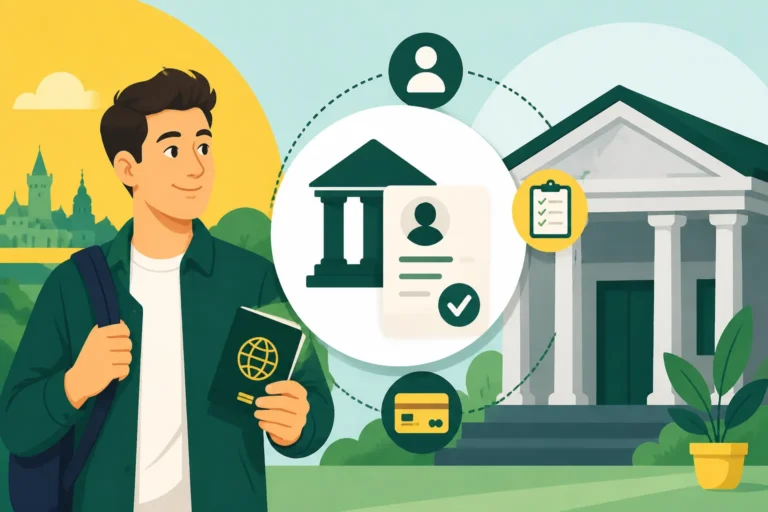
Here's where it can get a bit… Lithuanian. Opening a bank account as a foreigner isn't always as straightforward as it might be in other countries. You’ll need to prepare yourself and your documents meticulously. The banks are under strict anti-money laundering regulations, so they will ask for a lot of proof.
First and foremost, you absolutely need your Asmens Kodas (Personal Code). This is the magical number that unlocks virtually everything in Lithuania, including your bank account. Without it, most traditional banks won't even start the process. If you haven’t got one yet, prioritise getting it. Once you have your Asmens Kodas, gather these documents:
- Valid Passport or ID Card: Your primary identification.
- Lithuanian Residence Permit (Leidimas Gyventi): Crucial for non-EU citizens. EU citizens usually just need their EU ID card and sometimes a declaration of right of residence.
- Proof of Address: This can be tricky. A rental contract (nuomos sutartis) registered with Registrų Centras is best. Sometimes utility bills in your name or a letter from your employer confirming your address can work, but a registered rental contract is king.
- Proof of Income/Employment: A work contract (darbo sutartis) from a Lithuanian company is ideal. This shows the bank you have a legitimate reason to be here and to receive income. If you're self-employed, you'll need documents proving your individual activity or business registration.
- Your Asmens Kodas: As mentioned, this is non-negotiable. If you're still on a visa and awaiting your residence permit, some banks might open a basic account, but it's rare and usually requires proof of an imminent residence permit application.
Once you have everything, you'll need to book an appointment at a branch – preferably one in a major city like Vilnius or Kaunas, where English-speaking staff are more common. Be prepared for a detailed interview. They'll ask about the source of your funds, your purpose for opening the account, and how long you intend to stay. Don't be offended; it's standard procedure. They are simply trying to adhere to regulations.
Hypothetically, let's say you're an American moving to Vilnius for a tech job. You've got your work contract, your temporary residence permit, and you've even managed to get your Asmens Kodas. You head to a SEB branch, appointment booked, documents in hand. The bank officer (who thankfully speaks excellent English) will guide you through the forms, scan your documents, and ask you a series of questions about your employment, your salary, and how often you expect to transfer money internationally. This entire process, from walking in to signing the last paper, can take anywhere from 30 minutes to a full hour, sometimes even longer if there are complications. It's a test of patience, but remember, the reward is that sweet, sweet IBAN. Our guide on What Documents Do I Need to Open a Bank Account in Lithuania? provides more specifics.
Receiving Your IBAN and Setting Up Online Banking
Once your application is approved and processed (which can take a few business days, though sometimes it's immediate if all documents are perfect), you'll finally be issued your Lithuanian IBAN. This is typically provided on a document, and you'll also see it prominently displayed in your online banking portal. Along with your IBAN, you'll receive a debit card, usually mailed to your registered address within a week or two.
Setting up online banking is the next crucial step. Traditional banks usually provide you with login details, often including a unique user ID and instructions to create a strong password. You’ll also need to activate a secure authentication method, which is typically either a mobile app (like Swedbank's Mobile Bank or SEB's Smart-ID) or a code calculator. These are essential for logging in, confirming payments, and managing your account securely. Take your time with this, as navigating a new online banking system, especially one that might have some Lithuanian default settings, can be a bit daunting at first. However, once it's set up, you'll have full control over your finances from your phone or computer, making daily life much easier. You’ll be able to How to Set Up Online Banking and Payments in Lithuania in no time.
Exploring Fintech Alternatives for a Lithuanian IBAN
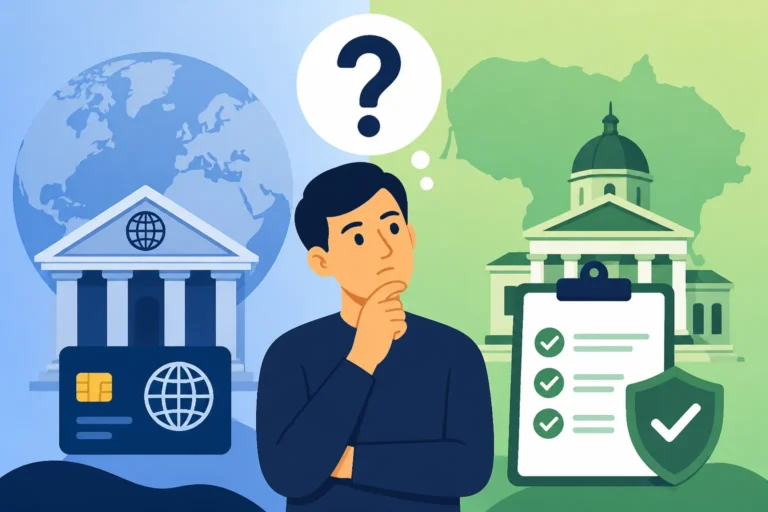
While traditional banks are the established route, the digital age has brought forth powerful alternatives that can make getting an IBAN significantly smoother, especially for those who might not yet have all the paperwork for traditional banks. Fintech companies have truly disrupted the banking scene in Lithuania, turning it into a hub for innovative financial services.
The Rise of Digital Banking: Wise and Revolut
Companies like Wise (formerly TransferWise) and Revolut have become incredibly popular among expats in Lithuania, and for good reason. They offer multi-currency accounts, often with very low fees for international transfers, and critically, they can provide you with local IBANs – sometimes even Lithuanian ones.
- Wise: Known for its transparent fees and excellent exchange rates for international money transfers, Wise also offers a multi-currency account that comes with bank details for several countries, including Lithuania. This means you can get a legitimate Lithuanian IBAN (starting with LT) through Wise. This is fantastic if you receive your salary in Lithuania or need to pay local bills. Their card also makes spending in various currencies seamless.
- Revolut: Another big player, Revolut offers a slick mobile-first banking experience. While they primarily offer a UK IBAN (starting with GB) for their standard accounts, they have expanded their services in Europe. Depending on your residency and the specifics of your account, you might be able to get a Lithuanian IBAN directly through them, or at least leverage their excellent exchange rates for payments.
The beauty of these platforms is their speed and ease of setup. You can often open an account and get your virtual card and IBAN details within minutes, all from your smartphone. This bypasses many of the traditional bureaucratic hurdles, making them a lifeline for new arrivals. Our article Can I Use Wise or Revolut Instead of a Lithuanian Bank? dives deeper into this topic.
Advantages and Disadvantages of Fintech IBANs for Expats
Fintech solutions offer some compelling advantages, but they also come with certain limitations you should be aware of.
Advantages:
- Speed and Ease of Setup: As mentioned, you can usually open an account very quickly, often needing only your passport and a selfie for verification. No need for extensive proof of address or a local work contract to start.
- Lower Fees for International Transfers: Both Wise and Revolut excel at cross-border payments, usually offering much better exchange rates and lower fees than traditional banks. This is a huge benefit if you're frequently How to Transfer Money Internationally from a Lithuanian Account.
- Multi-Currency Accounts: You can hold and manage funds in various currencies, which is incredibly useful for expats who might receive income or have expenses in different countries.
- User-Friendly Apps: Their mobile apps are generally very intuitive, making it easy to track spending, send money, and manage your account on the go.
Disadvantages:
- Limited Physical Presence: No branches to visit if you have a complex issue or prefer face-to-face service. Customer support is primarily online or via chat.
- Perception by Local Institutions: While widely accepted, some older or more bureaucratic Lithuanian institutions might occasionally raise an eyebrow at a fintech IBAN, though this is becoming rarer. For instance, the tax authority (VMI) or Sodra might prefer traditional bank accounts for certain transactions, although legally, a Lithuanian IBAN from Wise or Revolut is perfectly valid.
- Fewer Traditional Banking Services: Fintechs typically don't offer services like mortgages, personal loans, or complex investment products that traditional banks provide. If you plan to settle long-term and need these services, you'll likely still need a traditional bank.
- Deposit Protection: While regulated, the exact deposit protection schemes can differ from traditional banks, which are typically covered by national deposit guarantee funds. Always check the specific terms and regulations of the fintech provider.
For many expats, a hybrid approach works best: use a fintech like Wise for daily spending and international transfers due to its convenience and lower costs, and open a basic account with a traditional Lithuanian bank for receiving salary, paying major bills, and fulfilling any official requirements where a traditional bank might be preferred.
Troubleshooting Common IBAN Issues and Beyond
Even with the best preparation, hiccups can happen. Dealing with financial institutions in a new country often tests your patience, and Lithuania is no exception. Let's look at some common snags and how to tackle them.
What If Your IBAN Application is Rejected?
It can be incredibly disheartening when your bank account application, and thus your quest for an IBAN, gets rejected. Don't panic, but do take immediate action to understand why.
Common Reasons for Rejection:
- Missing or Incorrect Documents: This is the most frequent culprit. Double-check that all your documents are valid, up-to-date, and precisely what the bank requested. For example, if your residence permit is expired or your proof of address isn't officially registered, it will be a problem.
- Lack of Asmens Kodas: As stressed earlier, this is a must-have for traditional banks. If you don't have it, that's likely the reason. Our article How to Get Your Asmens Kodas (Personal Code) and Why It Matters for Healthcare can help you get started on obtaining it.
- No Clear Link to Lithuania: If you don't have a work contract, a study visa, or a registered residence permit, the bank might see you as a higher risk. They want to see a legitimate reason for you to be opening an account in Lithuania.
- Previous Negative History: Though less common for new expats, any issues with past banking relationships or credit history (even if foreign) could potentially cause issues, though this is rare for a first-time account opening.
What to Do if Rejected:
- Ask for a Clear Reason: Don't just accept a "no." Politely ask the bank officer for the specific reason for the rejection. Get it in writing if possible. This information is critical for you to address the issue.
- Rectify the Issue: Based on the reason, gather the missing documents, update expired ones, or seek to establish a stronger link to Lithuania. For instance, if your rental agreement wasn't registered, try to get it done at the Registrų Centras.
- Try Another Branch/Bank: Sometimes, it’s simply down to the individual officer or branch's interpretation of the rules. What one branch rejects, another might accept, especially if you try a main branch in a larger city with more experience dealing with foreigners.
- Consider a Fintech Alternative: If traditional banks are proving too difficult, a fintech like Wise or Revolut can be a quick solution to at least get a functional IBAN and bank card for daily use. This can buy you time while you sort out the paperwork for a traditional account if you still desire one.
Managing Multiple Accounts and International Transfers
Once you've successfully obtained your Lithuanian IBAN, you might find yourself with a few different accounts: perhaps your new Lithuanian bank account, a fintech account, and maybe even your old bank account back home. This is a common expat scenario, and managing it efficiently is key.
Using Different Accounts Strategically:
- Salary and Local Bills: Your Lithuanian bank account is perfect for receiving your salary and setting up direct debits for local utilities. This simplifies your Understanding Sodra Social Insurance in Lithuania: The Full Guide contributions and tax payments, keeping things local and compliant.
- International Transfers and Foreign Currency Expenses: This is where fintech platforms shine. If you need to send money back home, or receive funds from abroad, using services like Wise will almost always be more cost-effective than a traditional bank. Similarly, if you travel frequently, their multi-currency cards can save you a bundle on exchange rates.
- Savings and Investments: Depending on your goals, you might keep some savings in your traditional Lithuanian bank, or explore international investment platforms.
Tips for Smooth International Transfers:
- Know Your IBAN and SWIFT/BIC: For any incoming international transfer to your Lithuanian account, you'll need to provide the sender with your full Lithuanian IBAN and the bank's SWIFT/BIC code (e.g., SWEDBANK's is HABA LT 22).
- Check Fees and Exchange Rates: Always compare the fees and exchange rates offered by different providers before making a transfer. A small difference can add up over time.
- Be Mindful of Transfer Limits: Some banks or fintechs might have daily or monthly transfer limits. If you're moving a large sum, plan accordingly.
- Consider Tax Implications: When moving substantial amounts of money internationally, especially if it's income or proceeds from asset sales, be aware of potential tax implications in both Lithuania and your home country. This is where consulting with a specialist on Taxes for Expats could be invaluable to ensure compliance and avoid any nasty surprises.
By understanding the strengths of each financial tool at your disposal, you can create a robust and flexible banking setup that perfectly supports your expat life in Lithuania.
| Feature / Service | Traditional Lithuanian Banks (Swedbank, SEB, Luminor) | Fintech Platforms (Wise, Revolut) |
|---|---|---|
| IBAN Type | Lithuanian (LT) | Lithuanian (LT for Wise), sometimes other EU/UK IBANs for Revolut |
| Account Opening Speed | Days to Weeks (In-person appointment needed) | Minutes to Hours (Fully online) |
| Document Requirements | Extensive (Asmens Kodas, Residence Permit, Work Contract, Proof of Address) | Minimal (Passport, Selfie, sometimes Proof of Address) |
| Physical Branches | Yes, extensive network | No physical branches, online support only |
| International Transfers | Higher fees, less competitive exchange rates | Lower fees, competitive exchange rates |
| Multi-currency Accounts | Limited/Complex | Standard feature, easy to manage multiple currencies |
| Deposit Protection | Covered by Lithuanian Deposit Insurance Fund | Varies by platform/country of regulation, check terms carefully |
| Additional Services | Mortgages, loans, investments, insurance | Primarily focus on payments and currency exchange |
| Monthly Fees | Often a small monthly fee for basic accounts | Free basic accounts, premium tiers with monthly fees |
| Acceptance | Universally accepted by all institutions | Widely accepted, but some older institutions might prefer traditional |
Disclaimer
The information provided in this guide is intended for general informational purposes only and does not constitute financial, legal, or tax advice. While we strive to keep the information up-to-date and accurate, banking regulations, fees, and requirements in Lithuania can change frequently. It is always recommended to consult with the specific bank or financial institution, a legal professional, or a tax advisor for personalized advice regarding your individual situation. We accept no responsibility for any loss which may arise from reliance on information contained in this guide.