Can I Pay My Lithuanian Taxes from Abroad?
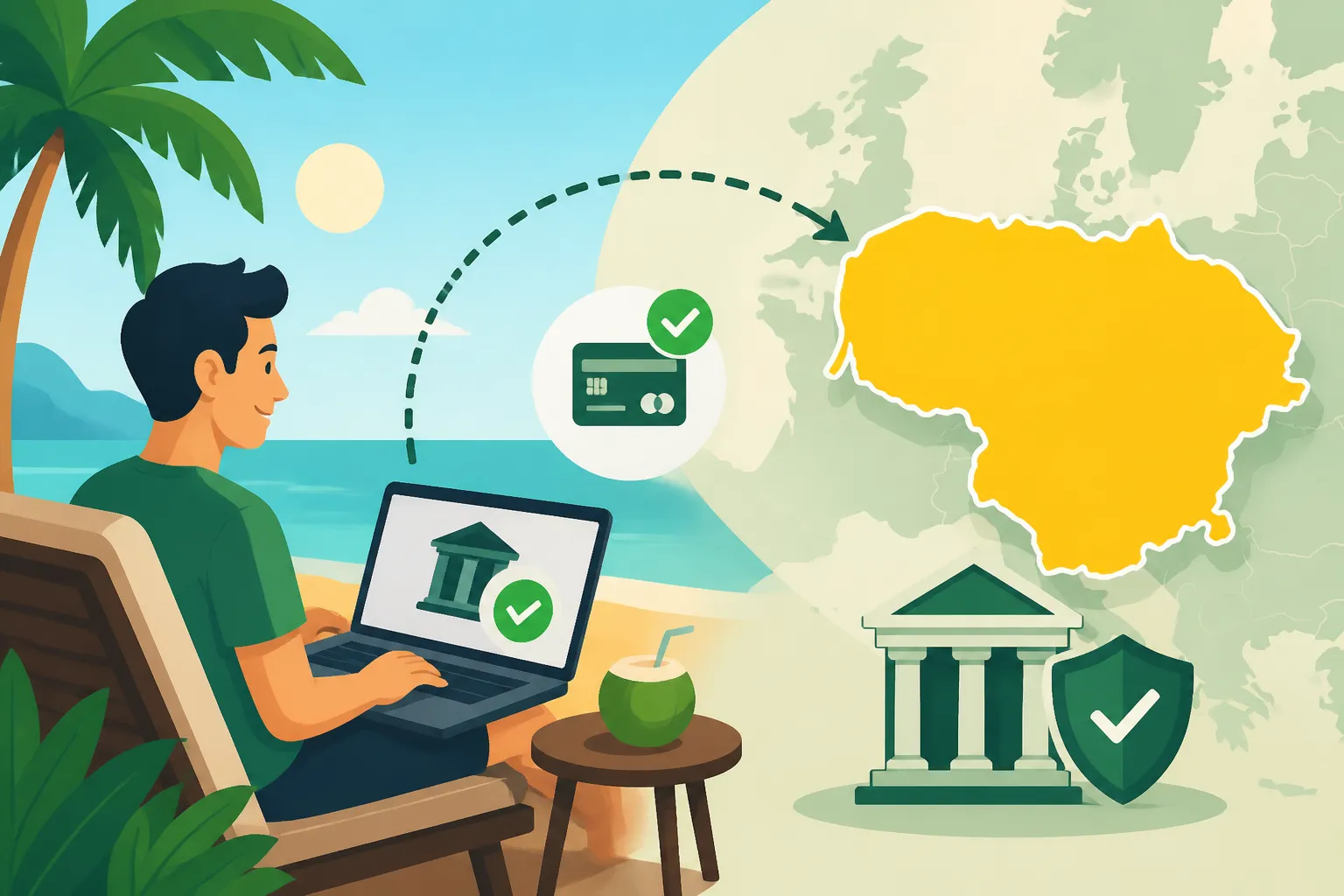
Oh, the joys of navigating taxes when you're an expat, especially when you're trying to figure out if you can even pay them from another country! It's a common headache, believe me. Many of us find ourselves living in Lithuania with income from back home, or perhaps we've moved away but still have a bit of business, an investment, or a rental property humming along here. The good news is, yes, it's absolutely possible to pay your Lithuanian taxes from abroad. This guide will walk you through the nitty-gritty, from understanding your obligations to the practical steps of sending that money across borders.
The Nuances of Lithuanian Tax Residency and Your Cross-Border Obligations
Before we even get to hitting that "send" button on a payment, we need to sort out who is supposed to be paying what, and where. This is where the world of international taxation gets wonderfully, maddeningly complex. It's not just about where you are physically when you're paying; it's about where Lithuania considers you a "tax resident" and what sources of income are tied to this little Baltic gem.
Understanding Your Tax Residency Status in Lithuania
This is arguably the most critical piece of the puzzle. Lithuania, like most countries, has rules to determine who is considered a tax resident. Generally speaking, if you spend more than 183 days in Lithuania within any consecutive 12-month period, you're very likely to be considered a Lithuanian tax resident. But it’s not just about the days. The Lithuanian Tax Authority (VMI) also looks at your "centre of vital interests." This means where your main home is, where your family lives, where your economic interests (like bank accounts, investments, business ties) are concentrated.
For instance, imagine you lived in Vilnius for three years, moved to Spain last year, but kept your apartment in Kaunas which you now rent out. Even though you might not spend 183 days here anymore, if your family is still here, your primary bank accounts are here, and your main business interests are rooted in Lithuania, the VMI might still consider you a tax resident. This would mean you're liable to pay taxes on your worldwide income to Lithuania, not just the income from your Kaunas rental. This is a common point of confusion and frustration for many expats, and why getting a clear picture of your tax residency is paramount. If you're struggling with this, I highly recommend digging into Tax Residency in Lithuania: A Definitive Guide for Expats (2027) for a much deeper dive. It makes all the difference in what you need to declare and where.
The Role of Double Taxation Agreements (DTAs)
Okay, so you've figured out you might be a tax resident in Lithuania, but you're also definitely a tax resident somewhere else, say, Germany or the United States. This is where double taxation agreements (DTAs), or tax treaties, come into play. These are bilateral agreements between countries designed to prevent individuals and businesses from being taxed twice on the same income. Phew, right?
Lithuania has a wide network of these agreements with many countries. For example, if you live in Ireland but receive dividends from a Lithuanian company, the DTA between Lithuania and Ireland will determine which country has the primary right to tax that income, or how tax paid in one country can be offset against tax owed in the other. It's a lifesaver, truly. However, these treaties are complex legal documents, and interpreting them incorrectly can lead to headaches with the VMI down the line. They usually specify things like:
- Income from Employment: Where you physically perform the work.
- Rental Income: Usually taxed in the country where the property is located.
- Dividends and Interest: Often taxed at a reduced rate in the source country, with the possibility of further taxation in your country of residence (but with a credit for tax already paid).
Understanding how to avoid double taxation as an expat in Lithuania is essential. You'll often need to declare your income in both countries but then claim relief based on the DTA. This often involves specific forms or disclosures in your tax returns for both jurisdictions. Don't underestimate the power of these agreements, but also don't assume they make everything simple. They exist to prevent unfair double taxation, but they add layers to the administrative process.
Practical Methods for Paying Lithuanian Taxes from Outside the Country
So, you've established your tax obligations and understand how DTAs might affect you. Now, let's get down to the brass tacks: how do you actually send your money to the Lithuanian Tax Authority (VMI) when you're not physically in the country? Thankfully, modern technology makes this much more manageable than it used to be.
Utilizing the VMI Electronic Declaration System (EDS)
The VMI's Electronic Declaration System (EDS) is your primary portal for almost everything tax-related in Lithuania, and yes, that includes making payments. It's an indispensable tool, but it does come with its own set of hurdles, especially for those not physically present in Lithuania or those who are new to the system.
First and foremost, to access the EDS, you'll need an electronic identification method. The most common ones for residents are Smart-ID, Mobile-ID, or your e-banking credentials from a Lithuanian bank. This is where the challenge often arises for those living abroad. If you've moved out of Lithuania and cancelled your local phone number, or if you never set up Smart-ID or Mobile-ID while you were here, getting access can be tricky. Sometimes, you might need to visit a Lithuanian embassy or consulate to activate certain services, or, in more complex cases, appoint a trusted person in Lithuania with a power of attorney to help.
Once you’re in, the EDS allows you to file your annual income tax return (GPM308 form, for example) and then, crucially, proceed directly to payment. The system will calculate your owed amount and provide you with options to pay. You can usually choose to pay via direct debit from a Lithuanian bank account (if you still have one) or generate a payment order that includes all the necessary VMI bank details, specific tax codes, and your personal identification number (asmens kodas or tax ID). This payment order is what you'll use for international bank transfers, which brings us to the next point. For a detailed guide on navigating this system, check out How to File Your Annual Income Tax Return (GPM) in Lithuania. It really helps to see the steps laid out.
International Bank Transfers and Payment Processors
This is likely the most common method for expats to pay their Lithuanian taxes from abroad. Once you have the VMI's payment details (which you can get from the EDS, directly from the VMI website, or from a tax advisor), you'll initiate a bank transfer from your foreign bank account.
Here's what you'll typically need:
- VMI's IBAN: The International Bank Account Number for the Lithuanian State Tax Inspectorate.
- SWIFT/BIC Code: The Bank Identifier Code for the VMI's bank (usually the State Treasury, part of the Bank of Lithuania).
- Purpose of Payment: This is critical. You must include the specific tax code for the type of tax you're paying (e.g., income tax, property tax), the tax period it relates to, and your personal Lithuanian tax identification number (usually your Asmens Kodas). Without these, the VMI might not be able to correctly attribute the payment to you, leading to delays and potential penalties.
When it comes to making the transfer, traditional banks can sometimes be expensive, especially for currency conversion. This is where modern payment services like Wise (formerly TransferWise) shine. Wise allows you to send money internationally at the mid-market exchange rate, often with significantly lower fees compared to traditional banks. You can convert your local currency (e.g., USD, GBP, EUR) into euros and send it directly to the VMI's Lithuanian IBAN. It's a streamlined process that many expats use for various international payments, not just taxes. It saves you money on exchange rates and makes the whole process smoother, which, let's be honest, is a huge win when dealing with taxes.
Table: Comparison of Payment Methods for Lithuanian Taxes from Abroad
| Feature/Method | VMI EDS Direct Debit (Lithuanian Bank) | Traditional International Bank Transfer | Wise (or similar FinTech) | Professional Tax Service (e.g., Taxes for Expats) |
|---|---|---|---|---|
| Accessibility | Requires Lithuanian e-ID & bank account | Available via any bank | Online/App, easy setup | Full service, handles everything |
| Cost | Low/None | Can be high (fees, exchange rates) | Generally low (transparent fees, mid-market rate) | Service fees apply, but can save money on compliance/optimisation |
| Complexity | Easy once logged in | Moderate (manual input, bank interface) | Easy, user-friendly | Minimal for user, maximum expertise |
| Speed | Instant | 1-5 business days | Often same-day/next-day | Varies based on service, but payment itself is quick once initiated |
| Currency Exchange | N/A (must be EUR) | Bank's rate (often with markup) | Mid-market rate | N/A (part of overall service) |
| Required Info | VMI ID, tax type, period | VMI IBAN, SWIFT, your tax ID, purpose | VMI IBAN, your tax ID, purpose | Minimal input needed from you |
| Ideal For | Residents with active Lithuanian banking | Large, infrequent transfers | Regular, cost-effective transfers | Complex situations, time-saving, peace of mind |
Seeking Professional Assistance
Sometimes, the complexities of cross-border taxation, especially with different types of income or unusual circumstances, are just too much to handle alone. This is where professional tax advisors, particularly those specializing in international taxation for expats, become invaluable. They can help you:
- Determine Residency: Confirm your exact tax residency status in both Lithuania and your other country.
- Interpret DTAs: Ensure you're applying the correct DTA provisions to avoid double taxation legally.
- Prepare Returns: Help you prepare and file your Lithuanian tax returns accurately, even if you have complex foreign income sources that need to be reported to the Lithuanian Tax Authority.
- Make Payments: Guide you through the payment process or, in some cases, even handle it for you through power of attorney if you've designated them.
For example, a service like Taxes for Expats or a local Lithuanian accounting firm with international expertise can take the entire burden off your shoulders. They understand the nuances of Understanding Income Tax (GPM) in Lithuania: The Full Expat Guide and can ensure you're compliant, potentially even identifying deductions or reliefs you might have missed. While there's a cost involved, the peace of mind and the potential savings from accurate filing can often outweigh the fees, particularly for those with significant income or complex financial situations. They are specialists in untangling the knots of international tax law, which can feel like a maze for the uninitiated.
Common Tax Scenarios and Practical Advice for Expats Abroad
Let's look at some common situations where expats living abroad might still need to interact with the Lithuanian tax system and how to handle them. Understanding these scenarios can save you a lot of grief.
Rental Income from Lithuanian Property
This is a classic scenario: you've moved out of Lithuania, but you held onto an apartment or house, and now you're renting it out. Even if you are no longer a tax resident of Lithuania (meaning you've established your tax residency elsewhere), income generated from real estate located in Lithuania is almost always taxable in Lithuania first. This is a fundamental principle in most DTAs.
You will need to declare this rental income annually to the VMI. This typically involves completing the relevant sections of the GPM308 form via the EDS. The tax rate on rental income can vary depending on whether you're a resident or non-resident, and whether you've registered for an individual activity (individuali veikla) or are simply renting as a private person. It's crucial to keep meticulous records of your rental income and any allowable expenses (like property management fees, repair costs, insurance) that can be deducted to reduce your taxable income. For more specific guidance on how this works, you'll want to review How Do I Pay Tax on Rental Income in Lithuania?. Remember, even if tax has been withheld by a property management company, you might still have a filing obligation to ensure everything is correctly accounted for and to potentially claim any deductions.
Income from Lithuanian Companies (Dividends, Salaries, Capital Gains)
If you've left a job in Lithuania but still receive a bonus, or you hold shares in a Lithuanian company and receive dividends, or even sell those shares, these are all sources of income that could be taxable in Lithuania, even if you're living abroad.
- Dividends and Interest: These are generally subject to a withholding tax in Lithuania at the source. The DTA with your country of residence will determine the maximum rate of this withholding tax. You might then need to declare this income in your country of residence, but usually, you'll get a credit for the tax already paid in Lithuania.
- Salaries/Bonuses: If you performed the work in Lithuania, even if you're paid after you've left, it might still be considered Lithuanian-sourced income. If you're physically working for a Lithuanian company from abroad, the situation becomes even more nuanced, touching upon permanent establishment rules and the specifics of your employment contract. It's a complex area where professional advice, potentially from services like Taxes for Expats, is highly recommended.
- Capital Gains: If you sell shares or other assets of a Lithuanian company, any capital gains could be taxable in Lithuania. The DTA will again play a crucial role here, sometimes granting the taxing rights primarily to your country of residence, or allowing Lithuania to tax it first. Understanding Capital Gains Tax in Lithuania is vital if you're dealing with such transactions.
These situations often require careful reporting to both the Lithuanian VMI and your current country's tax authorities to ensure you don't overpay and stay compliant.
Maintaining Compliance and Avoiding Penalties
Let's face it, nobody enjoys dealing with taxes, but avoiding your obligations is simply not an option. The Lithuanian VMI, like tax authorities worldwide, has mechanisms to track cross-border income and enforce compliance.
- Deadlines are Sacred: The annual income tax return deadline in Lithuania is typically May 1st for the preceding tax year. Missing this deadline, or paying late, will result in penalties. These can include late payment interest and administrative fines. Trust me, you don't want to get on the VMI's bad side. Make sure you know What Happens If I Miss the Tax Filing Deadline in Lithuania? and plan accordingly.
- Record Keeping: Keep meticulous records of all your income, expenses, and any tax documents from both Lithuania and your country of residence. This is not just for filing; it’s essential if the VMI (or your home country’s tax authority) ever decides to audit you.
- Communication: If you're unsure about anything, it's always better to communicate with the VMI proactively or seek professional guidance. While the VMI website offers a lot of information, direct communication in English might be challenging without assistance. This is another area where a service like Taxes for Expats can facilitate communication on your behalf.
- Be Aware of Changes: Tax laws can change, both in Lithuania and in your country of residence. What was true last year might not be true this year. Staying informed or relying on professionals to do so is crucial.
Paying your Lithuanian taxes from abroad might seem daunting at first, especially with the added layer of international transfers and currency conversions. But with the right understanding of your tax residency, utilizing online tools like the EDS, leveraging efficient payment services like Wise, and not hesitating to seek professional advice when needed, it's a perfectly manageable part of expat life. Stay organized, be proactive, and don't let the paperwork stress you out more than it needs to!
Disclaimer
Please remember that I am an expat blogger sharing general information based on personal experience and publicly available knowledge. Tax laws are complex and subject to change, and individual circumstances vary greatly. The information provided here does not constitute professional tax advice. Always consult with a qualified tax advisor or the Lithuanian State Tax Inspectorate (VMI) for advice tailored to your specific situation.