Understanding the Real Property Register (Registrų Centras) in Lithuania
Moving to Lithuania, especially when it involves finding a place to call home, can feel like you're trying to solve a complex puzzle with missing pieces. One of the biggest head-scratchers for new arrivals often revolves around property, its ownership, and all the official details that come with it. This guide will walk you through the labyrinthine but incredibly vital institution known as the Real Property Register, or Registrų Centras, demystifying its purpose and showing you exactly how it can be your best friend in navigating Lithuanian property matters.
What is the Registrų Centras? Your Central Hub for All Things Official
When you first hear "Registrų Centras," you might imagine a dusty government archive, but in reality, it's Lithuania's modern, centralized registry of pretty much all essential public data. Far from just a simple property list, it’s the definitive legal database for real estate, legal entities, addresses, and even certain personal data. It’s the backbone of legal certainty and transparency in the country, ensuring that when you deal with property or businesses, you know exactly who owns what and what responsibilities or encumbrances come with it. For expats, understanding this institution is absolutely non-negotiable for smooth sailing in everything from renting an apartment to setting up a business.
Its Core Mission and Legal Basis
At its heart, the Registrų Centras (RC) is a state enterprise operating under the Ministry of Justice, tasked with collecting, processing, and storing data from various public registers. Its legal foundation is robust, ensuring that the information it holds is authoritative and legally binding. This means that if something isn't recorded in the Registrų Centras, it legally doesn't exist or isn't enforceable in the same way. Think of it as the ultimate arbiter of facts concerning ownership and legal status. For instance, when you buy a house, the actual transfer of ownership isn't complete until it's officially registered here. This system significantly reduces fraud and provides a clear, undeniable record of rights and responsibilities, which is a huge relief when you’re dealing with transactions in an unfamiliar country.
Beyond Property: Other Key Registers
While we often focus on property, the Registrų Centras manages several crucial registers that extend far beyond just bricks and mortar. It holds the Register of Legal Entities (for companies, NGOs, etc.), the Address Register, the Register of Immovable Property Cadastre and Register (the big one for us), and several others, including the Register of Marriages, Divorces, and Deaths. This comprehensive scope means it’s a central point for many administrative processes you’ll encounter as an expat. For example, if you're ever looking into starting your own venture, you'll be interacting with the Registrų Centras to register your company. Its broad remit makes it an invaluable resource, unifying data that in other countries might be scattered across various government bodies.
Why it Matters for Expats
As a foreigner, the Registrų Centras becomes your indispensable tool. Whether you're simply trying to rent an apartment in Lithuania: The Complete Guide (2026), embarking on the journey to buy property in Lithuania as a foreigner: The Full Guide (2026), or even just trying to get your official proof of address (Pažyma) from Registrų Centras in Lithuania for residence permits, you'll find yourself needing to consult or interact with it. It’s the definitive source to verify that the person renting you an apartment actually owns it, or that there are no hidden debts or claims against a property you're considering buying. Trust me, the small effort spent understanding how to use this system can save you immense headaches and potential financial pitfalls down the road.
Navigating the Public Data: What You Can Find
The beauty of the Registrų Centras is its commitment to transparency. A significant amount of information is publicly accessible, allowing individuals to perform due diligence on properties and entities without needing special permissions. This public access is a cornerstone of a reliable property market and a fair administrative environment. However, there are also layers of restricted information, accessible only to those with a legitimate legal interest, such as owners, notaries, or law enforcement, ensuring privacy while maintaining transparency where it counts.
Key Property Information Available to All
Through the public portal, you can search for a wealth of information about any immovable property in Lithuania. This includes basic details like the address, the registered owner(s), the type of property (apartment, house, land), its primary use, and its area. You can also see if there are any current or past mortgages, easements, or other encumbrances registered against it. This is incredibly powerful when you're house hunting. Imagine you've found a charming place in Vilnius; before you get too emotionally invested, a quick check on the Registrų Centras can confirm the seller's ownership and reveal if the property has a massive outstanding loan. This readily available information empowers you to make informed decisions and approach any negotiations with confidence.
Understanding Ownership and Encumbrances
One of the most critical aspects for expats is the ability to verify ownership and identify any legal burdens or encumbrances (such as mortgages, pledges, or servitudes) on a property. When you search for a property, the system will display who the current registered owner is, often with their asmens kodas (personal code) or company registration number. More importantly, it will list any registered encumbrances. A hipoteka (mortgage) means the property is collateral for a loan, and understanding this is crucial when buying. A servitutas (easement) might mean a neighbour has the right to cross part of the property, which could impact your use. Knowing these details upfront is essential for protecting your investment and ensuring you’re not inheriting someone else’s problems. It’s a vital step, especially before you engage a notary for a property transaction, as outlined in guides like Understanding Notary (Notaras) Costs When Buying Property in Lithuania.
Accessing Cadastral Data and Maps
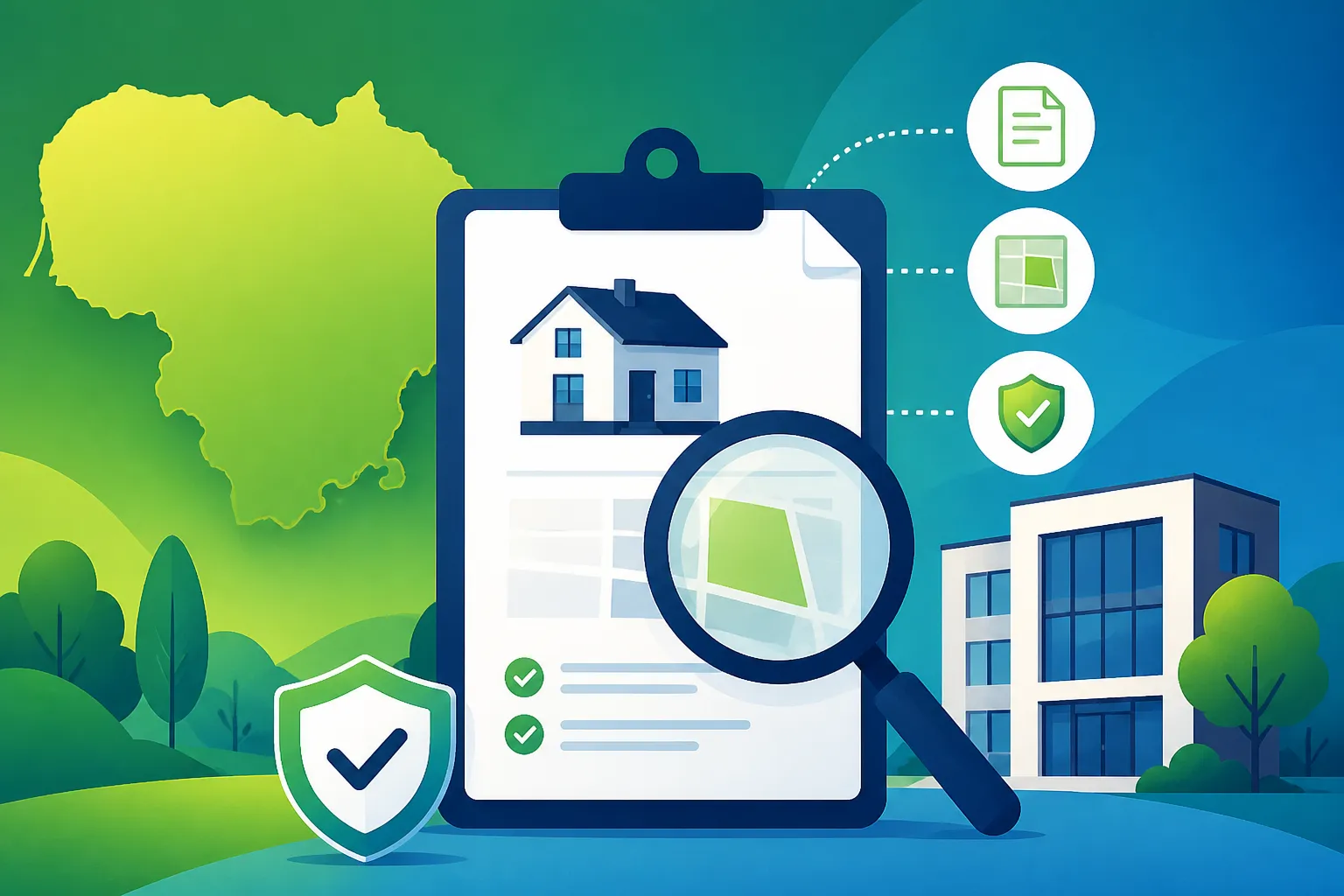
Beyond simple ownership details, the Registrų Centras also provides access to cadastral data, which includes detailed information about land parcels and buildings. This means you can view cadastral maps, showing exact boundaries, coordinates, and even the internal layout of apartments or houses. This data is indispensable for urban planning, construction, and resolving boundary disputes. For an expat buying a rural plot, for instance, checking the cadastral map can clarify exactly what you're buying, its shape, and how it relates to neighbouring properties. It ensures there are no nasty surprises like your future driveway actually belonging to the field next door. This level of detail offers peace of mind and is critical for truly understanding what you’re getting into, regardless of whether you're using services like Sirelo to move your belongings or just researching your new neighbourhood.
Here's a quick overview of what kind of information you can find and who can access it:
| Information Type | Public Access (Online/Free) | Restricted Access (Official Request/Fee) |
|---|---|---|
| Property Details | Address, Property Type (apartment, house), Area, Primary Use | Detailed cadastral measurements, building characteristics, specific floor plans (often with ownership proof) |
| Ownership Information | Current Owner(s) (name/company, Asmens Kodas/registration no.) | Full ownership history, details of previous transactions, personal data of non-owners (e.g., co-owners' full info) |
| Encumbrances | Registered mortgages (hipoteka), easements (servitutas), arrests (areštas) | Specific terms of mortgages, full legal documents pertaining to encumbrances |
| Cadastral Data | Basic cadastral maps, land plot numbers, general boundaries | Highly detailed cadastral plans, engineering networks, specific valuation data |
| Building Permits/Documents | Generally not directly available via RC public portal | Official copies of construction permits, technical project documents (often via municipality or owner) |
| Historical Data | Limited, usually current snapshot | Comprehensive historical records of ownership, changes, and encumbrances |
Accessing Services and Information: Your How-To Guide
Navigating the Registrų Centras might seem daunting at first, especially if your Lithuanian isn't fluent. But fear not, like many Lithuanian institutions, they've embraced digitalization, making many services accessible online. Still, there are times when a trip to a physical office is necessary, or when you need official, certified documents. Knowing the different access points is key to efficiently getting what you need. Even if you're using an eSIM from Airalo to stay connected while exploring Lithuania, reliable internet access is crucial for these online interactions.
The E-Services Portal: Your Digital Gateway
The Registrų Centras e-services portal (www.registrucentras.lt) is where most expats will spend their time. It’s a powerful online platform that allows you to perform property searches, access public data, and even initiate certain applications. To fully utilize it, you’ll need to log in using an electronic signature or through your bank’s online identification system. This secure login ensures that only authorized individuals can access more sensitive data or submit official requests. For instance, if you are the owner, you can check your property details, apply for changes, or even order certified extracts directly. The portal is designed to be user-friendly, although some sections might still require a bit of translation help. It's a significant improvement from the days of paper applications and long queues!
Visiting Physical Branches: When and How
Despite the excellent online services, there are still situations where a visit to a Registrų Centras branch is unavoidable. This usually happens when you need to submit original documents, verify your identity in person for a complex transaction, or if you prefer face-to-face assistance for intricate queries. They have offices in all major cities like Vilnius, Kaunas, and Klaipėda. It's always a good idea to check their website for opening hours and whether an appointment is required, as procedures can change. While staff might not always be fluent in English, they are generally helpful. Bringing a Lithuanian-speaking friend or translator can make these visits much smoother, especially when dealing with complex legal terms.
Requesting Official Extracts and Certificates
For many official purposes—such as applying for a residence permit, dealing with inheritance, or obtaining a mortgage—you might need an official extract or certificate from the Registrų Centras. These are certified documents that officially confirm certain data, such as property ownership or the absence of encumbrances. You can often order these online through the e-services portal, provided you have a valid e-signature, or in person at a branch. There will usually be a fee associated with these official documents, which varies depending on the type of document and urgency. It's crucial to specify exactly what type of certificate you need, as there are different formats for different purposes (e.g., a simple ownership certificate versus a full history extract).
Registrų Centras in Key Expat Scenarios
As an expat, you’ll encounter the Registrų Centras at several critical junctures. From securing your first rental to making a significant investment in property, its data provides the legal certainty you need to proceed confidently. Understanding these touchpoints is crucial for a smooth integration into Lithuanian life. It's not just about compliance; it's about protecting yourself.
Renting an Apartment: Verifying Ownership and Legitimacy
So, you've found the perfect apartment in Vilnius and are ready to sign the nuomos sutartis (rental contract). Before you hand over any deposit, a smart move is to use the Registrų Centras to verify that the person offering to rent you the apartment is indeed the legal owner. It's an easy check that can prevent scams. Just search for the property address on the public portal, and it will clearly state the registered owner. If the name on the rental agreement doesn’t match the Registrų Centras record, or if the property has multiple owners and only one is signing, that’s a red flag. While this doesn't replace a good rental contract, it's a foundational step to ensure you're dealing with the legitimate party and not some shady middleman. This simple due diligence is part of The Complete Guide to Renting an Apartment in Lithuania (2027).
Buying Property: The Due Diligence Lifeline
When you're ready to buy property in Lithuania as a foreigner: The Full Guide (2026), the Registrų Centras becomes your primary source of truth. Every step of the property purchase process, from initial research to the final signing at the notary, relies heavily on its data. You'll need to confirm not only ownership but also investigate any outstanding mortgages, servitudes, or other legal claims against the property. Your notary will perform thorough checks with the Registrų Centras before finalizing any sale, but it’s always wise to do your own initial investigation. This includes checking for details that might impact your future enjoyment or sale of the property, such as rights of way or heritage protection statuses. This meticulous research phase is where tools like an Airalo eSIM can be handy, ensuring you have constant internet access for real-time checks on the RC portal while you're out viewing properties.
Dealing with Property Disputes and Legal Matters
Unfortunately, life isn't always smooth sailing, and property disputes can arise. Whether it’s a boundary disagreement with a neighbor, a conflict with a landlord, or an issue related to inheritance, the Registrų Centras records are the ultimate legal reference. For instance, if you’re contesting a boundary, the cadastral maps and registered coordinates from the RC will be critical evidence. For inheritance cases, the RC’s records clarify legal ownership and help distribute assets correctly. Even for less dramatic issues, like understanding apartment building maintenance fees, checking the registered details of common areas can provide clarity. These records are the starting point for any legal professional looking to represent you, providing the incontrovertible facts needed to build a case or clarify rights.
Challenges and Tips for Foreigners
Even with excellent online services and a transparent system, navigating the Registrų Centras can present unique challenges for expats. The legal terminology, the bureaucratic nuances, and the language barrier can sometimes feel like trying to understand a secret code. But with a few strategies, you can minimize the friction and get the information you need. Remember, countless expats before you have managed this, often with a mix of patience and clever workarounds.
Overcoming the Language Barrier and Bureaucracy
The official language of the Registrų Centras portal and all its documents is Lithuanian. While some parts of the website might offer English translations, comprehensive understanding often requires a good grasp of the local language or reliable translation tools. This can be particularly frustrating when dealing with legal jargon, which even native speakers can find complex. My advice? Don't be afraid to use online translators for basic navigation, but for anything critical—like understanding a property extract or submitting an application—invest in a professional translation service or consult with a local, English-speaking real estate lawyer or notary. They are well-versed in the specifics and can accurately interpret the nuances. This applies especially when you're filling out forms for Declaring Your Place of Residence in Lithuania: The Complete Guide, where accuracy is paramount.
Interpreting Complex Legal Terms
Lithuanian property law, like any country's legal system, has its specific terms and concepts that might not have direct equivalents in your home country. For example, understanding the difference between daiktinė teisė (property right) and įsipareigojimai (obligations) can be crucial. Encumbrances like servitutas (easement) or uzufruktas (usufruct, the right to use and derive profit from property belonging to another) need careful interpretation. A literal translation might not convey the full legal implications. This is where professional help becomes invaluable. A good local lawyer or notary specializing in real estate for foreigners will not only translate the terms but also explain their practical impact on you and your property. Don't gloss over these details; they can have long-lasting consequences.
Leveraging Support Services
You don't have to go it alone. Many professionals in Lithuania specialize in assisting expats with property matters. Real estate agents, lawyers, notaries, and even relocation consultants (some recommended by moving platforms like Sirelo) can guide you through the Registrų Centras processes. They can help you perform searches, interpret documents, and submit applications on your behalf. While there's a cost involved, the peace of mind and assurance of getting things right are often worth the investment. Think of them as your personal guides through the administrative jungle, helping you avoid missteps and ensure your property dealings are legally sound. Remember that some applications, like getting your asmens kodas (personal code) or sorting out your residence permit through MIGRIS, often require documents that confirm your address and status, directly tying back to the information held by Registrų Centras. Getting your Asmens Kodas (Personal Code) and Why It Matters for Healthcare is a fundamental step that will open many doors, including full access to Registrų Centras online services.
The Broader Impact: Beyond Just Property
While we've heavily focused on real estate, it's important to remember that the Registrų Centras is a central pillar of Lithuania's administrative infrastructure, affecting much more than just property transactions. Its wide array of registers underpins various aspects of daily life and business, making it a truly foundational institution for anyone living or working in Lithuania.
Business Registration and Enterprise Data
If you're an ambitious expat thinking about starting your own business in Lithuania, whether it’s a Mažoji Bendrija (MB) or a Uždaroji Akcinė Bendrovė (UAB), the Registrų Centras will be your first stop. It houses the Register of Legal Entities, where all companies, sole proprietorships, and other legal forms are officially recorded. This register provides crucial public information about businesses, including their registration number, legal form, address, directors, and articles of association. Before doing business with a company, or if you're looking for an employer, you can check their legitimacy and basic details here. It promotes transparency in the business environment, which is reassuring for investors and consumers alike.
Inheritance and Legal Person Data
Beyond living individuals and active businesses, the Registrų Centras also plays a vital role in processes like inheritance. It maintains records of wills, inheritance cases, and the legal transfer of assets following a death. For anyone dealing with the difficult situation of inheriting property or assets in Lithuania, the RC's records provide the official legal framework and historical data necessary to navigate the process. Similarly, it manages various legal person data, ensuring that all entities, whether companies, public bodies, or individuals, are clearly identified and their legal status is maintained consistently across various official databases.
Its Role in Public Services and Data Exchange
The Registrų Centras isn't an isolated entity; it's deeply integrated into Lithuania's broader e-government ecosystem. Its comprehensive databases feed into numerous other public services, streamlining administrative processes and enhancing data exchange between different institutions. When you apply for a residence permit with MIGRIS, when you deal with the Lithuanian Tax Authority (VMI), or even when you register your vehicle with Regitra, various pieces of information are cross-referenced with or pulled directly from Registrų Centras records. This interconnectedness is part of Lithuania's drive towards efficient digital governance, making many bureaucratic interactions smoother in the long run. It's truly a central nervous system for national data, contributing to the overall efficiency and reliability of public services that affect all residents, including expats.
Disclaimer
The information provided in this guide is intended for general informational purposes only and does not constitute legal, financial, or professional advice. While we strive to keep the information up-to-date and accurate, regulations and procedures in Lithuania can change frequently. Expats should always consult with qualified legal professionals, real estate agents, or financial advisors for advice tailored to their specific situation. We are not responsible for any errors or omissions, or for any actions taken based on the information provided herein.