How Do I Set Up Heating and Water in My Lithuanian Apartment?
Ah, the joys of moving to a new country! You’ve finally found your perfect little nest in Lithuania, signed the rental contract, and perhaps even wrestled with the Asmens Kodas application. Just when you think you’re settling in, you realize the heating isn’t on, or you’re staring at a bewildering utility bill, wondering who to call for water. Trust me, every expat here has been through that exact moment of bewilderment. Setting up basic utilities, especially heating and water, can feel like navigating a maze written in a foreign language. This guide is here to untangle that knot for you, offering a clear, empathetic walkthrough to ensure your Lithuanian apartment is warm and your taps run smoothly.
Understanding Your Apartment's Heating System in Lithuania
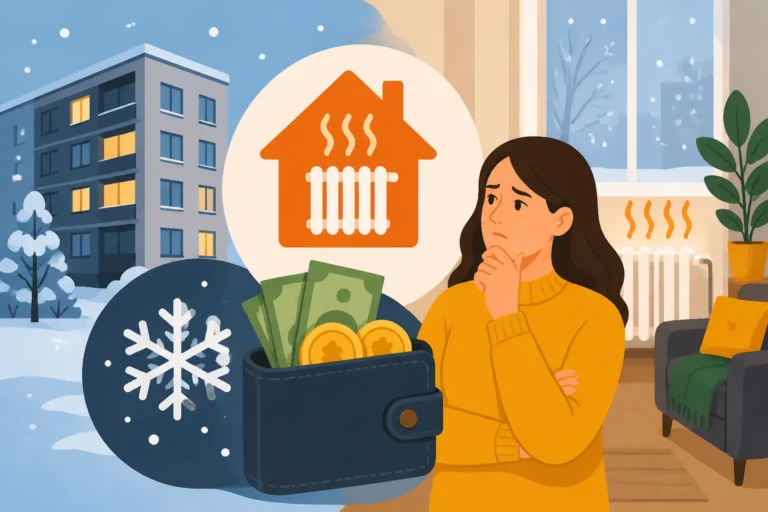
Heating in Lithuania, particularly during the long, chilly winters, is not just a comfort; it's a necessity. The system can vary significantly, and understanding yours is the first step to staying warm.
Central Heating vs. Individual Heating
Many apartments in Lithuania, especially in older buildings and city centres like Vilnius or Kaunas, rely on a central heating system (usually district heating). This means your building, or sometimes a whole block of buildings, is heated by a central plant that circulates hot water through radiators. It’s managed collectively, often by a building administration company. On the other hand, newer constructions and private houses often feature individual heating systems, giving you more control and usually, more precise billing.
- Central Heating (Centralinis Šildymas): This is the most common setup. The local heating company, often a municipal enterprise (like Vilniaus Šilumos Tinklai in Vilnius or Kauno Energija in Kaunas), supplies heat to your entire building. Your radiators will usually turn on and off seasonally, typically from October until April or May, depending on the outside temperature. This means you don't control when the heat comes on or goes off – the building management or the city decides. The upside is usually reliable heat without you having to manage a boiler. The downside is less personal control over temperature and often shared billing, which can sometimes feel unfair if your neighbours are away, yet you’re all splitting the cost. Your rental contract will explicitly state if your apartment has central heating.
- Individual Heating (Individualus Šildymas): This system gives you autonomy. You might have a gas boiler (dujinis katilas) in your apartment, an electric boiler for water, or electric radiators. For gas, you'll need a contract with a gas supplier like Ignitis. For electric heating, you’ll have a separate contract with an electricity provider such as ESO (Energijos Skirstymo Operatorius), which handles the distribution grid, and then a supplier like Ignitis for the actual electricity. This option allows you to adjust your thermostat as you please and switch the heating on or off whenever you like, which is a huge plus for those who prefer specific indoor temperatures or travel frequently. However, you're also responsible for maintenance and the potentially higher costs if not managed efficiently.
Getting Started with Central Heating
If your apartment has central heating, much of the initial setup is handled by the building's administration (often called an administracinė įmonė or bendrijos pirmininkas). This is usually the easiest option for expats, as you won't need to sign a direct contract with the heating supplier yourself.
The heat generally kicks in when the average outdoor temperature consistently drops below a certain threshold (typically around 10°C for three consecutive days) and is turned off when it rises again. Your radiators might have individual thermostats, allowing you to regulate the heat in each room, but they won't work if the central system itself is off.
Billing for central heating often comes through a combined utility bill from your building administrator or a specific communal services company. This bill will include not just heating but potentially water, waste management, and building maintenance fees. It's crucial to understand your rental agreement, as it should clarify how these costs are passed on to you. Sometimes, especially in older buildings, heating costs are split proportionally among residents based on apartment size rather than individual consumption, unless smart meters are installed. Don't be shy about asking your landlord or a trusted Lithuanian friend to help you decipher these complex bills – they can be a headache even for locals! To avoid misunderstandings, make sure you thoroughly review your rental contract (nuomos sutartis) and understand your landlord's and tenant's obligations in Lithuania.
Setting Up Individual Heating Gas or Electric
If your apartment boasts individual heating, congratulations – you have control! But with control comes responsibility for setup and billing.
For gas heating, you'll need to contact the main gas supplier, usually Ignitis. This involves providing your Asmens Kodas (personal code), passport, and rental agreement. They will set up an account in your name. You'll receive monthly bills based on your gas meter readings. It’s imperative to learn how to read your gas meter and submit readings monthly through their online portal, app, or by phone. Missing readings can lead to estimated bills, which might be higher than your actual consumption. Understanding the various service providers and How the Lithuanian Tax Authority VMI Works can sometimes help clarify which entities are responsible for which services.
For electric heating (or electric water heaters), the process is similar. You'll need to set up an electricity contract with an electricity supplier (again, often Ignitis, as they are a major player in the market). The electricity distribution network is managed by ESO. You'll need to provide the same personal documents. Similar to gas, you'll be responsible for reading your electricity meter (or ensuring it's a smart meter that sends readings automatically) and submitting them to avoid estimated bills. Always keep an eye on your consumption, as electricity can be quite costly, especially for heating. This is part of the broader process of How to Set Up Electricity ESO in Your Lithuanian Home.
Remember, with individual heating, you're entirely in charge of your comfort and your wallet. Investing in a smart thermostat, if your system allows it, can really help you manage consumption and save on costs.
Navigating Water Supply and Billing in Lithuania
Water is another essential utility that needs proper setup. While it seems straightforward, the billing and reading process can be a bit different from what you might be used to.
Public Water Supply and Wastewater
Lithuania has well-developed public water supply and wastewater systems. Major cities have their own municipal companies responsible for these services. For instance, in Vilnius, it's Vilniaus Vandenys; in Kaunas, Kauno Vandenys; and in Klaipėda, Klaipėdos Vanduo. These companies ensure clean drinking water reaches your tap and handle the treatment of wastewater.
Typically, as a tenant, you will pay for water consumption directly or through your landlord's arrangement, as specified in your rental contract. In most cases, you'll be billed for both cold water supply and wastewater treatment (which is usually calculated as an equivalent to your cold water consumption). Hot water might be billed separately depending on whether it's heated centrally or individually.
Meter Readings and Bill Payment
This is where many expats get tripped up. Unlike some countries where meters are read by technicians, in Lithuania, residents are usually responsible for submitting their own water meter readings monthly.
How to Read Your Water Meter:
You'll typically have two water meters in your apartment, usually located under the sink in your bathroom or kitchen, or sometimes in a shared utility closet in the hallway. One is for cold water (šaltas vanduo) and one for hot water (karštas vanduo).
- Cold Water Meter: Look for a blue dial or label.
- Hot Water Meter: Look for a red dial or label.
Each meter will have a series of numbers. You usually only need to report the black numbers, ignoring any red numbers or decimals. Take a clear photo of both meters with the readings visible as a backup.
Submitting Readings:
Most water companies offer several ways to submit readings:
- Online Portal: This is the most common and convenient method. You'll need to register an account on the respective water company's website (e.g., Vilniaus Vandenys e-savitarna). You'll typically need your customer number (kliento kodas) which can be found on previous bills or provided by your landlord.
- Mobile App: Some providers offer user-friendly apps for submitting readings and paying bills.
- Phone: You can call their customer service lines, though finding an English-speaking agent might require patience.
- Payment Terminals: Some supermarkets or post offices have Perlas terminals where you can submit readings and pay bills simultaneously.
Payment Options:
Once your readings are submitted and your bill is generated, you have several ways to pay:
- Online Banking: Most Lithuanian banks (like Swedbank, SEB, Luminor) have robust online banking platforms. You can initiate a transfer using the provided bank details and invoice number on your bill. This is also covered in How to Set Up Online Banking and Payments in Lithuania.
- E-banking Portals: Some utility companies have their own payment portals directly integrated into their online services.
- Payment Services: Services like Perlas terminals (found in many shops, supermarkets, and post offices) allow you to pay cash or card. Just bring your bill or know your customer code.
- Direct Debit: If you plan to stay long-term and have a Lithuanian bank account, you might consider setting up a direct debit (tiesioginis debetas) for automatic payments.
It’s generally recommended to submit your readings around the same time each month, usually within the first few days of the new month, to ensure accurate billing. This falls under the general umbrella of Understanding Utility and Communal Costs Komunaliniai Mokesčiai in Lithuania which can be quite a lot to wrap your head around!
Dealing with Hot Water Supply
The hot water situation can be slightly different from cold water, especially if your apartment has central heating.
- Centralized Hot Water: In many older apartment buildings, hot water is supplied centrally, often by the same heating company that provides central heating. This means your hot water might also be subject to seasonal availability, though this is becoming less common as modern systems try to ensure year-round hot water. If it is centrally heated, your hot water meter readings will contribute to a separate charge on your communal utility bill. The cost per cubic meter for hot water is typically higher than cold water because it includes the cost of heating the water.
- Individual Hot Water: If your apartment has an individual gas boiler (dujinis katilas) or an electric water heater (elektrinis vandens šildytuvas / boileris), you’re heating your own hot water. In this case, your hot water consumption will not be separately metered by the water company. Instead, the gas or electricity used to heat the water will be reflected in your gas or electricity bills. This gives you direct control over usage and potentially lower costs if you're mindful of how much hot water you use.
Always clarify with your landlord whether hot water is supplied centrally or individually, and how it’s billed, before you sign anything. This will save you a lot of confusion and potential expense later on.
Essential Steps and Practical Tips for Expats
Navigating utility setup in a new country is rarely seamless. Here's a summary of key steps and advice to make it smoother in Lithuania.
Initial Setup Checklist for Utilities
Before you even think about submitting meter readings, you need to ensure a few things are in order. This checklist should help:
| Step | Description | Key Documents/Information Needed | Who to Contact |
|---|---|---|---|
| 1. Secure an Asmens Kodas | Your personal code is essential for all official services, including utility contracts. | Passport, Temporary Residence Permit (TRP) or EU ID. | Migration Department (MIGRIS) or local municipality (savivaldybė) |
| 2. Sign Your Rental Contract | Ensure your nuomos sutartis clearly outlines who is responsible for utility payments (you or the landlord) and which utilities are included in the rent. | Passport, Asmens Kodas, sometimes employer's letter. | Landlord/Real Estate Agent |
| 3. Declare Your Place of Residence | This is crucial for formalizing your address and often a prerequisite for utility accounts. | Passport, Asmens Kodas, rental contract. | Registrų Centras (Centre of Registers) or local municipality |
| 4. Identify Utility Providers | Find out who the specific heating, water, gas, and electricity providers are for your address. Your landlord is the best source for this information. | Apartment address, landlord's contact details. | Landlord, building administration |
| 5. Transfer Accounts/Set Up New Ones | If individual meters, contact providers (e.g., Ignitis, Vilniaus Vandenys) to transfer accounts into your name. Provide initial meter readings at the start of your tenancy. | Asmens Kodas, passport, rental contract, initial meter readings. | Respective utility provider customer service (online, phone, in-person). |
| 6. Understand Billing Cycles | Know when bills are issued and when payments are due. Mark these dates on your calendar. | Utility bills, provider's website. | Utility provider, landlord |
Remember, getting your Asmens Kodas (personal code) is often the very first administrative hurdle you'll face, and it underpins almost everything else, including utility setups. If you're still figuring that out, you can find a comprehensive guide on How to Get Your Asmens Kodas Personal Code and Why It Matters for Healthcare, which applies to all aspects of life here. Also, don't underestimate the importance of Declaring Your Place of Residence in Lithuania The Complete Guide as it's critical for many services.
Understanding Your Bills and Avoiding Surprises
Lithuanian utility bills can be a bit of a maze, especially with multiple providers and line items. Here are some pointers to demystify them:
- Itemized Costs: Your bill will usually be broken down into specific charges. For water, it'll show cold water consumption, hot water (if centrally supplied), and wastewater. For heating, it will show consumption units (often kilowatt-hours or gigajoules) and sometimes a fixed charge for maintenance of the heating system. Electricity and gas bills are generally simpler, showing consumption in kWh or cubic meters. Look for terms like šildymas (heating), karštas vanduo (hot water), šaltas vanduo (cold water), nuotekos (wastewater), elektra (electricity), dujos (gas).
- Reading Your Bill: Each bill should clearly state your customer number, the billing period, your previous and current meter readings, and the calculated consumption. It will also show the unit price and the total amount due.
- Monitoring Consumption: The best way to avoid bill shock is to regularly monitor your own meter readings and compare them to your bills. Most online portals allow you to track your historical consumption, which is invaluable for budgeting. Consider the overall The Complete Guide to Cost of Living in Lithuania for Expats 2026 and how utilities factor into it.
- Getting Help: If you can't decipher your bill, don't hesitate to ask your landlord, a trusted Lithuanian colleague, or even a local friend for help. Many utility providers have English-speaking customer service representatives, though wait times can vary. Some expat groups on social media are also great resources for translating specific bill items.
Common Challenges and Solutions
You're not alone if you hit a snag. Here are a few common issues and how to tackle them:
- Language Barrier: This is probably the biggest hurdle. Most utility provider websites have an English option, but not all customer service agents are fluent.
- Solution: Prepare your questions in simple English, or even use Google Translate to write them in Lithuanian. Call during off-peak hours for better service. Better yet, if you have a Lithuanian friend or colleague who can help make a call, that’s a lifesaver.
- Seasonal Heating Adjustments: Many expats are surprised by central heating turning off abruptly in spring and not returning until autumn, regardless of a few cold snaps in between.
- Solution: Invest in a good quality electric heater for those "shoulder" seasons (late spring/early autumn) if you tend to get cold easily. Make sure your rental contract allows for this.
- Discrepancies in Readings/Bills: Sometimes, estimated bills can be too high or too low, leading to large adjustments later.
- Solution: Always submit your actual meter readings on time. If you suspect an error, gather photographic evidence of your meter readings and contact the provider immediately. Your landlord can be a valuable ally here.
- Getting All Utilities Connected: Especially when moving into a brand-new apartment or a place where previous tenants didn't transfer accounts properly, getting everything set up can take time.
- Solution: Start the process well in advance of your move-in date. If you're renting, your landlord should facilitate the handover or transfer of accounts. Make sure you get the previous tenant's final readings (or the landlord's confirmation of them) to avoid being billed for their usage. This is part of the broader considerations when you How to Find and Rent Long-Term Accommodation in Lithuania. For a general overview, check out The Expat Guide to Setting Up Utilities in Lithuania.
Setting up heating and water in your Lithuanian apartment might seem daunting initially, but with a bit of patience and this guide, you’ll have your home cozy and comfortable in no time. Remember to keep all your documents organized, especially your Asmens Kodas and rental contract, and don't be afraid to ask for help when you need it.
Disclaimer
Please note that this guide provides general information for expats moving to Lithuania. Regulations and procedures regarding utilities can change, and individual circumstances may vary. While every effort has been made to ensure accuracy, this content should not be considered legal or financial advice. Always consult official sources, utility providers, or a local expert for the most current and personalized information relevant to your specific situation.