How Much Does It Cost to Heat an Apartment in Lithuania in Winter?
Let's be honest, those first few Lithuanian winters hit different, don't they? The crisp autumn air quickly gives way to a serious chill, and suddenly you're not just worried about finding decent mulled wine at the Christmas market, but also dreading that first komunaliniai mokesčiai bill. The fear of sky-high heating costs is a genuine and constant companion for many expats, and it’s a valid concern. This guide is here to unravel the mystery of heating your apartment in Lithuania during the colder months, helping you understand what to expect, how costs are calculated, and what you can do to keep your wallet from freezing over.
The Harsh Reality of Lithuanian Winters and Why Heating is a Big Deal
When I first moved here, I thought I was ready for winter. I grew up in a place that got cold, but nothing quite prepares you for the sustained, bone-deep chill that settles over Lithuania from roughly October right through to April. It's not just a matter of bundling up when you go outside; it's about making sure your home is a sanctuary from the freezing temperatures, icy winds, and often heavy snowfall. This isn't just about comfort; it's about health and well-being.
Understanding the Lithuanian Climate
Lithuania experiences distinct seasons, and winter is arguably the most dominant one. Temperatures often drop well below freezing, routinely hitting -10°C (14°F) and sometimes plummeting to -20°C (-4°F) or even lower during cold snaps. Snow cover is common, and the days are short, meaning you're spending a significant amount of time indoors. The official heating season usually kicks off when the average daily temperature for three consecutive days drops below +10°C, and it ends when it stays above that threshold. This period can easily span six to seven months, making heating a primary and unavoidable expense for a good chunk of the year. You can’t just shrug off the cold; you absolutely need reliable, efficient heating.
The Importance of a Warm Home
For many of us, our homes are our refuge. After battling the elements on your commute or enduring a chilly day out, stepping into a warm, cozy apartment isn't just a luxury; it's a necessity. Imagine trying to work remotely or raise a family in a perpetually cold environment. It's simply not sustainable, nor is it good for your physical or mental health. The emphasis here isn't just on having some heat, but on having adequate heat without feeling like you're literally burning money. Expats often come from countries where heating might be less expensive or included in rent, so this direct, often significant, cost can be a real eye-opener and a source of considerable anxiety.
Deciphering Your Heating Bill: Factors That Influence Costs
Understanding your heating bill in Lithuania can feel like cracking a secret code, especially with all the nuances of centralized systems, individual meters, and shared building costs. It's not a straightforward equation, and several factors play a crucial role in determining what you'll pay each month. Knowing these elements is the first step to gaining some control over your winter expenses.
Types of Heating Systems
The type of heating system in your apartment is perhaps the most significant determinant of your bill.
- Centralized Heating (Centralizuotas šildymas): This is by far the most common system in Lithuanian apartment buildings, especially in older constructions and many newer developments in cities like Vilnius and Kaunas. The heat is supplied by a district heating network, often powered by natural gas, biomass, or a combination. The cost is regulated by the state, usually through companies like Ignitis. Here’s the tricky part: your building’s overall consumption is measured, and then distributed among residents based on various factors. Some buildings have individual heat meters on each radiator, allowing for more precise measurement of your personal consumption. However, many older buildings still distribute costs based on apartment size (square meters) and complex formulas that account for common areas, heat loss from exterior walls, and even your neighbours' consumption patterns. This can be frustrating because you might feel like you're paying for heat you're not using, or you're subsidizing less efficient apartments in your building.
- Individual Gas Heating (Dujinis šildymas): Less common in large apartment blocks but prevalent in newer, smaller apartment buildings or private houses. With individual gas heating, you have your own gas boiler, and you control your thermostat directly. This offers much more control over your consumption and therefore your costs, as you only pay for the gas you use. The downside is that you are also solely responsible for boiler maintenance and any breakdowns. Gas prices are also subject to market fluctuations, though usually less volatile than electricity.
- Electric Heating (Elektrinis šildymas): While convenient for supplemental heating (think electric heaters in a drafty room), using electricity as your primary heating source is generally the most expensive option in Lithuania. Electricity prices, while varying by provider (like Ignitis or Elektrum Lietuva), are typically higher per unit of energy compared to district heating or natural gas. Unless your apartment is extremely well-insulated and very small, or you have access to a highly efficient heat pump, electric heating for an entire apartment can lead to eye-watering bills. Most people avoid this for their main heating.
Apartment Size and Insulation
This is where common sense meets Lithuanian reality. A larger apartment, naturally, requires more energy to heat. However, the age and construction quality of your building play an even more critical role.
- Older Buildings (Soviet-era constructions): Many apartments in Lithuania are in older, often concrete panel buildings from the Soviet era. While many have undergone renovations, some still suffer from poor insulation, drafty windows, and inefficient heating distribution systems. In such buildings, a significant amount of heat can simply escape, leading to higher consumption and larger bills for the same level of warmth. You might find yourself cranking up the heat only for it to disappear through cracks or thin walls.
- Newer Buildings: Modern apartment blocks, especially those built in the last 10-15 years, typically boast much better insulation, energy-efficient windows, and more advanced heating control systems. These features significantly reduce heat loss, meaning your apartment stays warmer with less energy input, translating into lower heating costs for a comparable living space. The difference can be stark – a newer 50 sq. meter apartment might be cheaper to heat than an older 30 sq. meter one.
When you're looking for an apartment, always ask about the energy efficiency class (often indicated on a certificate) and the heating system. This information is crucial for understanding potential costs, and knowing what to ask for is key when dealing with landlords or real estate agents. For more on navigating the rental market, check out our guide on How Much Does It Cost to Rent an Apartment in Vilnius in 2026?.
Your Habits and Energy Efficiency
Even with the most efficient heating system, your personal habits will significantly impact your monthly bill.
- Thermostat Settings: Cranking the thermostat up to tropical temperatures will, of course, increase your consumption. Finding a comfortable balance, perhaps 20-22°C during the day and slightly lower at night, can make a difference.
- Window Management: Opening windows for long periods when the heating is on is like throwing money out the window. Ventilate quickly and efficiently.
- Radiator Usage: Don't block radiators with furniture or heavy curtains, as this prevents heat from circulating effectively.
- Drafts: Even small drafts from windows or doors can lead to significant heat loss. Simple solutions like weatherstripping or heavy curtains can help.
- Building-specific rules: If you have centralized heating without individual meters, trying to "save" by turning down your radiators can sometimes backfire. In some older systems, this just forces the system to work harder to heat the overall building, and you still get a significant portion of the shared bill. It's a complex dance with your neighbours and the building's bendrija (apartment association).
Fluctuating Energy Prices
Just like anywhere else, energy prices in Lithuania are subject to global markets and local regulations. The cost per kilowatt-hour (kWh) for district heating, natural gas, and electricity can change. While district heating prices are often somewhat buffered by government regulation and long-term contracts for fuel, they are not immune to increases. Natural gas and electricity prices can be more volatile, especially given geopolitical events impacting energy supplies. It’s always a good idea to keep an eye on current market trends, though as a tenant, your direct influence might be limited.
Practical Strategies for Managing Winter Heating Expenses
Once you've wrapped your head around the different heating systems and cost factors, the next step is to get proactive. While some elements are beyond your control as a tenant, there are plenty of practical steps you can take to manage and potentially reduce your winter heating expenses.
Decoding Your Bill and Understanding Meter Readings
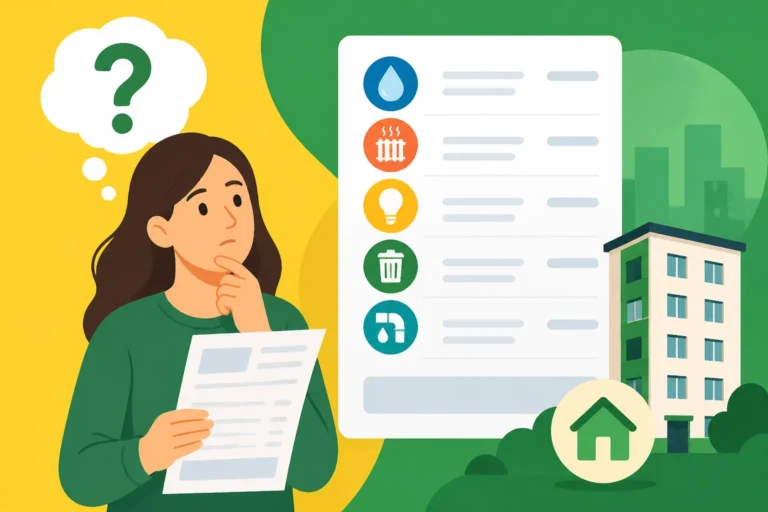
Receiving your first Lithuanian utility bill, or komunaliniai mokesčiai, can be a bewildering experience. They're often packed with various charges, and if you don't speak Lithuanian, it can feel impenetrable.
- Components of the Bill: Your heating portion of the bill will typically be listed under "Šildymas" (heating). If you have centralized heating, there might be separate lines for actual heat consumption (based on meters or square footage), and possibly a fixed charge for maintaining the heating system. For individual gas heating, you'll see charges for gas consumption (kub. metrai or kWh), fixed distribution fees, and potentially a monthly service charge.
- Meter Readings: If your apartment has individual heat meters (on radiators) or a gas meter, make sure you understand how to read them. Often, the building manager or the utility company will take readings, but it's wise to keep track yourself to cross-reference. If your building uses allocated costs based on area, then meter readings are less relevant for your individual apartment, but the overall building consumption is still metered.
- Asking for Help: Don't be afraid to ask your landlord, building manager (pirmininkas), or a trusted Lithuanian-speaking friend to help you interpret your bill initially. The utility companies themselves, such as Ignitis, are increasingly offering English-speaking customer service, especially in larger cities like Vilnius. They can help you understand the charges if you call them directly. This is a critical step, as understanding your bill allows you to identify any discrepancies and take appropriate action. For a deeper dive into all your utility bills, our guide on How Do I Understand My Komunaliniai Mokesčiai (Utility Bills) in Lithuania? is a must-read.
Energy-Saving Tips for Expats
Even if your apartment isn't the most energy-efficient, there are still ways to minimize heat loss and manage your consumption.
- Layer Up Indoors: This might sound obvious, but resist the urge to blast the heating and walk around in a t-shirt. Wear sweaters, thick socks, and use blankets. Every degree you can comfortably reduce your thermostat setting translates into savings.
- Seal Drafts: Check windows and doors for drafts. Simple, inexpensive weatherstripping tape can make a huge difference, especially in older buildings. Heavy curtains at night can also provide an extra layer of insulation against cold windows.
- Smart Ventilation: Don't leave windows open for hours. Instead, open them wide for 5-10 minutes a few times a day to allow for quick air exchange without significantly cooling down walls and furniture.
- Radiator Reflectors: Behind radiators on exterior walls, placing reflective foil insulation can help bounce heat back into the room instead of letting it escape through the wall.
- Close Doors: Keep doors to unused rooms closed to prevent heat from escaping into areas that don't need to be as warm.
- Consider a Humidifier: Dry air feels colder. Adding some humidity to your apartment can make the air feel warmer and more comfortable at a slightly lower temperature.
- Use Natural Light: Open curtains and blinds during the day to let natural sunlight in, which provides passive heating. Close them at dusk to trap the heat inside.
Exploring Government Support and Subsidies
Lithuania does have a system of heating subsidies (šildymo kompensacija) designed to help low-income households manage their energy bills. While these are primarily aimed at Lithuanian citizens and permanent residents, some expats might be eligible depending on their income and residence status.
- Eligibility: Generally, eligibility for heating subsidies is based on your income per household member compared to state-supported income levels. If your heating costs exceed a certain percentage of your disposable income (after housing-related expenses are deducted), you might qualify.
- Application Process: You would typically apply through your local municipality (savivaldybė) social support department. The process usually involves submitting documents proving your income, household composition, and residency status. Be prepared for some bureaucracy and potentially needing assistance with Lithuanian language forms.
- Important Note for Expats: While theoretically open to all legal residents, the criteria can be strict, and the application process requires significant documentation. It's not a common resource for short-term expats or those on higher incomes, but it's good to be aware it exists, particularly if your circumstances change or you are here long-term and facing financial hardship.
Real-World Costs and Budgeting for the Chill
Let's get down to the numbers. What can you realistically expect to pay, and how should you budget for those chilly Lithuanian winters? Keep in mind that these are averages, and your actual costs will vary widely based on all the factors we've discussed. Before you even arrive, planning your move carefully can save you headaches and help you anticipate costs. Services like Sirelo, which help you compare moving companies, can be invaluable in budgeting for your relocation, so you don't get caught off guard by the total cost of settling in, including those hefty winter bills.
Average Heating Costs by City and Apartment Type
Based on recent data and expat experiences, here's a general idea of heating costs for a standard apartment during the peak winter months (December-February):
| Apartment Size (m²) | Location | Type of Building | Estimated Monthly Heating Cost (EUR) | Notes |
|---|---|---|---|---|
| 30-40 | Vilnius | Older, unrenovated | 60-100 | Significant variation, poor insulation. |
| 30-40 | Vilnius | Newer, well-insulated | 40-70 | More efficient, better control. |
| 50-60 | Vilnius | Older, unrenovated | 100-150 | Can be higher if very poorly insulated. |
| 50-60 | Vilnius | Newer, well-insulated | 70-110 | Modern efficiency makes a big difference. |
| 70-80 | Vilnius | Older, unrenovated | 140-200+ | Large spaces in old buildings are expensive to heat. |
| 70-80 | Vilnius | Newer, well-insulated | 100-150 | Still substantial, but proportional to efficiency. |
| 30-60 | Kaunas | Mixed | 50-120 | Generally slightly lower than Vilnius, but same principles apply. |
| 30-60 | Klaipėda | Mixed | 50-110 | Coastal areas can feel colder due to wind, but prices comparable. |
Important Considerations:
- These figures are for heating alone and do not include electricity, water, gas (if separate for cooking/hot water), or building maintenance fees.
- The heating season typically runs from mid-October to mid-April. So, you'll have 6-7 months of these higher costs. The shoulder months (October/April) will be lower than the peak months.
- A "renovated" older building often means better insulation, new windows, and upgraded heating systems, which significantly reduces costs compared to an untouched Soviet-era block. Always ask if the building has undergone "renovacija."
How to Budget for Winter
Budgeting is crucial for avoiding unpleasant surprises.
- Seasonal Fluctuations: Understand that your overall utility bill will fluctuate wildly throughout the year. It will be much lower in summer (perhaps 30-50 EUR for water, electricity, trash, common area fees) and significantly higher in winter when heating kicks in.
- Average it Out: Some expats find it helpful to estimate their total annual utility costs (summer + winter) and divide by 12 to get a monthly average to set aside. This way, you're not shocked by the massive winter bills.
- Ask Your Landlord: Before signing a lease, always ask your landlord for past winter utility bills for that specific apartment. This is the single best way to get a realistic estimate. Don't rely on generic averages; get actual numbers for the property you're considering. This is invaluable information.
- Factor into Rent: If you have an all-inclusive rent, fantastic! But if utilities are separate, treat them as a significant additional cost. Many expats underestimate this. For more on overall living expenses, our guide on The Complete Guide to Cost of Living in Lithuania for Expats (2026) can provide a broader financial picture.
Beyond Heating: Other Winter Utility Costs
While heating is the big one, remember there are other utilities that might see increased usage or associated costs during winter:
- Electricity: You might use more electricity for lighting (shorter days), running additional small heaters if your main heating isn't enough, or for electronic gadgets during increased indoor time.
- Hot Water: If your hot water is heated centrally or by an electric boiler, there might be slightly increased costs as the incoming water is colder, requiring more energy to heat up.
- Gas (for cooking): If you use gas for cooking, this will likely remain fairly consistent year-round.
- Common Area Maintenance: Your building's bendrija (apartment association) might have higher common area costs in winter for snow removal, increased electricity for lighting, or maintaining shared heating systems. These are usually included in your komunaliniai mokesčiai.
When you're first settling in, you'll be constantly on your phone, whether it's looking up information about utility providers, understanding your first komunaliniai mokesčiai statement, or just staying connected with family and friends. Having reliable internet and phone service, perhaps even with an eSIM from a provider like Airalo, can be a real lifesaver for all that research and communication, ensuring you're not left in the cold technologically, either. Getting your utilities set up is one of the foundational tasks when you move, and you can find comprehensive advice in The Expat Guide to Setting Up Utilities in Lithuania.
Lithuanian winters are no joke, but with a good understanding of how heating works, what influences costs, and some savvy strategies, you can stay warm and keep those bills manageable. It's all part of the expat adventure here, and trust me, there's nothing quite like the satisfaction of a cozy home after a truly Baltic winter's day.
Disclaimer
The information provided in this article is intended for general guidance only and does not constitute professional financial or legal advice. Heating costs are subject to change based on energy prices, specific apartment characteristics, individual consumption habits, and government regulations. It is highly recommended to consult with your landlord, building administration, or relevant utility providers for the most accurate and up-to-date information regarding your specific situation in Lithuania. Always review your rental contract thoroughly for details regarding utility payments.