How Do I Transfer Utility Bills to My Name When Renting in Lithuania?
Moving to a new rental in Lithuania is exciting, but let's be honest, the thought of grappling with utility transfers can feel like a bureaucratic nightmare. Many expats arrive here, keys in hand, only to discover that setting up the basics like electricity, water, and internet isn't always as straightforward as back home. This guide is here to walk you through the often-confusing process of transferring utility bills into your name, offering practical, step-by-step advice to ensure you stay warm, lit, and connected without unnecessary headaches.
The Initial Hurdles: Why Transferring Utilities Can Feel Like a Gauntlet
I remember my first move here; the sheer number of companies and the specific Lithuanian terms for everything made my head spin. It’s not just about paying the bills, it’s about formally taking responsibility, and if you don't do it right, you could end up with unpaid bills from the previous tenant or even a disconnected service. The system is designed for long-term residents, so foreigners often face extra layers of complexity, from language barriers to simply not knowing which authority handles what.
Understanding the Lithuanian Utility Landscape
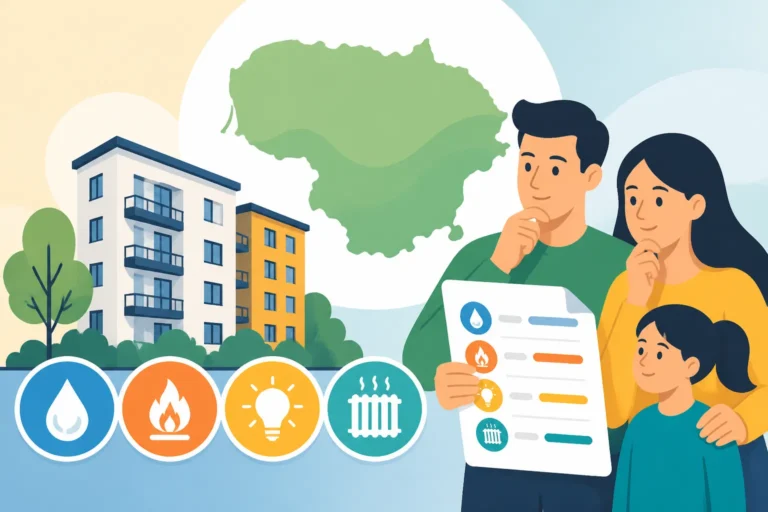
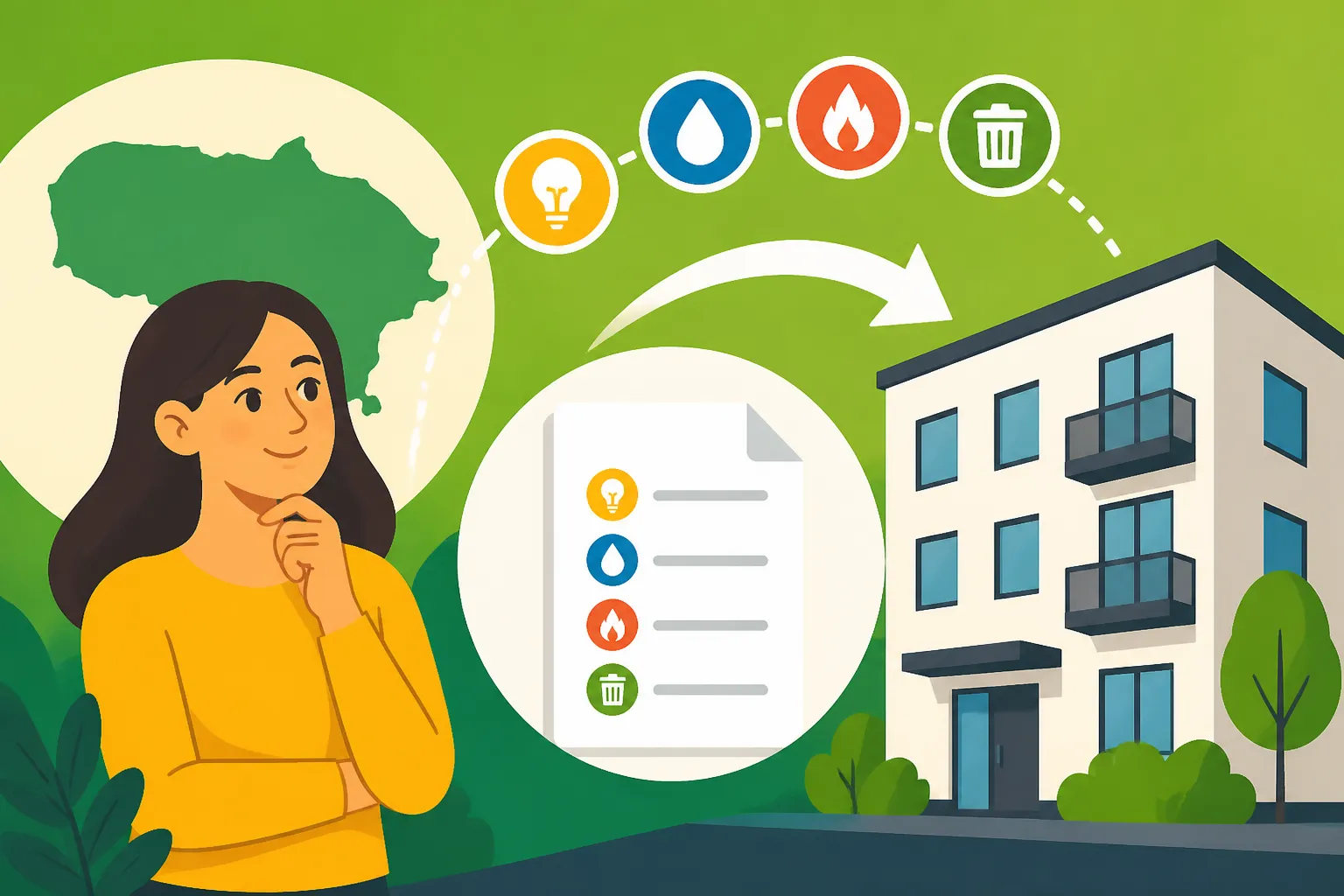
Lithuania's utility system, like many European countries, has several distinct providers for different services. It's not usually a single "utility company" that handles everything. You'll typically deal with separate entities for electricity, gas, heating, water, and waste. Each has its own procedures, customer service channels, and, of course, its own set of forms. This fragmented approach means you can’t just make one phone call and get everything sorted; it requires a bit more legwork and patience.
For instance, electricity is primarily managed by ESO (Energijos Skirstymo Operatorius), the national electricity distribution network operator. Heating often falls under municipal enterprises like Vilniaus Šilumos Tinklai (Vilnius Heating Network) or Kauno Energija, depending on your city, as district heating is very common here. Water and waste are handled by local municipal companies, like Vilniaus Vandenys for Vilnius residents. Navigating these individual entities, especially if your Lithuanian isn't fluent, is where many expats get stuck. Understanding these distinct roles is the first step in avoiding frustration. You might also want to check out our broader guide on Understanding Utility and Communal Costs (Komunaliniai Mokesčiai) in Lithuania for a complete picture of what to expect financially.
When to Act: Timing Your Utility Transfer
Timing is absolutely crucial when it comes to transferring utilities. Ideally, you want to initiate this process as soon as your rental contract (nuomos sutartis) is signed and you have declared your place of residence. Don't wait until the first bill arrives! If you delay, you risk accumulating charges under the previous tenant's name (which can lead to disputes) or, worse, finding yourself without essential services.
Most landlords will expect you to take over the utility contracts promptly after you move in. Some might even assist you with the initial steps, especially if they have good relationships with the service providers or if they've had foreign tenants before. Always clarify this with your landlord during the lease signing. What you don't want is to miss important deadlines, as some companies might require the transfer to be completed within a certain number of days after the lease begins to avoid service interruption or penalties. It's a bit like settling into a new routine – you want to get everything established so you can focus on enjoying your new home. This is also a good time to make sure you've formally completed your Declaring Your Place of Residence in Lithuania: The Complete Guide, as proof of address might be needed.
Step-by-Step: Transferring Electricity, Gas, and Water
Now, let's get into the nitty-gritty of transferring the fundamental utilities. This is where your Asmens Kodas (Personal Code), if you have it, will come in handy, along with your rental contract.
Electricity (ESO) – Your Power Play
Electricity is usually the first utility you'll want to tackle. In Lithuania, ESO manages the distribution, but you also choose an independent electricity supplier. When you move in, the meter is usually already connected, but the account needs to be transferred to your name.
- Contact ESO (Energijos Skirstymo Operatorius): You'll need to contact ESO to register as the new user. Their website (eso.lt) has information, but for non-Lithuanian speakers, a direct call or a visit to a customer service center is often more effective. They do have English-speaking staff, but sometimes it takes a bit of patience.
- Provide Documentation: Be prepared to provide:
- Your Asmens Kodas (personal code).
- A copy of your rental agreement (nuomos sutartis).
- Your contact information (phone, email).
- The address of the property.
- Crucially, the meter readings on the day you take possession. Take a clear photo of the meter for your records!
- Choose an Electricity Supplier: After registering with ESO, you'll need to choose an actual electricity supplier. Lithuania has an open market for electricity, meaning you can choose from several private companies. The largest are Ignitis and Enefit, but there are others. Compare their plans and prices – some offer fixed rates, others variable. Once you choose, that supplier will handle your billing. They will often require similar documentation to ESO.
- Confirm the Transfer: Make sure you receive confirmation that the account is in your name. You should get login details for an online portal where you can submit future meter readings and view bills. This online portal is a game-changer for managing your consumption and payments, so ensure you get it set up. We've got a dedicated guide on How to Set Up Electricity (ESO) in Your Lithuanian Home that delves even deeper into this.
Gas and Heating – Staying Warm and Connected
If your apartment uses gas for cooking or heating, you'll need to transfer that as well. For central heating, it's usually less of a "transfer" and more of an "acknowledgement" with the building management or the city heating company.
- Identify the Gas Provider: For natural gas, the main provider is usually Ignitis. Check previous bills at the apartment to confirm.
- Contact Ignitis (or relevant provider): Similar to electricity, you'll need to contact them to put the account in your name.
- Required documents will be similar: Asmens Kodas, rental agreement, contact details, and the meter reading on your move-in date. Again, take a photo!
- Central Heating: If your building uses central heating (which most apartments in cities like Vilnius and Kaunas do), you won't have individual meters to transfer in the same way. The bills for central heating are typically issued by the city's heating network company (e.g., Vilniaus Šilumos Tinklai) to the apartment owner, and then redistributed to tenants, often through the building's administrator.
- Crucial Step: Inform your landlord and the building administrator (if there is one, often a 'Bendrija' or a property management company) that you are the new tenant. They will ensure the heating bills are addressed to your apartment and that you receive them, even if the primary contract remains with the owner. Clarify how these bills will reach you and how they should be paid.
- In some rare cases, for older buildings or specific types of heating, you might have individual meters. Always confirm this detail with your landlord or a neighbour.
Water and Waste – The Essentials
These are often managed by local municipal companies and are relatively straightforward to transfer, or at least to ensure you receive the bills.
- Water (Vandenys): The main water supply companies are municipal, like Vilniaus Vandenys, Kauno Vandenys, or Klaipėdos Vanduo.
- Contact the local water company: Provide your Asmens Kodas, rental agreement, and the initial meter readings (cold and hot water) from your move-in day.
- Payment Method: Many water companies allow you to report readings online and pay directly through their portal or via e-banking. They typically bill monthly or quarterly.
- Important Note: In many apartment buildings, water meters are read by tenants themselves and submitted to the water company or the building administrator. Make sure you understand this system to avoid estimated bills.
- Waste (Atliekos): Waste collection and recycling are usually managed by municipal waste management companies or contractors, like UAB "Ecoservice" or "Ekonovus."
- Often Included in Communal Bills: For apartments, waste collection is frequently included in your general "communal bills" (komunaliniai mokesčiai) that come from your building administrator or directly from the service provider, often as a fixed fee per person or per square meter.
- Clarify with Landlord/Administrator: Again, it's essential to clarify with your landlord or building administrator how waste services are billed and how you will pay your share. You might not have a separate "account" to transfer but need to ensure your presence is registered so the correct charges are applied to your apartment. Our guide on How to Set Up Waste and Recycling Collection in Lithuania has more details.
| Utility Service | Primary Provider (Examples) | Key Information Needed | What to Do |
|---|---|---|---|
| Electricity | ESO (distribution), Ignitis, Enefit (suppliers) | Asmens Kodas, Rental Agreement, Meter Reading | Contact ESO to register, choose a supplier, set up online account. |
| Natural Gas | Ignitis | Asmens Kodas, Rental Agreement, Meter Reading | Contact Ignitis to transfer account, provide meter reading. |
| Central Heating | Vilniaus Šilumos Tinklai, Kauno Energija (municipal) | Rental Agreement, Address | Inform landlord/building administrator to ensure billing. |
| Water | Vilniaus Vandenys, Kauno Vandenys (municipal) | Asmens Kodas, Rental Agreement, Meter Reading | Contact local water company, register readings, pay bills. |
| Waste | Ecoservice, Ekonovus (municipal contractors) | Rental Agreement, Number of residents | Clarify billing with landlord/building administrator; often communal. |
Internet, Mobile, and Other Services: Staying Connected
Beyond the bare necessities, staying connected is paramount for any expat. Luckily, these services are generally easier to set up.
Mobile and Internet Providers
Lithuania boasts excellent internet infrastructure, and you'll find plenty of competitive providers. For mobile, the big three are Telia, Bitė, and Tele2. For home internet, Telia is dominant, but you'll also find smaller regional players and services from the mobile operators.
- Research and Compare: Look into plans for both mobile and home internet. Prices and speeds are generally good. Many providers have English-language websites or customer service.
- Mobile SIM Card: You can easily pick up a pre-paid SIM card from any kiosk (Narvesen, Maxima, Iki) or a provider's store the day you arrive. This is a quick fix to get connected while you sort out other things. For a more long-term plan, you'll need your Asmens Kodas and often proof of residence for a contract. For travelers, services like Airalo offer eSIMs which can be a lifesaver for immediate connectivity upon arrival, without having to hunt for a physical SIM card.
- Home Internet:
- Check Availability: First, confirm which providers service your specific address. Your landlord might have a recommendation or even an existing connection you can take over.
- Documentation: You'll need your Asmens Kodas and rental agreement.
- Installation: Most providers offer installation services. This might take a few days, so plan ahead. You can explore options like How to Set Up Home Internet and TV in Lithuania for a deeper dive.
- Bundles: Many providers offer bundles (internet + TV + mobile) which can be cost-effective.
Waste Management and Other Communal Fees
While we touched on waste earlier, it's worth reiterating that many services in an apartment building come under "communal fees" (komunaliniai mokesčiai) rather than individual transfers.
- Building Administration Fees: These cover the general upkeep of the building, stairwells, lifts, and sometimes even minor repairs. They are usually charged monthly by the building administrator or residents' association (bendrija).
- Renovation Funds: Some buildings collect a monthly fee for future renovations. This is usually mandatory for all residents.
- How to Pay: These communal bills are often delivered physically to your mailbox or available via an online portal provided by the building administrator. Your landlord should explain how these are managed and how you should pay your share. Sometimes, the landlord prefers to pay these directly and then adds your share to your rent payment, or you pay the administrator directly. Ensure this is clearly stipulated in your How to Sign a Rental Contract (Nuomos Sutartis) in Lithuania.
Troubleshooting and Tips for a Smooth Transition
Even with all the preparation, things can sometimes go awry. Here’s how to navigate potential bumps in the road.
Common Pitfalls and How to Avoid Them
- Language Barrier: This is the big one. Many utility company customer service lines operate primarily in Lithuanian. Always ask if they have an English-speaking representative. If not, consider asking a Lithuanian-speaking friend or colleague for help, or use translation apps.
- Missing Meter Readings: Failure to provide accurate meter readings on the day you move in (and move out!) can lead to disputes about who owes what. Always take photos with a timestamp.
- Unclear Landlord Agreement: Ensure your rental contract clearly states your responsibilities regarding utility payments and transfers. Don't assume anything.
- Identity Verification Issues: If you're a very new arrival and haven't fully processed your How to Get Your Asmens Kodas (Personal Code) and Why It Matters for Healthcare, some providers might be hesitant to set up services. You might need your residence permit or passport.
- Online Portals: Most Lithuanian utility companies rely heavily on online customer portals for meter readings and bill payments. Get your login details sorted as soon as possible.
- Moving Companies: When organizing your move to Lithuania, think about logistics. While transferring utilities isn't something a moving company handles directly, a reliable international moving service like Sirelo can help ensure your belongings arrive safely and on schedule, freeing you up to focus on administrative tasks like these.
Language Barriers and Where to Find Help
Navigating the local administrative landscape in a new language is tough. Here are some strategies:
- Google Translate / DeepL: These are invaluable for deciphering websites and emails.
- Friends & Colleagues: Don't be afraid to ask for help from Lithuanian speakers you trust. A quick phone call on your behalf can save hours of frustration.
- Landlord Assistance: A good landlord will often help with the initial setup or at least guide you through the process. Ensure this is discussed before signing the lease.
- Expat Groups: Online expat groups for Lithuania (on Facebook, for example) are a goldmine of information. Many experienced expats are happy to share their tips and even recommend English-speaking contacts at utility companies.
- Professional Services: If you’re really struggling, there are relocation services in major cities like Vilnius and Kaunas that can assist with utility transfers for a fee.
Ultimately, transferring utility bills when renting in Lithuania requires diligence and a little proactive effort, but it’s entirely manageable. By understanding the system, gathering your documents, and not being afraid to ask for help, you'll have your new home running smoothly in no time.
Disclaimer
Please remember that this guide provides general information for expats moving to Lithuania. While we strive for accuracy, utility company policies and regulations can change. Always verify the latest requirements directly with the service providers or consult a local expert for personalized advice.