How Do I Find Apartments for Sale in Central Vilnius?
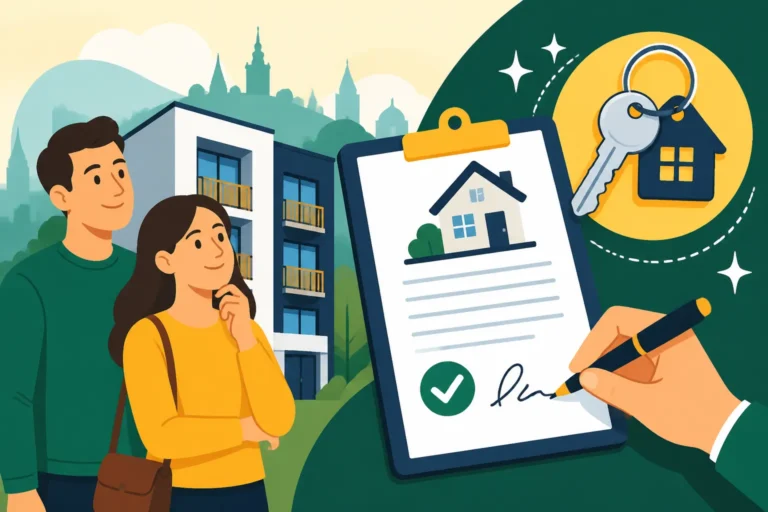
The dream of owning a piece of central Vilnius is something many expats cherish, yet the reality of navigating the Lithuanian real estate market, especially in prime locations, can feel like wandering through an enchanted, albeit slightly confusing, forest. From deciphering local listings to understanding the legal nuances, finding that perfect apartment requires insider knowledge and a fair bit of patience. This guide will walk you through exactly how to unearth those hidden gems and navigate the path to homeownership in the heart of Lithuania's vibrant capital.
Understanding What "Central Vilnius" Really Means
When we talk about "Central Vilnius," we're not just referring to one monolithic area. The city center is a rich tapestry of distinct neighborhoods, each with its own character, price points, and property types. Understanding these nuances is crucial for narrowing down your search and setting realistic expectations.
The Charm and Challenges of Senamiestis Old Town
Ah, the Old Town, or Senamiestis – the UNESCO World Heritage site that draws everyone in. This is truly the heart of Vilnius, with its cobblestone streets, Gothic, Renaissance, and Baroque architecture, and an undeniable historical charm. Properties here range from beautifully renovated, centuries-old apartments with high ceilings and exposed brick to those requiring significant love and attention.
Living in the Old Town means being steps away from cultural landmarks, cozy cafes, and vibrant nightlife. You'll find a mix of smaller, often older, apartments tucked away in courtyards, as well as more spacious, grand residences. However, this prime location comes at a premium. Prices per square meter are consistently the highest in the city, and parking can be a considerable challenge, often requiring special permits or private arrangements. It's also worth noting that while charming, older buildings can sometimes come with higher maintenance costs and fewer modern amenities unless they've undergone recent, comprehensive renovations.
Modern Living in Naujamiestis New Town
Just west of the Old Town, you'll find Naujamiestis, or New Town, which offers a stark contrast in architectural style and living experience. This area is characterized by a blend of late 19th and early 20th-century buildings, Soviet-era structures, and a growing number of sleek, modern residential and commercial developments. It's often considered the business and cultural hub, housing numerous offices, theaters, and trendy restaurants.
Naujamiestis appeals to those looking for more contemporary living spaces, often with amenities like underground parking, balconies, and open-plan layouts that are harder to find in the Old Town. It's still incredibly central, with excellent public transport links and easy access to shops and services. While generally more affordable than the Old Town, prices here have been steadily climbing, particularly in newly developed residential projects. The atmosphere is bustling and dynamic, attracting a younger, professional crowd.
Emerging Trends in Šnipiškės
North of the central business district lies Šnipiškės, a fascinating neighborhood undergoing rapid transformation. Historically known for its wooden houses and village-like feel, parts of Šnipiškės are now home to ultra-modern high-rises, gleaming office towers, and chic residential complexes. It's a juxtaposition of old and new that offers unique opportunities.
If you're looking for a brand-new apartment with cutting-edge design, panoramic views, and amenities like gyms and concierge services, the modern areas of Šnipiškės are worth exploring. The prices here can be competitive, especially in the newer developments, often offering more square footage for your money compared to the Old Town or prime Naujamiestis. The older, charming wooden houses are often protected heritage sites, making them rare finds and more challenging to renovate. Access to the Neris river promenade and proximity to the city center are major draws for this evolving district.
Green Oases of Žvėrynas
Žvėrynas, situated on the bend of the Neris River, offers a more tranquil, almost suburban feel, yet it's still remarkably close to the city center. It's known for its tree-lined streets, wooden villas, and beautiful parks, making it a favorite for families and those who appreciate greenery and a quieter pace of life without sacrificing centrality.
Properties in Žvėrynas tend to be larger, often detached houses or spacious apartments in low-rise buildings. There are also some newer, exclusive developments. The architectural style here is distinct, with many ornate wooden houses giving the neighborhood a unique, picturesque quality. While quieter, it boasts excellent schools, local shops, and easy access to both the city center and larger green spaces. Prices can be quite high, reflecting the desirability of this peaceful, green enclave.
The Search Process: Where and How to Look for Apartments
Finding an apartment for sale in a specific, desirable area like central Vilnius isn't always as straightforward as it might seem. You’ll encounter a few different avenues, each with its own advantages and quirks.
Online Property Portals: Your First Port of Call
The vast majority of property listings in Lithuania, whether for rent or sale, can be found on a few key online portals. Your journey will almost certainly begin here. The most prominent one is Aruodas.lt. Other popular sites include Nekilnojamas Turtas.lt and sometimes general classifieds like Skelbiu.lt, although the latter is less specialized for real estate.
These portals are your best friends for getting a feel for the market, current prices, and available properties. Don’t be intimidated if many listings are in Lithuanian. Most modern browsers offer translation services that, while not perfect, will give you enough to understand the basics. Look for key terms like "parduodu butą" (apartment for sale), "Vilnius centras" (Vilnius center), and then filter by specific neighborhoods like "Senamiestis," "Naujamiestis," or "Žvėrynas." Pay close attention to the number of rooms, square footage (kv. m.), and the asking price. Remember, these prices are often negotiable, but not always dramatically so in a hot market. It’s also crucial to note if the price is listed as buto kaina (apartment price) or kaina už kvadratinį metrą (price per square meter), as this can quickly clarify value.
Leveraging Real Estate Agents and Brokers
For expats, a good local real estate agent can be an absolute game-changer, especially when looking in competitive areas like central Vilnius. While it's possible to find properties listed directly by owners, most serious sellers use agents, and trying to navigate the system without one can lead to frustration and missed opportunities. You might find it helpful to connect with an agent who specializes in working with international clients. Many agents in Vilnius, particularly those associated with larger firms, speak excellent English. If you’re not sure where to start, looking for a reliable and English-speaking agent is a crucial step that can save you immense hassle.
An agent can help you in myriad ways:
- Access to exclusive listings: Some properties aren't publicly advertised and are only shared within agent networks.
- Negotiation: They can act as an intermediary, advocating for your interests and negotiating the best possible price and terms.
- Local insights: They know the market trends, the actual value of properties in different micro-locations, and potential pitfalls.
- Paperwork and legalities: They can guide you through the complex Lithuanian legal and administrative processes.
- Language barrier: They bridge the language gap with sellers, notaries, and other parties.
Expect to pay a commission, usually a percentage of the sale price (often 1-3%), paid by the seller, but sometimes a buyer’s agent may have a separate fee arrangement. Always clarify this upfront. Finding the right agent can be as important as finding the right apartment. As you prepare for your move and look into all aspects of settling in, considering moving and relocation services is also a good idea. Platforms like Sirelo can provide valuable comparisons and resources for the logistics of international moves, helping you budget and plan effectively once your purchase is secured.
Exploring Developer Projects: New Builds
Central Vilnius, especially in areas like Naujamiestis and Šnipiškės, is continuously seeing new residential developments. If you're looking for a brand-new apartment with modern amenities, warranties, and often a choice of finishes, contacting developers directly can be a great option. Many developers have sales teams that cater to international buyers and can provide information in English.
New builds often come with specific advantages:
- Modern infrastructure: Better insulation, energy efficiency, and contemporary layouts.
- Guarantees: Developers typically offer guarantees on construction and materials.
- Less renovation work: You move into a finished space, often with options to personalize interior design.
- Amenities: Access to underground parking, storage, and communal areas.
However, new developments might involve waiting periods if the project is still under construction, and your ability to customize might be limited to what the developer offers. It's always wise to research the developer's reputation and past projects before committing.
Navigating the Purchase Process in Lithuania
Once you've found an apartment you love, the real work begins: the purchase process. This involves several critical steps, from securing financing to legal checks and the final notary signing. It can be a bureaucratic maze, but with the right guidance, it's entirely manageable.
Financial Planning and Mortgages for Foreigners
Unless you're paying cash, securing a mortgage is a crucial first step. Lithuanian banks like Swedbank, SEB, and Luminor offer mortgages to foreign residents, but the requirements can be stringent. You'll typically need a stable income, a good credit history, and a significant down payment (often 15-20% for residents, sometimes more for non-residents).
It's highly recommended to get pre-approved for a mortgage before you start seriously looking. This gives you a clear budget and shows sellers you're a serious buyer. The process will involve providing extensive documentation, including proof of income, employment contracts, and possibly tax returns from your home country. For a more detailed look, you might want to read our guide on how to Get a Mortgage from a Lithuanian Bank as a Foreigner.
Due Diligence and Legal Checks
This is where your real estate agent (and potentially a lawyer) earns their keep. Before signing any preliminary agreements, comprehensive due diligence is essential. This includes:
- Checking the property's legal status: Ensuring it has clear title and no encumbrances, such as mortgages, liens, or legal disputes. This information is held in the Real Property Register (Registrų Centras). Understanding the Lithuanian Real Property Register (Registrų Centras) is key here.
- Verifying ownership: Confirming the seller is the legal owner and has the right to sell.
- Checking for debts: Ensuring there are no outstanding utility bills or communal fees associated with the property.
- Inspecting the property: While not legally required, a professional property inspection can uncover hidden issues.
An agent will typically handle much of this, but it’s wise to remain engaged and ask questions. Ensure all details about the property, including its size, ownership, and any shared common areas, are accurately documented.
The Notary Public's Role and Finalizing the Sale
In Lithuania, all real estate transactions must be formalized and registered by a notary public (notaras). The notary acts as an impartial third party, ensuring the legality of the transaction, verifying identities, and registering the change of ownership. This is not just a formality; it’s a critical legal step.
You will typically meet at the notary's office with the seller (and your respective agents, if applicable) to sign the final purchase agreement. The notary will read through the entire contract, ensuring all parties understand the terms. Funds are often transferred via a notary's escrow account or directly to the seller's bank account on the day of signing, depending on the agreement. Be prepared for a fair amount of paperwork and ensure you understand every clause, especially regarding payment terms, transfer of keys, and any outstanding conditions. You'll also need to factor in notary fees, which are statutory and generally a percentage of the property value, plus some administrative costs. Our article on How Much Are Notary Fees When Buying Property in Lithuania? offers a detailed breakdown. Once the agreement is signed and registered by the notary, congratulations, you're officially a property owner in Vilnius!
Practical Tips and Considerations for Expats
Buying property in a foreign country can be daunting, but with a few extra considerations, you can make the process much smoother.
Language Barrier and Translation Services
While many younger Lithuanians and professionals in service industries speak English, especially in Vilnius, official documents and interactions with certain public services will predominantly be in Lithuanian. This is where a trusted real estate agent who speaks your language becomes invaluable. For critical legal documents, like the final purchase agreement, insist on having an official translation or an independent interpreter present at the notary's office. Never sign anything you don't fully understand. Keeping connected with real estate agents, translating websites on the go, and navigating different parts of central Vilnius is essential. Consider an eSIM from a provider like Airalo for reliable data without local SIM card hassle in the initial stages.
Understanding the True Cost of Ownership
Beyond the purchase price and notary fees, there are other costs associated with buying and owning property in Lithuania that expats often overlook:
- Real Estate Tax (NTM): Property owners pay an annual real estate tax.
- Maintenance Fees: For apartments, you'll contribute to building maintenance, which covers shared utilities, cleaning, and repairs.
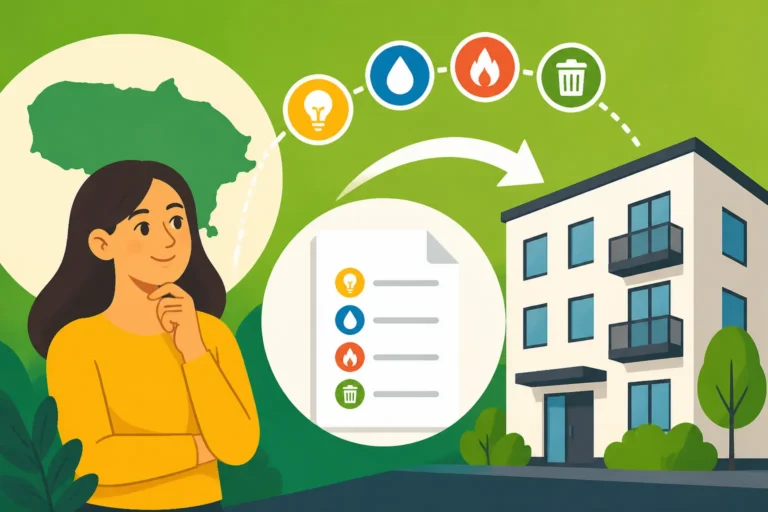
- Utility Connections: Setting up electricity, gas, water, and internet in your new home. Our guide to The Expat Guide to Setting Up Utilities in Lithuania can help you with this.
- Home Insurance: While not always compulsory, it’s highly recommended to protect your investment.
- Capital Gains Tax: If you sell the property in the future, capital gains tax may apply, depending on how long you've owned it and if it was your primary residence. For a complete financial picture, delving into The Complete Guide to Property and Transaction Costs in Lithuania (2026) is advised.
Always budget for these additional expenses, which can add up. Ask your real estate agent or the seller for an estimate of the monthly utility and maintenance costs for any property you are seriously considering.
Post-Purchase Formalities
Once you own your apartment, there are still a few administrative steps to complete. The most important for expats is Declaring Your Place of Residence in Lithuania. This is a crucial step for many administrative processes, including obtaining a local ID card or renewing your residence permit. You'll also need to transfer utility contracts into your name and register with the building's administration for communal services.
Remember that while the process might seem complex, many expats successfully navigate it and find their dream homes in central Vilnius. With patience, thorough research, and the right professional support, you too can become a proud homeowner in this beautiful city. For comprehensive information about moving and getting settled, refer to our guide, The Complete Guide to Moving to Lithuania: Your First 90 Days (2026).
Table: Comparison of Central Vilnius Neighborhoods for Apartment Buyers
To give you a quick overview of what to expect in each central Vilnius neighborhood, here's a comparative table:
| Feature/Neighborhood | Senamiestis (Old Town) | Naujamiestis (New Town) | Šnipiškės (Modern Core) | Žvėrynas (Green Oasis) |
|---|---|---|---|---|
| Vibe & Character | Historic, charming, bustling, touristy, cultural heart | Dynamic, modern, business & cultural hub, professional | Rapidly developing, urban, sleek, mix of old & new | Tranquil, green, prestigious, family-friendly, picturesque |
| Property Types | Renovated historic, older flats, high ceilings, some luxury | Modern apartments, late 19th/early 20th C. buildings | New high-rises, modern complexes, some traditional wooden homes | Wooden villas, spacious apartments, low-rise, luxury |
| Average Price/sqm (EUR) | High (4,000 – 8,000+) | Mid-High (3,000 – 6,000+) | Mid-High (3,000 – 6,000+) | High (3,500 – 7,000+) |
| Pros for Expats | Walkability, culture, unique charm, central access | Modern amenities, good transport, contemporary living, vibrant | New construction, often better value per sqm, river views | Greenery, quiet, safe, good schools, family-oriented |
| Cons for Expats | Highest prices, limited parking, older infrastructure, smaller units | Can be noisy, less historical charm, sometimes crowded | Ongoing construction, less established community in new areas | Higher prices, further from core city action, less public transport variety |
| Target Buyer | History buffs, those seeking unique character, luxury buyers | Professionals, young families, those wanting modern convenience | Young professionals, investors, those seeking new builds | Families, nature lovers, those seeking peace & prestige |
Note: Prices are approximate and subject to market fluctuations, property condition, and specific micro-location.
Disclaimer
The information provided in this guide is for general informational purposes only and does not constitute legal, financial, or real estate advice. While every effort has been made to ensure accuracy, the real estate market and legal regulations in Lithuania can change. It is essential to consult with qualified legal, financial, and real estate professionals in Lithuania for advice tailored to your specific situation before making any property purchase decisions.