How Do I Register for Municipal Waste Services in Lithuania?
Moving to a new country like Lithuania is thrilling, but let’s be honest, the administrative side of things can feel like navigating a maze blindfolded. One of those mundane yet absolutely essential tasks that often gets overlooked until you're staring at overflowing bins is figuring out how to register for municipal waste services. It's not always immediately obvious who to contact, what rules apply, or even what goes into which bin, especially if you're used to a different system back home. This comprehensive guide is here to unravel the complexities, walk you through the process, and help you get your waste management sorted without the usual expat headaches.
Understanding Lithuania's Waste Management System
Lithuania takes waste management seriously, aiming for higher recycling rates and more sustainable practices. But for a newcomer, it can feel a bit fragmented. The key thing to remember is that while there are national guidelines, the actual implementation and specific service providers often fall under the responsibility of individual municipalities. This means what applies in Vilnius might have slightly different nuances in Kaunas or Klaipėda.
Centralized vs. Regional Systems
Unlike some countries where a single national body dictates everything, Lithuania operates more on a municipal and regional level when it comes to waste collection. Each municipality, or sometimes a group of neighboring municipalities forming a regional waste management center, will contract out or directly manage waste collection services for its residents. For instance, in Vilnius, the Vilniaus Atliekų Sistemos Administratorius (VASA) oversees the entire waste management system, including public procurement for collection companies like Ekonovus, Ecoservice, or VSA Vilnius, which then handle the actual pickup. In Kaunas, the municipal company "Kauno švara" often takes care of it directly. This localized approach means that while the general principles of waste separation are similar across the country, the exact bins you receive, the collection schedule, and the specific registration process can vary slightly depending on where you live. It's crucial not to assume that what your friend experienced in another city will be identical to your situation.
Types of Waste and Collection Categories
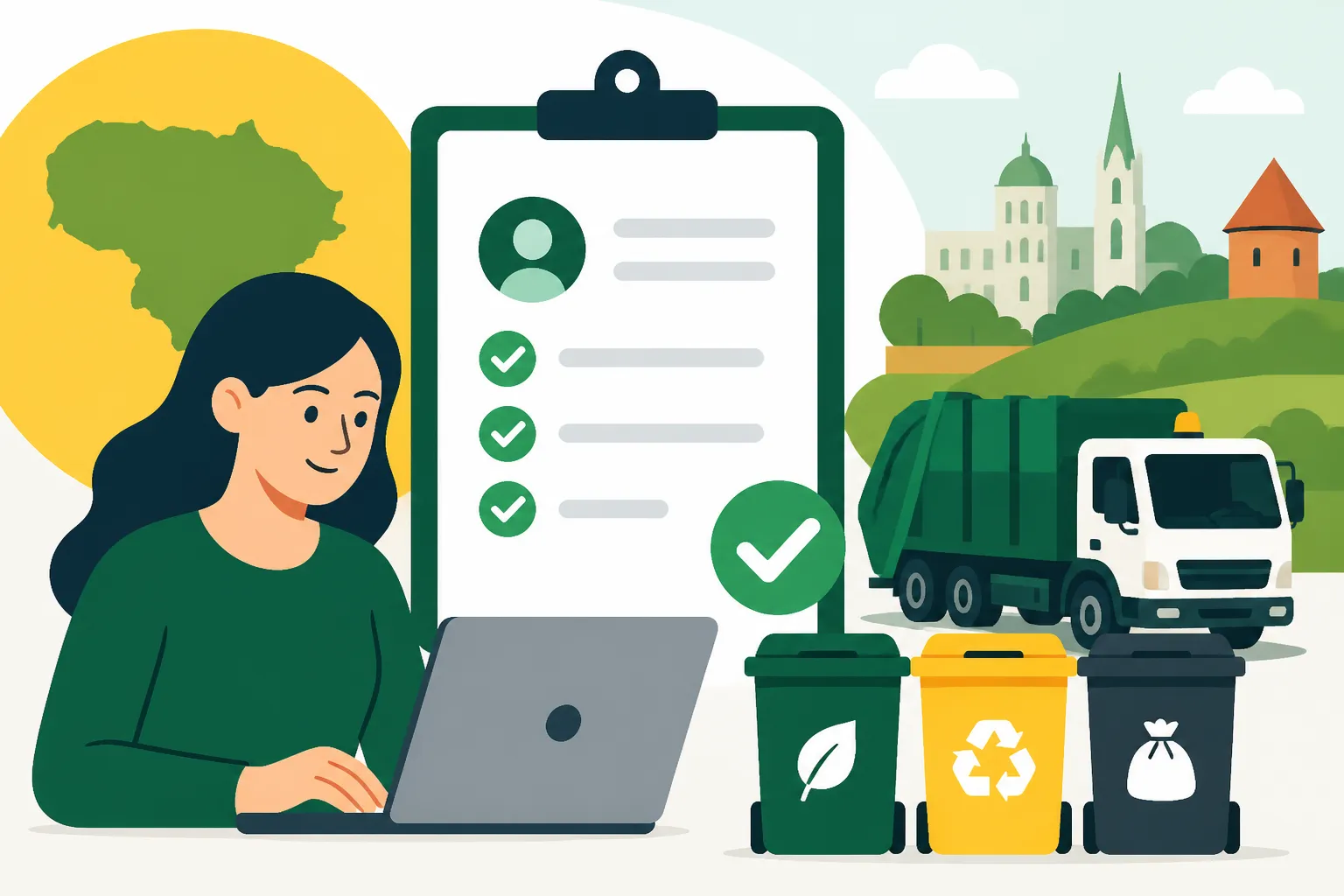
Lithuania employs a multi-bin system, designed to encourage robust waste separation right at the source. Getting this right is not just good for the environment; it can sometimes affect your waste fees if your municipality has incentives for proper sorting. Generally, you’ll encounter several distinct bins, usually color-coded or clearly labeled, for different types of waste.
The most common categories include:
- Mixed Municipal Waste (Buitinės atliekos): This is for anything that can't be recycled or composted. It’s the "residual" bin.
- Paper and Cardboard (Popierius ir kartonas): Newspapers, magazines, cardboard boxes, clean paper packaging. No greasy pizza boxes here!
- Plastic and Metal (Plastikas ir metalas): Plastic bottles, containers, bags, metal cans, foil. This often includes composite packaging like milk or juice cartons too.
- Glass (Stiklas): Glass bottles and jars. Usually, this means clear, green, and brown glass, often separated by color in larger collection points.
- Biodegradable/Organic Waste (Biologinės atliekos): Food scraps, garden waste. This bin is becoming more common, especially in apartment buildings and certainly for houses.
There are also specific rules and collection points for bulky waste (like old furniture), hazardous waste (batteries, chemicals, electronics), and construction waste. We’ll delve into those a bit later, but for day-to-day living, mastering the main categories is your first step to being a good Lithuanian resident. It really does make a difference, and you'll find most locals are quite diligent about it.
Registering for Waste Services: Step-by-Step for Expats
So, you've found your perfect spot, whether it's a cozy apartment in the Old Town of Vilnius or a charming house in Kaunas. Now comes the nitty-gritty: getting those waste services set up. This process can differ depending on if you're renting or if you've taken the plunge and bought property.
For Renters
When you rent an apartment in Lithuania, the good news is that for the most part, the landlord handles the initial registration and contractual obligations with the municipal waste management provider. Waste collection fees are almost universally included in your monthly komunaliniai mokesčiai, or communal utility bills. These are the bills that cover heating, water, electricity, and often, waste.
However, it's vital to clarify this with your landlord or rental agency upfront, especially when you are signing your rental contract. Make sure the agreement explicitly states that waste management costs are part of the communal charges you pay. In rare cases, especially with very new builds or landlords who are less organized, you might find yourself needing to coordinate the initial setup of bins or clarifying collection schedules. If you're struggling with understanding the various charges, our guide on Understanding Utility and Communal Costs (Komunaliniai Mokesčiai) in Lithuania might shed some more light. Usually, though, your biggest concern as a renter will be understanding which bins are for your building and when they are collected, rather than actually registering the service itself.
If you’re just starting your rental journey, our comprehensive guide, The Complete Guide to Renting an Apartment in Lithuania (2027), has all the details you need to navigate that process smoothly, including understanding your rights and responsibilities.
For Homeowners
If you've decided to put down roots and purchase property in Lithuania, congratulations! This is where you become directly responsible for registering for municipal waste services. This isn't just a suggestion; it's a legal obligation tied to property ownership. You’ll need to contact your local municipal waste management company or the administrator appointed by the municipality directly to set up an account.
The process typically involves submitting an application, providing proof of ownership, and registering your property for waste collection. In larger cities like Vilnius, this might mean interacting with VASA, while in Kaunas, it would be Kauno švara. They will then assess your property type (apartment, private house) and determine the appropriate bin sizes and collection frequency, which directly impacts your fees. It's a proactive step you must take to ensure your household waste is collected legally and efficiently.
It’s a bit more hands-on than renting, but it puts you in direct control. You’ll be the one receiving the bills and communicating with the service provider about any issues. For those diving into property ownership, our resource on How to Buy Property in Lithuania as a Foreigner: The Full Guide (2027) can help you understand all aspects of the purchasing process.
Essential Documents and Information
Regardless of whether you are a renter needing to clarify details or a homeowner directly registering, certain pieces of information and documents are almost universally required. Being prepared with these will save you a lot of back-and-forth.
Here’s what you’ll typically need:
- Asmens Kodas (Personal Code): This is your unique Lithuanian identification number, absolutely crucial for almost any official transaction, including setting up utilities. If you haven't got one yet, you'll definitely want to check out How Do I Get an Asmens Kodas (Personal Code) and Why It Matters for Healthcare, as it's the gateway to so many services.
- Proof of Residence (Gyvenamosios Vietos Deklaracija): This document confirms your legal address in Lithuania. For homeowners, this is straightforward; for renters, it's typically handled as part of your lease registration. Our guide on How Do I Declare My Place of Residence in Lithuania? covers this in detail.
- Property Ownership/Rental Agreement Documents: For homeowners, a copy of your property registration from Registrų Centras (the Centre of Registers) will be required. For renters, your signed nuomos sutartis (rental contract) will suffice.
- Contact Information: Your phone number and email address are essential for communication.
- Bank Account Details: For setting up direct debits or understanding payment options.
When contacting the waste management provider, it’s always best to have these documents scanned or readily available. While many services are moving online, a personal visit might still be necessary for initial registration, especially if you have complex questions or face a language barrier. Don't be shy about asking for help from a Lithuanian-speaking friend if you're not confident in your language skills – it can make a world of difference.
Navigating the Service Providers and Payments
Once you know the general drill, getting into the specifics of who to contact and how to pay becomes the next step. It's not just about getting bins; it's about understanding the entire ecosystem of waste services.
Identifying Your Local Waste Operator
This is often the first hurdle for many expats. Unlike a universal electricity provider like ESO, waste management can be more localized. The easiest way to identify your local waste operator is to:
- Check Your Municipality Website: All Lithuanian municipalities have official websites, usually with sections dedicated to "Waste Management" (Atliekų tvarkymas) or "Environmental Services" (Aplinkosaugos paslaugos). These pages will typically list the responsible administrative body (e.g., VASA in Vilnius) and the contracted collection companies.
- Ask Your Landlord or Neighbors: Seriously, this is often the quickest and most reliable method. Locals will know exactly who handles their bins and might even have contact details.
- Look at Your Bins: Often, the company collecting the waste will have its logo or name printed on the bins themselves.
- Review Previous Utility Bills: If you’ve moved into a property where services were already running, previous bills for komunaliniai mokesčiai will explicitly list the waste management provider. Our guide on How Do I Set Up Electricity After Moving Into a Lithuanian Apartment? might give you an idea of how to approach checking past utility bills more broadly.
Once you’ve identified the relevant body, you can usually find their contact information and often an online registration portal on their website. Many services, including the VMI (Lithuanian Tax Authority) and other governmental entities, are increasingly accessible through the E-Government Gateway, which can streamline interactions once you get the hang of it.
Understanding Billing and Payment Cycles
Waste fees in Lithuania are typically paid monthly or quarterly, either as a standalone bill if you are a homeowner, or as part of your comprehensive komunaliniai mokesčiai if you are renting. The charges are usually calculated based on the size of your property, the number of registered residents, and the frequency of collection.
Payment Methods:
- E-Banking (Internetinė bankininkystė): Most common and convenient. You’ll receive a bill with a unique payment code or a QR code that you can scan with your banking app. Banks like Swedbank, SEB, and Luminor all offer robust online banking platforms.
- Utility Payment Apps/Platforms: Many municipalities or utility providers have their own apps or integrate with general payment platforms that allow you to manage all your utility bills in one place.
- Bank Branches/Post Offices: For those who prefer cash payments or don't use online banking, you can pay at bank branches or Lithuanian post offices (Lietuvos paštas).
It's crucial to pay your waste bills on time. Late payments can incur penalties, and in severe cases, disruption of service. Keep an eye on your mailbox (both physical and email) for incoming bills, and if you’re concerned about communication, make sure your phone is set up for local service. When you first land, getting connected with a local SIM, or even an eSIM like from Airalo, is usually one of the first things people do, and it’s invaluable for checking municipal websites or contacting services.
Common Challenges and Troubleshooting
Let’s be real, moving to a new country always comes with its unique set of challenges. Waste management is no exception.
- Language Barrier: This is perhaps the most common hurdle. While younger Lithuanians often speak excellent English, older administrative staff might not. Having a translation app handy or, even better, a Lithuanian-speaking friend, can make initial phone calls or visits much smoother.
- Confusing Information: Sometimes, municipal websites aren't fully translated, or the information might be dense. Don't be afraid to email the administrative body directly; they often have English-speaking staff for expat inquiries.
- Unexpected Fees or Changes: Keep an eye on your bills. If you notice a sudden increase or an unfamiliar charge, contact the provider immediately. There could be a reasonable explanation, or it could be an error.
- Missed Collections: If your bins aren’t collected, first check the schedule (it can change on public holidays!). If it's a persistent issue, contact the collection company directly. They might have a dedicated complaint line.
- Bin Allocation: Sometimes, in apartment buildings, it’s unclear which specific bins belong to your apartment or how many you’re actually supposed to have. Again, your landlord or building administrator is your best friend here.
Remember, persistence is key. Most Lithuanians are happy to help, even if communication takes a little effort. Don't give up if your first attempt to clarify something doesn't work out.
Tips for Sustainable Waste Management and Expat Life
Getting the basics of waste registration down is just the start. Becoming an active participant in Lithuania’s sustainable practices will not only help the environment but also integrate you more smoothly into local life.
Maximizing Recycling Efforts
Lithuania has made significant strides in recycling, and residents are generally quite good at separating their waste. As an expat, embracing this mindset is important.
Here are some tips to maximize your recycling efforts:
- Understand the Symbols: Familiarize yourself with common recycling symbols on packaging. Lithuania follows EU standards, so many symbols will be recognizable.
- Rinse and Empty: Always rinse out plastic, glass, and metal containers before putting them in the recycling bin. Food residue contaminates other recyclables.
- Flatten Cardboard: Break down cardboard boxes to save space in the bins and collection trucks.
- Use Returnable Packaging (Užstato Sistema): For plastic and glass beverage bottles and aluminum cans, Lithuania has an excellent deposit-return system. You pay a small deposit (usually €0.10) when you buy the item, and you get it back when you return the empty container to designated machines at supermarkets (e.g., Maxima, Iki, Rimi). This system, called "užstato sistema," is highly effective and a great way to recycle while saving a few cents.
A little effort goes a long way, and you’ll quickly find that these habits become second nature.
Special Waste and Recycling Centres
Beyond your regular household bins, there's a world of "special waste" that needs proper disposal. This includes everything from old electronics to broken furniture.
Lithuania has a network of didžiųjų atliekų surinkimo aikštelės (bulky waste collection sites) or daiktų dalinimosi stotelės (item sharing stations, which often accept reusable items). These are designated centers where you can drop off items that don't fit into your regular bins.
What you can typically take there:
- Bulky Waste: Old furniture, mattresses, carpets.
- Electronics (EE Waste): Old computers, TVs, refrigerators, small appliances.
- Hazardous Waste: Batteries, paints, solvents, expired medications (though pharmacies often accept meds).
- Construction and Demolition Waste: If you’ve done some renovations (usually small quantities).
- Textiles: Old clothes and fabric scraps.
To find your nearest collection center, check your municipal waste management website. They will have maps and opening hours. Some municipalities might offer occasional bulky waste collection days where you can leave items outside your home, but this is less common for regular disposal. Planning your move to Lithuania often involves thinking about what to bring and what to discard, and services like Sirelo can be useful for finding resources related to moving and settling in, including how to handle large items.
| Waste Type | General Bin/Category | Specific Examples | Disposal Notes |
|---|---|---|---|
| Mixed Municipal | Black/Grey Bin | Food packaging (non-recyclable), hygiene products, ash, dirty paper | Residual waste, anything else not specified for recycling. |
| Paper & Cardboard | Blue Bin | Newspapers, magazines, clean cardboard, paper bags, egg cartons | Flatten boxes, keep dry and clean. No food residue. |
| Plastic & Metal | Yellow Bin (often combined) | Plastic bottles, containers, bags, metal cans, foil, Tetra Pak | Rinse well, flatten bottles. Combined for convenience. |
| Glass | Green Bin | Glass bottles, jars | Rinse well. No ceramics, mirrors, or window glass. |
| Organic/Biodegradable | Brown/Orange Bin | Food scraps, garden waste | Becoming more common, check local municipality. |
| Bulky Waste | Special Collection Centre | Furniture, mattresses, large appliances | Take to designated "didžiųjų atliekų surinkimo aikštelės". |
| Hazardous Waste | Special Collection Centre | Batteries, paints, chemicals, electronics | Take to designated collection sites or specific drop-offs. |
| Deposit-Return | RVMs at Supermarkets | Plastic/glass beverage bottles, aluminum cans | Return to machines for deposit refund. |
Note: Bin colors can vary slightly by municipality. Always check local guidelines.
Staying Connected and Informed
Staying informed about waste collection schedules, new regulations, or special collection events is easier than ever with digital tools.
- Municipal Websites & Apps: Many municipalities or waste administrators have dedicated apps (e.g., "Mano VASA" in Vilnius) that provide personalized collection schedules, news updates, and even allow you to report issues.
- Social Media & Community Groups: Local expat groups on Facebook or other platforms are fantastic for sharing up-to-date information and getting quick answers from fellow residents.
- Email Newsletters: Sign up for newsletters from your municipality or waste service provider if available.
- Local News Outlets: Keep an eye on local news, as changes to waste management are often announced there.
In short, getting a handle on municipal waste services in Lithuania might seem like a small detail in your big expat adventure, but it’s a foundational piece of settling in. By understanding the local system, knowing who to contact, and preparing your documents, you’ll navigate this process with confidence and contribute to Lithuania's impressive efforts in sustainability.
Disclaimer
The information provided in this guide is for general informational purposes only and does not constitute legal, financial, or professional advice. While we strive to keep the information accurate and up-to-date, waste management regulations and service providers in Lithuania can change. Always consult official municipal websites or relevant authorities for the most current and specific information pertaining to your location and situation.