How to Get a Lithuanian Residence Permit Card and Its Biometrics
Oh, the relief when you finally get that email or call saying your Lithuanian residence permit has been approved! It’s a huge weight off your shoulders, I know, I’ve been there. But hold on a minute, because there's still that final, ever-so-slightly bureaucratic step: getting the physical card and navigating the biometrics appointment. This guide is going to walk you through exactly how to get your hands on that precious card, what to expect with biometrics, and make sure you’re ready for this last leg of the journey.
The Significance of Your Residence Permit Card
It’s easy to view your residence permit card as just another piece of plastic, a mere formality after all the paperwork you’ve endured. But let me tell you, as someone who’s lived here for years, this card is your golden ticket. It's the tangible proof of your right to reside in Lithuania, and it unlocks so many aspects of daily life here. Don’t underestimate its importance.
More Than Just Plastic: What it Truly Represents
Think of it as your official ID here in Lithuania. It's not just a fancy visa; it’s a residence document issued by a Schengen area country, which means it carries a lot of weight. It’s what you’ll present when dealing with banks, government offices, utility providers, and even when travelling within the Schengen zone. Without it, you’re just a hopeful applicant, but with it, you're a recognized resident. It confirms your legal status, the duration of your stay, and often, the purpose of your residence, whether for work, study, or family reunification.
For example, imagine you’ve just arrived and are trying to open a bank account. They're going to ask for your residence permit, not just your passport. Or maybe you're sorting out utilities for your new apartment; the same documents will be required. It’s the official stamp of approval that tells everyone you're here legally and on record. This tiny card truly holds the key to establishing yourself properly in this beautiful country.
Your Gateway to Lithuanian Life: Rights and Responsibilities
Having your residence permit card in hand signifies your entry into Lithuanian society in a very real way. It grants you certain rights that non-residents don't possess. For instance, you’ll be able to access local services, potentially register for the compulsory health insurance (PSD) through Sodra, and even vote in municipal elections if you’re an EU citizen. It legitimizes your presence and allows you to integrate more deeply into daily life here.
However, with rights come responsibilities. You’re expected to abide by Lithuanian laws, respect local customs, and ensure your permit remains valid. This includes keeping your contact details updated with the Migration Department (MIGRIS) and, crucially, renewing your permit before it expires. The card also ties into other administrative steps, like being able to get an Asmens Kodas, which is your personal identification code essential for everything from taxes to healthcare. It’s a powerful document, so treat it with the respect it deserves.
Navigating the Biometrics Process in Lithuania
Alright, let’s talk about biometrics. This might sound a bit sci-fi, but it’s a standard and necessary part of securing your residence permit card. It’s how they ensure the card belongs to you and only you. Don't worry, it's a straightforward process, but knowing what to expect can save you a lot of anxiety.
What Are Biometrics and Why Are They Needed?
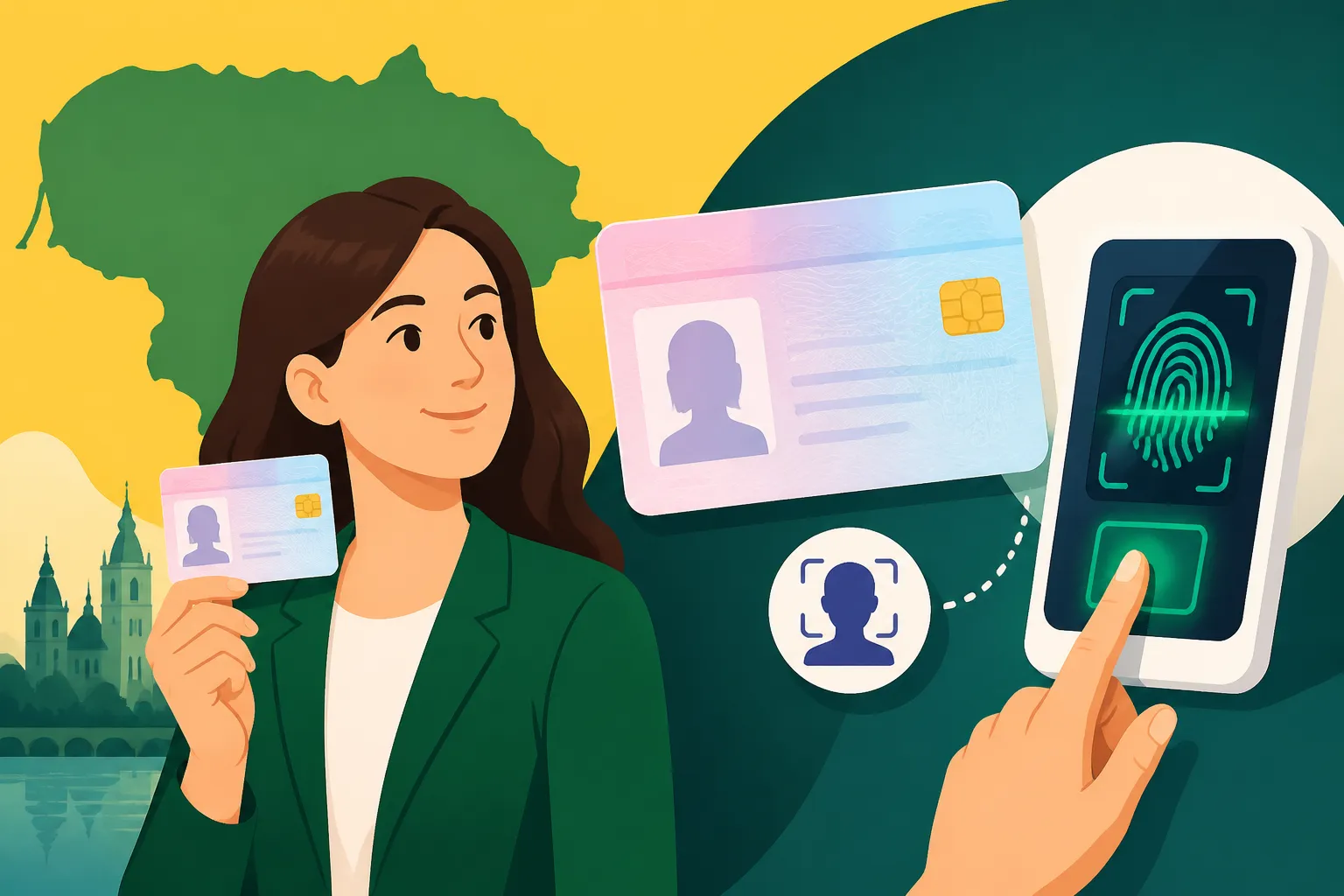
Biometrics essentially refer to unique physical characteristics used to identify individuals. For your Lithuanian residence permit card, this primarily means your fingerprints and a digital photograph. These are collected to create a secure, personalized document that is extremely difficult to forge or misuse. It's a key security measure, harmonized across the Schengen Area, to prevent identity fraud and enhance border security.
When you apply for a Temporary Residence Permit (TRP) in Lithuania, or indeed any long-term residence, providing your biometrics is a mandatory step. These details are embedded directly into the microchip on your residence permit card. This is why the card isn’t just printed instantly; it’s a sophisticated document with secure features designed to protect both you and the system. It helps ensure that when you present your card, your identity can be quickly and reliably verified.
The Appointment: Booking and Preparation
Booking your biometrics appointment is typically done through the MIGRIS system, often after your initial application has been reviewed and a decision is pending or approved. You’ll usually receive an email or a notification in the MIGRIS portal telling you to schedule this step. Navigating the MIGRIS portal to book an appointment for your residence permit can feel like a maze, but it’s crucial to get it right. Make sure you select the correct service type, usually related to "biometric data capture" or "residence permit issuance."
When preparing for the appointment, make sure you have all the necessary documents with you. This will typically include your passport, any current visa, and perhaps the application confirmation or approval letter you received. Dress normally, but remember your photograph will be taken, so no hats, scarves (unless for religious reasons), or anything that obscures your face. And try to keep your hands clean and free of cuts or excessive adornments for fingerprinting – they need a clear scan!
What Happens at the Biometrics Appointment?
When you arrive at the Migration Department (MIGRIS) office – which will likely be in Vilnius, Kaunas, or Klaipėda, depending on where you applied or are located – you’ll check in and probably wait a bit. Patience is a virtue when dealing with bureaucracy anywhere, and Lithuania is no exception! Once called, a MIGRIS officer will guide you through the process.
First, they will take your digital photograph. This will be the photo on your new residence permit card, so try to look pleasant, but don't overdo it with a huge grin; a neutral expression is usually best. Then, they will scan your fingerprints, typically all ten fingers, using a digital scanner. This is usually done twice, just to ensure they get a clear set. It's quick, painless, and usually over in a matter of minutes. Once your biometrics are captured, they will confirm everything is complete, and you'll be on your way. You won’t get your card then and there; remember, it needs to be produced with these embedded details.
Receiving Your Residence Permit Approval and Card Production
After submitting your initial residence permit application, the waiting game begins. It's a time filled with nervous anticipation, constantly checking your email or the MIGRIS portal for updates. Understanding the typical process and timelines for approval and card production can help manage expectations.
The Waiting Game: After Application Submission
Once you've submitted all your documents – be it for a new permit or a renewal – the Migration Department (MIGRIS) will review your case. This review process can vary significantly in length. It depends on the complexity of your application, the volume of applications they're handling, and whether they need to request additional information from you or other state institutions. I've known people who got a decision in a few weeks, and others who waited several months. It’s part of the expat experience here, unfortunately!
During this period, make sure your contact details are up-to-date in the MIGRIS system, as any communication or request for further documents will come through there or to your registered email. This is also a good time to double-check that you have all your supporting documents for your Lithuanian residence permit easily accessible, just in case they ask for something. It’s better to be over-prepared than scrambling at the last minute.
Notification of Approval and Card Readiness
The moment you've been waiting for! Once your application is approved, you’ll typically receive an official notification. This usually comes as an email from MIGRIS, often directing you to log into your account on the MIGRIS portal for the full decision letter. This letter will confirm your approval and often provide instructions on the next steps, including how to schedule your biometrics appointment if you haven't already, or when your card might be ready for collection.
The notification will also outline the validity period of your permit, so pay close attention to the issue and expiry dates. This information is crucial for future planning, including when you'll need to think about how to renew your Lithuanian residence permit. It’s a moment of great relief and celebration, but keep in mind there’s still that one final step before the card is actually in your hand.
Anticipating Your Card's Arrival: Timelines and Expectations
After your biometrics have been captured, the production of your physical residence permit card begins. This isn't an instant process, as these cards are specialized, secure documents. The general timeframe for card production can range from a few days to a few weeks, depending on current demand and production schedules. MIGRIS usually provides an estimated timeframe in their approval notification or during your biometrics appointment.
It’s important to manage your expectations here. Don't plan any international travel, especially outside the Schengen Area, until you have your physical card. While your permit might be approved, you won't have the necessary travel document until the card is in hand. Keep an eye on the MIGRIS portal for updates on your card's status – sometimes they'll update it to "ready for collection" before you receive an email. Patience is key, but the end is definitely in sight!
Collecting Your Lithuanian Residence Permit Card
You’ve waited, you’ve applied, you’ve done your biometrics – now for the grand finale: collecting your actual residence permit card. This is where all that hard work finally pays off. Knowing the exact steps and what to bring will ensure a smooth collection process.
Where to Collect Your Card
Your residence permit card will be issued by the Migration Department, which means you’ll generally collect it from the MIGRIS office where you had your biometrics taken or where your application was processed. This is typically one of their larger branches in cities like Vilnius, Kaunas, or Klaipėda.
Make sure to confirm the specific location mentioned in your approval notification. While it might seem obvious, showing up at the wrong office can lead to significant delays and frustration, especially if you’ve travelled a distance. Some offices have dedicated collection counters or slightly different operating hours for this service, so it’s always a good idea to check the MIGRIS website or your appointment details carefully.
Required Documents for Collection
Even though they have all your information, you’ll still need to bring specific documents to collect your card. This is for verification purposes and to ensure the card goes to the rightful owner. The absolute essentials are:
- Your valid passport: This is your primary identification, and they will cross-reference it with the details on your new permit.
- Your current visa or previous residence permit (if applicable): If you're exchanging an old card or a national D-visa for your new residence permit, you might need to surrender the old document. They need to ensure you're not holding multiple valid documents for the same purpose.
- The official notification of approval or readiness: Sometimes, they ask to see the letter or email confirming your card is ready for collection. While they can usually look it up in their system, having it printed or accessible on your phone can speed things up.
Always double-check the exact requirements in your specific MIGRIS notification, as details can sometimes vary. I’d advise having a physical copy of all relevant documents, just in case.
What to Do Once You Have Your Card and What to Check
The moment of truth! You're handed your card. Before you skip out of the office, take a deep breath and carefully check all the details on the card. This is crucial. There are reports of expats realizing later that a name was misspelled, a date was incorrect, or even that the photo wasn't theirs!
Here’s a quick checklist:
- Your Name: Is it spelled exactly as it is in your passport?
- Date of Birth: Is it correct?
- Nationality: Correct?
- Asmens Kodas: Is your personal code listed correctly?
- Validity Dates: Are the issue and expiry dates accurate and reflecting the period you expected?
- Photo: Is it actually you?
- Type of Permit: Does it state the correct type (e.g., leidimas laikinai gyventi, "temporary residence permit") and purpose?
If you spot any discrepancies, point them out to the MIGRIS officer immediately, before you leave the counter. It is significantly easier to get errors corrected on the spot than to try and rectify them weeks later. Once you’ve verified everything, congratulations! You officially have your Lithuanian residence permit card. Now you can confidently start setting up things like your bank account, declaring your place of residence, and truly feeling settled.
Common Hurdles and Troubleshooting for Expats
As wonderful as Lithuania is, the administrative side of things can sometimes feel like an uphill battle. Getting your residence permit card is usually the final hurdle, but it's not always entirely smooth sailing. Newcomers often face many common issues, and knowing how to navigate them can save you a lot of stress.
Language Barriers and Communication Challenges
This is perhaps the most common frustration for expats in Lithuania, especially outside of Vilnius and Kaunas. While many younger Lithuanians and those working in international companies speak excellent English, not all government officials do. This can lead to miscommunications or difficulties understanding specific instructions, especially when it comes to nuances of your application or collection process.
My advice:
- Bring a Lithuanian speaker: If you have a friend, colleague, or even a professional translator, ask them to accompany you. This can make an enormous difference.
- Use translation apps: Have Google Translate or a similar app ready on your phone. While not perfect, it can help bridge simple communication gaps.
- Be patient and polite: Frustration is understandable, but maintaining a respectful demeanor will always yield better results. Try to speak slowly and clearly.
- Confirm in writing: If there's important information, ask them to write it down or point to it on a document.
- Consider a moving service: For complex cases, some relocation services, like those found through Sirelo, offer assistance with administrative tasks, which can include accompanying you to appointments and translating.
Dealing with Delays or Issues with Your Card
Sometimes, despite doing everything right, there are delays. Your card might take longer to produce than expected, or you might find an error when you collect it. This is incredibly annoying, especially if you have travel plans or other administrative tasks dependent on having the card.
- For delays: Check the MIGRIS portal regularly. If the delay is significant (e.g., weeks beyond the stated timeframe), you can try to contact MIGRIS directly. Sometimes an email outlining your case number and expressing your concern can prompt an update. Be prepared for potential wait times on the phone or for email responses.
- For errors on the card: As mentioned, try to rectify this immediately at the collection counter. If you've left the office and only noticed later, you'll need to contact MIGRIS promptly. You will likely have to submit a new request for a corrected card, which can unfortunately involve another waiting period. Document everything: when you noticed the error, who you spoke to, etc.
It’s an unfortunate reality that sometimes things don’t go perfectly, but a proactive and persistent approach, coupled with documentation, is your best bet.
Lost, Stolen, or Damaged Cards
Losing your residence permit card is a nightmare scenario, but it happens. If your card is lost, stolen, or damaged, you need to act quickly.
- Report it: If stolen, immediately report it to the Lithuanian police (dial 112 for emergencies, or go to a local police station for non-emergency reports). Get a police report, as you'll need it for your replacement application. If simply lost or damaged, you still need to report its invalidity.
- Contact MIGRIS: Get in touch with the Migration Department as soon as possible. You will need to apply for a replacement card. This involves a new application, potentially new biometrics, and a processing fee. The requirements will be similar to your initial application for How to Apply for a Temporary Residence Permit (TRP) in Lithuania, including proof of address, funds, and valid health insurance. Make sure your health insurance is up-to-date; companies like Cigna Global offer plans tailored for expats.
- Temporary documents: In some urgent cases, MIGRIS might be able to issue a temporary certificate confirming your residence status while your new card is being produced. Ask about this option if you have an urgent need for proof of residence.
It’s a hassle, but a necessary one to ensure your legal status remains clear. Keep photocopies or digital scans of your permit card and passport separate from the originals, just in case.
Keeping Your Residence Permit Valid and Up-to-Date
Getting your residence permit card is a momentous occasion, but it's not a 'set it and forget it' situation. Your permit has a validity period, and you need to be mindful of its expiry date to ensure you maintain your legal status in Lithuania.
Understanding the Validity Period
Most initial temporary residence permits (TRP) in Lithuania are issued for one or two years, though some, like those for highly skilled workers, can be for up to three years. Your card will clearly state the "Valid Until" date. This isn't just a suggestion; it's a strict deadline. Overstaying your permit can lead to fines, deportation, and difficulties with future visa or residence applications in Lithuania or other Schengen countries.
It's your responsibility to know when your permit expires. I recommend setting multiple reminders: on your phone, in your calendar, even a physical note if that helps. Don't rely solely on MIGRIS to remind you, although they sometimes send courtesy notifications closer to the expiry date. Proactivity here is key to a stress-free life as an expat.
When and How to Renew Your Residence Permit
The general rule of thumb for renewing your residence permit is to apply well in advance of its expiry date. The Migration Department recommends applying at least 2-4 months before your current permit runs out. This gives them ample time to process your application and issue a new card without you falling into an illegal status.
The process for renewing is very similar to your initial application. You’ll typically need to:
- Gather required documents: Proof of continuous residence, sufficient funds, valid health insurance, updated employment contracts or study certificates, and a valid passport. All the usual suspects, essentially. If you previously needed to show proof of accommodation, you’ll need to do so again. Make sure your local address is properly declared.
- Apply through the MIGRIS portal: The application for renewal is usually submitted electronically via your personal account on the MIGRIS website.
- Book a MIGRIS appointment: You’ll likely need another appointment for biometrics and to submit physical copies of certain documents. Ensure you book this appointment well in advance.
Falling behind on your renewal can cause immense stress and complications. Make sure you understand the requirements for How to Renew Your Lithuanian Residence Permit and start gathering your documents early. It's much easier to renew when you're still legally resident than to try and fix an expired status.
Disclaimer
The information provided in this guide is for general informational purposes only and does not constitute legal advice. While we strive to keep the information up-to-date and accurate, regulations and procedures can change rapidly. It is always recommended to consult with the official Lithuanian Migration Department (MIGRIS) website or a qualified immigration lawyer for the most current and specific advice regarding your individual situation.