How Do I Keep Health Coverage Between Jobs in Lithuania?
The job market can be a bit of a whirlwind, especially when you’re an expat in Lithuania trying to get your head around the local systems. One of the biggest worries I hear from folks between employment contracts is the terrifying thought of losing their health coverage. It’s a completely valid fear – nobody wants to be caught without access to medical care in a foreign country. This guide is here to walk you through exactly how to keep your health insurance active and your mind at ease when you’re transitioning between jobs in Lithuania.
Understanding Lithuania's Compulsory Health Insurance (PSD) Landscape
First things first, let's talk about the bedrock of healthcare here: Lithuania's Compulsory Health Insurance, or PSD (Privalomasis Sveikatos Draudimas). For most working expats, your PSD contributions are automatically deducted from your salary by your employer. It’s a beautifully simple system when you’re employed, ensuring you have access to the public healthcare system through the Health Insurance Fund (VLK/PSDF). You go to the doctor, they check your status in the system, and voilà – you’re covered.
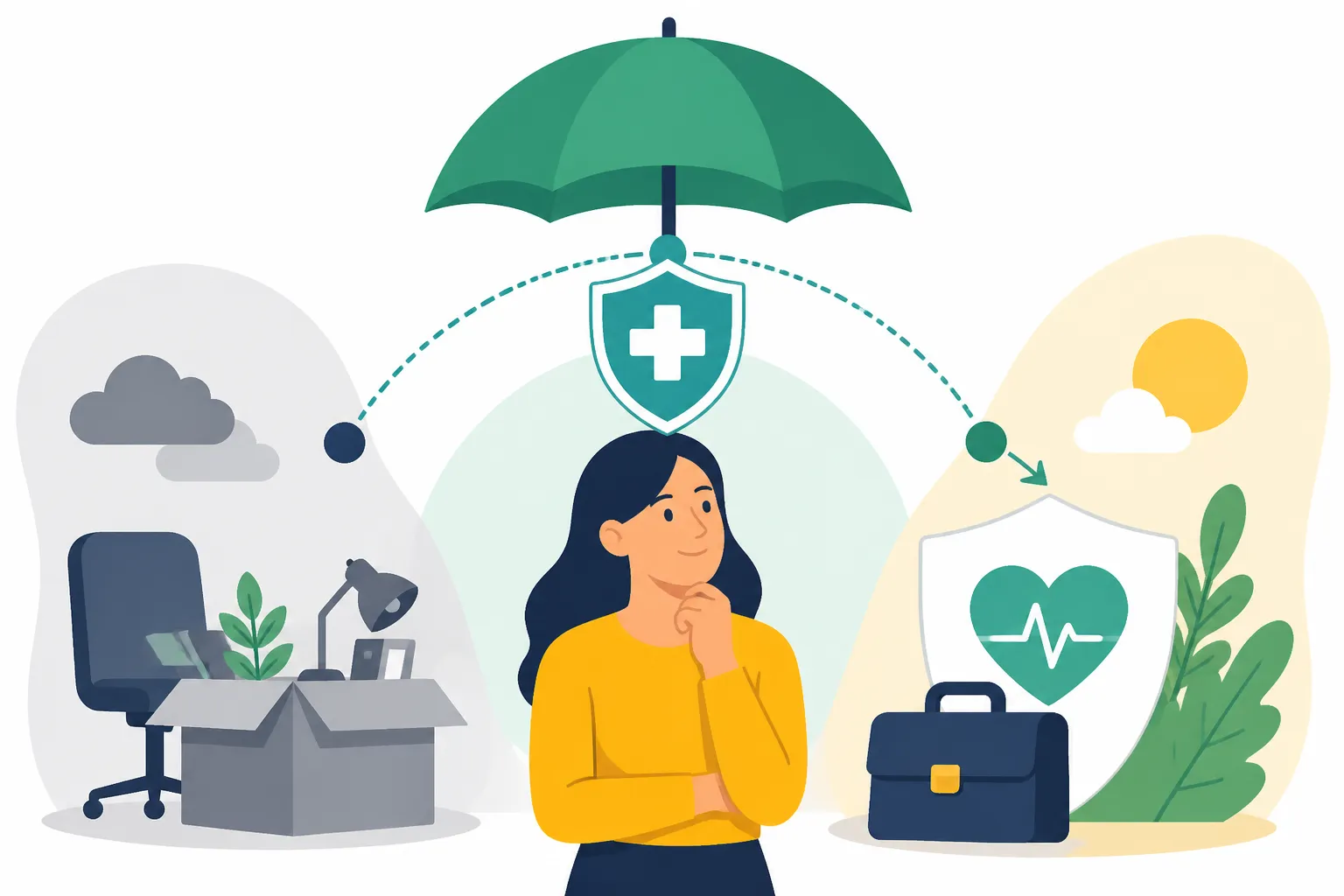
However, the moment that employment contract ends, whether you’ve resigned or been let go, that automatic link to PSD payments gets severed. Suddenly, you're looking at a potential gap in your coverage, and the anxiety starts to creep in. Will you still be able to see a doctor? What about prescriptions? And emergencies? It’s a stressful situation, particularly if you’re still job hunting and unsure when your next employment will begin. This uncertainty is precisely why understanding your options for continued coverage is not just helpful, but absolutely essential for your peace of mind and well-being. Knowing How Lithuania's Health Insurance Fund (VLK/PSDF) Works: A Full Overview can help you appreciate what you're trying to maintain.
The Lithuanian healthcare system, while robust for those contributing, isn't always immediately intuitive for foreigners. The crucial thing to grasp is that PSD is compulsory, meaning if you’re a resident, you must contribute or be covered by one of the state-defined categories. If you fall out of one of those categories, you’re expected to pay your own way. Falling into a grey area can mean your access to public services becomes severely restricted, or you could even face backdated payment demands from Sodra (the social insurance fund) later down the line. That's why being proactive about your PSD status is key. If you're wondering how to get started with this, you'll want to review Registering for Compulsory Health Insurance (PSD) in Lithuania (2027).
Your Options for Maintaining PSD Status During Unemployment
When you find yourself between jobs, don’t panic. Lithuania has mechanisms in place to ensure you don’t just fall through the cracks. It requires a bit of proactivity on your part, but it’s entirely manageable. Let’s break down your main pathways to keeping that vital PSD coverage.
Option 1: Voluntary PSD Contributions through Sodra
This is often the most direct and common route for expats who are temporarily unemployed but still residing in Lithuania. If you’re not employed and not covered by any other state-funded category (like being registered with the employment service, or being a student), you are expected to make voluntary PSD contributions directly to Sodra. This is crucial because it ensures your continuity of care and prevents potential debt accumulation.
The process usually involves registering yourself as a self-payer at your local Sodra branch or, more conveniently, through the Sodra online portal if you have an e-signature or mobile signature. You’ll need your asmens kodas (personal code) and some form of identification. Once registered, you’ll be informed of the monthly contribution amount. This amount is typically a fixed percentage of the minimum monthly wage, so it does change slightly each year. For 2026, you'll want to check How Much Is the Monthly PSD Contribution Through Sodra? for the exact figures. These payments need to be made consistently, usually by the last day of each month for the current month’s coverage. Missing a payment, even by a day, can temporarily deactivate your PSD status, which could lead to complications if you need medical attention.
I've seen expats get caught out by this. One friend, let's call her Anna, was between contracts for about two months. She assumed her previous employer's coverage would last a bit longer, or that the system would somehow know she was looking for a new job. Nope! A trip to the doctor for a nasty cough revealed her PSD was inactive because she hadn't paid her voluntary contributions. She had to pay the missed months and a penalty before she could even be seen. It was a wake-up call. Don't be an Anna! Get on top of your Understanding PSD Contributions Through Sodra in Lithuania as soon as your employment ends.
Option 2: Registering with the Lithuanian Employment Service (Užimtumo Tarnyba)
If your unemployment is more than a fleeting gap, and especially if you're actively seeking new employment, registering with the Lithuanian Employment Service (Užimtumo Tarnyba) can be a fantastic option. This service isn't just about helping you find a new job; it also offers a vital safety net, including covering your PSD contributions.
To qualify, you typically need to be actively looking for work and meet certain criteria. You register with the Užimtumo Tarnyba, provide your documents (identification, previous employment records, residence permit, etc.), and attend meetings or participate in job-seeking activities as required. Once successfully registered as an unemployed person, the state will cover your PSD payments. This means you maintain full access to the public healthcare system without having to make direct monthly payments to Sodra yourself.
Beyond healthcare, the Užimtumo Tarnyba offers valuable resources like career counseling, training programs, and job placement assistance. It’s a good way to stay productive and supported during your job search. However, it's not a passive system – you need to actively engage with them and fulfill their requirements to maintain your status and, by extension, your PSD coverage. Neglecting to attend scheduled appointments or declining suitable job offers (without valid reason) can result in your removal from their register, and you’ll lose your PSD coverage instantly. For more details on this, check out Understanding the Lithuanian Employment Service (Užimtumo Tarnyba).
Option 3: Coverage for Specific Groups
While not directly related to between-jobs scenarios for most working expats, it's worth a brief mention that certain groups are automatically covered by the state for PSD, regardless of employment status:
- Spouses of insured individuals: In some specific cases, if your spouse is employed and contributing to PSD, you might be covered under their insurance, particularly if you are not working and meet certain dependency criteria. This is not always straightforward, so it's best to verify with Sodra. For those with families, knowing How to Register Family Members for Health Insurance in Lithuania is incredibly important.
- Students: Full-time students in accredited Lithuanian educational institutions are typically covered by the state for PSD.
- Individuals receiving certain social benefits or pensions: Those on state pensions or specific unemployment benefits might also have their PSD covered.
These categories generally provide a safety net for those who, for legitimate reasons, are not expected to contribute directly. However, for most expats actively transitioning between jobs, the voluntary Sodra payments or registration with the Employment Service will be your primary avenues.
The Role of Private Health Insurance as a Stop-Gap or Supplement
Even when you're meticulously managing your PSD contributions, sometimes you just want that extra layer of security, or perhaps you're facing a short gap where setting up voluntary payments feels like too much bureaucracy for just a few weeks. This is where private health insurance can truly shine as a stop-gap or a valuable supplement to your public coverage.
One of the biggest advantages of private insurance, especially during transitional periods, is flexibility. Many international private insurance providers, like SafetyWing, offer plans designed for digital nomads, remote workers, and travelers, which can be incredibly useful for expats who might be between jobs or unsure of their long-term plans. These policies often allow you to purchase coverage for shorter durations, sometimes even month-to-month, giving you immense peace of mind without a long-term commitment. This can be a lifesaver if you're only expecting to be unemployed for a couple of weeks or a month before starting a new role.
Another benefit is access to private clinics and English-speaking doctors. While the public system is functional, wait times for specialists can be long, and finding medical staff fluent in English isn't always guaranteed, especially outside of major cities like Vilnius or Kaunas. Private insurance often opens doors to a wider network of private medical centers, where appointments are quicker, and language barriers are less common. This can significantly reduce stress if you need medical attention during an already uncertain time. I've personally used private clinics for speed and convenience, even when I had public coverage, simply because the peace of mind was worth the extra cost. For a deeper dive into these benefits, consider reading Public vs Private Healthcare in Lithuania: Which Should Expats Choose?.
Of course, private health insurance comes with its own set of considerations, primarily cost. It can be more expensive than your monthly PSD contribution, especially for comprehensive plans. However, for a short transition period, the investment might be well worth it. Policies vary widely, from basic emergency coverage to extensive plans that include outpatient care, specialist visits, and even dental. You'll need to research and compare to find something that fits your needs and budget. If you're pondering the value, check out Is Private Health Insurance Worth It for Expats in Lithuania?.
Some private insurance providers, like SafetyWing, are explicitly designed for the mobile lifestyle of expats and digital nomads. Their Nomad Insurance, for instance, offers medical coverage while you're traveling or living abroad, and it can even cover short trips back to your home country. This kind of flexibility is a godsend for those unpredictable periods between jobs, offering seamless coverage regardless of where you might be. It’s definitely an option worth exploring if you value ease of access and international portability. To give you an idea of costs, this article might help: How Much Does Private Health Insurance Cost in Lithuania in 2026?.
The key takeaway here is that private insurance isn't a replacement for compulsory PSD if you're a long-term resident in Lithuania. You're generally still expected to contribute to PSD. Instead, view private insurance as a powerful tool to bridge gaps, provide enhanced services, or offer fallback protection during periods of administrative uncertainty, ensuring you're never left without medical safety.
Practical Steps and What to Do When Your Job Ends
Navigating the period between jobs can be complex, but with a clear action plan, you can ensure your health coverage remains intact. Proactivity and awareness of timelines are your best friends here.
Before You Leave Your Current Job
Preparation is key. As soon as you know your employment is ending, start planning.
- Understand Your End Date: Confirm the exact last day of your employment and when your employer will make their final PSD contribution on your behalf. Typically, coverage extends for a short period (usually the current month and sometimes the following month, but always verify this with Sodra or your HR department) after your last payment. Don't leave this to chance.
- Gather Documents: Ensure you have all necessary documents from your employer, such as your employment termination papers. These might be required by Sodra or the Employment Service.
- Check Notice Periods: If you're resigning, make sure you understand your contractual Understanding Notice Periods Under the Lithuanian Labour Code to time your transition effectively.
- Research Options: While still employed and covered, take the time to research the monthly voluntary PSD contribution amount or the registration process for the Užimtumo Tarnyba. If considering private insurance, look into providers like SafetyWing and compare their plans. This way, you’re not scrambling at the last minute.
Immediately After Job Termination
The clock starts ticking as soon as your last employment ends. You need to act swiftly to avoid any gaps in coverage.
- Contact Sodra: If you intend to make voluntary PSD contributions, contact Sodra without delay. You can do this by visiting a local branch or accessing their online portal. Register as a self-payer for PSD and ensure you know the exact amount and the deadline for your first payment. Even if you think you might find a job in a few weeks, it's safer to register and pay for at least the first month of unemployment. Remember, What Happens If I Get Sick Before My PSD Registration Is Complete? can be a costly lesson.
- Consider Užimtumo Tarnyba: If your job search is likely to extend beyond a couple of weeks, head to your local Užimtumo Tarnyba office or register online. Be prepared with all your documents and be ready to commit to their requirements for job seeking.
- Review Private Insurance: If you opt for private health insurance as a bridge or supplement, finalize your policy and ensure it's active from the day your employer-provided coverage ceases. This is particularly important for immediate peace of mind and if you have any pre-existing conditions that might need managing. As mentioned, SafetyWing is often a good shout for flexible, short-term coverage in these transitional periods.
- Migration Department: Remember that your residence permit might be tied to your employment. While this guide focuses on healthcare, always be mindful of your immigration status. If your residence permit is solely dependent on your employment, you'll need to clarify your options with the Migration Department (MIGRIS) regarding your continued stay in Lithuania.
Rejoining the Workforce
Once you secure a new job, the process of getting your PSD coverage back to automatic is usually seamless.
- New Employer Takes Over: Your new employer will automatically register you with Sodra and begin deducting PSD contributions from your salary from your start date.
- Inform Sodra/Užimtumo Tarnyba: If you were making voluntary payments to Sodra or registered with the Užimtumo Tarnyba, make sure to inform them of your new employment. This will stop your voluntary payments or remove you from the unemployment register, preventing overpayments or complications. You usually don't need to do anything with Sodra as your employer registration will automatically cancel the voluntary payments, but it doesn't hurt to double check.
By following these steps, you can navigate the potentially tricky waters of health coverage between jobs in Lithuania with confidence and minimal disruption to your access to essential medical care.
| Option for Health Coverage | Who is it for? | Key Action Required | PSD Coverage Status | Cost Implications |
|---|---|---|---|---|
| Voluntary PSD Contributions (Sodra) | Expats temporarily unemployed, not covered by state categories. | Register with Sodra as self-payer; make monthly payments. | Active, full public access. | Fixed monthly payment to Sodra. |
| Register with Employment Service (Užimtumo Tarnyba) | Expats actively seeking work and meeting criteria. | Register with Užimtumo Tarnyba; fulfill job-seeking requirements. | Active, full public access. | None (covered by state while registered). |
| Private Health Insurance | Anyone wanting supplementary or stop-gap coverage, or immediate access to private clinics. | Purchase policy from private insurer (e.g., SafetyWing). | Depends on policy; can cover short-term gaps, emergencies, private care. | Varies by plan, duration, and provider. |
| Spousal/Student Coverage | Spouses of insured persons (specific criteria), full-time students. | Verify eligibility with Sodra/institution. | Active, full public access. | None (covered by state/spouse). |
Disclaimer
The information provided in this guide is intended for general informational purposes only and does not constitute legal, financial, or medical advice. While we strive to keep the information up-to-date and accurate, regulations and procedures in Lithuania can change. It is essential to consult with the official Lithuanian institutions, such as Sodra, the Migration Department (MIGRIS), the Employment Service (Užimtumo Tarnyba), or a qualified legal or financial advisor for advice tailored to your specific situation. We strongly recommend verifying all information with the relevant authorities before making any decisions.