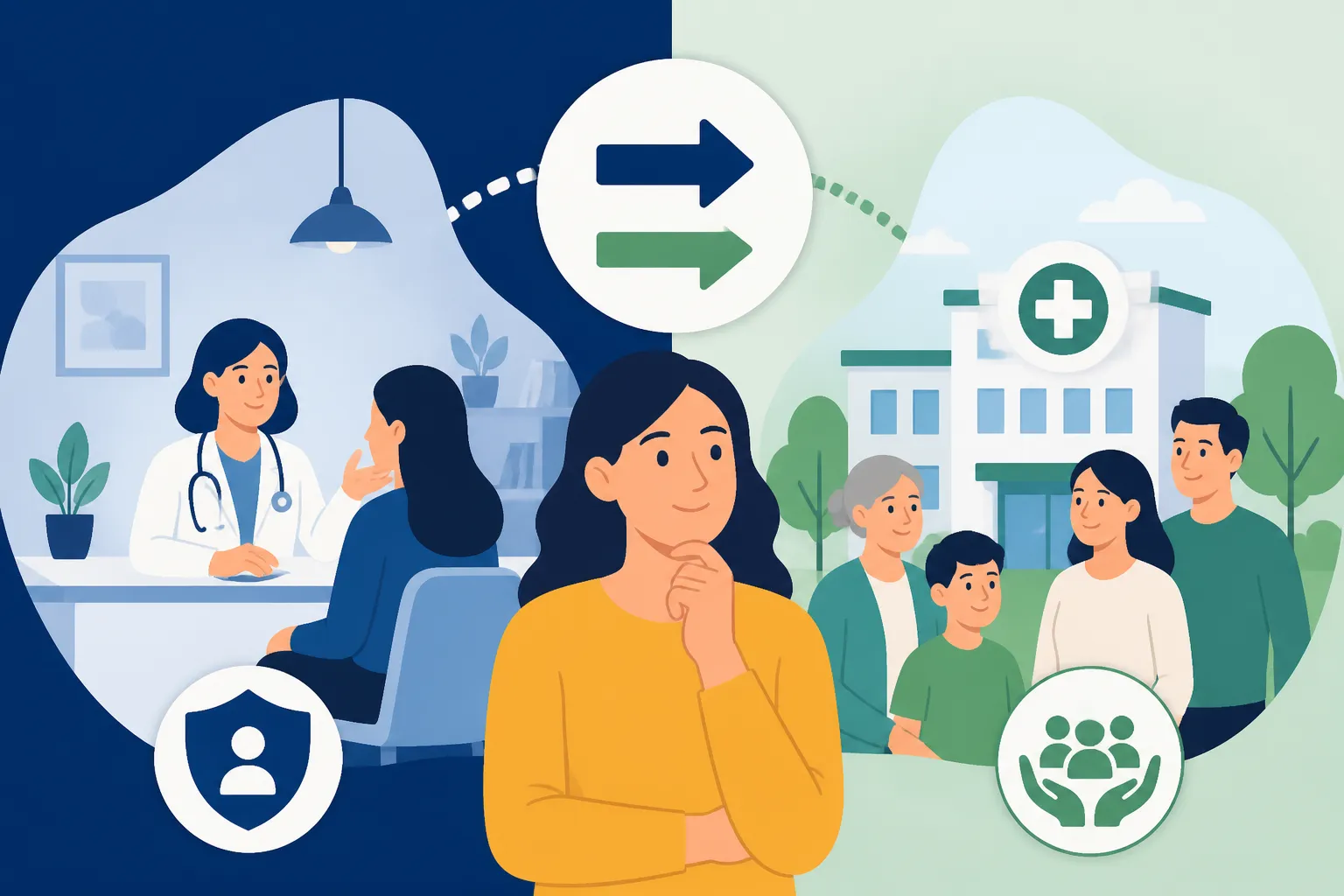
How Do I Switch from Private to Public Healthcare in Lithuania?
Moving to Lithuania often means figuring out a lot on the fly, and healthcare is one of those big, chunky puzzles. Many of us arrive, perhaps with a work visa or as a digital nomad, and opt for a private health insurance plan like SafetyWing just to get things sorted quickly. It's an easy, straightforward solution when you're still grappling with your Asmens Kodas and residence permits. But as you settle in, you might realize that the public healthcare system, funded by your compulsory health insurance (PSD) contributions, offers a more sustainable and integrated solution for long-term living. This guide is here to walk you through the sometimes-baffling process of transitioning from that initial private coverage to fully embracing Lithuania's public healthcare system.
Understanding the Lithuanian Public Healthcare System (PSDF)
When you first land in a new country, especially one with a different language and bureaucracy, it’s completely natural to gravitate towards what feels familiar or easy. For many expats, this means starting with private health insurance. But let's be honest, staying solely on private plans isn't always the most practical or cost-effective option for the long haul in Lithuania.
Why the Switch?
There are a handful of compelling reasons why many expats, after a period of private coverage, decide to make the leap to Lithuania's public healthcare system, managed by the National Health Insurance Fund (VLK) through the Compulsory Health Insurance Fund (PSDF).
First off, there's the cost. While private plans offer convenience, the premiums can add up, especially for families. When you're formally employed in Lithuania or running a registered business, a significant portion of your income already goes towards social security, which includes your PSD contributions. It just makes sense to utilize a system you're already contributing to. For example, if your employer is diligently paying your social contributions to Sodra, you're already funding the public system. Why pay extra for private unless it's for very specific, supplementary needs?
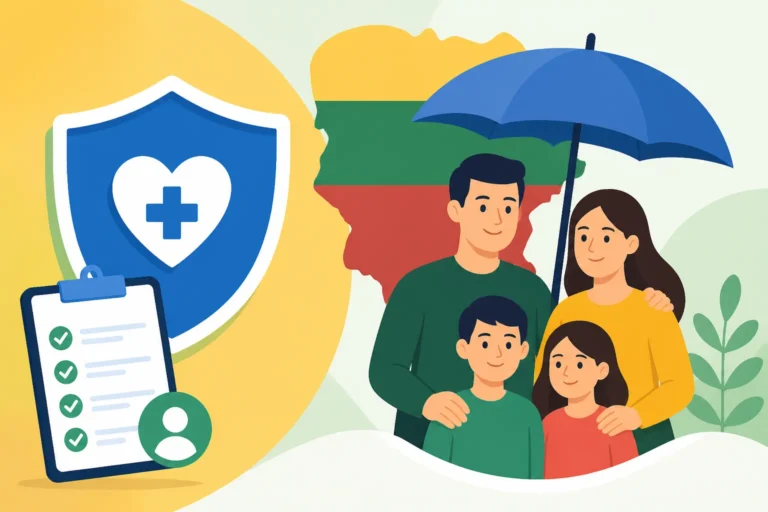
Secondly, for many, it’s about integration and feeling truly settled. Relying solely on a travel or expat-specific private plan, even a good one like SafetyWing, can sometimes feel like you’re still in a transient phase. Tapping into the local public system, registering with a local polyclinic, and having a family doctor is a huge step towards feeling like a local. It’s also often a requirement for specific long-term visas or permanent residency. Plus, for those with families, enrolling children in the public system ensures they're fully covered and integrated into local medical care standards.
Lastly, there's the comprehensive nature of public care. Once you're fully registered and contributing to the PSD, you unlock access to a broad spectrum of services, from general practitioner visits and specialist referrals to hospital care, maternity services, and often a portion of prescription costs. This is a much more robust safety net for long-term living than many basic private plans, which often have limits or exclusions, particularly for chronic conditions or pre-existing issues.
Who is Eligible for Compulsory Health Insurance (PSD)?
This is where the rubber meets the road. Eligibility for Lithuania's Compulsory Health Insurance (PSD) isn't automatic simply because you live here. It’s tied directly to your legal status and economic activity.
Generally, you're eligible if you are:
- Employed in Lithuania: If you have a formal employment contract with a Lithuanian company, your employer is responsible for deducting and remitting your PSD contributions to Sodra, along with other social security payments. This is the most common and straightforward path.
- Self-employed: If you're registered for individual activity (individuali veikla) or as a small partnership (Mažoji Bendrija), you are responsible for making your own monthly PSD contributions. This is crucial and often overlooked by new freelancers or business owners. Understanding PSD Contributions Through Sodra in Lithuania is vital.
- A student: If you're an international student enrolled in a Lithuanian educational institution, you might be eligible, though the specifics can depend on your country of origin and scholarship status.
- A dependent: Spouses and children of individuals who are actively contributing to PSD (or covered by the state) can often be registered under their family member's insurance.
- An EU/EEA/Swiss citizen: If you are legally residing in Lithuania and not otherwise covered by compulsory health insurance in another EU/EEA country (e.g., via an EHIC card), you are generally required to contribute to PSD. If you're not employed, you would make voluntary contributions.
- A long-term resident or specific vulnerable groups: Certain categories, such as retirees, those with disabilities, or individuals receiving social benefits, are covered by the state budget.
The key takeaway here is active contribution. Your eligibility stems from payments made to Sodra. If you're a non-EU citizen without a job or business registered in Lithuania, or you’ve just arrived and are still figuring things out, you might not automatically be covered by the public system. This is often why private plans, like those offered by SafetyWing, serve as a temporary bridge. However, for a proper, long-term switch, ensuring your PSD status is active is the foundational step, which you can often verify through the E-Sodra portal once you have your Asmens Kodas. Getting your Asmens Kodas (Personal Code) and Why It Matters for Healthcare should be one of your first steps.
The Step-by-Step Process to Transition to Public Healthcare
So, you've made up your mind: it's time to ditch the purely private setup and get integrated into the Lithuanian public healthcare system. This isn't a single switch you flip; it's a process, and it requires a bit of paperwork and patience.
Ensuring Your PSD Contributions are Active
This is the absolute bedrock of accessing public healthcare. Without active PSD contributions, you are essentially a private patient, even if you have an Asmens Kodas.
- If you are employed by a Lithuanian company: Congratulations, this is usually the easiest route! Your employer is legally obliged to register you with Sodra and pay your compulsory health insurance (PSD) contributions. These payments are deducted directly from your gross salary. You can (and should) always check your payslips to confirm these deductions. You can also monitor your social insurance status and contributions through the E-Sodra portal. This digital service is incredibly useful for expats, as it provides a comprehensive overview of your contributions and benefits. Just make sure you have your e-signature or mobile signature set up to log in.
- If you are self-employed (Individual Activity / Mažoji Bendrija): This requires more proactive management on your part. Once you've registered your individual activity (e.g., as a freelancer or consultant) with the State Tax Inspectorate (VMI), you are responsible for calculating and paying your monthly PSD contributions to Sodra. The exact amount is typically a percentage of a set base amount, which changes annually. It's crucial not to miss these payments, as a lapse will render your public health insurance inactive. You usually pay these through the VMI's Electronic Declaration System (EDS) or directly via online banking. Remember to budget for this, as it's a regular fixed cost on top of your income tax.
- If you are neither employed nor self-employed (and not a dependent): For EU citizens, you might be covered by your home country's EHIC if you’re temporarily here. However, for long-term residence in Lithuania without employment, you will generally need to make voluntary PSD contributions yourself. This is common for retirees or those with passive income. You'd register with Sodra to make these payments directly. It's a monthly fixed sum, and again, consistency is key.
Before you even think about visiting a public doctor, ensure your PSD status is "insured" (apdraustas) in the Sodra system. You can check this online via E-Sodra or by visiting a local Sodra branch. If your status is not active, you will be billed for all services at a public polyclinic. It's an important distinction that many new arrivals stumble upon – simply having a residence permit or an Asmens Kodas doesn't automatically mean free public healthcare. The system is funded by your contributions. For a deeper dive into the specifics, check out our guide on Registering for Compulsory Health Insurance (PSD) in Lithuania (2027).
Registering with a Polyclinic and Family Doctor (Šeimos Gydytojas)
Once your PSD contributions are active and regular, you're ready for the next critical step: officially registering with a public healthcare institution and choosing your family doctor. This is your gateway to virtually all public health services.
Lithuanian public healthcare operates primarily through polyclinics (poliklinika). These are multi-disciplinary outpatient clinics where you'll find general practitioners (family doctors), paediatricians, and various specialists.
Here’s how to go about it:
- Choose your Polyclinic: Research polyclinics in your area of residence. In larger cities like Vilnius or Kaunas, you might have several options. Consider proximity to your home or work, opening hours, and importantly, whether they have English-speaking staff or doctors. Many polyclinics now list their doctors' profiles online, sometimes even indicating language proficiencies. For example, in Vilnius, Antakalnio poliklinika or Šeškinės poliklinika are popular choices and often have experience with expats.
- Choose your Family Doctor (Šeimos Gydytojas): Once you've picked a polyclinic, you'll need to choose a specific family doctor. This doctor will be your primary point of contact for all non-emergency health issues. They will manage your general health, issue referrals to specialists, and write prescriptions. Don't rush this decision. Look for doctors who have good reviews or, if possible, are known to speak English. Our guide on How to Find an English-Speaking Doctor in Lithuania might be useful here.
- Gather Your Documents: You'll typically need:
- Your passport or national ID card (for EU citizens).
- Your Lithuanian residence permit (for non-EU citizens).
- Your Asmens Kodas (Personal Code).
- Proof of residence (e.g., your rental contract or a certificate from Registrų Centras confirming your declared place of residence).
- Any existing medical records, especially if you have chronic conditions, though these aren't strictly mandatory for initial registration.
- Complete the Registration Form: Visit your chosen polyclinic's registration desk (registratūra). You’ll fill out a form indicating your choice of polyclinic and family doctor. They will then process your registration, usually verifying your PSD status through the national e-health system.
- Confirmation: Once registered, you will be officially linked to that polyclinic and family doctor within the national E-Sveikata (E-Health) System. This means your public health insurance is now active and accessible through your chosen primary care provider. For more details on this crucial step, refer to How to Choose and Register with a Family Doctor (Šeimos Gydytojas) in Lithuania.
Deregistering from Private Insurance (If Applicable)
It's common for expats to initially rely on a private insurance plan, especially if they're still waiting for their residence permit or just setting up their life in Lithuania. Companies like SafetyWing offer flexible, often monthly, plans that are perfect for this transitional phase. However, once you’re firmly integrated into the public system, you'll need to decide what to do with your private coverage.
Here's a pragmatic approach:
- Don't cancel immediately: It's a really good idea to ensure your public health insurance is fully active and you are successfully registered with a family doctor before you cancel your private policy. You don't want any gaps in your coverage. The Lithuanian bureaucratic machine, while efficient, can sometimes take a bit longer than expected, and having a backup for a month or two can save you a lot of stress (and money) if something unexpected happens.
- Review your private policy: Check the terms and conditions of your private insurance. What is the notice period for cancellation? Are there any penalties for early termination? If you have a flexible month-to-month plan, like many SafetyWing policies, cancellation might be as simple as not renewing the next month. For longer-term contracts, you might need to give a specific amount of notice.
- Consider a hybrid approach: Some expats, even after being fully integrated into the public system, choose to keep a basic private plan. Why? Because private clinics can often offer faster access to specialists, more convenient appointment times, or a greater guarantee of English-speaking doctors. This can be particularly appealing if you have specific health needs or simply value speed and convenience. It's a matter of personal preference and budget. Understanding Private Health Insurance Plans in Lithuania can help you weigh your options.
The goal is a seamless transition. Once you're confident in your public healthcare coverage and understand its scope, then you can confidently adjust or cancel your private insurance.
What to Expect After the Switch: Benefits and Considerations
So, you've done it! You've successfully navigated the paperwork, ensured your PSD contributions are active, and registered with a polyclinic and a family doctor. Welcome to the Lithuanian public healthcare system! But what does this really mean for your day-to-day health needs?
Accessing Services and Understanding Coverage
Once you’re in the system, your family doctor becomes your first port of call for almost everything.
- General Practitioner Visits: All consultations with your family doctor are covered by your PSD. They will handle routine check-ups, treat common illnesses, manage chronic conditions, and provide vaccinations.
- Specialist Referrals: If your family doctor determines you need to see a specialist (e.g., a dermatologist, cardiologist, or gynaecologist), they will issue an electronic referral (siuntimas) through the E-Sveikata system. Without this referral, specialist visits are generally not covered by the PSDF, meaning you’d pay privately. This referral system is how How E-Referrals (Siuntimas) Work for Specialists in Lithuania.
- Prescription Medications: A significant portion of prescription medication costs can be subsidized or fully covered, provided they are prescribed by a public system doctor and are on the national list of reimbursed medicines. You'll receive an electronic prescription (e-receptas) which you can then take to any pharmacy (vaistinė). You can read more about Prescription Medications and Pharmacies in Lithuania: The Complete Guide.
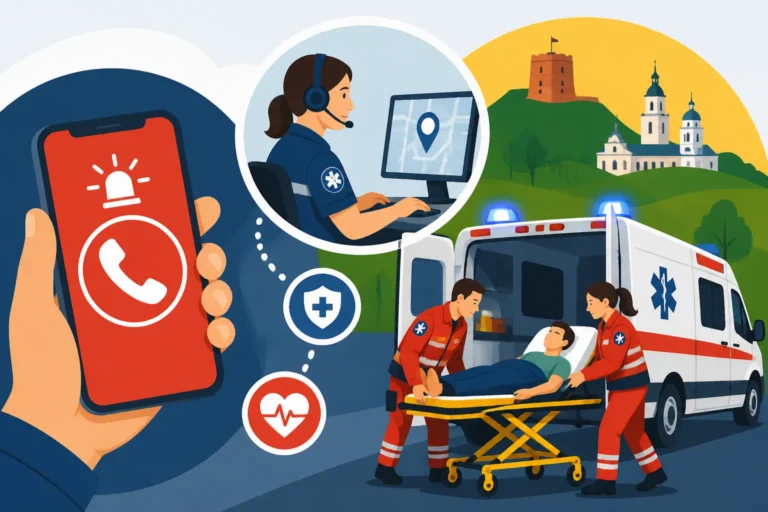
- Hospital Care: Inpatient care, including surgeries and diagnostics, is covered when medically necessary and referred by a public system doctor. Emergency care is always provided, regardless of your insurance status, but if you're not publicly insured, you may be billed for non-urgent emergency services. Understanding Hospital Care at a Lithuanian Ligoninė is important.
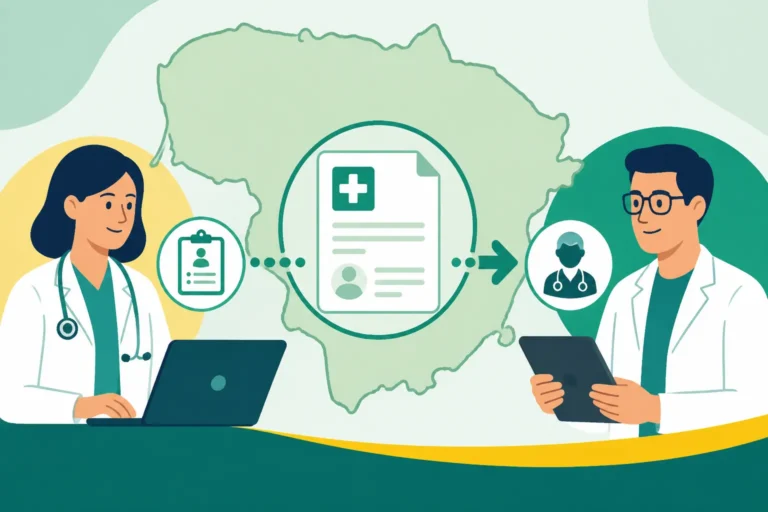
- E-Sveikata: This national electronic health system is where all your medical records, prescriptions, and referrals are stored. Your doctors will access and update your information here. You can also gain access to your own records. Understanding the E-Sveikata (E-Health) System in Lithuania is crucial for managing your health.
While the public system covers a broad range of services, it’s worth noting that some dental care (beyond basic emergency interventions) and certain elective procedures may still require out-of-pocket payments or private insurance coverage.
Pros and Cons of Public vs. Private Healthcare
Switching from private to public healthcare in Lithuania comes with its own set of advantages and disadvantages. It’s not necessarily about one being "better" than the other, but rather which system better suits your long-term needs and expectations.
Public Healthcare (PSDF)
| Feature | Pros | Cons |
|---|---|---|
| Cost | Low direct out-of-pocket expenses (covered by PSD contributions). | Monthly mandatory contributions via employer or self-payment. |
| Coverage | Comprehensive for essential medical services, including specialists and hospital stays. | Limited coverage for non-essential dental, cosmetic, or alternative therapies. |
| Access | Guaranteed access to family doctor; specialist access via referral. | Potential waiting times for specialist appointments, diagnostics, and elective surgeries. |
| Integration | Fully integrated with national health records (E-Sveikata). | Can be bureaucratic; less flexibility in choosing specialists directly. |
| Language | English-speaking doctors are available but not guaranteed in all public clinics. | May face language barriers with some staff, especially outside major cities. |
Private Healthcare
| Feature | Pros | Cons |
|---|---|---|
| Cost | Fixed monthly/annual premiums, but out-of-pocket costs for many services. | Can be significantly more expensive for comprehensive coverage or if you need frequent care. |
| Coverage | Often includes broader range of elective, dental, or niche treatments depending on policy. | Varies greatly by policy; may have exclusions, deductibles, or annual limits. |
| Access | Faster appointments, direct access to specialists (no referral needed). | Not universally accepted; may need to pay upfront and claim reimbursement. |
| Integration | High flexibility in choosing doctors and clinics. | Records might not be fully integrated with national E-Sveikata system. |
| Language | Higher likelihood of finding English-speaking doctors and staff. | Still requires navigating a different system if you need public services. |
Many expats find that a hybrid approach often offers the best of both worlds. Being fully covered by the PSDF for primary care, emergencies, and serious medical conditions, while supplementing with private insurance (like those flexible plans from SafetyWing for travel or specific procedures) for faster specialist access or specific treatments not fully covered by the public system, can be a smart strategy. This way, you benefit from the stability and comprehensive nature of the public system while having the flexibility and speed that private options can provide. For a detailed comparison, you can consult Public vs Private Healthcare in Lithuania: Which Should Expats Choose?. Ultimately, your choice will depend on your health needs, financial situation, and how long you plan to call Lithuania home. Navigating the Lithuanian Healthcare System: An Expat's Roadmap (2026) offers a broader perspective on the entire system.
Disclaimer
The information provided in this guide is intended for general informational purposes only and does not constitute legal, financial, or medical advice. Healthcare regulations and policies in Lithuania can change, and individual circumstances vary widely. Always consult with official Lithuanian authorities, such as the Migration Department (MIGRIS), Sodra, the State Tax Inspectorate (VMI), and the National Health Insurance Fund (VLK), or qualified legal and healthcare professionals for personalized advice regarding your specific situation.