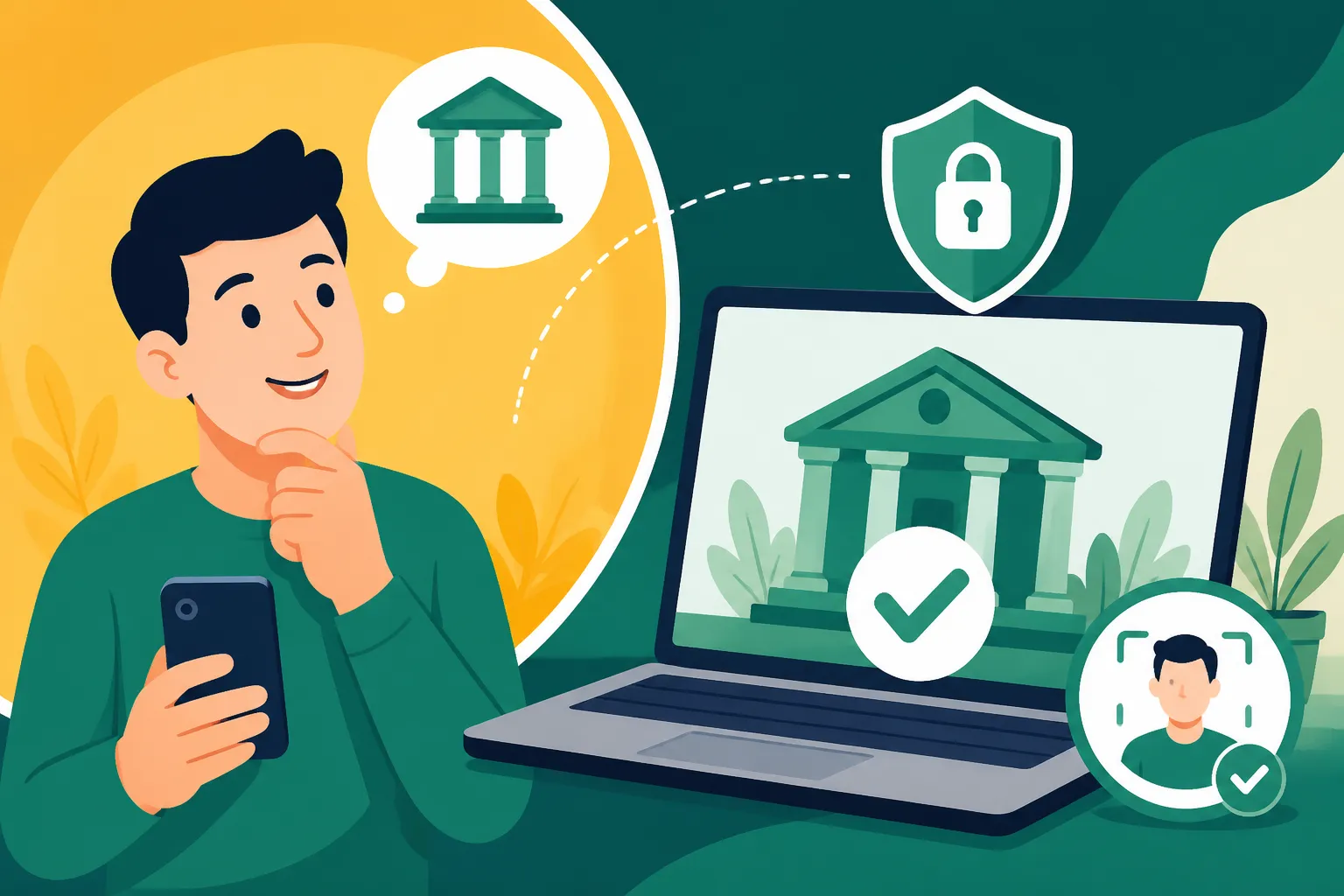
Can I Open a Lithuanian Bank Account Online?
Ah, the quest for a bank account in a new country! It's one of those initial hurdles that often feels like you're trying to solve a Rubik's Cube while blindfolded. Many expats, myself included, arrive in Lithuania with the hope of setting up all their financial affairs with just a few clicks from their laptop. The burning question, "Can I open a Lithuanian bank account online?" is a perfectly natural one, especially in our increasingly digital world. This guide is here to untangle the reality, help you understand your options, and hopefully, save you some headaches by outlining exactly what's possible and what challenges you might face when trying to get your money matters sorted in Lithuania.
The Evolving Landscape of Online Banking in Lithuania for Expats
When you first land in a new country like Lithuania, getting your financial life in order is paramount. You need to pay rent, get paid, and generally manage your day-to-day expenses without incurring ridiculous international transfer fees. The idea of opening a bank account online is incredibly appealing, promising convenience and speed. But, like many things in the expat journey, the reality can be a bit more nuanced than you initially hope for.
The Traditional Bank Approach vs. Modern Fintech
Let's be frank: the traditional banking sector in Lithuania, much like in many other European countries, can sometimes feel a bit… behind the times when it comes to fully online onboarding for new non-residents. Banks like Swedbank and SEB, which are huge players here, have robust online banking platforms once you're a customer, but the initial account opening process often requires a physical presence. It's not a Lithuanian thing exclusively; it's often a regulatory thing, focused on preventing fraud and ensuring proper identity verification for those without an established local footprint.
However, the financial landscape isn't static. There's been a massive surge in modern fintech solutions and Electronic Money Institutions (EMIs) that have truly disrupted how expats manage their money. These digital-first platforms often have far fewer barriers to entry, making it significantly easier to get an account set up from the comfort of your home, sometimes even before you've officially moved here. They really understand the pain points of international residents.
Why Online-First Solutions are Attractive to Foreigners
For expats, the allure of online-first solutions is undeniable. Imagine this: you've just arrived, you're jet-lagged, trying to navigate a new city, maybe don't speak Lithuanian yet, and the last thing you want to do is spend hours in a bank queue, filling out forms in a language you barely understand. This is where digital platforms shine.
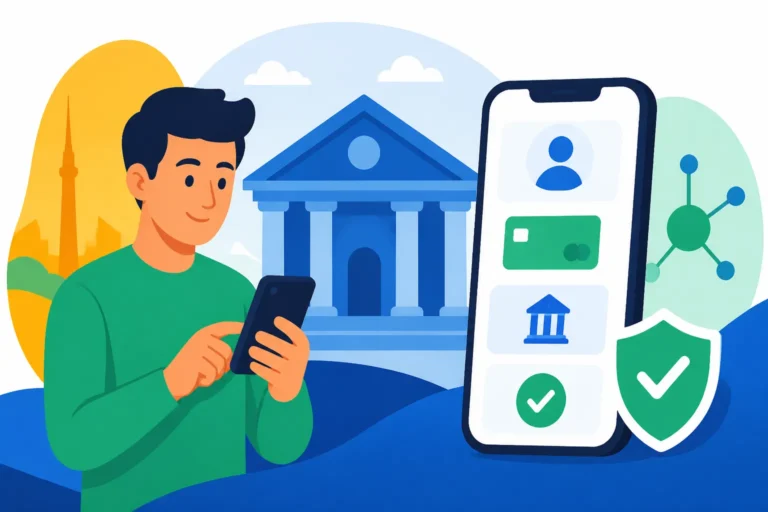
Firstly, they offer unparalleled convenience. Many allow you to complete the entire application process using just your smartphone, verifying your identity with a quick video call or a selfie. Secondly, they often provide multilingual support, which is a godsend when you're trying to understand terms and conditions. I can't tell you how many times I wished for clearer English explanations when I was first setting things up! Thirdly, these platforms are often designed with lower fees for international transfers and daily banking, making them a more economical choice for those who frequently move money across borders or receive salaries from foreign employers. For anyone working remotely or freelancing, this can make a huge difference to your bottom line. They've genuinely streamlined the process, understanding that expats need quick, efficient, and cost-effective ways to manage their finances.
Navigating Online Bank Account Opening with Traditional Lithuanian Banks
Alright, let's talk about the big players in Lithuania. If you're hoping to open an account with a traditional bank like Swedbank or Luminor fully online before you even set foot in the country, I'm here to give you a dose of reality, tempered with advice.
The Reality Check for Non-Residents
The honest truth is that for new non-resident expats, opening an account with a traditional Lithuanian bank like Swedbank, SEB, or Luminor usually cannot be done entirely online. These banks, for very legitimate reasons (anti-money laundering regulations, 'know your customer' protocols), typically require a physical visit to a branch. This is where they verify your identity in person, scan your original documents, and ensure everything is above board.
What does this usually entail?
- An Asmens Kodas (Personal Code): While not always a strict pre-requisite to start the conversation, having your How to Get Your Asmens Kodas Personal Code and Why It Matters for Healthcare is often crucial for completing the account setup, especially for linking it to your tax and social security information. Without it, some banks might hesitate or only offer limited services.
- Proof of Residency: You'll almost certainly need to show proof that you are, or will soon be, a resident in Lithuania. This could be your temporary residence permit application, an employment contract with a Lithuanian company, or a rental agreement.
- Proof of Income/Employment: Banks want to understand your financial situation. An employment contract from a Lithuanian company is usually the easiest way to show this. If you're self-employed, you'll need to demonstrate a stable income source.
- The Physical Visit: This is the sticking point. You'll need to book an appointment, go into a branch, and bring all your original documents. Be prepared for some waiting, and if your Lithuanian isn't up to scratch, try to find a branch in Vilnius or Kaunas that explicitly advertises English-speaking staff, or bring a Lithuanian-speaking friend. Trust me, it makes a world of difference.
It's a process that validates the frustrations many foreigners face. You might think, "But I have all my documents, why can't I just upload them?" And that's a fair question. The answer lies in the deeply ingrained regulatory frameworks that prioritize physical presence for initial verification, especially for individuals who don't yet exist in the national databases.
What You Might Be Able to Do Online After Initial Setup
Now, don't despair completely! The good news is that once you've successfully opened an account with a traditional Lithuanian bank, the management of that account is almost entirely online. This is where those modern, user-friendly platforms come into play.
- Robust Online Banking Platforms: Banks like SEB and Luminor have excellent online banking portals. You can check your balances, view transaction history, set up recurring payments, and manage direct debits – all from your browser.
- Intuitive Mobile Apps: The mobile banking apps are typically top-notch. You can do almost everything on your phone that you can do on your computer, from making instant transfers to paying bills.
- International Transfers: Most traditional banks allow you to initiate international transfers online, though the fees and exchange rates might not always be the most competitive compared to specialized services (more on that later!). This is where you might start looking into How to Transfer Money Internationally from a Lithuanian Account.
- E-Payments: Linking your bank account to various e-payment services and online shopping portals is standard and seamless. You can even pay your Understanding Utility and Communal Costs (Komunaliniai Mokesčiai) in Lithuania through your online bank account.
So, while the initial hurdle of opening the account often requires a physical presence, managing your daily finances in Lithuania through a traditional bank quickly becomes a completely digital experience. It's a journey from analog bureaucracy to digital convenience.
The Fintech Solution: Opening Accounts with Digital Banking Platforms
Now, if the idea of visiting a physical bank branch and wrestling with paperwork makes you want to pack your bags before you've even unpacked, there's a shimmering beacon of hope in the fintech world. Digital banking platforms and Electronic Money Institutions (EMIs) have truly revolutionized how expats can access financial services in Lithuania.
Understanding Digital Banks and EMIs
What exactly are we talking about here? Digital banks and EMIs are financial service providers that operate almost entirely online, without the vast network of physical branches that traditional banks maintain. They are agile, tech-driven, and often have a global perspective, making them perfectly suited for expats and digital nomads.
Lithuania, in particular, has become quite a hub for these types of companies, thanks to a supportive regulatory environment and a push to become a leading fintech nation. This means you have quite a few options available.
- Electronic Money Institutions (EMIs): These are companies licensed to issue electronic money and provide payment services. They are regulated by the Bank of Lithuania (or other European financial authorities) but typically do not hold a full banking license. This means your funds might not be protected by the same national deposit insurance schemes (like the Lithuanian Deposit and Investment Insurance Fund) that cover traditional bank accounts up to €100,000. However, EMIs are legally required to safeguard your funds in separate accounts, ensuring they can't be used for their operational purposes.
- Advantages for Expats: Their key selling points are usually incredibly fast onboarding, often fully online, and lower fees for international transactions. They often support multiple currencies, making it easy to receive payments in USD, GBP, or EUR without steep conversion costs.
One of the most popular and reliable platforms that expats often turn to is Wise (formerly TransferWise). I've used Wise myself for years, and it's been a lifesaver for managing money across borders. With Wise, you can open a multi-currency account that gives you local bank details in several countries, including Eurozone (Lithuania included), the UK, US, Canada, Australia, and more. This means you can receive payments as if you had a local account in those countries, often avoiding costly SWIFT fees. Their international transfers are notoriously transparent and cost-effective, which is a huge bonus when you're settling into a new place and your home country funds need to follow you.
Other popular options include Revolut and N26, which offer similar digital-first banking experiences. These platforms are often cited when people ask, "Can I Use Wise or Revolut Instead of a Lithuanian Bank?" and for good reason – for many daily transactions and international needs, they certainly can.
The Online Application Process: Step-by-Step for Digital Platforms
This is where the magic happens for online account opening. The process with digital banks and EMIs is designed to be quick and hassle-free, often taking mere minutes to get started and sometimes less than 24 hours for full verification.
Here's a typical step-by-step for opening an account with a platform like Wise:
- Download the App or Visit the Website: Start by downloading the app (available on iOS and Android) or heading to their official website.
- Sign Up with Basic Information: You'll typically be asked for your email address, phone number, and to create a password.
- Choose Your Account Type: Decide if you need a personal or business account.
- Provide Personal Details: Fill in your name, date of birth, and residential address. For many expats, this might initially be a temporary address in Lithuania or even your home country address if you're setting things up pre-arrival.
- Identity Verification: This is the crucial step. You'll usually need to:
- Upload a photo of your ID: This could be your passport, national ID card, or residence permit. Make sure the photos are clear and all details are legible.
- Take a selfie/video verification: Many platforms require a live selfie or a short video of you speaking a few words to confirm you are who you say you are. This biometric verification is a modern security measure.
- Sometimes, Proof of Address: While not always required initially, some platforms may ask for a recent utility bill, bank statement, or rental contract to confirm your residential address.
- Fund Your Account: You might need to make a small initial deposit to activate your account.
- Order a Debit Card (Optional): Once verified, you can usually order a physical debit card, which will be mailed to your chosen address in Lithuania. Many also offer virtual cards for immediate online use.
The speed and convenience are truly remarkable. You can often complete the entire application from your phone while enjoying a coffee. For instance, getting your details verified by Wise can often happen within a few hours. This makes settling in so much easier, allowing you to quickly get a local Euro account number to receive your salary or pay bills, even before you've fully integrated into the Lithuanian administrative system.
Key Requirements and Considerations for Online Account Opening
While digital banking makes things a lot smoother, there are still some fundamental requirements and important considerations you need to be aware of. It's not a free-for-all, and understanding these will help you prepare and avoid any frustrating delays.
Essential Documentation and Information
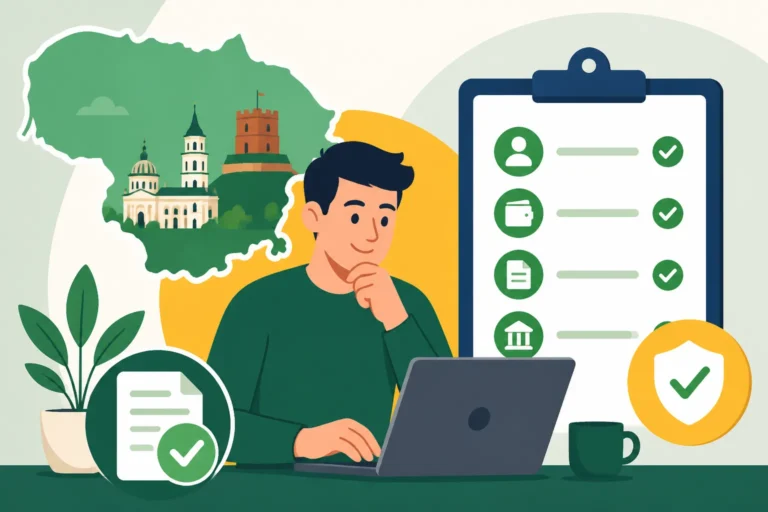
Whether you're going for a traditional bank or a fintech solution, certain documents are almost universally required. Being prepared with these will save you a lot of time and potential headaches.
- Valid Passport or National ID Card: This is your primary form of identification. Ensure it's current and clearly legible. For non-EU citizens, a passport is almost always preferred.
- Proof of Residence: This is where things can get tricky for new arrivals.
- For Traditional Banks: They will almost certainly want official proof of your address in Lithuania. This could be your rental contract (nuomos sutartis), a utility bill in your name, or a confirmation from the Migration Department that your How to Apply for a Temporary Residence Permit TRP in Lithuania has been approved. They might also need a certificate of declared place of residence from Registrų Centras.
- For Digital Platforms (EMIs): Many are more flexible. Some might accept a foreign utility bill, a bank statement from your home country showing your address, or even just your self-declared address, especially if you're only opening an account for international transfers initially. However, to get a physical card delivered or fully utilize all features, you'll eventually need a local address.
- Asmens Kodas (Personal Code): As mentioned earlier, for traditional banks, having your Asmens Kodas is almost non-negotiable for a full-service account. For EMIs and digital banks, you might be able to open an account without it initially, but you will need it for many other aspects of life in Lithuania, especially for tax purposes and interacting with government services. If you're employed, your employer will register you for social security and tax purposes, and your Asmens Kodas will be key. If you're self-employed, getting your Asmens Kodas will be one of the first things to do when you How to Register Individual Activity Individuali Veikla in Lithuania.
- Tax Residency Information: This is increasingly important. Financial institutions are obligated to report certain financial information to tax authorities, especially with the Common Reporting Standard (CRS). You'll need to declare your tax residency and provide your Tax Identification Number (TIN) from your home country and/or Lithuania. This is a critical area where consulting resources like Taxes for Expats can be incredibly helpful to ensure you're compliant with Lithuanian regulations and avoid any nasty surprises down the line. Understanding Tax Residency Rules for Expats in Lithuania is vital, especially if you're working remotely for a foreign company.
It's a lot, I know. But gathering these documents upfront will streamline your entire process, whether you're queuing at SEB or verifying your ID with Wise. If you're wondering "What Documents Do I Need to Open a Bank Account in Lithuania?", this pretty much covers the essentials for any financial institution.
Security, Fees, and Services Comparison
Choosing between a traditional bank and a fintech solution isn't just about ease of opening; it's also about what you get for your money and how secure your funds are.
Security:
- Traditional Banks: Funds up to €100,000 are protected by the national deposit insurance scheme (VĮ Indėlių ir Investicijų Draudimas). They are subject to stringent regulations from the Bank of Lithuania and the European Central Bank.
- EMIs/Digital Banks: While they don't typically fall under the same deposit insurance, they are regulated by financial authorities (like the Bank of Lithuania for many locally licensed EMIs) and are required to safeguard your funds in segregated accounts with reputable financial institutions. This means your money is kept separate from their operational funds and would theoretically be returned to you even if the company went bankrupt. It's a different type of protection, but still robust.
Fees: This is often where digital platforms truly shine for expats.
| Feature | Traditional Lithuanian Banks (e.g., Swedbank, SEB) | Digital Banks/EMIs (e.g., Wise, Revolut) |
|---|---|---|
| Monthly Account Fees | Often a small monthly fee (€0.50 – €2.00), sometimes waived for certain packages or students. | Many offer free basic accounts; premium tiers for extra features have monthly fees (€3 – €10+). |
| ATM Withdrawals | Free at own bank's ATMs, fees for other banks/countries. | Often a free limit (€200-€400/month), then a small fee (e.g., 2%). |
| International Transfers | Fees vary, can be higher, often less competitive exchange rates. | Often much lower fees, transparent pricing, real-time mid-market exchange rates (e.g., Wise). |
| Card Delivery | Free with account opening. | Small fee for standard delivery, express delivery costs more. |
| Multi-Currency Accounts | Generally limited to EUR. | Standard offering, with local details for many currencies. |
| Initial Deposit | May require a minimum initial deposit for some account types. | Often no minimum initial deposit or a very small one to activate. |
- Monthly Fees: Traditional banks usually have a small monthly maintenance fee, which can sometimes be waived. Digital platforms often have free basic accounts, with optional paid tiers offering more features or higher limits. If you're curious about "How Much Is the Monthly Fee at Lithuanian Banks for Expats?", it's usually minimal.
- International Transfers: This is the big one. Traditional banks can charge various fees for international transfers, and their exchange rates might not always be the best. Companies like Wise are built on the principle of transparent, low-cost international money transfers, often using the real mid-market exchange rate. This can save you a significant amount, especially if you're regularly sending money home or receiving your salary in a different currency.
- ATM Withdrawals: Both types of institutions offer debit cards, but ATM fees can differ. Digital banks often provide a certain amount of free withdrawals per month, after which a small fee applies.
Services:
- Traditional Banks: Offer a full suite of services, including mortgages, loans, investments, and in-person advisory. They are generally preferred for long-term financial planning and significant transactions.
- Digital Banks/EMIs: Primarily focus on daily banking, international transfers, budgeting tools, and often virtual cards. While some are expanding into loans or investments, they typically don't offer the same depth of traditional financial products.
For many expats, a hybrid approach works best: a digital account like Wise for easy international money management and daily spending, and a traditional Lithuanian bank account once you're fully settled for larger financial needs, mortgages, or if your employer requires it for salary deposits.
Common Challenges and Troubleshooting for Expats
Even with the convenience of online options, being an expat in a new country means facing unique challenges. Banking is no exception. It's not always smooth sailing, and knowing what to expect can help you navigate potential issues.
Language Barriers and Customer Support
One of the most common frustrations for new arrivals is the language barrier. While younger generations in Lithuania, especially in Vilnius and Kaunas, often speak excellent English, this isn't always the case in every administrative setting, including some bank branches or customer service lines.
- Traditional Banks: While major branches in big cities will usually have English-speaking staff, you might encounter difficulties if you call a general customer service line or visit a smaller branch in a less internationalized town. Their online self-service portals might also have limited English translation for more complex functions.
- Digital Platforms: This is another area where digital banks excel. They are built for a global audience, so their apps, websites, and customer support are almost always available in multiple languages, including perfect English. This makes understanding terms, resolving issues, and asking questions significantly less stressful. It's a massive relief when you're trying to figure out "How Do I Get Help Filing My Lithuanian Tax Return in English?" or just understand a complex banking term.
My advice: Always start by checking if the bank or platform explicitly states they offer English support. If you need to visit a traditional bank, try to book an appointment and request an English-speaking advisor if possible. Don't be afraid to bring a local friend or colleague to help translate if you anticipate difficulties.
Verification Hurdles and Delayed Approvals
Even with the streamlined online processes of digital banks, verification can sometimes hit a snag. It's often due to small, easily fixable issues, but it can cause delays.
- Document Clarity: Ensure all documents you upload (passport, ID, proof of address) are high-resolution, well-lit, and perfectly legible. Any blurriness, glare, or cut-off edges can lead to rejection and requests for resubmission.
- Address Discrepancies: Make sure your declared address precisely matches what's on your proof of address documents. Even minor differences in spelling or abbreviations can flag an issue.
- Residence Permit vs. Visa: If you're a non-EU citizen, make sure you're providing the correct document. A national D visa is for entry, but for a longer stay and banking, your temporary residence permit (TRP) card is often the key.
- Sanctions Checks/Source of Funds: Financial institutions are legally obligated to conduct thorough checks on their customers, especially for international transfers. If your background is from a country with heightened sanctions or you're transferring a very large sum, expect additional questions about the source of your funds. This is standard procedure and not personal.
- Patience is Key: Sometimes, despite everything being correct, approvals can take longer than advertised due to high volumes or internal reviews. Don't panic immediately; politely follow up with customer support if you haven't heard back within the expected timeframe.
Remember, the goal of these verification steps is to protect both you and the financial institution from fraud. While it can feel cumbersome, it's a necessary part of secure banking. If you encounter issues, provide clear, concise responses to any requests for additional information. It will speed up the process in the long run.
Navigating the financial world as an expat in Lithuania has definitely become easier with the rise of digital options. While traditional banks still have their place (especially for those deeper financial commitments), the ability to get started with your finances online, even before you're fully settled, is a game-changer. Whether you choose a traditional bank, a fintech giant like Wise, or a combination of both, understanding the requirements and potential hurdles will set you up for success.
Disclaimer
Please remember that I am an expat blogger, not a financial advisor or legal professional. While I strive to provide accurate and up-to-date information based on my personal experiences and research, regulations and policies can change rapidly. Always cross-reference this information with official sources such as the Bank of Lithuania, the Lithuanian Tax Authority (VMI), the Migration Department (MIGRIS), and consult with qualified legal or financial professionals for personalized advice. Your specific circumstances may require different approaches.