Can I Get a Debit Card from a Lithuanian Bank Without Residency?
Moving to a new country like Lithuania often brings a whirlwind of administrative hurdles, and one of the most immediate frustrations many expats face is simply getting access to their money. You arrive, you've got your documents (or so you think!), and all you want is a basic debit card to manage your daily expenses, only to be met with blank stares or polite "no's" from traditional banks. It's a common dilemma: how do you get a debit card from a Lithuanian bank if you haven't yet established full residency? This guide will cut through the confusion and lay out your realistic options, helping you navigate your financial setup in this beautiful country.
The Residency Requirement for Traditional Lithuanian Banks
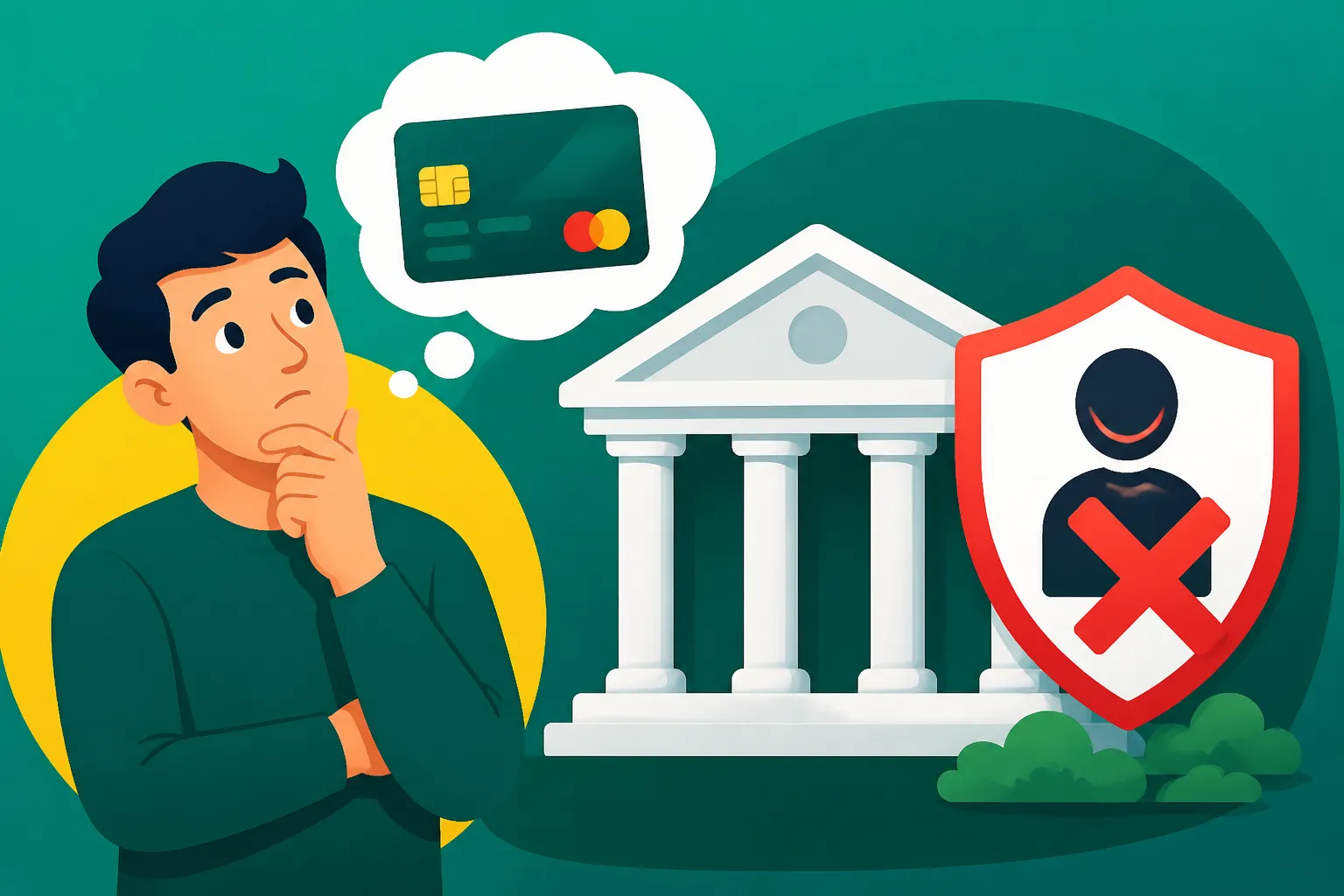
Let's be frank from the start: getting a debit card from a traditional Lithuanian bank like Swedbank, SEB, or Luminor without an established residence permit is exceptionally difficult, if not impossible. Their policies are stringent, and for good reason—they need to comply with anti-money laundering (AML) and know-your-customer (KYC) regulations. For them, "residency" typically means you have a valid temporary or permanent residence permit issued by the Lithuanian Migration Department.
Why Traditional Banks Insist on Formal Residency
When you walk into a branch of a major Lithuanian bank, they're not just looking for a passport and a smile. They're looking for proof that you are legally residing in the country for the long term and have a legitimate reason to bank here. This usually translates into a few key documents:
- Your Asmens Kodas (Personal Code): This is your unique national identification number, essential for almost all official transactions in Lithuania, including opening a bank account. You generally receive this when you get your residence permit. Without it, you're essentially a ghost in the system for official purposes. If you're wondering how crucial this is, consider reading our guide on How to Get Your Asmens Kodas (Personal Code) and Why It Matters for Healthcare.
- A Valid Residence Permit: This is the big one. Whether it's a temporary residence permit (TRP) or a permanent one, this document proves your legal right to live in Lithuania beyond a short-term visa. It confirms your status and allows banks to verify your identity and address through official channels.
- Proof of Address: Even with a residence permit, they often want additional proof of your physical address in Lithuania, such as a rental agreement or a utility bill in your name. This connects you firmly to the local infrastructure.
- Proof of Income/Funds: While not always strictly a "residency" requirement, banks might ask for proof of your financial stability or the source of your funds to comply with financial regulations. This isn't usually an issue once you have an employment contract, but it can be a hurdle if you're just starting out.
Imagine a scenario: you've just arrived in Vilnius, perhaps on a National (D) visa, still waiting for your Temporary Residence Permit application to be processed. You have a rental agreement, but no Asmens Kodas or TRP yet. You go to a branch of SEB, hopeful. The customer service representative, despite being polite, will almost certainly inform you that without that precious residence permit and Asmens Kodas, their hands are tied. They can't onboard you into their system, which is built around these official identifiers. This isn't them being difficult; it's them adhering to the rules that govern the financial system. It’s the harsh reality of setting up your life here, and it's a frustration many expats share.
The Nuance for EU/EEA Citizens
If you're an EU/EEA citizen, the situation is slightly different, but still requires a step beyond simply existing. While you don't need a "residence permit" in the same way non-EU citizens do, you do need to declare your right of residence in Lithuania if you plan to stay for longer than three months. This process involves registering your address with the local municipality and obtaining a certificate of residence (usually from the Migration Department). Once you have this official document, along with your passport and ideally an Asmens Kodas (which you can apply for after declaring residence), opening a traditional bank account becomes much more feasible. So, while the term "residence permit" might not apply, the need for formalized residence status is still very much a requirement. For more detailed information, check out How to Declare Your Right of Residence as an EU Citizen in Lithuania.
Fintech Solutions: Your Best Bet Before Full Residency
Given the hurdles with traditional banks, many expats in Lithuania turn to modern financial technology (fintech) companies. These platforms are often designed to be more accessible, offering a lifeline for those who are still in the process of formalizing their residency. They operate somewhat differently and typically have more flexible requirements.
Understanding Fintech Banks and Neobanks
Fintech companies, often referred to as "neobanks" or "challenger banks," provide many services similar to traditional banks but operate primarily online or through mobile apps. They usually have leaner structures, lower overheads, and a global outlook, which makes them particularly attractive to expats and digital nomads. Some prominent examples that are widely used in Lithuania (and across Europe) include Revolut, N26, and Wise.
Here's why they're often a better immediate option:
- Less Stringent Residency Requirements: Many fintechs only require proof of legal residence in any EU/EEA country (or sometimes even outside this bloc, depending on their licensing). This means if you're an EU citizen, or a non-EU citizen with a residence permit from another EU country, you can often open an account and get a debit card even before you have your Lithuanian residence permit. Even if you're coming from further afield, many only require a valid ID and proof of address from your home country, or a stable address in an accepted region.
- Quick Setup: The account opening process is usually fully digital and incredibly fast. You can often open an account and get a virtual debit card within minutes, and a physical card mailed to you within a few days.
- Multi-currency Accounts: Many offer multi-currency accounts, which are a godsend for expats dealing with international transfers and different currencies. For example, a platform like Wise is fantastic for managing money across borders, offering competitive exchange rates and often lower fees than traditional banks. This can be a huge benefit when you're receiving your salary in one currency and paying local expenses in another.
- Debit Card Access: You'll typically get a virtual debit card immediately upon account approval, which you can link to your phone for mobile payments (Apple Pay, Google Pay). A physical card will follow by post.
Specific Fintech Options Popular in Lithuania
- Revolut: This is arguably the most popular fintech solution among expats in Lithuania. It offers a Lithuanian IBAN (LT code), which is a huge advantage as it makes it easier to receive local salaries and set up direct debits for local bills. You can usually open an account with just a passport/ID and a selfie, often without needing a local residence permit right away if you can prove residence in another EU country.
- Wise (formerly TransferWise): While perhaps best known for its international money transfer services, Wise also offers a multi-currency account with a debit card. You can hold balances in dozens of currencies and get local bank details for several countries, including the Eurozone. This is excellent for receiving payments from abroad or for those who work remotely for foreign companies. It's a great choice if you're regularly moving money internationally. You can learn more about managing your tax obligations with foreign income by consulting resources like Taxes for Expats.
- N26: A German neobank, N26 also offers a full Eurozone bank account with a debit Mastercard. Similar to Revolut, it generally requires residence in an EU country for account opening, but not necessarily Lithuanian residency specifically at the outset.
These platforms often bridge the gap seamlessly, allowing you to manage your finances, receive money, and make payments while you're navigating the process of getting your formal Lithuanian residence permit and Asmens Kodas.
| Feature | Traditional Lithuanian Bank (e.g., Swedbank, SEB) | Fintech/Neobank (e.g., Revolut, Wise) |
|---|---|---|
| Residency Req. | Strict: Lithuanian Residence Permit + Asmens Kodas | Flexible: Often EU/EEA residence (any) |
| Account Opening | In-person (sometimes online for EU citizens) | Fully online, via app |
| Speed of Setup | Days to weeks (after all docs are ready) | Minutes to hours (virtual card instantly) |
| IBAN Type | LT (Lithuanian) | LT (Revolut), DE (N26), or EU-wide (Wise) |
| Physical Branches | Yes, extensive network | No physical branches |
| Multi-currency | Limited, usually for business accounts | Standard feature, robust |
| International Transfers | Standard, often higher fees, less transparent | Core service, competitive rates, transparent |
| Suitability for New Expats | Low (initially) | High (as a bridge solution) |
Practical Steps to Get a Debit Card (with or without formal residency)
So, what should your strategy be when you first arrive or are planning your move to Lithuania?
If You Don't Yet Have Formal Lithuanian Residency
Your primary focus should be on getting a fintech account set up.
- Choose Your Fintech: Research which fintech platform best suits your needs. Consider factors like:
- Do you need a Lithuanian IBAN for local salary payments? (Revolut is excellent for this).
- Do you send/receive money internationally very frequently? (Wise excels here).
- What are the fees for various services (ATM withdrawals, international transfers, premium features)?
- What are their specific country requirements for opening an account?
- Gather Necessary Identification: You will almost certainly need a valid passport or national ID card. Ensure it is not expired and is in good condition.
- Proof of Address (from any accepted country): This is where fintechs are more flexible. They will need proof of your current address, which might be in your home country or another EU country if you've been living there. This could be a utility bill, bank statement, or official letter.
- Complete the Online Application: Download the app for your chosen fintech and follow the step-by-step instructions. This usually involves:
- Entering personal details.
- Uploading photos of your ID.
- Taking a selfie or short video for identity verification.
- Providing your proof of address.
- Order Your Physical Card: Once your account is approved (which can be very fast), you can order a physical debit card to be delivered to your address. Make sure the address you provide is one where you can reliably receive mail.
- Activate Your Virtual Card: Many fintechs give you instant access to a virtual card, which you can add to Apple Pay or Google Pay on your smartphone. This allows you to start making payments immediately, even before your physical card arrives.
This approach provides immediate financial flexibility. You can receive funds, pay for groceries, use public transport, and manage your day-to-day spending. It acts as an indispensable bridge while you deal with all the other administrative tasks of moving to Lithuania.
Once You Have Established Formal Lithuanian Residency
As soon as you obtain your Temporary Residence Permit (TRP) and your Asmens Kodas, the doors to traditional Lithuanian banking swing wide open. This should be a priority once your residency is secure.
- Gather Your Documents: You'll need:
- Your valid passport.
- Your Lithuanian Temporary Residence Permit (TRP) card.
- Your Asmens Kodas (personal code).
- Proof of address in Lithuania (e.g., rental contract, certificate of declared place of residence from Registrų Centras).
- (Optional but recommended) Your employment contract or proof of income.
- Visit a Bank Branch: While some banks might allow online applications for certain EU citizens, for non-EU expats, an in-person visit is usually required for the initial setup. Make an appointment if possible to save time. Be prepared for some waiting, as administrative processes can be slow.
- Explain Your Needs: Clearly state that you wish to open a personal bank account and get a debit card. They will guide you through their specific application process.
- Provide Biometrics (if required): Some banks might take fingerprints or additional biometric data for security.
- Review Terms and Conditions: Read through all the terms regarding monthly fees, transaction costs, and online banking access.
- Set Up Online Banking: Most banks will help you set up access to their online banking portal and mobile app right away. This is crucial for managing your account.
- Receive Your Card: Your debit card will usually be mailed to your declared address in Lithuania within a few business days, or you might be able to pick it up at the branch.
Opening a traditional bank account is a significant step in rooting yourself financially in Lithuania. It simplifies things like receiving your salary, setting up direct debits for utilities, and often provides a stronger sense of financial stability. It's an important part of Banking in Lithuania: A Complete Guide for Foreigners (2027).
Navigating Financial Life in Lithuania Without a Local Bank Account
It's entirely possible that for your initial weeks or even months, you'll be operating without a traditional Lithuanian bank account. This isn't ideal, but it's manageable.
Relying on Your Home Country Bank Account
Many expats arrive with funds in their home country bank accounts. While this works for a short period, it comes with several disadvantages:
- International Transfer Fees: Constantly transferring money from your home bank to Lithuania for expenses can incur hefty fees and unfavorable exchange rates. Services like Wise or Revolut offer much better rates and lower costs for these transfers, making them a wise choice for moving larger sums.
- ATM Withdrawal Fees: Using your foreign debit card at Lithuanian ATMs will almost certainly result in withdrawal fees from both your home bank and the local ATM operator, plus potential currency conversion charges.
- Difficulty with Local Payments: Setting up direct debits for utilities, receiving local salary payments, or making online purchases on Lithuanian websites can be difficult or impossible without a local IBAN. Local employers often prefer to pay into a Lithuanian IBAN. Understanding How Much Income Tax (GPM) Will I Pay in Lithuania in 2026? might also be easier with a local account for salary tracking.
The Importance of an Asmens Kodas
Seriously, don't underestimate the Asmens Kodas. It's not just for banks. You'll need it for everything from registering with a family doctor (check out The Expat Guide to Finding a Family Doctor (Šeimos Gydytojas) in Lithuania) to interacting with the Lithuanian Tax Authority (VMI) when you're ready to file your taxes. Without it, you're pretty much stuck in limbo for a lot of critical services. Once you have your residence permit, applying for your personal code should be a top priority.
Managing Your Finances with Fintechs Long-Term
While traditional banks offer a strong sense of stability and a physical presence, many expats find that fintech solutions continue to meet most, if not all, of their financial needs even after establishing residency. With Revolut offering Lithuanian IBANs, and Wise providing excellent international transfer capabilities, some expats opt to stick with these platforms entirely, or at least use them as their primary accounts, leveraging traditional banks only for very specific services like mortgages or more complex investment products.
However, bear in mind that for certain official applications, like applying for a loan, mortgage, or even certain government benefits, having a traditional Lithuanian bank account may be preferred or even required. It’s also important to understand your tax obligations, especially if you're holding money across different platforms. Services like Taxes for Expats can help you navigate this complexity and ensure compliance with Lithuanian tax laws. As you settle in, you might also want to look into Understanding Sodra Social Insurance in Lithuania: The Full Guide which is tied to your income and residency status.
The journey to getting a debit card in Lithuania without immediate residency is a common expat path, typically solved by the agile and expat-friendly fintech sector. While traditional banks will require you to formalize your stay with a residence permit and Asmens Kodas, these digital alternatives offer immediate financial functionality, allowing you to settle in without unnecessary monetary stress.
Disclaimer
The information provided in this guide is for general informational purposes only and does not constitute financial, legal, or immigration advice. While we strive to keep the information up-to-date and accurate, laws, regulations, and bank policies in Lithuania can change frequently. It is always recommended to consult with official sources, financial advisors, or legal professionals for personalized advice regarding your specific situation.