How Do I Submit Biometrics for My Lithuanian Residence Card?
So, you’ve navigated the initial hurdles of applying for your Lithuanian residence permit – congratulations! That feeling of relief is quickly followed by the next logical question: what on earth do I do about biometrics? This seemingly small step can often feel like another bureaucratic mountain, but don't worry, you’re not alone in feeling a bit lost. This comprehensive guide will walk you through everything you need to know about submitting your biometrics, from why they're required to the exact steps you'll take at the Migration Department (MIGRIS).
Understanding Biometrics for Your Lithuanian Residence Card
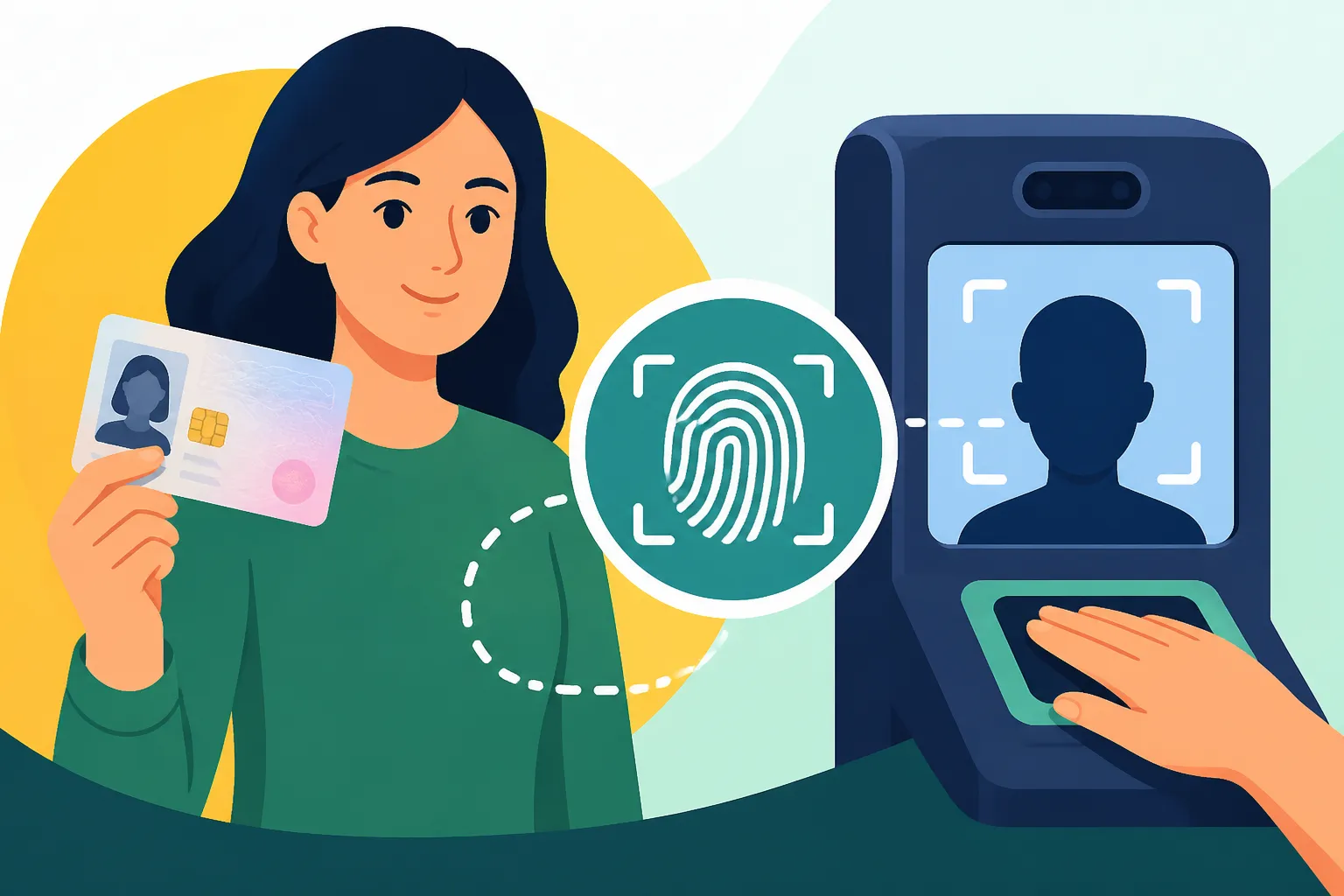
Let's demystify this process first. When we talk about biometrics for your residence card in Lithuania, we're primarily referring to your fingerprints, a digital photograph, and a digital signature. Think of it as a crucial part of your identity verification, a way for the Lithuanian authorities, and indeed the broader Schengen Area, to confirm you are who you say you are and to enhance security across borders.
Why Are Biometrics a Necessary Step?
It’s easy to get frustrated with seemingly endless paperwork and appointments, but there’s a solid reason for biometrics. Firstly, they are a standard requirement across the European Union for most long-term residence documents. This means that your Lithuanian residence card, once issued, will be a highly secure document, recognized and trusted throughout the Schengen zone. This makes it easier for you to travel within the area once you have your card.
Secondly, biometrics create a unique, tamper-proof link between you and your residence card. This helps prevent fraud and identity theft, which, while an inconvenience on your end, ultimately contributes to a more secure system for everyone. It also helps the authorities confirm your identity quickly at borders or during administrative checks. This step is integral to the entire process of getting your Lithuanian Residence Permits for Expats (2026) and ensures the integrity of the system.
What Exactly Will Be Collected?
During your biometrics appointment, the officers at the Migration Department will collect three key pieces of information:
- Fingerprints: You'll typically be asked to place your fingers, one by one, onto a digital scanner. They'll collect prints from all ten fingers. It's a quick, painless process, but it requires clean, dry hands. Sometimes, people with very dry hands or certain manual occupations might have fainter prints, but the officers are usually well-versed in getting a good scan.
- Digital Photograph: This isn't just any selfie! You'll have your photo taken digitally right there at the Migration Department. This photo will be used on your actual residence card. It needs to meet specific criteria: a neutral expression, no glasses (unless for medical reasons), and no head coverings (unless for religious reasons, and even then, your facial features must be clearly visible). Think passport-style photo, but they handle the technical side.
- Digital Signature: You'll sign your name on a digital pad. This signature will also appear on your residence card, making it another crucial identifier. It’s exactly like signing a parcel delivery pad, just for official purposes.
All these elements are then stored digitally and linked to your unique personal code, your How to Get Your Asmens Kodas Personal Code and Why It Matters for Healthcare. This ensures that your identity is consistently verified across different government services and documents.
Your Step-by-Step Guide to the Biometrics Appointment
Getting through the biometrics appointment itself can feel daunting if you’re unsure what to expect. But with a bit of preparation, it’s a relatively straightforward process. Here's how to navigate it, from booking to the actual collection.
Booking Your Appointment with MIGRIS
This is the golden rule of Lithuanian bureaucracy: always book an appointment. You can't just walk into a MIGRIS office and expect to be seen for biometrics. The Migration Department (MIGRIS) uses an online booking system, which, while sometimes a bit clunky, is essential.
- Access the MIGRIS Portal: Your journey starts on the official MIGRIS website. This is the central hub for all things immigration in Lithuania. You'll need to log in to your account, usually using your electronic signature or bank identification, if you already have one, or register if you're new to the system.
- Find the "Biometrics Submission" Service: Once logged in, navigate to the services section. Look for options related to "biometric data collection" or "residence permit card issuance." Sometimes this is integrated into the final steps of your residence permit application process, where after your initial application is approved or nearly approved, you'll be prompted to book this next step.
- Choose Your Location and Time: Lithuania has Migration Department offices in major cities like Vilnius, Kaunas, and Klaipėda. Choose the most convenient location for you. Be prepared that popular times, especially in Vilnius, can fill up quickly, so book as far in advance as possible. Mornings tend to be busier.
- Confirm and Save: Once you've selected a date and time, confirm your booking. You'll receive a confirmation, usually by email, with a reference number. Print this out or save it on your phone! This is your proof of appointment and you’ll need it when you arrive. This appointment is just as crucial as the one you booked for your initial How Do I Apply for a Temporary Residence Permit in Lithuania.
What to Bring to Your Appointment
Preparation is key to avoiding unnecessary stress and delays. Double-check this list before you head out:
- Your Valid Passport or Travel Document: This is paramount. It must be the original document you used for your residence permit application.
- Previous Residence Permit Card (if renewing): If you're renewing your permit, bring your existing card.
- The Completed Residence Permit Application Form: Even if you submitted it online, it's often a good idea to bring a printed copy, just in case. They might not always ask for it, but better safe than sorry.
- Proof of Your Biometrics Appointment: Your printed or digital confirmation of your booking.
- Original Documents: Depending on your specific residence permit type, they might ask to see originals of supporting documents again, even if you uploaded them digitally. This could include your employment contract, bank statements, or What Health Insurance Do I Need for a Lithuanian Residence Permit proof. While not always required for biometrics, having them handy saves a potential trip back. If you're using a global insurer like Cigna Global, make sure your policy documents are easily accessible.
- Your Asmens Kodas (Personal Code) document: If you’ve already received your Asmens Kodas, have the physical document or number readily available.
- Patience and a Good Attitude: Seriously, this is vital. Bureaucracy can be slow, and a smile goes a long way.
The Biometrics Collection Process at MIGRIS
You’ve arrived at the Migration Department. Now what?
- Arrive Early: Aim to be there at least 15-20 minutes before your scheduled time. This gives you a buffer for finding parking, locating the right department, and managing any unexpected queues.
- Check-in: Look for a reception desk or a screen with a queueing system. You'll usually scan your appointment confirmation or enter your reference number to get a ticket. Then, wait for your number to be called.
- The Interview Room: When your number flashes, head to the designated counter or room. The officer will typically be the one collecting your biometrics.
- Document Verification: The officer will first verify your identity using your passport and check your application details. This is where having all your original documents ready comes in handy, as they might want to cross-reference something.
- Fingerprint Collection: You'll be guided through this. The officer will ask you to place your fingers, one by one, on a small electronic scanner. They'll ensure each print is clear.
- Digital Photo: You'll sit in front of a camera. The officer will take your photo digitally. They're looking for a clear, front-facing image with a neutral expression. They know the rules, so just follow their lead.
- Digital Signature: You'll be presented with a small digital pad and a stylus to sign your name. Try to make it legible, as this will be on your card.
- Confirmation: Once all biometrics are collected and verified, the officer will usually confirm that everything is complete. They might give you an estimated timeframe for when your card will be ready, or tell you how to check its status online. Keep in mind that How Long Does It Take to Get a Lithuanian Residence Permit varies, and the biometrics step is just one part of that timeline.
Troubleshooting Common Biometrics Issues and What to Expect
While the process is generally smooth, there can be a few bumps along the road. Knowing what to expect and how to handle it can save you a lot of stress.
Technical Glitches and Re-dos
Sometimes, technology has a mind of its own. Fingerprint scanners can be finicky, or the photo might not meet the required standards on the first try.
- Fingerprint Issues: If your prints aren't clear (e.g., too dry, too oily, cuts/abrasions), the officer might ask you to try again, or suggest moisturizing your hands beforehand. Don't panic; it's a common occurrence. They might have you wash your hands or apply a special lotion.
- Photo Issues: Ensure you're looking directly at the camera with a neutral expression. No smiles, no frowning. If you wear glasses, be prepared to remove them, unless you have a medical exemption. The officer will guide you if there’s an issue with lighting or your posture.
- System Errors: Very occasionally, the system itself might experience a glitch. In such cases, the officer will usually reschedule your appointment or advise you to wait briefly while they resolve it. This is rare but can happen.
Language Barriers and Communication
Lithuanian is the official language, and while many MIGRIS officers in major cities speak English, it's not guaranteed.
- Be Prepared: Have your essential questions written down, and bring a small translation app if you’re concerned.
- Patience: If there’s a language barrier, speak slowly and clearly. Use simple words and gestures. The officers are used to dealing with foreigners and are generally patient.
- Bring a Friend: If you’re really nervous, consider bringing a Lithuanian-speaking friend or colleague to help translate, though they might not be allowed into the actual collection room with you.
Missed Appointments and Delays
Life happens, and sometimes you might miss an appointment.
- Reschedule Immediately: If you know you'll miss your appointment, try to reschedule through the MIGRIS portal as soon as possible.
- Consequences: Missing an appointment without notice could lead to delays in your application processing. While not usually a deal-breaker, it's best to avoid it. You’ll just have to go through the booking process again, which can be frustrating if slots are limited. Remember, the entire point of the biometric step is to get your How Do I Get a Biometric Residence Permit Card in Lithuania, and delays here mean delays for the card.
General Tips for a Smooth Experience
- Dress Appropriately: While not a strict dress code, aim for neat, presentable attire. Your photo will be on your official document, after all!
- Stay Calm: Bureaucracy can be frustrating, but maintaining a calm and respectful demeanor will always yield better results.
- Check MIGRIS Website for Updates: Always consult the official Migration Department website before your appointment for any last-minute changes to procedures or required documents.
- Consider Relocation Services: If you're overwhelmed by all the administrative steps, remember that services like Sirelo can often connect you with local relocation specialists who can offer guidance or even assistance with booking appointments. Moving to a new country like Lithuania is a massive undertaking, and sometimes a little help goes a long way.
The Final Stretch: Receiving Your Residence Card After Biometrics
So you've done the deed, your fingerprints are scanned, photo taken, and signature captured. What now? The hard part is over, but there’s still a bit of a waiting game before your brand-new residence card is in your hand.
The Waiting Period for Your Card
Once your biometrics are successfully submitted, the Migration Department will proceed with the final stages of card production. The timeframe can vary depending on various factors, including the type of permit, the workload of the department, and whether you chose an expedited service (if available for your specific permit).
- Standard Processing: Typically, you might wait anywhere from 10 to 30 working days for your card to be ready. However, during peak periods or with system updates, this could be longer.
- Checking Status Online: You can usually track the status of your residence permit application, including the card production, through your MIGRIS online account. It’s always worth checking periodically, as they usually update the status to "Card Ready for Collection" or similar. This saves you from making unnecessary trips or calls.
- SMS/Email Notifications: Sometimes, MIGRIS might send an SMS or email notification when your card is ready. Don't rely solely on this, though; checking the online portal is the most reliable method.
Collecting Your Residence Card
Once the status indicates your card is ready, you'll typically need to return to the same Migration Department office where you submitted your biometrics to collect it.
- Appointment for Collection? This varies. For some, you can pick it up without an appointment during specific hours, while for others, you might need to book a separate collection slot. Always check the MIGRIS website or any instructions given during your biometrics appointment.
- What to Bring for Collection: You will absolutely need your valid passport or travel document for identification. If you had a previous residence card, you might need to surrender it upon receiving the new one. Also, bring any official receipts or confirmation papers you received during your application or biometrics appointment.
- Verification Upon Collection: The officer will verify your identity one last time, often asking you to sign for the card. Double-check all the details on your new card – your name, date of birth, personal code, and validity dates – before you leave the office. Make sure everything is accurate.
Understanding Your New Residence Card
Your new Lithuanian residence card is more than just a piece of plastic; it's your official proof of legal residence in the country and your gateway to many aspects of life here.
- Validity: Note the expiry date! You’ll need to initiate the renewal process well in advance of this date. Typically, you can begin the renewal application several months before expiration. Don’t wait until the last minute, as this can lead to complications. Remember to check out How Do I Renew My Lithuanian Residence Permit for future reference.
- Usage: Carry it with you as your primary form of identification in Lithuania. You'll need it for everything from opening bank accounts, signing contracts, accessing public services, and proving your right to reside and work in Lithuania.
- Travel: Your residence card, combined with your passport, allows you to travel freely within the Schengen Area for short stays. It is not a visa for entering other countries outside Schengen.
- Keeping it Safe: Treat your residence card like you would your passport. Keep it in a safe place, and only carry it when necessary. If it gets lost or stolen, report it to the police and the Migration Department immediately.
Submitting your biometrics is one of the final administrative hoops you'll jump through to solidify your status as a resident in Lithuania. It might seem like a lot of steps, but once it's done, you're one step closer to truly settling in and enjoying all that this beautiful country has to offer. Just breathe, prepare thoroughly, and you’ll sail through it!
Disclaimer
Please note that while every effort has been made to provide accurate and up-to-date information, immigration laws and procedures in Lithuania can change. This guide is for informational purposes only and does not constitute legal advice. Always consult the official Migration Department (MIGRIS) website or a qualified immigration lawyer for the most current and personalized guidance regarding your specific situation.