What Are the Requirements for a Lithuanian Work Permit?
Navigating the labyrinthine world of immigration paperwork can be one of the most stressful parts of moving to a new country. When it comes to securing a work permit in Lithuania, many expats feel overwhelmed by the precise requirements and the often-unpredictable processing times. This guide is here to untangle those complexities, offering a clear, empathetic breakdown of exactly what you'll need to successfully apply for a Lithuanian work permit, ensuring you understand each step of this crucial process.
Understanding the Lithuanian Work Permit Landscape
Before you even start gathering documents, it’s essential to grasp the fundamental distinctions and categories within the Lithuanian work authorization system. This isn't just bureaucratic jargon; it directly impacts your application path and what will be expected of you.
Who Needs a Work Permit and Who is Exempt?
First things first: not everyone needs a separate work permit to be employed in Lithuania. If you're a citizen of an EU/EEA member state or Switzerland, congratulations – you have the right to work here without a permit. You'll still need to declare your right of residence if you plan to stay longer than three months, but the specific work permit we're discussing doesn't apply to you. It's a huge relief for many, allowing for a much smoother transition.
However, for those hailing from outside these zones, the situation is different. Most non-EU/EEA citizens require a work permit or a "Single Permit" which combines both work and residence authorization. There are some specific, albeit limited, exemptions, such as certain highly qualified specialists working in recognized shortage occupations or those involved in specific research programs. It’s always best to assume you need one unless explicitly told otherwise by the Lithuanian Migration Department (MIGRIS) or the Lithuanian Employment Service (Užimtumo Tarnyba). Getting this wrong can lead to serious headaches, including deportation.
The Difference Between a Work Permit and a Residence Permit
This is where many expats get confused, and understandably so. In Lithuania, a work permit (often called a "Leidimas dirbti") is distinct from a temporary residence permit (TRP, or "Leidimas laikinai gyventi"). Historically, these were two separate applications: your employer would secure a work permit for you, and then you would apply for a temporary residence permit based on that work permit.
However, in recent years, Lithuania has streamlined this significantly with the introduction of the "Single Permit." This single document now serves as both your authorization to live and work in the country, simplifying the process for many. When people talk about needing a "work permit" today, they often mean this integrated Single Permit. You’ll generally apply for a National (Type D) Visa first to enter the country, and then apply for the Single Permit once you are here, or in some cases, directly apply for the Single Permit from abroad if your country of origin permits. For a deeper dive into these options, check out our guide on how to get your work permit and residence permit in Lithuania.
Essential Requirements for Your Lithuanian Work Permit Application
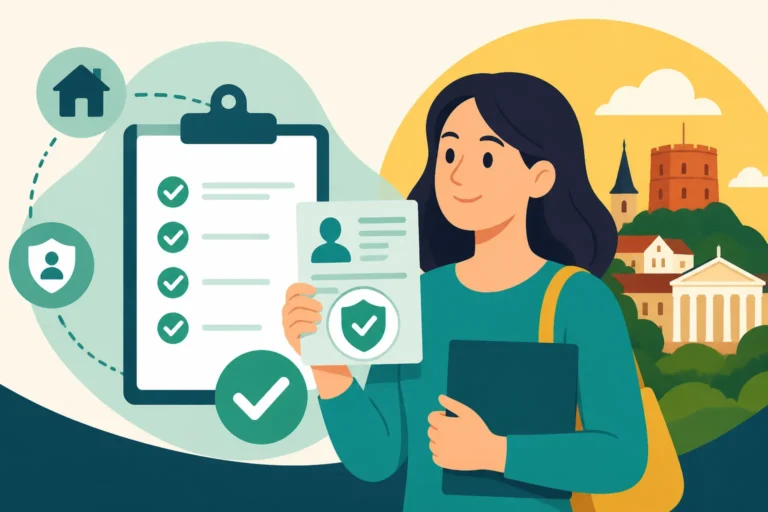
Alright, let's get down to the nitty-gritty. Successfully applying for a Lithuanian work permit, or Single Permit, hinges on satisfying several key criteria. These requirements are quite detailed and often demand proactive steps from both you and your prospective employer.
Employer-Specific Criteria and Labor Market Test
One of the biggest hurdles is often on the employer's side. For most non-EU roles, the Lithuanian Employment Service (Užimtumo Tarnyba) needs to confirm that there's no suitable candidate within Lithuania or the wider EU/EEA before a work permit can be issued to a third-country national. This is known as the "labor market test." Your employer must advertise the position for a specific period, usually for at least 10 working days, to demonstrate that they couldn't find a local person for the job.
There are exceptions, though! If your profession is on the list of "shortage occupations," the labor market test might be waived or expedited. This list changes periodically, often including highly skilled IT specialists, engineers, and certain medical professionals. Always encourage your employer to check the most current list on the Employment Service's website. If you're a specialist in a high value-added sector, your path might also be smoother. It's crucial that your employer initiates this process, providing a detailed job description, salary information, and proof of their search for local talent. This is often the first, and most critical, step.
Applicant-Specific Documents and Qualifications
Now for your part. You’ll need to provide a host of personal documents and demonstrate your qualifications. This isn't a quick once-over; authorities will scrutinize everything carefully.
- Valid Passport: This is non-negotiable. Ensure it has at least six months' validity beyond your intended stay and at least two blank pages.
- Visa Application Form: Duly completed and signed.
- Passport-Sized Photos: Usually two, conforming to Schengen visa requirements (white background, recent, etc.).
- Proof of Qualifications: Diplomas, certificates, and academic transcripts are essential. If these are from non-EU countries, they might need to be apostilled or legalized and officially translated into Lithuanian. The Lithuanian Centre for Quality Assessment in Higher Education (SKVC) often needs to recognize your foreign degree, so make sure to look into that process early.
- Professional Experience: Provide a detailed CV and letters of recommendation or employment certificates from previous employers. These should clearly state your roles, responsibilities, and duration of employment.
- Employment Contract: A signed employment contract or a letter of intent from your Lithuanian employer. This contract must comply with Lithuanian labour laws, specifying salary, working hours, and job responsibilities.
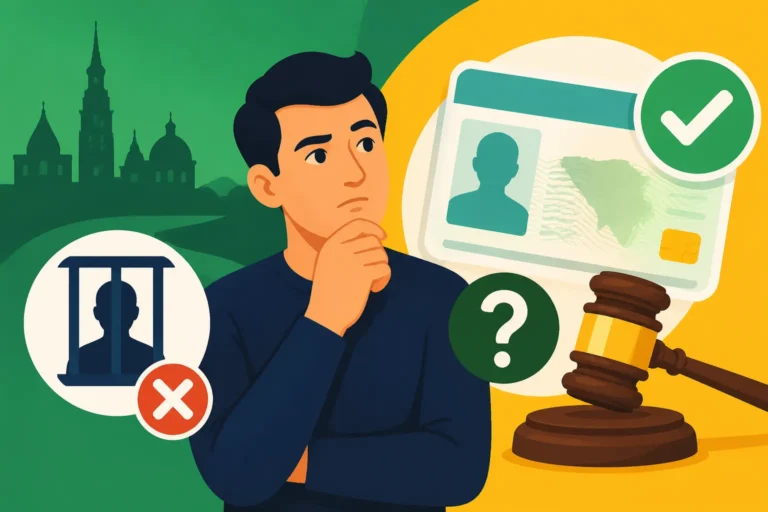
- Clean Criminal Record: You'll likely need a police clearance certificate from your home country and any country you've resided in for a significant period. Again, this might require apostille/legalization and translation.
Gathering these documents can be a lengthy process, especially if you need to order certificates from abroad or arrange for translations. Our guide on how to prepare documents for a Lithuanian residence permit application offers more in-depth advice on this often-frustrating step.
Financial Stability and Accommodation Proof
The Lithuanian government wants to ensure you won't become a burden on their social system. Therefore, you'll need to demonstrate sufficient financial means to support yourself in Lithuania, at least until your first paycheck. The exact amount required can vary, but it's usually a multiple of the minimum monthly salary. This can be proven through bank statements, a letter from your employer confirming your salary (which must meet or exceed the national average for your position, or be higher for highly skilled workers), or a combination of both.
Secondly, proof of accommodation is mandatory. You cannot apply for a work permit/Single Permit without a place to live. This can be a rental agreement (nuomos sutartis), a deed of ownership if you've purchased property, or a notarized letter from someone offering you free accommodation. The rental agreement must be registered with the Registrų Centras (Centre of Registers). This often means you’ll need to secure a rental before you even arrive, which can be a chicken-and-egg situation for many expats. While you’re planning your move, consider services like Sirelo to help with the logistics of settling in and finding accommodation. For more details on housing, our guide to registering your place of residence in Lithuania can be very helpful.
Finally, health insurance is non-negotiable. You must have valid health insurance covering your entire period of stay. For the initial application, a private health insurance policy is usually required, offering coverage of at least €30,000 for medical expenses, repatriation, and emergency treatment. Once you start working and contribute to the Compulsory Health Insurance (PSD) fund, you'll typically switch to the public system. Companies like Cigna Global offer expat-friendly insurance plans that can meet these initial requirements.
The Application Process: Step-by-Step for a Smooth Journey
Understanding the requirements is one thing; navigating the actual application process is another. It can feel like a bureaucratic dance, but breaking it down into manageable steps makes it less daunting.
Gathering Your Documents and Initial Employer Actions
The journey officially begins with your employer. They need to file a request with the Lithuanian Employment Service to determine if your employment is necessary. This step confirms that the labor market test (if applicable) has been satisfied and that you meet the professional qualifications for the role. Once the Employment Service issues a positive decision, this document becomes a cornerstone of your personal application.
While your employer is handling their part, you should be meticulously gathering all your personal documents: your passport, academic records, proof of previous employment, police certificates, and preparing them for translation and apostille/legalization. This can take weeks, even months, so start early. Remember, every document not originally in Lithuanian or English will need a certified translation. Don't underestimate this step; missing a single apostille or an incorrectly translated document can lead to significant delays or even rejection.
Submitting Your Application and Biometrics
Once your employer has the positive decision from the Employment Service, and you have all your personal documents in order, you can proceed with the application for your National (Type D) Visa and/or the Single Permit itself. Most applications are now initiated through the MIGRIS electronic services portal. You’ll fill out the application form online, upload scanned copies of all your documents, and pay the state fees.
After online submission, you'll need to book an appointment at a MIGRIS branch in Lithuania (if you are already legally in the country) or at a Lithuanian embassy/consulate abroad. This appointment is crucial for submitting your original documents for verification, providing your fingerprints (biometrics), and having your photo taken. Be prepared for potentially long waiting times for appointments, especially in popular locations like Vilnius. It’s always advisable to book your slot as soon as possible after submitting your online application. Our guide on how to book an appointment at the Migration Department (MIGRIS) in Lithuania provides practical tips for this stage.
What Happens After Submission: Waiting and Follow-up
Once you've submitted your application and provided your biometrics, it's a waiting game. The processing times for work permits and Single Permits can vary greatly, often depending on the complexity of your case, the completeness of your documents, and the current workload of the Migration Department. While official guidelines might state a certain period (e.g., 1-3 months for a Single Permit), it’s not uncommon for it to take longer.
You can usually track the status of your application through the MIGRIS portal using your application number. If there are any issues or missing documents, MIGRIS will usually notify you through the portal or via email, giving you a deadline to provide the additional information. It’s vital to respond promptly to any such requests. Patience is key, but proactive follow-up through the portal can also be beneficial if you suspect unusual delays. This phase can be particularly stressful, so try to plan your move with ample buffer time.
Common Challenges and Tips for Expats
Even with a comprehensive guide, the actual process can throw a few curveballs your way. Being prepared for common challenges can save you a lot of stress and potential delays.
Language Barriers and Document Translation
Lithuania is becoming increasingly English-friendly, especially in major cities like Vilnius and Kaunas, and within the tech and international business sectors. However, the administrative systems, including MIGRIS, still largely operate in Lithuanian. While the online MIGRIS portal often has an English option, physical interactions at government offices might require some basic Lithuanian or a helpful translator.
This is particularly true for document preparation. As mentioned, most foreign documents will need certified translations into Lithuanian. Don't try to cut corners here; use reputable, certified translators. An uncertified or poorly translated document is a guaranteed way to get your application rejected. It's an added cost, but it's absolutely worth it for peace of mind. Keep original documents and certified translations separate but organized, making it easy to present them during your appointment.
Navigating the Migration Department (MIGRIS)
MIGRIS is the primary authority for residence and work permits. While their online portal has improved immensely, the physical branches can still be busy, and the processes can feel rigid. Appointments are almost always mandatory; walk-ins are rarely accommodated. So, booking well in advance is crucial.
When attending your appointment, arrive on time with all original documents, copies, and translations. Be polite and prepared to answer questions about your application, your job, and your intentions in Lithuania. Sometimes, even if you’ve applied for an Asmens Kodas (personal code) as part of your residence process, the Migration Department might have specific requirements for how it’s linked to your work permit. Double-check everything, and don't hesitate to seek professional advice from immigration lawyers or consultants if your case is particularly complex. They can often provide insights into common pitfalls and help you avoid unnecessary delays.
Remember, the goal of the Lithuanian government is to welcome skilled workers who will contribute to the economy, but they also have a duty to ensure regulations are followed. Approach the process with respect for the rules, meticulous attention to detail, and a good dose of patience, and you’ll find yourself closer to starting your new life and career in Lithuania.
Key Requirements for a Lithuanian Work Permit
| Requirement Category | Specific Details | Documents Required | Important Notes for Expats |
|---|---|---|---|
| Employer Side | Labor Market Test / Need Assessment | Application to Employment Service | Employer must prove no EU candidate, unless a "shortage occupation". |
| Valid Employment Contract | Signed contract in compliance with LT law | Must meet minimum salary, duration, and job role. | |
| Applicant Side | Valid Passport | Passport with 6+ months validity | Ensure multiple blank pages; non-EU citizens need a D-Visa. |
| Professional Qualifications | Diplomas, certificates, transcripts | Apostilled/legalized & translated; SKVC recognition may be needed. | |
| Professional Experience | CV, employment letters, references | Detail roles, responsibilities, and dates. | |
| Criminal Record | Police clearance certificate | From home country & any country of residence (apostilled & translated). | |
| Health Insurance | Private health insurance policy | Minimum €30,000 coverage; valid for initial stay. (e.g., Cigna Global) | |
| Financial & Living | Sufficient Funds | Bank statements, employer salary letter | Prove ability to support self, usually linked to minimum wage. |
| Accommodation Proof | Rental agreement or ownership deed | Must be registered with Registrų Centras. (e.g., using Sirelo for moving) | |
| Application Process | Application Form | Completed via MIGRIS portal | Online submission, followed by in-person appointment. |
| Biometrics | Fingerprints & photo | Done at MIGRIS office or embassy/consulate. | |
| State Fees | Payment receipt | Varies by application type; pay online. |
Disclaimer
The information provided in this article is intended for general guidance and informational purposes only. While every effort has been made to ensure accuracy and completeness, immigration laws and procedures in Lithuania can change frequently. It is highly recommended to consult the official websites of the Lithuanian Migration Department (MIGRIS) and the Lithuanian Employment Service (Užimtumo Tarnyba) or seek professional advice from an immigration lawyer for the most current and personalized information regarding your specific situation.