Understanding Apartment Building Maintenance and Renovation Fees in Lithuania
Moving to Lithuania, whether you're renting a cozy apartment in Vilnius Old Town or buying a family home in Kaunas, often brings with it a surprising stack of monthly bills. Among these, the charges for apartment building maintenance and renovation can be particularly opaque and frustrating, especially if your Lithuanian isn't quite fluent yet. It feels like money disappearing into a black hole, right? This guide is here to shed some light on these seemingly mysterious fees, helping you understand what you're paying for and why.
The Basics of Apartment Management in Lithuania
When you live in an apartment building in Lithuania, you're not just a resident of your own four walls; you're part of a larger community, and that community has shared responsibilities. Unlike some countries where a simple landlord handles everything, here, the collective management of multi-apartment buildings is deeply ingrained in the system.
Understanding the "Bendrija" Homeowners Association
Imagine a mini-democracy within your apartment building. That's essentially what a Bendrija (homeowners association) is. When a building has a Bendrija, it means the majority of apartment owners have come together and decided to manage their building collectively. This is a big deal because it empowers residents to make decisions about their shared property, from setting budgets to approving major renovations.
The Bendrija is a legal entity, and it operates under its own statutes, which are usually drafted and approved by the owners themselves. It's run by an elected board, often with a chairperson, and they are responsible for the day-to-day operations, financial management, and long-term planning for the building. For expats, understanding if your building has a Bendrija is crucial. If it does, it means decisions are made by owners, and you, as an owner or a tenant through your landlord, have a right to be informed and, if an owner, to participate. These associations are pivotal in managing everything from small repairs to significant upgrades like façade insulation or roof replacement. If you're looking into buying property, checking the Bendrija status and its financial health is a must, as it directly impacts your future costs and living environment.
The Role of the Building Administrator (Administratorius)
What happens if your building doesn't have a Bendrija, or if the Bendrija decides it doesn't want to handle all the nitty-gritty management tasks itself? That's where the building administrator, or administratorius, comes in. These are professional companies or sometimes municipal enterprises that are appointed to manage the common areas and infrastructure of apartment buildings. They act as the central point of contact for residents regarding maintenance issues, utility management, and fee collection.
The administratorius steps in to ensure that essential services like waste collection, common area cleaning, and maintenance of shared utilities (like heating systems or elevators) are carried out. They handle the financial side of things, collect maintenance fees from residents, and are responsible for commissioning repairs. While a Bendrija is run by owners, an administratorius is a service provider. They still need to adhere to legal requirements and present financial reports, but the decision-making process can feel less direct for residents compared to an active Bendrija. You'll typically find their name and contact details posted in your building's stairwell or on your monthly utility bill. For new arrivals, it's often the administratorius who sends out the consolidated monthly bill, making them your primary point of contact for understanding those charges.
Deconstructing Common Maintenance Fees
The monthly bill from your building management – whether it's your Bendrija or an administratorius – can look like a patchwork of charges. It’s easy to feel overwhelmed, but let's break down the most common components you'll encounter. These aren't your personal electricity or water usage, but rather the collective costs of keeping the shared parts of your home functional and pleasant.
General Upkeep and Communal Services
This category covers the everyday expenses that ensure the smooth running and cleanliness of your apartment building's common areas. Think of it as the cost of keeping your shared living space respectable and safe. These charges often include things like the general administration fee, stairwell cleaning, common area lighting, and minor repair work that doesn't fall into the "major renovation" category.
For instance, you might see a line item for "administravimo paslaugos" (administration services) which covers the overhead of your Bendrija's operations or the administratorius's fee. Another common one is "laiptinės valymas" (stairwell cleaning), ensuring your entrance and communal corridors are tidy. "Bendrų patalpų elektra" (electricity for common areas) covers the lights in your hallways, basement, or any shared outdoor lighting. These fees are typically calculated based on your apartment's square footage (kvadratinis metras) or sometimes per person residing in the apartment (asmuo). You might notice that older, Soviet-era buildings often have a more standard, perhaps slightly lower, base rate for these services due to simpler amenities, while newer, more modern developments might have higher fees that include more sophisticated security systems, underground parking maintenance, or even gym facilities within the building. These regular charges are the bedrock of communal living and essential for maintaining a decent quality of life within a shared building.
Utility Infrastructure Maintenance
Beyond your individual consumption, there's the cost of maintaining the very systems that bring utilities to your apartment. This is a crucial, often invisible, part of your maintenance fees. We're talking about the pipes that carry water, the heating systems that keep you warm in winter, and the sewage lines that take waste away – all within the building's common infrastructure.
These fees are vital for preventive maintenance. Instead of waiting for a burst pipe in the basement that causes extensive damage, the building allocates funds for regular checks, minor repairs, and upgrades to these shared systems. For example, your bill might include a charge for "karšto vandens sistemos priežiūra" (hot water system maintenance) or "šildymo sistemos aptarnavimas" (heating system service). These amounts contribute to ensuring the communal heating substation is functioning optimally, or that the water pumps in the building are reliable. The cost and complexity of these fees can vary significantly based on your building's age and its specific infrastructure. A building with a centralized gas heating system will have different maintenance needs and costs than one connected to the city's district heating network. Regular maintenance here is a silent hero, preventing major disruptions and ensuring you have reliable access to essential services. Understanding that these fees contribute to the health of the entire building's utility network, not just your personal consumption, is key to deciphering your monthly statement.
Reserve Funds for Future Repairs (Kaupiamoji Dalis)
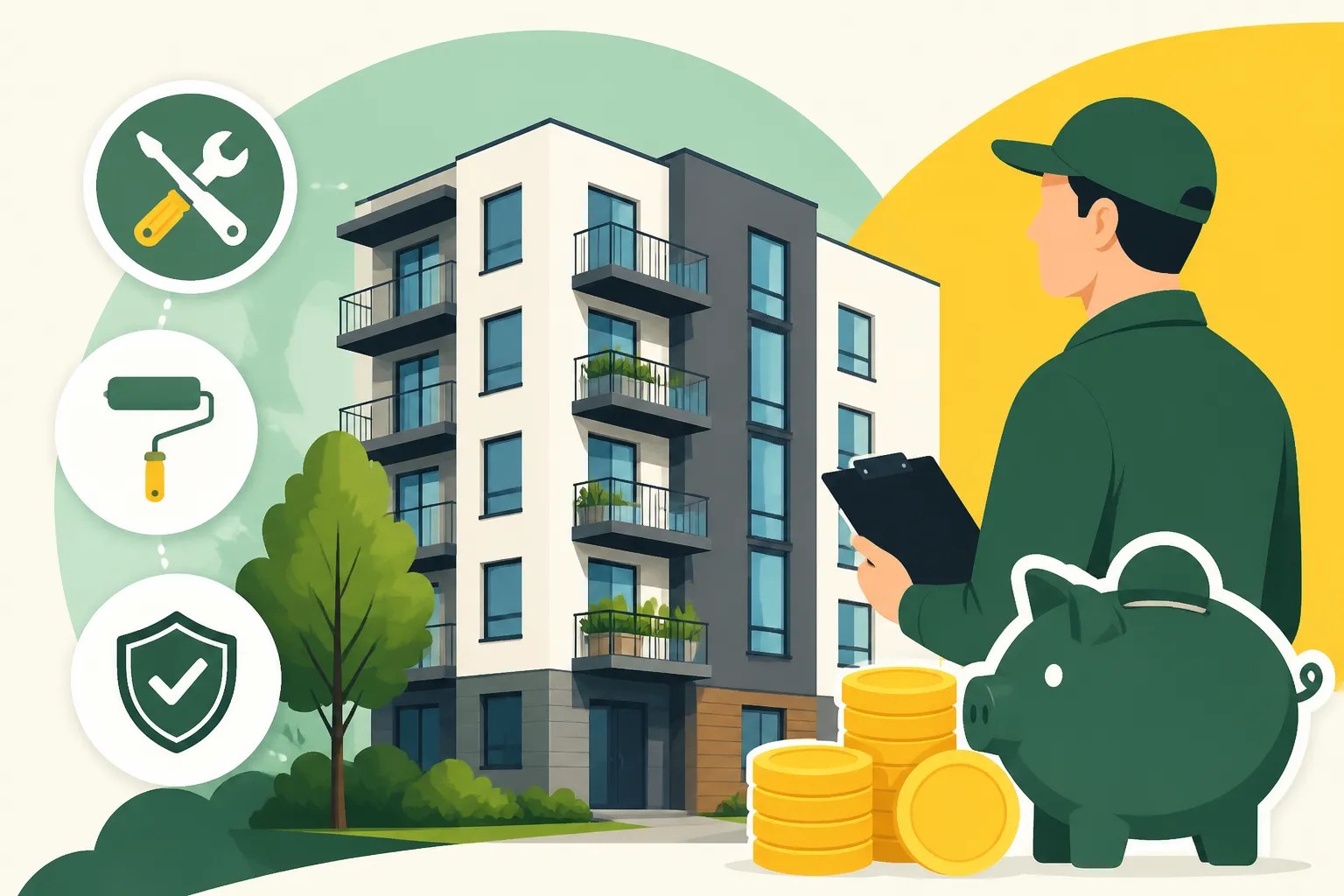
One of the most important, yet sometimes misunderstood, charges on your bill is the contribution to the building's reserve fund, often called kaupiamoji dalis or remonto fondas. Think of this as the building's savings account, specifically earmarked for larger, future repairs and renovations. It’s the collective piggy bank that saves up for the inevitable.
This fund is a legal requirement in Lithuania for apartment buildings. Each month, a small amount is collected from every apartment owner, usually calculated based on square footage, and put aside. The idea is to accumulate enough capital over time to cover significant expenses like roof repairs, façade insulation, elevator modernization, or major heating system overhauls, without having to hit residents with a massive, unexpected bill all at once. It’s the difference between proactive planning and reactive crisis management. When a building has a healthy kaupiamoji dalis, it's better positioned to undertake necessary improvements, which in turn preserves and even increases property value. Conversely, if a building has consistently neglected its reserve fund, it might face substantial challenges when a major repair becomes unavoidable, often leading to special assessments (one-off large payments) or the need for the building to take out a loan, increasing long-term costs for residents. This fund is crucial for the longevity and structural integrity of the entire building.
Navigating Renovation Fees and Major Projects
While maintenance fees cover the day-to-day, renovation fees kick in when the building needs a facelift, a structural upgrade, or a significant energy efficiency improvement. These are typically larger, less frequent expenses, and they involve a more formal decision-making process.
Planned vs. Emergency Renovations
Not all renovation projects are created equal. You'll encounter two main types: planned renovations and emergency renovations, each with its own timeline, decision-making process, and financial implications.
Planned renovations are those big projects that are discussed, debated, and budgeted for well in advance. These could include replacing the entire roof, insulating the building's façade, upgrading the central heating system, or modernizing old elevators. Typically, these initiatives stem from the Bendrija's long-term plan or proposals from the administratorius, often driven by the desire to improve living conditions, increase energy efficiency, or address aging infrastructure. For instance, if your building's Bendrija decides to apply for government subsidies to insulate the exterior walls, this would be a planned renovation. The decision to proceed usually requires a majority vote from apartment owners at a general meeting. This process can take months, sometimes even years, involving proposals, tenders, financing discussions, and finally, resident approval. You, as an owner or through your landlord, would have the opportunity to review the plans, understand the costs, and cast your vote.
Emergency renovations, on the other hand, are exactly what they sound like: urgent, unforeseen repairs that can't wait. A catastrophic roof leak after a heavy storm, a major structural issue, or a complete failure of the main water supply system would all fall into this category. In these situations, the administratorius or Bendrija board has the authority to act quickly to prevent further damage or ensure safety, often with less formal consultation with all residents, especially if there's an immediate danger. The challenge here is funding. If the building's kaupiamoji dalis (reserve fund) is insufficient, residents might face immediate, significant "special assessments" or the building might need to secure a rapid, short-term loan to cover the costs. While no one wants an emergency, understanding the difference helps you mentally prepare for how these charges might appear on your bill and the speed at which decisions are made.
Funding Mechanisms for Large-Scale Renovations
When a significant renovation project is approved, the next big question is always: how will we pay for it? There are several ways large-scale renovations in Lithuania are funded, and understanding them is crucial for your financial planning.
The first and most ideal scenario is utilizing the existing kaupiamoji dalis or reserve fund. If your building has been diligent in collecting these contributions over the years, there might be enough accumulated funds to cover a substantial portion, or even all, of the renovation cost. This is why contributing to that fund is so important – it mitigates future financial shocks. However, for very large projects like comprehensive energy efficiency overhauls, the reserve fund alone is rarely enough.
This often leads to "special assessments," known locally as vienkartinis įnašas (one-off contribution) or papildomas mokestis. These are additional, lump-sum charges that residents are asked to pay beyond their regular monthly fees. These assessments can be significant, sometimes thousands of euros, and are usually collected in installments over a specified period. The decision for a special assessment is typically made at a Bendrija meeting and requires a majority vote.
Another crucial funding mechanism involves state subsidies and grants, particularly for energy efficiency projects. The Lithuanian government and the European Union often provide financial support for buildings that undertake comprehensive renovation (renovacijos) to improve their energy performance. These subsidies can cover a substantial portion of the project cost, making it much more affordable for residents. The Bendrija or administratorius would typically apply for these grants, managing the complex application process and ensuring compliance with all requirements.
Finally, for projects not fully covered by subsidies or reserve funds, buildings often take out loans from commercial banks. These "building loans" are secured by the collective property, and the repayment schedule, including interest, is then incorporated into residents' monthly bills for many years. It's vital for owners to understand the terms of such loans, as they represent a long-term financial commitment. When considering buying property in Lithuania, understanding any existing renovation loans tied to the building is a critical part of your due diligence. For instance, a beautifully renovated building might have significantly higher monthly fees due to loan repayments. This is a point to discuss with your real estate agent or landlord.
The Impact on Property Value and Livability
While paying maintenance and renovation fees can sometimes feel like a drain on your finances, it's essential to recognize the profound impact these investments have on both the immediate livability of your home and the long-term value of your property. It's not just about fixing something; it's about improving.
Properly managed and executed renovations, especially those focused on energy efficiency like façade insulation, modern window replacement, or heating system upgrades, can dramatically improve your quality of life. Imagine a warmer apartment in winter, lower heating bills (which can sometimes offset a portion of the renovation cost over time), and a quieter living space due to better insulation. These aren't just cosmetic changes; they directly contribute to a more comfortable, sustainable, and enjoyable home environment. The benefits extend beyond your personal comfort, too. A well-maintained building with modern systems is generally safer, healthier, and more aesthetically pleasing for everyone.
From a financial perspective, these investments are typically reflected in the property's market value. A building that has undergone a comprehensive renovation (often denoted by the term "renovuotas namas") is usually more attractive to potential buyers and commands a higher price than a similar, but unrenovated, property. It signifies a proactive community and a sound investment. While the short-term pain of renovation costs, especially special assessments, can be significant, the long-term gain in terms of reduced utility bills, increased comfort, and enhanced property value often makes these expenditures worthwhile. It's a testament to collective responsibility leading to individual benefit.
Your Rights and Responsibilities as a Resident/Owner
Living in a multi-apartment building means you're part of a community with shared interests. Understanding your rights and responsibilities when it comes to maintenance and renovation fees can save you a lot of headaches and ensure your voice is heard.
Accessing Information and Financial Transparency
One of your fundamental rights as a resident or owner is to access clear, transparent information about how your building's funds are being managed. Whether it's a Bendrija or an administratorius, they are legally obliged to provide financial reports, budgets, and details of expenditures. You shouldn't feel like you're guessing where your money is going.
For instance, you have the right to request annual financial statements, itemized lists of expenses, and details about the balance of the kaupiamoji dalis (reserve fund). These documents should show where the maintenance fees are allocated – how much went to cleaning, how much to minor repairs, and how much was transferred to the renovation fund. The challenge for expats, naturally, is the language barrier. Most of these documents will be in Lithuanian. Don't hesitate to ask your landlord (if renting), a trusted Lithuanian-speaking friend, or even a professional translator to help you interpret these reports. You can usually obtain these documents by contacting the Bendrija chairperson or the administratorius's office directly. If you ever suspect mismanagement or notice inconsistencies, politely but firmly request a detailed breakdown. Financial transparency is a cornerstone of good building management and empowers residents to hold their management accountable.
Participating in Decision-Making
Being informed is one thing, but being able to influence decisions that affect your home and finances is another. As an apartment owner, you have the right to actively participate in the decision-making process for your building. This typically happens through Bendrija meetings.
If your building has a Bendrija, you'll receive notices (often posted in the stairwell or sent by mail) about upcoming general meetings. These are the forums where budgets are approved, major renovation projects are proposed and voted on, and new Bendrija board members are elected. Attending these meetings, even if you need a translator, is invaluable. It allows you to voice concerns, ask questions, and vote on matters that directly impact your living costs and property value. Decisions on major renovations, special assessments, or taking out building loans typically require a qualified majority vote from all apartment owners, not just those who attend the meeting. If you can't attend, ensure your landlord or a proxy votes on your behalf. Even if you're renting, you can communicate your preferences or concerns to your landlord, who, as the owner, has the right to vote. Being proactive, rather than passive, is key to ensuring your interests are represented.
Dealing with Disputes and Non-Payment
Despite best intentions, disputes can arise regarding maintenance fees or renovation projects. Understanding the proper channels for resolution and the consequences of non-payment is important.
If you disagree with a particular fee or a decision made by the Bendrija or administratorius, your first step should always be to communicate your concerns in writing. Clearly state your reasons, refer to any relevant documents (like your rental contract or building statutes), and request clarification or a review. For minor issues, this might be enough. For more significant disagreements, especially if you believe there has been a breach of contract or legal requirements, you might need to seek external advice. This could involve consulting a legal professional specializing in property law or, in some cases, approaching your local municipality for mediation or guidance, as they often oversee building management practices.
What happens if you simply refuse to pay a fee you disagree with? For renters, non-payment would typically be a breach of your rental agreement and could lead to eviction proceedings initiated by your landlord. For owners, non-payment of legally mandated maintenance or renovation fees can lead to late payment penalties, and eventually, debt collection processes. The Bendrija or administratorius has the legal right to pursue these debts, and in severe cases, it could even lead to a lien on your property. It's always best to resolve disputes through dialogue and official channels rather than resorting to non-payment, which can exacerbate the problem and incur additional legal costs. Familiarizing yourself with Lithuanian tenant and landlord rights can be very helpful here.
Practical Tips for Expats
Navigating apartment building management and fees in a new country, especially one with a different language and legal framework, can be daunting. But with a few practical tips, you can feel much more confident.
Understanding Your Lease Agreement or Purchase Documents
This is perhaps the single most important piece of advice: read your documents carefully, and get them translated if necessary, before you sign anything. Many of the responsibilities and obligations regarding maintenance and renovation fees will be outlined in your rental contract (nuomos sutartis) if you're a tenant, or in the purchase agreement and related building documents if you're buying.
If you're renting, your lease should clearly state which communal expenses you are responsible for (e.g., typically your personal utility consumption, general maintenance fees) and which remain the landlord's responsibility (e.g., major renovation contributions or special assessments). Sometimes, the landlord might pass on all communal expenses to the tenant, so it’s vital to clarify this beforehand. Look for terms like "komunaliniai mokesčiai" (utility and communal costs) and ask for a detailed breakdown of what that includes. Don't be shy about asking questions like "What percentage of the renovation fund do I contribute?" or "Who pays if the roof needs replacing next year?"
If you're buying, your purchase agreement will detail the property, but you also need to delve into the building's financial health. Request minutes from recent Bendrija meetings, the latest financial reports, and information on any ongoing or planned major renovation projects. Ask about the balance of the kaupiamoji dalis and if there are any outstanding building loans. A good real estate agent will help you with this due diligence, but always double-check. Understanding the full financial picture upfront can prevent nasty surprises down the line. Remember, what's not explicitly stated might still be implied by law, so knowing the ins and outs is paramount.
Communicating with Landlords or Administrators
Effective communication is your best tool, even with a language barrier. Building a polite, professional relationship with your landlord or the building administrator can smooth over many potential issues.
If you're renting, your landlord is your primary point of contact for anything related to the building's management. They are the owner and therefore have the direct relationship with the Bendrija or administratorius. If you have questions about your bill, maintenance issues in common areas, or upcoming renovation plans, direct your queries to your landlord first. Document all your communication, preferably in writing (email is excellent), so you have a record of discussions and requests.
If you're an owner, or if your landlord has explicitly directed you to, you'll communicate directly with the administratorius or the Bendrija board. Many administrators, especially in larger cities like Vilnius or Kaunas, might have English-speaking staff or be able to handle queries via email using translation tools. Don't be afraid to use simple, clear language, and be patient. When reporting an issue, be specific: "There is a leak in the stairwell on the 3rd floor, near apartment 7." rather than "Something is broken." Remember to always get contact information for urgent issues. Knowing who to call in a real emergency, like a burst pipe or a power outage in common areas, is crucial for your peace of mind.
Comparative Table: Maintenance vs. Renovation Fees
To help clarify the differences between regular maintenance costs and the more substantial renovation fees, here's a quick overview:
| Feature | Maintenance Fees (Priežiūros Mokesčiai) | Renovation Fees (Renovacijos Mokesčiai) |
|---|---|---|
| Purpose | Day-to-day upkeep, operational costs, minor repairs of common areas. | Major upgrades, structural improvements, energy efficiency projects. |
| Frequency | Monthly, regular, ongoing. | Infrequent, project-based, can be years apart. |
| Calculation Basis | Often per square meter, per person, or fixed administrative charge. | Often per square meter, sometimes a special assessment (lump sum/installments). |
| Typical Costs Covered | Cleaning, common area electricity, minor repairs, administration fees, utility infrastructure upkeep. | Roof replacement, facade insulation, heating system overhaul, elevator modernization, structural repairs. |
| Decision Process | Set annually by Bendrija or administratorius. Adjustments usually minor. | Requires majority vote of apartment owners (for Bendrija). Detailed proposals, tenders, financial planning. |
| Funding Source | Regular monthly payments from residents. | Reserve fund (kaupiamoji dalis), special assessments, state/EU subsidies, building loans. |
| Impact | Keeps building functional, clean, and safe daily. | Significantly improves property value, energy efficiency, and long-term livability. |
Navigating the financial landscape of apartment living in Lithuania can feel like a labyrinth at times, but understanding these distinctions will equip you to approach your monthly statements with more confidence.
Disclaimer
The information provided in this guide is intended for general informational purposes only and does not constitute legal or financial advice. While we strive to ensure the information is accurate and up-to-date, regulations and practices in Lithuania can change. It is always recommended to consult with local legal, financial, or real estate professionals for advice tailored to your specific situation when dealing with property matters in Lithuania.