How Much Does Public Transport Cost in Vilnius?
Navigating public transport in a new city can be a real head-scratcher, and Vilnius is no exception. You arrive, you're keen to explore, but suddenly you're faced with ticket machines, apps, and various pass options, wondering if you're paying too much or even buying the right thing. This guide is here to untangle all the intricacies of public transport costs in Vilnius, ensuring you can travel confidently and efficiently, whether you're here for a weekend or planning to settle down.
Understanding Vilnius Public Transport: The Basics
Let's start with the fundamental ways to pay for your ride in Vilnius. Unlike some cities where you can just hop on and pay with cash or tap a regular credit card, Vilnius has its own system, which, once you get the hang of it, is actually quite efficient. The main player here is the "Vilniečio Kortelė" (Vilnian Card), but modern tech has introduced some handy app-based alternatives too.
The Vilniečio Kortelė and Mobile Apps
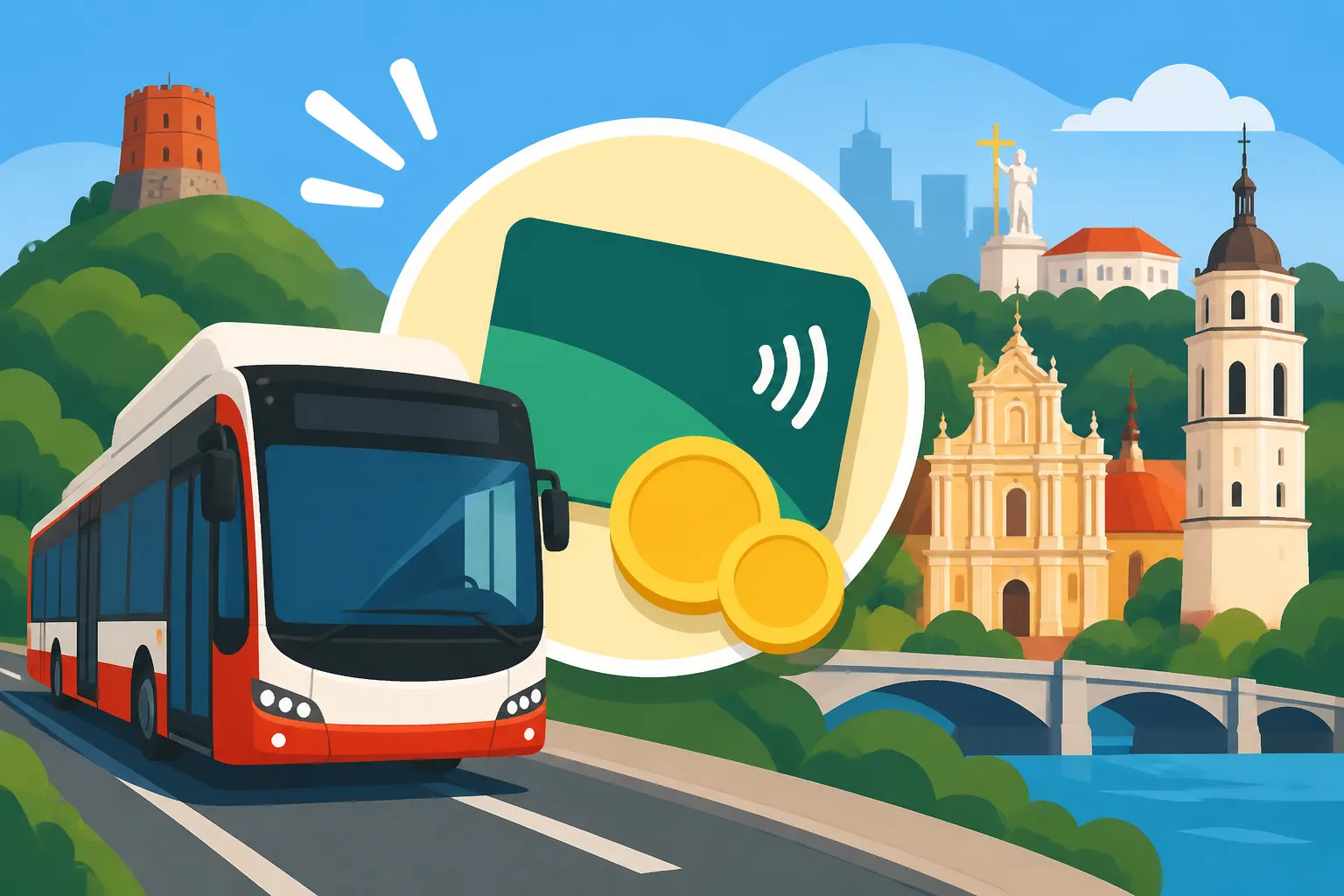
The Vilniečio Kortelė is your primary companion for public transport in Vilnius. It’s a physical, reloadable plastic card that works for buses (autobusas) and trolleybuses (troleibusas). Think of it like an Oyster card in London or an OV-chipkaart in the Netherlands. You buy the card once for a small fee, typically around €1.50, and then you top it up with credits (e-money) or specific period tickets. When you board, you simply tap the card against the yellow reader near the doors, wait for the green light and a beep, and you're good to go. It seems simple, but getting one and figuring out the top-up locations can feel like a mini-quest when you first arrive.
For those who prefer a more digital approach, Vilnius also embraces mobile ticketing. The JUDU app (which stands for "judame už darnų Vilnių" – "we move for a sustainable Vilnius," formerly m.Ticket) is a game-changer for many expats and tourists. You can download it on your smartphone, register, and buy single tickets or period passes directly through the app. The convenience of buying a ticket while waiting at the bus stop, or even just as you spot your bus approaching, is truly a lifesaver. You activate your ticket just before boarding, and if a controller comes around, you simply show your phone screen. Another useful app is Trafi, which provides real-time public transport schedules and also integrates with JUDU for ticket purchases, making it a comprehensive tool for navigating the city. Having reliable data on your phone is crucial for these apps, so consider a local SIM or an eSIM from providers like Airalo to ensure you're always connected.
Types of Tickets and Validity
Vilnius offers a variety of tickets designed to suit different travel needs. Understanding them is key to not overspending or, worse, getting caught without a valid ticket (which can lead to a hefty fine, trust me, I learned that the hard way years ago).
- Single Tickets (E-Money): When you load e-money onto your Vilniečio Kortelė, each tap deducts the cost of a single 30-minute ticket. This ticket allows you to travel for 30 minutes, transferring between buses and trolleybuses as needed within that timeframe. If you exceed 30 minutes but are still on the same vehicle, your ticket remains valid until you disembark. However, if you transfer to another vehicle after 30 minutes, you'll need to tap again, starting a new 30-minute journey. This flexibility is great if you have a quick errand or only need to travel a few stops.
- 60-Minute Tickets (E-Money): Similar to the 30-minute ticket, you can also opt for a 60-minute journey when using e-money. Just make sure to select this option on the card reader when you tap if it's not the default. These longer tickets are perfect for those cross-city journeys where you know you'll need to transfer once or twice.
- Period Tickets: This is where things get really cost-effective for regular commuters. You can load various period tickets onto your Vilniečio Kortelė or purchase them via the JUDU app. Options include:
- 24-hour ticket: Ideal for a day of intensive sightseeing or multiple meetings across town.
- 3-day ticket: Great for a long weekend visit or when you know you'll be using public transport frequently over a few days.
- 5-day ticket: A flexible option for a slightly longer trip or initial exploration.
- 10-day ticket: Useful for short stays or those in-between periods when you're settling in.
- 30-day ticket: The most popular choice for residents and long-term visitors, offering unlimited travel for a full month.
- Annual tickets: Less common for expats unless you're truly rooted, but they offer the best value for long-term residents.
Period tickets become active from the moment you first tap them on a reader or activate them in the app. They provide unlimited travel within their validity period, eliminating the need to worry about individual journey times. This simplifies travel immensely, especially if you're still finding your bearings and might get a bit lost! To learn more about navigating the city's transport, you might want to check out The Expat Guide to Public Transport in Lithuania.
Where to Buy Tickets and Top Up
Finding a place to buy your Vilniečio Kortelė and top it up can feel a bit like a treasure hunt when you first arrive. Don't worry, it's simpler than it seems.
- Kiosks and Newsstands: Look for "Lietuvos Spauda" or "Narvesen" kiosks, often found near bus stops, train stations, or in shopping centres. These are the most common places to buy a new Vilniečio Kortelė and add e-money or period tickets. The staff might not always speak fluent English, but "Vilniečio Kortelė" and showing the amount you want to top up usually gets the job done.
- Post Offices (Lietuvos Paštas): Many post offices throughout Vilnius also sell and top up the Vilniečio Kortelė. While less frequent for quick top-ups, they're a reliable option.
- "JUDU" Customer Service Centers: For more complex queries or if you prefer speaking to someone directly, JUDU has customer service centres. One of the main ones is conveniently located at the Vilnius Bus Station (Autobusų stotis). This is also the place to go if you want to understand concessions or retrieve funds from a lost card.
- Online and App: The easiest way for many to top up is via the JUDU app or the JUDU website. You can link your bank card and add e-money or buy period tickets directly. This is a blessing when you realize your card is empty just before boarding and don't have a kiosk nearby.
For those just moving to Vilnius and trying to figure out the whole cost of living picture, understanding these small, recurring expenses like public transport is crucial. It’s part of the bigger puzzle of budgeting in a new country.
Detailed Cost Breakdown for Different Travellers
The cost of public transport in Vilnius varies significantly based on your duration of stay and how often you plan to use it. Let's break it down for different types of visitors and residents.
For Short-Term Visitors and Tourists
If you're visiting Vilnius for a few days, say for a long weekend or a short business trip, your best bet is typically a period ticket. Buying individual 30-minute tickets with e-money can quickly add up if you're constantly exploring.
Let's look at typical costs:
- Single Ticket (30-minute, with Vilniečio Kortelė e-money): €0.65
- Single Ticket (60-minute, with Vilniečio Kortelė e-money): €0.90
- Single Ticket (bought from the driver – cash only): €1.00 (This is the most expensive option and not recommended unless absolutely necessary, as drivers don't always have change, and it slows everyone down.)
- 24-hour ticket: €5.00
- 3-day ticket: €8.00
- 5-day ticket: €12.00
- 10-day ticket: €15.00
A common scenario: A tourist arrives on a Friday evening and leaves Sunday afternoon. A 3-day ticket for €8.00 is usually the most cost-effective option, allowing unlimited travel for exploring the Old Town, Užupis, and venturing out to places like the TV Tower or Belmontas without constantly calculating journey times or worrying about individual taps. Compare that to buying 6-8 single tickets at €0.65-€0.90 each per day, and the period ticket quickly proves its value. Remember to factor in the initial €1.50 for the Vilniečio Kortelė if you don't already have one.
For New Residents and Commuters
If you're settling in Vilnius for a longer period, perhaps for work or study, period tickets are definitely the way to go. The 30-day ticket offers the best value for daily commuting.
- 30-day ticket: €29.00
- Annual ticket: €290.00 (This essentially gives you two months free compared to buying 30-day tickets monthly).
For new expats, a 30-day ticket on your Vilniečio Kortelė or through the JUDU app becomes a monthly ritual. It provides peace of mind and unlimited travel as you get to grips with your new neighbourhood, commute to work, or explore the city's hidden gems on weekends. When you're just getting settled, things like Declaring Your Place of Residence in Lithuania: The Complete Guide and The Expat Guide to Setting Up Utilities in Lithuania will be higher on your priority list, but sorting out your transport early makes those initial weeks much smoother.
Here's a quick comparison of costs:
| Ticket Type | Cost (EUR) | Notes |
|---|---|---|
| Vilniečio Kortelė (card itself) | 1.50 | One-time purchase |
| Single Ticket (30 min, e-money) | 0.65 | Tap with Vilniečio Kortelė |
| Single Ticket (60 min, e-money) | 0.90 | Tap with Vilniečio Kortelė |
| Single Ticket (from driver) | 1.00 | Cash only, not recommended |
| 24-hour ticket | 5.00 | Unlimited travel for 24 hours |
| 3-day ticket | 8.00 | Unlimited travel for 3 days |
| 5-day ticket | 12.00 | Unlimited travel for 5 days |
| 10-day ticket | 15.00 | Unlimited travel for 10 days |
| 30-day ticket | 29.00 | Unlimited travel for 30 days, popular for residents |
| Annual ticket | 290.00 | Best value for long-term residents |
Prices are subject to change, always check the JUDU website or app for the most current information.
Concessions and Discounts
Vilnius is quite generous with concessions for certain groups, which can significantly reduce public transport costs. However, proving your eligibility as an expat can sometimes be tricky.
Common concession categories include:
- Students: Students enrolled in Lithuanian educational institutions (universities, colleges, etc.) are often eligible for substantial discounts, typically 50% off standard ticket prices. This means a 30-day student ticket could be as low as €14.50. You'll need a valid Lithuanian student ID (LSP or ISIC card registered with your institution) to qualify.
- Seniors/Pensioners: Residents who have reached the official retirement age in Lithuania (currently 65 years for both men and women, with gradual increases planned) are eligible for discounts. Non-EU expats need to be sure their residency status and pension qualify them under Lithuanian law.
- Disabled Persons: Individuals with disabilities, as recognized by the Lithuanian state, receive significant discounts, often up to 80% or even free travel in some cases, depending on the severity of the disability.
- Children: Younger children often travel free or at reduced rates, especially if accompanied by an adult. Always check specific age limits.
To claim these discounts, you typically need to visit a JUDU customer service centre with your proof of eligibility (student ID, national ID with registered residence, disability certificate, etc.). They will then configure your Vilniečio Kortelė to apply the concession automatically when you purchase tickets. For new residents, securing your How to Get Your Asmens Kodas Personal Code and Why It Matters for Healthcare and registering your address with the migration department are often prerequisites for accessing these local benefits.
Practical Tips for Saving Money and Navigating the System
Living in a new city always involves a learning curve, and public transport is one of those areas where a little local knowledge goes a long way. Here are some tips I've picked up over the years that can help you save money and stress.
Integrating with Other Transport Modes
Vilnius is a wonderfully walkable city, especially the Old Town and city centre. Often, a bus ride might only be necessary for longer distances or to get to specific districts.
- Walkability: Before hopping on a bus, check your map. You might find that your destination is only a pleasant 15-20 minute walk away, especially within the central areas. Not only does this save you money, but it's also a great way to discover hidden streets and quaint cafes that you'd miss from a bus window.
- Cycling: Vilnius has an expanding network of cycle paths and a bike-sharing system called Cyclocity Vilnius. If you're comfortable cycling, it can be a fantastic way to get around, especially in warmer months. The costs for bike-sharing are generally reasonable, and it offers great flexibility for short trips.
- Ride-sharing and Taxis: For late-night trips, travelling with heavy luggage, or when public transport isn't running optimally, ride-sharing apps like Bolt or eTaksi are prevalent and usually quite affordable compared to Western European cities. Consider these as supplementary options rather than daily commutes. Even if you're on a budget, knowing these options exist provides a safety net. If you need to plan a bigger move to Lithuania, services like Sirelo can help you compare moving companies, but for daily city navigation, Bolt is your friend.
- Trains: While not public city transport in the traditional sense, LTG Link trains connect Vilnius with other major cities like Kaunas and Klaipėda. If your plans involve day trips outside the capital, familiarizing yourself with Understanding Train Travel with LTG Link in Lithuania can be very useful.
Combining walking with public transport is often the most efficient and enjoyable way to explore Vilnius. You can take a bus to a general area and then walk the rest, taking in the sights.
Common Mistakes to Avoid
Even seasoned expats make mistakes, especially when things change or when you're caught off guard.
- Not validating your ticket: This is the most crucial rule! Whether you're using a Vilniečio Kortelė or the JUDU app, always validate your ticket immediately upon boarding. On the card readers, this means a distinct green light and a beep. If it's red, try again, or it might mean your card is empty. With the app, activate the ticket as you board. Control officers frequently check tickets, especially at peak times, and the fines are steep (often €20-€40). Trust me, you do not want to argue with a stoic Lithuanian ticket controller.
- Assuming you can pay with bank card on board: As mentioned, only cash is accepted by the driver, and it's more expensive. Always ensure you have e-money on your Vilniečio Kortelė or an active ticket on your app.
- Forgetting to top up: Nothing worse than rushing for your bus only to find your card is empty. Use the JUDU app to check your balance regularly or set reminders. If you're relying on physical kiosks, plan ahead, especially on weekends or public holidays when opening hours might be reduced.
- Buying the wrong ticket type: For short visits, a 24 or 72-hour pass is likely better value than individual rides. For longer stays, the 30-day pass is king. Don't just blindly buy single tickets if you know you'll be travelling a lot. A quick mental calculation can save you quite a bit.
- Ignoring concessions: If you're a student or senior resident, make sure you go through the process to get your discounted card. Those savings add up significantly over time.
- Not checking schedules in advance: While buses are generally frequent, knowing when your last bus or trolleybus leaves can save you a long, unexpected walk (or an expensive Bolt ride) late at night. Apps like Trafi or JUDU are indispensable for real-time information. Even locals use them constantly!
By being mindful of these points, you can navigate Vilnius's public transport system like a pro, making your life in this beautiful city just a little bit easier and your budget a little bit happier.
Disclaimer
Please note that while we strive to provide the most accurate and up-to-date information, public transport prices, rules, and regulations in Lithuania can change. It is always advisable to check the official JUDU (SĮ "Susisiekimo paslaugos") website or app for the latest details and announcements. This guide is for informational purposes only and should not be considered legal or official advice.