Can I Buy Agricultural Land in Lithuania as a Foreigner?
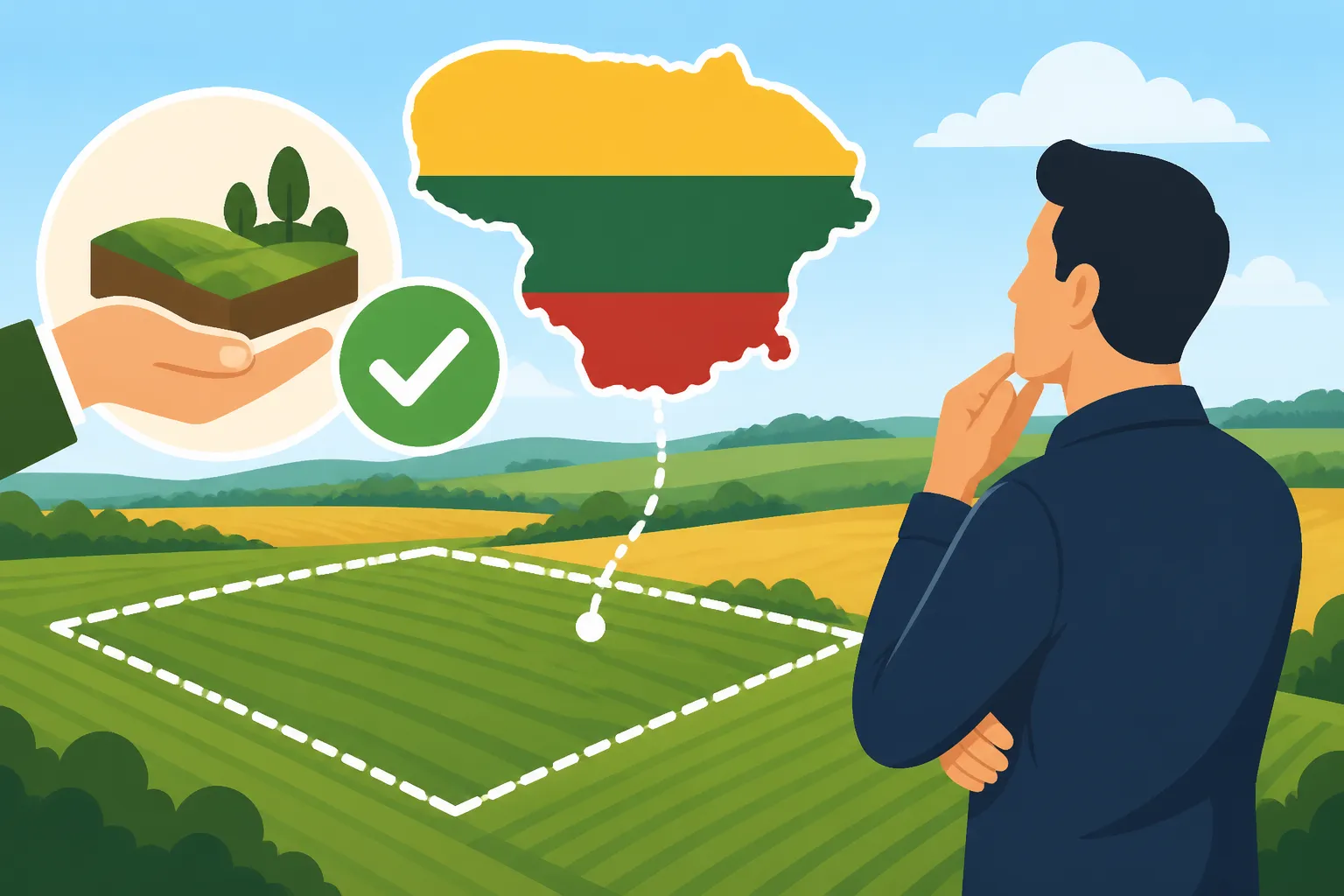
Oh, the dream of owning a little piece of Lithuania! So many of us expats arrive, fall in love with the serene landscapes, the vast forests, or the rolling green fields, and start imagining a life with a plot of land to call our own. Perhaps you dream of a quaint homestead, growing your own vegetables, or even running a small farm. But when that dream turns to buying agricultural land as a foreigner, things can get a bit… murky. This guide is here to untangle the complexities and give you a realistic roadmap, whether your dream is achievable or if you need to adjust your vision slightly.
The Dream vs. Reality: Foreign Ownership of Agricultural Land in Lithuania
Let's get straight to the heart of the matter: owning agricultural land in Lithuania as a foreigner is not a straightforward "yes" or "no" answer. It's more of a "maybe, with significant conditions" for some, and a "probably not" for others. This can be a real disappointment for those who arrive with romantic notions of rural life, only to hit a wall of specific regulations. Believe me, I've seen enough frustrated faces to know this isn't an easy pill to swallow.
The General Rule: EU/EEA Citizens vs. Third-Country Nationals
The fundamental division in Lithuanian property law, especially concerning land, lies in your citizenship. It all boils down to Article 47 of the Constitution of the Republic of Lithuania, which stipulates certain protections for national land ownership. Historically, after regaining independence and the complexities of land reform post-Soviet era, Lithuania has aimed to protect its agricultural land for its own citizens and those from other EU/EEA countries who are genuinely contributing to the agricultural sector.
For those of us from outside the European Union or the European Economic Area (Norway, Iceland, Liechtenstein), this distinction means a much tougher road, if not an outright roadblock. Non-EU/EEA citizens face significant restrictions when it comes to acquiring agricultural land directly. The logic, as frustrating as it might seem when you just want a small farm, is to prevent speculative purchases or foreign entities from controlling large swaths of the country's primary productive land. It’s a protectionist measure, plain and simple, and while it makes sense from a national policy perspective, it certainly doesn't help your individual farming dreams.
The Specifics for EU/EEA Citizens
Now, if you're a citizen of an EU or EEA country, you're in a much better position, but don't think it's a walk in the park. You generally have the same rights as Lithuanian citizens to acquire agricultural land. However, and this is a big however, there are crucial caveats. The primary one is the "agricultural activity" requirement. Simply put, you can't just buy a field to sit on or convert into a sprawling garden unless you actually intend to farm it.
The law requires you to demonstrate that you will be engaged in agricultural activity on the purchased land. This often means proving you have the necessary qualifications or experience. Think agricultural education, a history of farming, or a very concrete and convincing business plan outlining your farming intentions. You'll need to satisfy local authorities that you're not just buying land as an investment or a hobby plot, but as a genuine farmer. There might also be limits on the maximum size of land you can acquire, though these usually apply to very large areas and are less of a concern for smaller-scale buyers. The entire process is designed to ensure that the land remains productive and that genuinely active farmers are given priority.
The Uphill Battle for Non-EU/EEA Citizens
For those of you holding passports from countries outside the EU/EEA, I'm afraid to say that direct ownership of agricultural land is, for all intents and purposes, largely off the table. This is often the point where many expats throw up their hands in despair, and I completely get it. It feels unfair when you've invested so much in moving here and building a life. The legal framework is quite clear: non-EU/EEA individuals cannot directly own agricultural or forest land in Lithuania.
There are practically no exceptions for individuals. While bilateral investment treaties can exist between certain countries, they rarely, if ever, cover direct individual ownership of strategic assets like agricultural land. So, unless you’re an EU/EEA citizen, your dream of buying that picturesque field to plant your potatoes and blueberries might need a serious rethink. It's a tough reality, but it's important to be upfront about it so you don't waste time and money pursuing an impossible goal. Don't worry, though; we'll discuss some potential alternatives later in this guide!
Navigating the Bureaucracy: Steps and Hurdles for Eligible Foreigners
Okay, so if you are an EU/EEA citizen with genuine farming intentions, you're cleared for the next stage. But don't expect it to be a simple transaction. The Lithuanian bureaucracy, while generally efficient, can be a labyrinth for those unfamiliar with its specific demands, especially when it comes to land.
Proving Your Agricultural Intent and Qualifications
This is where the rubber meets the road. Before you can even finalize a purchase of agricultural land, you need to prove your eligibility to the relevant authorities. This isn't just a nod and a wink; it requires documented proof. What exactly are they looking for?
Firstly, your professional qualifications. Do you have a diploma in agriculture, horticulture, agronomy, or a related field? Gather those certificates. Secondly, your professional experience. Have you worked as a farmer, agricultural specialist, or managed a farm in your home country or elsewhere? Get references, employment contracts, or any official documents that can back this up. Lastly, and crucially, you'll often need a detailed business plan for your agricultural activity on the land you intend to buy. This plan needs to be robust, showing what you'll grow, how you'll manage it, your market, and your financial projections. It demonstrates you're serious and capable.
You’ll typically submit these documents to the local municipal administration where the land is located, and sometimes to the Nacionalinė mokėjimo agentūra (National Paying Agency) or Nacionalinė žemės tarnyba (National Land Service). These agencies are responsible for overseeing agricultural land use and ensuring compliance. The waiting times for approval can vary significantly, and frankly, a rejection is always a possibility if your documentation isn't up to scratch or your plan isn't convincing enough. It's a competitive process, and local authorities want to ensure the land goes to someone who will genuinely use it productively.
Understanding Land Designations and Restrictions
One of the most critical aspects to understand when looking at any land in Lithuania is its designation (paskirtis). Land is strictly categorized into different types: žemės ūkio paskirties žemė (agricultural land), miškų ūkio paskirties žemė (forest land), vandens ūkio paskirties žemė (water management land), gyvenamosios paskirties žemė (residential land), and so on. Each designation comes with its own set of rules, restrictions, and permitted uses.
Agricultural land is specifically zoned for farming. You cannot simply buy agricultural land and then decide to build a massive house, a factory, or even a large commercial complex on it without going through a very complex and often impossible change of designation process. This process is lengthy, expensive, requires numerous approvals from various government bodies, and is usually only granted for projects of significant public interest or specific urban development plans, not individual whims. Trying to change the designation of productive agricultural land is an uphill battle you're unlikely to win.
Before you even think about putting in an offer, you absolutely must check the land's official designation and any specific environmental or planning restrictions. The Registrų Centras (Real Property Register) is your go-to for this information. This is where you can How do I check a property in the Registrų Centras in Lithuania? and find out everything from ownership history to boundaries and, yes, its official designation. Failing to do your due diligence here can lead to buying a plot of land that you can't use for your intended purpose, resulting in significant financial loss and a monumental headache.
The Purchase Process and Associated Costs
Once you've cleared the eligibility hurdles and found your ideal plot, the actual purchase process begins. This isn't too dissimilar from buying other types of property in Lithuania, but it has its own nuances.
First, you'll likely need a good real estate agent or broker who specializes in rural properties and understands the specific legalities of agricultural land. They can help you find suitable plots that meet your criteria and help navigate the initial communication with sellers. When you've agreed on a price, you'll typically sign a preliminary agreement.
The next crucial step involves a notary public (notaras). All property transactions in Lithuania must be notarized to be legally valid. The notary will verify the identities of the buyer and seller, ensure all legal requirements are met (including your eligibility to purchase agricultural land), and draft the final purchase agreement. Be prepared for notary fees, which are calculated based on the transaction value. It's worth Understanding Notary (Notaras) Costs When Buying Property in Lithuania as these can add a notable chunk to your overall expenses.
Beyond the purchase price and notary fees, you'll encounter other costs. These can include:
- State fees for registration: To register your ownership in the Registrų Centras.
- Legal fees: If you hire a lawyer (which I highly recommend) to review contracts and ensure everything is above board.
- Valuation fees: An independent property valuation might be required by a bank if you're seeking a loan, or simply for your own peace of mind.
- Potential real estate tax: While agricultural land itself often has lower property taxes, if you have structures on it or if a portion is designated for residential use, What is Real Estate Tax (NTM) and Who Pays It in Lithuania? will apply.
All these costs add up, so make sure you have a clear understanding of the full financial picture before committing. Think of it this way: while How much does it cost to buy an apartment in Vilnius? gives you an idea of urban property costs, rural land has its own distinct financial landscape. For a comprehensive overview of expenses, it’s always wise to research Understanding the Buyer's Costs and Fees When Purchasing in Lithuania.
Alternatives and Practicalities: What If Agricultural Land Isn't an Option?
So, if direct agricultural land ownership proves too difficult or impossible for you, don't despair! Lithuania still offers plenty of opportunities to live that rural dream, just perhaps not in the exact way you initially envisioned. There are viable alternatives that can get you close to your goal without breaking the bank or running into insurmountable legal walls.
Buying Other Types of Land
Even if agricultural land is out of reach, other types of land might be perfectly accessible, especially for non-EU/EEA citizens. This is often where the dream needs to be re-evaluated and adjusted to the legal realities.
- Residential Plots (gyvenamosios paskirties žemė): This is typically the most straightforward option for foreigners wanting to build a home in a rural or semi-rural setting. You can buy a plot of land that is already zoned for residential construction. This might come with a decent-sized garden where you can grow your own produce, perhaps even keep a few chickens. While it's not a commercial farm, it certainly allows for a significant "homesteading" lifestyle. These plots are much easier for non-EU/EEA citizens to acquire, as the same restrictions on agricultural land typically do not apply. This is largely covered under the broader question of Can foreigners buy property in Lithuania?.
- Forest Land (miškų ūkio paskirties žemė): While tempting for its natural beauty and tranquility, buying forest land also comes with its own set of rules. You're generally buying it for forestry purposes, not to clear-cut and farm. There are strict regulations on logging, environmental protection, and management. For non-EU/EEA citizens, direct ownership often faces similar, though sometimes less stringent, restrictions as agricultural land.
- Commercial Land (komercinės paskirties žemė): If your dream involves a business venture that isn't direct farming but requires land (e.g., a guesthouse, a small workshop), commercial land might be an option. These plots are usually in designated areas and are far less restricted for foreign ownership.
The key takeaway here is to be flexible. If owning vast fields for traditional farming isn't possible, a residential plot with ample space for gardening, an orchard, and maybe some small livestock might be the perfect compromise.
Leasing Agricultural Land
For many expats, particularly those from outside the EU/EEA, leasing agricultural land is the most practical and often the only way to engage in farming activities. This allows you to cultivate land, grow crops, or raise livestock without the legal complexities of ownership.
Lease agreements (nuomos sutartis) can vary greatly in duration, from short-term seasonal leases to long-term agreements spanning several years. It's crucial to have a comprehensive lease agreement drafted and reviewed by a local lawyer. This agreement should clearly outline:
- The duration of the lease.
- The rent and payment schedule.
- The permitted uses of the land (e.g., specific crops, livestock, organic farming).
- Responsibilities for maintenance, improvements, and taxes.
- Termination clauses and renewal options.
Leasing provides flexibility and allows you to test your farming skills or business model without the massive upfront investment and legal hurdles of ownership. It's an excellent way to dip your toes into Lithuanian agriculture.
Setting Up a Lithuanian Legal Entity
Another route, often considered by non-EU/EEA citizens or those with larger-scale agricultural ambitions, is to establish a Lithuanian company (e.g., a UAB – uždaroji akcinė bendrovė, similar to a limited liability company, or an MB – mažoji bendrija, a small partnership). This company, being a Lithuanian legal entity, can then purchase agricultural land.
However, this isn't a loophole to be taken lightly. Setting up a company comes with its own set of responsibilities and complexities:
- Formation costs and procedures: You'll need to register the company, draft statutes, appoint a director, and fulfill initial capital requirements. For an MB, the process can be slightly simpler, as detailed in How to Set Up a Small Partnership (Mažoji Bendrija, MB) in Lithuania. For a UAB, it's more involved, and understanding How do I register a UAB for tax purposes in Lithuania? is essential.
- Ongoing compliance: Companies in Lithuania are subject to annual reporting, bookkeeping, corporate income tax, and other regulations. You'll need to demonstrate genuine business activity, not just land ownership. The authorities are vigilant against shell companies created solely to bypass land ownership laws.
- Tax implications: The company will be a taxpayer, and profits will be subject to corporate income tax before you can take dividends.
While possible, this route is considerably more complex and costly than direct individual ownership and should only be pursued if you have a robust business plan and are prepared for the full responsibilities of running a Lithuanian company. It’s certainly not for the faint of heart or for someone just looking for a personal hobby farm.
Practical Tips for Foreign Buyers in Lithuania
Whether you're an EU/EEA citizen navigating the agricultural land ownership rules or a non-EU/EEA citizen exploring residential plots or leasing, a few practical tips can make your journey significantly smoother.
Local Expertise is Key
I cannot stress this enough: you absolutely need local expertise. The Lithuanian legal and real estate landscape has its own nuances, and a slight misunderstanding can lead to significant problems.
- English-Speaking Lawyer: Invest in a good, English-speaking lawyer who specializes in real estate and land law. They will be invaluable in reviewing contracts, verifying land designations, checking for encumbrances, and guiding you through the entire purchase process. They can also represent your interests and explain the nuances of the law in plain English. Think of them as your primary safeguard against unforeseen issues. This is akin to finding a trusted medical professional, as discussed in How do I find a trusted private clinic in Vilnius?, but for your finances and property.
- Reliable Real Estate Agent: While some properties are sold privately, a reputable real estate agent can save you immense time and effort. Look for agents with experience working with foreign buyers and a deep understanding of rural properties and land classifications. They often have local connections and can alert you to suitable listings before they even hit the broader market.
- Local Farmer/Consultant: If you're seriously considering agricultural activity, connect with local farmers or agricultural consultants. They can offer invaluable insights into local soil conditions, climate, suitable crops, and market realities. They might even know of land available for lease or sale that isn't publicly advertised.
Due Diligence and Background Checks
Before signing anything, engage in thorough due diligence. This goes beyond just liking the look of a plot of land.
- Registrų Centras Checks: As mentioned, this is your bible. Your lawyer or agent should pull detailed reports from the Registrų Centras. This will confirm true ownership, verify the land's exact boundaries, identify any easements or encumbrances (like mortgages or rights of way), and clearly state its official designation. This step is non-negotiable.
- Zoning and Planning: Understand the local municipality's general plan (bendrasis planas) and detailed plans (detalieji planai) for the area. Are there any future development plans that might affect your property? Will a new road be built nearby? Are there any restrictions on building height or architectural style? These are critical questions, especially if you plan to build or modify structures.
- Site Visits and Assessments: Don't just view the land once. Visit at different times of the year, if possible, to observe drainage, access in various weather conditions, and surrounding activity. For agricultural land, consider soil quality tests to ensure it's suitable for your intended crops. Look for potential environmental concerns.
Communication and Connectivity
Moving to a new country and undertaking a significant purchase like land can be a logistical challenge. Good communication and staying connected are vital.
- Local Phone Number and Internet: As soon as you arrive, get a local Lithuanian SIM card. This makes it easier for agents, lawyers, and local authorities to reach you. For temporary solutions, an eSIM service like Airalo can be a lifesaver, ensuring you're connected from the moment you step off the plane, giving you time to sort out a local plan. Reliable internet is crucial for managing paperwork, research, and staying in touch.
- Language Barrier: While many younger Lithuanians, especially in cities like Vilnius or Kaunas, speak excellent English, rural areas might be different. Be prepared to use translation apps or hire a translator for crucial meetings or documents if your Lithuanian isn't up to scratch.
- Moving Logistics: If you're planning a major move involving belongings, tools, or even equipment for your new land, consider using an international moving service. Companies like Sirelo can help you compare quotes and plan your move efficiently, reducing stress and ensuring your possessions arrive safely. Remember, Declaring Your Place of Residence Gyvenamoji Vieta in Lithuania is also a key step in solidifying your life here, which impacts many other administrative processes. Also, don't forget that getting your How Do I Get an Asmens Kodas Before Renting an Apartment in Lithuania? is paramount for almost any official transaction, including land purchases.
Owning land in Lithuania can be an incredibly rewarding experience, connecting you deeply with the country and its nature. Just be prepared to navigate the rules, understand the limitations, and leverage local expertise to make your dream a reality, even if it means adjusting the specifics of that dream.
Disclaimer
The information provided in this guide is for general informational purposes only and does not constitute legal, financial, or professional advice. Laws and regulations in Lithuania can change and may vary depending on individual circumstances. It is essential to consult with qualified legal and real estate professionals in Lithuania for advice tailored to your specific situation before making any decisions related to land or property acquisition.