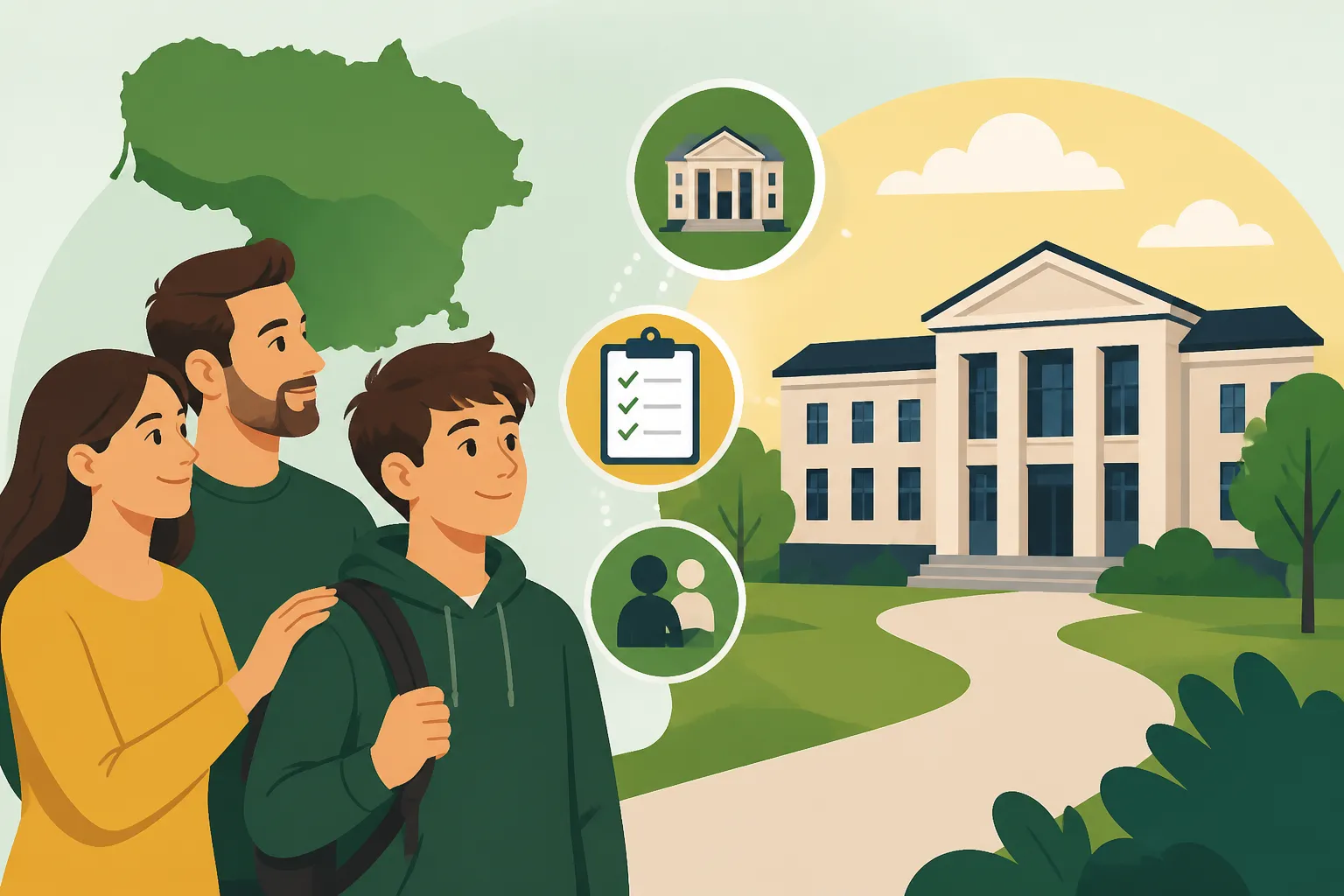
How Do I Enrol My Teenager in Gymnasium (Gimnazija) in Lithuania?
Moving to a new country with teenagers is a whole different ballgame than moving with younger kids. You're not just finding a new home; you're also navigating a new education system, especially when it comes to something as specific as enrolling your teenager in a Lithuanian gimnazija. It can feel like deciphering ancient hieroglyphs sometimes, with all the unfamiliar terms, processes, and potential language barriers. This guide is here to untangle that knot for you, offering a clear, empathetic roadmap to get your teen settled into secondary education in Lithuania.
Understanding the Lithuanian Education System Structure
Before you even think about forms and deadlines, it’s crucial to grasp how education works here in Lithuania. It's not always a straightforward translation from what you might be used to back home, especially when we talk about gimnazija.
The Stages of Education: Primary, Basic, and Gymnasium
In Lithuania, the education system is generally divided into several distinct stages, and understanding them is key to placing your teenager correctly.
First, you have Pre-school education (Ikimokyklinis ugdymas), typically for children from infancy up to 6 or 7 years old, often in kindergartens (darželiai). Following that is Primary education (Pradinis ugdymas), covering grades 1 through 4. This is the foundational stage, focusing on literacy, numeracy, and basic social skills. Think of it as the building blocks of their academic journey. While important, it's not directly what we're focused on here for teenagers.
Next comes Basic education (Pagrindinis ugdymas), which spans grades 5 through 10. This is where things start to get more serious academically, covering a broader range of subjects and preparing students for the next big step. Many children attend a general school (sometimes called pagrindinė mokykla) for both primary and basic education. By the time your teenager reaches the age of around 15 or 16, they will typically be completing their basic education, which culminates in a basic education achievement certificate. This certificate is essential as it’s often a prerequisite for entry into a gimnazija.
Finally, for teenagers aged roughly 15-19, there's Gymnasium education (Gimnazijos ugdymas), covering grades 9 through 12. Now, here's a crucial point that often confuses expats: in Lithuania, a gimnazija isn't necessarily an elite, private, or selective school, as the term "gymnasium" might imply in some other countries (like Germany or the Netherlands). Instead, it represents the final stage of general secondary education, preparing students for university entrance exams. It’s the equivalent of high school for many of us, but with a more academic focus. Some schools combine all three stages (primary, basic, gymnasium), while others specialize. If your teenager is older, say 15 or 16, and has completed grade 9 or 10 elsewhere, they would be looking directly at enrolling in a gymnasium for their remaining years of secondary education. It's really the pathway to higher education here.
Public vs. Private Gymnasiums
When it comes to gymnasiums, you essentially have two main categories: public and private. Both have their merits and drawbacks, especially for an expat family, and your choice will largely depend on your priorities, budget, and your teenager's specific needs.
Public Gymnasiums are the most common choice for Lithuanian families and are generally free of tuition. They follow the national curriculum set by the Ministry of Education, Science and Sport, and the language of instruction is almost exclusively Lithuanian. This can be a significant hurdle for expat teenagers who don't have a strong grasp of the language. While some public schools in larger cities like Vilnius or Kaunas might have a few teachers who can communicate in English, the day-to-day instruction, textbooks, and social interactions will be predominantly in Lithuanian. The advantage, beyond being free, is that it offers true cultural immersion, which can be fantastic for language acquisition in the long run. However, the initial period can be incredibly challenging and isolating for a teenager thrown into a fully Lithuanian-speaking environment without adequate preparation. This is where programs for "Lithuanian as a Second Language" within the school, if available, become incredibly valuable.
Private and International Gymnasiums, on the other hand, offer a different experience entirely. These schools often cater specifically to the international community and follow international curricula such as the International Baccalaureate (IB) or specific national curricula (e.g., American, British). The language of instruction is typically English, which immediately removes a major barrier for many expat teenagers. Examples include the American International School of Vilnius or the British School of Vilnius. These schools also tend to have smaller class sizes, more diverse student bodies, and a wider range of extracurricular activities. The trade-off, as you might expect, is the cost. Tuition fees for international schools can be substantial, ranging from several thousand to over ten thousand euros per year, plus additional fees for application, registration, and sometimes even transport or lunch. For a deeper dive into these options, you might find our guide on Understanding International Schools and Their Costs in Lithuania quite helpful. While these options solve the language problem, they might offer less cultural immersion in Lithuanian society, which some families might see as a downside. Your decision here really hinges on balancing language needs, financial considerations, and your family’s long-term integration goals.
Navigating the Gymnasium Enrolment Process as an Expat
Okay, so you've understood the structure and decided on public or private. Now comes the nitty-gritty: actually getting your teenager enrolled. This part can feel like a bureaucratic labyrinth, but breaking it down into steps makes it manageable.
Key Documents and Preparations
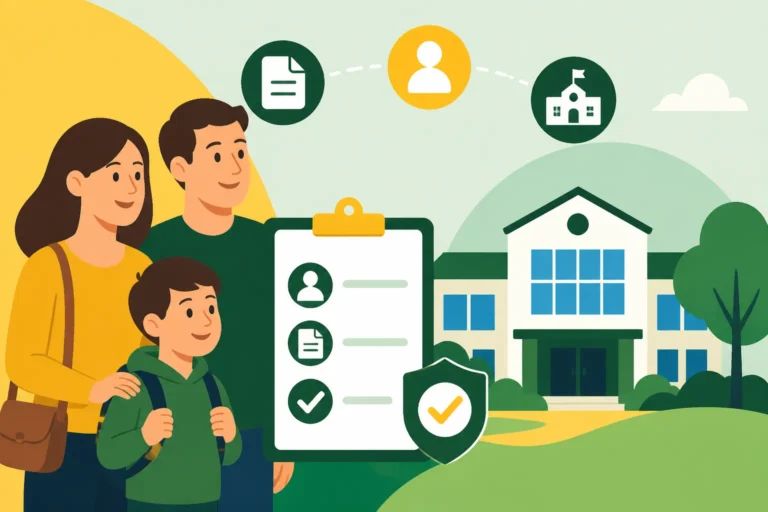
Gathering the right documents and ensuring they are properly prepared is often the most time-consuming and frustrating part of the enrollment process. Don't underestimate this step; missing a single document or having one improperly translated can cause significant delays.
First and foremost, your teenager will need a valid residence permit for Lithuania. For non-EU citizens, this often means a Temporary Residence Permit (TRP), which proves their legal right to live in the country. Without this, school enrollment is simply not possible. You'll also need your own residence permit as the parent or legal guardian. The application process for these permits can be complex, and getting yours sorted first is paramount. Our guide, The Complete Guide to Lithuanian Residence Permits for Expats (2027), delves into this topic in much greater detail and can be a lifesaver. Hand-in-hand with the residence permit is the Asmens Kodas, or personal identification code. This unique 11-digit number is crucial for almost all administrative tasks in Lithuania, including school registration. If your teenager doesn't have one yet, you'll need to apply for it, usually through the Migration Department (MIGRIS) as part of their residence permit application. Having their Asmens Kodas is almost as important as their name in the eyes of Lithuanian bureaucracy, so make it a priority. You can learn more about this in our guide on How to Get Your Asmens Kodas (Personal Code) and Why It Matters for Healthcare.
Beyond these foundational documents, you'll need your teenager's birth certificate, typically the original or a certified copy, and sometimes an official translation if it's not in English or Lithuanian. Previous school records are also critically important. This includes academic transcripts from their most recent years, detailing subjects studied, grades achieved, and attendance records. If these are not in English, they will need to be translated into Lithuanian by a sworn translator and potentially legalized with an apostille, depending on the country of origin and any international agreements Lithuania has. This step ensures that the Lithuanian school system can accurately assess your child's academic background and place them in the correct grade level. Furthermore, health records will be required, often including vaccination records and a general health certificate. Lithuanian schools prioritize student well-being, so they’ll want to ensure your teenager meets local health standards and can participate safely in school activities. Always check with the specific school or municipality for their exact requirements, as these can vary slightly. Finally, you’ll need proof of your declared place of residence in Lithuania, which is fundamental for public school zoning. This proof typically comes from the Registrų Centras (Centre of Registers) and is covered in our guide Declaring Your Place of Residence in Lithuania: The Complete Guide.
| Document Type | Purpose | Expat Specific Notes |
|---|---|---|
| Residence Permit | Legal right to live in Lithuania | Essential for both parent and child. Start this process early. Non-EU citizens need a Temporary Residence Permit (TRP). Check How to Get a Temporary Residence Permit (TRP) in Lithuania (2027) for details. |
| Asmens Kodas | Personal identification number | Critical for all public services. Usually obtained with your residence permit application. |
| Birth Certificate | Proof of identity and age | Original or certified copy. May require translation into Lithuanian and notarization/apostille depending on origin country. |
| Previous School Records | Academic history and grade placement | Transcripts, report cards from the last 2-3 years. Must be officially translated into Lithuanian. Check if an apostille is needed. This is key for determining your teen's correct grade level. |
| Health Records | Vaccination status and general health | Vaccination records (translated) and a medical certificate from a Lithuanian doctor confirming fitness for school. |
| Proof of Residence | Confirms your official address in Lithuania | A certificate from Registrų Centras, crucial for public school zoning. Ensure you've completed Declaring Your Place of Residence in Lithuania: The Complete Guide. |
| Passport/ID | General identification | Valid passports or national ID cards for both parent and child. |
| Parental ID | Identification for legal guardian | Your passport or national ID. |
| Passport Photos | For various forms and student IDs | Usually 1-2 recent passport-sized photos. |
The Application and Admission Steps
Once your documents are in order, the actual application process begins. This process will differ significantly depending on whether you're aiming for a public or private gymnasium.
For public gymnasiums, the process is largely centralized at the municipal level, particularly in larger cities like Vilnius, Kaunas, and Klaipėda. These municipalities typically have an electronic application system, often accessible through their education department websites. For instance, Vilnius uses a system that allows parents to register their children for schools, including gymnasiums, based on their declared place of residence. The general idea is that children are assigned priority to schools closest to their registered address. This is why securing your long-term accommodation and registering your residence, as detailed in How to Find and Rent Long-Term Accommodation in Lithuania, is a prerequisite. You’ll usually input your child’s Asmens Kodas, your own details, and select preferred schools. The system then processes applications based on a set of criteria, with residency being a major factor.
It's absolutely critical to pay attention to the application deadlines, which are usually in the spring (March-May) for the upcoming academic year. Missing these can mean your child isn't placed in a school, or they're placed in one further away or less desired. The municipal departments usually publish these dates well in advance. After the initial application, you might be invited to an interview with the school principal, especially if your child is entering an older grade (like 10th or 11th) or if there's a specific profile for the gymnasium (e.g., arts, sciences). For younger teens, grade 9 (which is the first year of gymnasium), it's more about available spots and residency. Acceptance letters are typically issued later in the summer. Once accepted, you'll need to physically go to the school with all original documents to finalize the registration. Remember, securing an appointment with the Migration Department (MIGRIS) to sort out any residence permit issues can also be time-consuming, so it's a good idea to factor that in. Check out How to Book an Appointment at the Migration Department (MIGRIS) in Lithuania for guidance on that front.
Private and International Gymnasiums have a much more independent admissions process. You will apply directly to the school itself. Each school will have its own specific application forms, deadlines, and requirements, which are usually available on their websites. The process often involves:
- Online Application: Filling out an application form, usually online, and submitting required documents (transcripts, birth certificate, passport copies).
- Application Fee: Most private schools charge a non-refundable application fee.
- Entrance Assessments: Many private international schools require entrance exams in subjects like English, Math, and sometimes an interview with the student and parents to assess academic readiness and fit.
- Acceptance and Enrollment: If accepted, you’ll receive an offer letter and then proceed with paying a registration fee and the first installment of tuition.
These schools often have rolling admissions or earlier deadlines than public schools, so it's wise to start this process even sooner, often a year in advance if possible, especially for popular schools. They generally have more flexibility in terms of language support and grade placement for international students, but it's essential to communicate your teenager's specific needs clearly during the application process.
Overcoming Language Barriers and Integration Challenges
Let's be real: plopping a teenager into a new country, a new school, and potentially a new language is tough. The academic challenges are one thing, but the social and emotional hurdles can be just as significant.
Lithuanian Language Immersion and Support
The Lithuanian language is beautiful but complex, and for a teenager suddenly immersed in it, it can feel like a solid wall. This is arguably the biggest challenge for non-Lithuanian-speaking expat teens.
If your teenager is entering a public gymnasium, prepare for a steep learning curve. The primary language of instruction will be Lithuanian, and while some schools in diverse urban areas might have experience with foreign students, dedicated English-language support for core subjects is rare. Some larger municipalities, like Vilnius, have made efforts to introduce "Lithuanian as a Second Language" (L2) programs or offer supplementary language classes for foreign students. These programs, however, vary in intensity and availability, so it's essential to inquire directly with the specific school or municipal education department. Don't just assume they exist; ask probing questions about what actual support is provided for non-Lithuanian speakers in their first year. If a school does offer such a program, it can be a lifesaver, allowing your teenager to grasp the language fundamentals while still progressing in other subjects.
Beyond formal school support, external language tutors or courses can be incredibly beneficial. Many private language schools in Vilnius, Kaunas, and other cities offer courses specifically designed for foreigners, from intensive summer programs to once-a-week classes during the school year. Even an hour or two with a private tutor can make a world of difference, boosting confidence and accelerating language acquisition. Remember, learning a language takes time and patience, especially for academic purposes. It’s not just about conversational fluency but also understanding complex subject matter in a new tongue. Consider resources like Learning Lithuanian: A Complete Guide to Language Courses and Levels to find suitable options. While challenging, full immersion in a public school setting can, in the long term, lead to remarkable fluency. However, it requires a significant amount of resilience and support from both the school and the family during the initial adaptation period.
Social and Cultural Adjustment for Teenagers
Moving as a teenager isn't just about school; it's about uprooting their entire social world. This can lead to feelings of isolation, frustration, and even resentment, which are completely valid.
Teenagers thrive on social connections, and being the "new kid" who doesn't speak the language or understand the cultural nuances can be incredibly difficult. Lithuanian teenagers, while generally polite, can sometimes seem reserved to newcomers. Making friends in a new environment takes effort and time. Encourage your teenager to get involved in extracurricular activities offered by the school or local community. Whether it's sports clubs, art classes, music groups, or volunteer work, these activities provide a natural way to meet peers who share similar interests outside the pressure of academic performance. It creates common ground and opportunities for natural interaction, which is key for building friendships.
Understanding cultural differences is also crucial. Lithuanian culture values punctuality, respect for elders and teachers, and a certain level of modesty. Social interactions might be less direct than what your teenager is used to. There might be different norms around peer relationships, personal space, or even humor. Having conversations with your teenager about these differences, and helping them to interpret situations, can mitigate misunderstandings. Patience, empathy, and active listening are your most important tools as a parent during this period. Remember that it's okay for them to feel frustrated or sad sometimes. Validate their feelings, offer a safe space to vent, and celebrate every small victory, whether it's understanding a new joke or making a new friend. While a new country can feel overwhelming, having a reliable way to connect with friends and family back home can provide immense comfort. Services like Airalo for eSIMs can be a simple way to ensure they're always connected, helping ease anxieties about communication. It’s not a fix for cultural integration, but it’s one less thing to worry about in their pocket.
Practical Tips and Resources for Expat Parents
Navigating a new education system is a marathon, not a sprint. Having the right tools and knowing where to turn for advice can make all the difference.
Seeking Local Advice and Community Support
You are not alone in this journey. Thousands of expats have moved to Lithuania and successfully enrolled their children in schools. Tapping into their experience is invaluable.
The first place to look is online expat groups and forums. Facebook groups like "Expats in Vilnius" or "Expat Parents in Lithuania" are vibrant communities where parents share advice, frustrations, and tips on everything from school enrollment to finding English-speaking doctors. These groups can offer real-time insights into specific schools, recent changes in regulations, and even connect you with other parents whose children attend the same gymnasium as yours. Don't be shy about asking questions, no matter how small they seem. Someone else has probably faced the same issue! Beyond online groups, seek out in-person expat meetups or events. Many cities have regular gatherings organized by expat communities, where you can meet other parents face-to-face. These interactions can lead to genuine friendships and a vital support network for both you and your teenager. Sharing experiences, validating each other's struggles, and celebrating successes can make the whole process feel less isolating. Remember, while official information is critical, the lived experience of other expat families often fills in the gaps that government websites simply can't.
Another great resource is the school community itself. Once your teenager is enrolled, reach out to the school administration or parent associations (if they exist). Even if you don't speak fluent Lithuanian, many schools have staff members who can communicate in English, especially if they have international students. Building a rapport with the school early on can create a supportive environment for your teenager. They might be able to connect you with other expat families at the school or provide additional resources for integration. Don't wait for problems to arise; proactive engagement can head off many issues before they become major.
Essential Online Tools and Official Portals
Lithuania, like many EU countries, is increasingly digital, and knowing which online portals to use can save you countless hours.
For public school applications, keep a close eye on your municipality's education department website. For example, in Vilnius, the education portal often handles the electronic registration process for all general education schools. These portals typically provide information on application deadlines, criteria, and available spaces. While some might be in Lithuanian only, Google Translate can be your best friend here, or ask a Lithuanian colleague or friend to help navigate the key sections. It's a bureaucratic hurdle, but a necessary one. Make sure you understand how to access and use the VMI Electronic Declaration System (EDS) for tax-related matters once you're officially a resident, as some educational costs might have tax implications down the line. Beyond school-specific portals, the Migration Department (MIGRIS) electronic services portal is your go-to for anything related to residence permits, extensions, and the all-important Asmens Kodas. Getting these foundational documents in order digitally via MIGRIS is often the first step before any school can even consider your application. You can find more details in How to Get a Temporary Residence Permit (TRP) in Lithuania (2027).
Additionally, the E-Government Gateway (Elektroniniai Valdžios Vartai) serves as a central hub for accessing various public services online, including certain registry services that might be needed to prove your official address. While not directly for school enrollment, understanding this broader digital landscape can simplify other administrative tasks that indirectly support your family's move and your teenager's integration into the Lithuanian system. Remember, consistency is key when using these portals; always double-check the information you input and keep copies of all submissions. Using professional moving services like Sirelo can also take some stress out of the relocation process, allowing you more time to focus on school admissions and getting the digital side of things sorted.
The Financial Aspect: Costs and Fees
While public education in Lithuania is technically free, it's naive to think there are no financial implications. It's important to budget for various expenses, whether your child attends a public or private gymnasium.
For public gymnasiums, while tuition is free, you will still incur costs. These typically include:
- Textbooks and School Supplies: While some basic textbooks might be provided, you'll often need to purchase supplementary materials, notebooks, pens, and specialized supplies for art or science classes.
- Uniforms/Dress Code: Many schools have a specific dress code or a mandatory school uniform, which you'll need to purchase.
- Extracurricular Activities: Participation in sports clubs, arts programs, school trips, or other optional activities will usually involve additional fees. These can vary widely but can add up over a school year.
- Meals: School lunches are often subsidized but not always free. You'll likely pay a small daily fee for your teenager to eat at school, or you'll need to pack their lunch.
- Transportation: Depending on how far you live from the school, you'll need to factor in the cost of public transport (bus passes, etc.) or personal transport. Public transport in cities like Vilnius is generally affordable, especially with a student pass once your child is officially enrolled.
For private and international gymnasiums, the financial outlay is significantly higher. Tuition fees are the largest component and can range from €5,000 to €20,000+ per academic year, depending on the school, grade level, and curriculum (e.g., IB programs are often at the higher end). Beyond tuition, prepare for:
- Application Fees: Non-refundable fees just to process your application, typically €100-€300.
- Enrollment/Registration Fees: A one-time fee upon acceptance, often several hundred to over a thousand euros.
- Annual Fees: These might cover technology, library, or specific program costs.
- Bus Services: Many international schools offer private bus services, which come with an extra fee.
- Lunch Programs: Again, not usually included in tuition.
- Field Trips and Activities: While some might be included, longer trips or more specialized activities will likely be extra.
It's crucial to request a comprehensive fee schedule from any private school you are considering to get a full picture of the costs involved. Budgeting for these expenses, whether for public or private education, should be part of your overall financial planning for moving to Lithuania. Our guide on The Complete Guide to Cost of Living in Lithuania for Expats (2026) can help you put these educational costs into broader perspective against other household expenses.
Disclaimer
The information provided in this guide is for general informational purposes only and does not constitute legal, financial, or educational advice. While we strive to keep the information up-to-date and accurate, regulations and procedures in Lithuania can change frequently. Expats are strongly advised to consult official sources, such as the Lithuanian Ministry of Education, Science and Sport, local municipal education departments, the Migration Department (MIGRIS), and professional legal or educational consultants for personalized advice regarding their specific situation. We cannot be held responsible for any outcomes resulting from the use of this information.