How to Book an Appointment at the Migration Department (MIGRIS) in Lithuania
Oh, the infamous MIGRIS appointment! If you're an expat in Lithuania, just uttering "Migration Department" can often conjure up images of endless forms, navigating confusing online portals, and the sheer terror of not finding an open slot. Trust me, I've been there, staring blankly at a calendar that shows nothing but greyed-out dates, feeling that familiar knot of anxiety. This guide is here to walk you through the often-frustrating but absolutely essential process of booking your appointment at the Lithuanian Migration Department (MIGRIS), demystifying the steps and offering some real-world advice to help you get through it with your sanity intact.
Understanding MIGRIS and Why Appointments Are Crucial
Before we dive into the nitty-gritty of booking, let's get a clear picture of what MIGRIS is and why it's such a central, and sometimes daunting, part of expat life here in Lithuania. It's the gatekeeper, the administrator, and the body that holds the key to your legal stay in this beautiful country.
What is MIGRIS and its Role for Expats?
MIGRIS, short for the Migration Department under the Ministry of the Interior of the Republic of Lithuania, is the primary governmental institution responsible for implementing migration policy in Lithuania. For us foreigners, it's the place where all the really important stuff happens: applying for temporary and permanent residence permits, obtaining National (D) Visas, registering your right of residence if you're an EU citizen, or even applying for Lithuanian citizenship. Basically, if it involves your legal status to live, work, or study in Lithuania, you'll be dealing with MIGRIS.
Their role is absolutely central to an expat's journey. From the moment you contemplate moving here, you're likely thinking about the documents and permissions you'll need, and almost all of them lead back to MIGRIS. It's where you submit your initial application for a residence permit, where you go to renew it, and where you'll eventually collect your shiny new permit card. Navigating this department can often feel like a bureaucratic labyrinth, especially when you're new to the country and perhaps still grappling with the language. The sheer volume of applications they process means that their systems need to be robust, but it also means that getting timely access can be a challenge. For a comprehensive overview, you might want to look at The Complete Guide to Lithuanian Residence Permits for Expats (2027).
The Importance of Timely Booking and Preparation
Here’s where the rubber meets the road: you cannot just walk into MIGRIS and expect to be seen for most services. Appointments are mandatory, and they are crucial. The system is designed to manage the flow of applicants and ensure that staff can process cases efficiently. However, this also means that the availability of appointments can be extremely limited, especially in popular locations like Vilnius or Kaunas.
Missing a deadline because you couldn't secure an appointment is a very real, and very stressful, fear for many expats. Imagine your temporary residence permit is set to expire in two months, and you need to submit your renewal application. You log on, eager to book, only to find the calendar completely blank for the next three months. Panic sets in! This is not an uncommon scenario. It's why booking well in advance – often several months ahead of any critical deadline – is not just recommended, it's practically a survival strategy. Always plan, plan, plan, and if you're looking into How to Get a Temporary Residence Permit (TRP) in Lithuania (2027), be sure to factor in the appointment booking time. Being prepared also means having all your documents in order, ready to go, the moment you secure that precious slot.
Navigating the MIGRIS Online Booking System: A Step-by-Step Walkthrough
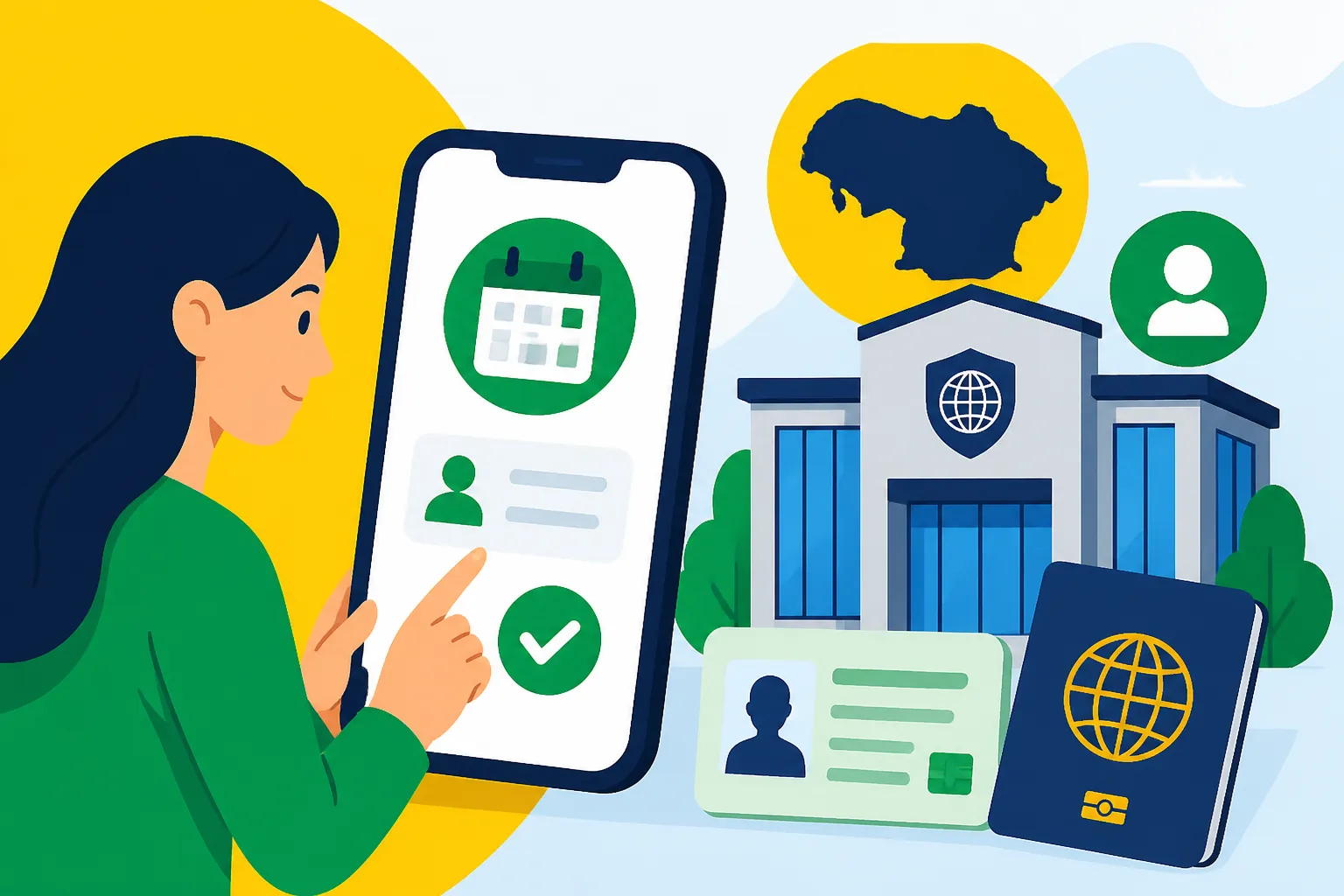
Alright, let's get down to business. The primary way to book an appointment with MIGRIS is through their online self-service portal. It's designed to be convenient, but like many online government systems, it has its quirks.
Initial Setup and Accessing the Portal
Your journey begins on the official MIGRIS website. Specifically, you'll be looking for their electronic services portal, usually found under a section like "E-Services" or "Electronic Migration Services Information System." The direct link is generally migracija.lt.
Once you find the portal, the first hurdle is logging in. For residents of Lithuania, the most common and convenient way is using your electronic identification methods. This usually means a mobile signature (Mobilusis parašas) or an electronic signature (Elektroninis parašas). These are digital tools that verify your identity using your Lithuanian personal code (Asmens kodas) and are often linked to your mobile phone provider or a special card reader. If you don't have these set up yet, and you're new to Lithuania, this can be a bit of a "chicken and egg" situation. For new arrivals, sometimes the initial appointment (e.g., for applying for your first TRP) might require a different login method, or even in some rare cases, you might be able to book via phone for very specific first-time applications if you're completely without a Lithuanian ID yet. However, for most ongoing services, the e-identification is key. If you're struggling with this step, securing your How to Get Your Asmens Kodas (Personal Code) and Why It Matters for Healthcare will be a crucial first step, as it underpins many of these digital services.
Choosing the Right Service and Location
Once you're successfully logged into the system, you'll be presented with a range of services. This is where you need to pay close attention to ensure you select the correct category for your needs. The options can include things like:
- Applying for a Temporary Residence Permit (Leidimo laikinai gyventi prašymas)
- Applying for Permanent Residence (Leidimo nuolat gyventi prašymas)
- Extension of a Residence Permit (Leidimo laikinai gyventi pratęsimas)
- Collection of a Residence Permit Card (Leidimo gyventi kortelės atsiėmimas)
- Application for a National Visa (Nacionalinės vizos prašymas)
- And many more specific services.
Selecting the wrong service can lead to your appointment being unproductive, and you'll have to go through the booking process all over again. Take your time, read the descriptions carefully, and if in doubt, check the official MIGRIS guidelines for your specific application. For instance, if you're applying for your first TRP, you'll likely select "Prašymas dėl leidimo laikinai gyventi" (Application for a temporary residence permit).
After choosing the service, you'll need to select the regional branch where you want to have your appointment. Lithuania has MIGRIS branches in several major cities:
- Vilnius
- Kaunas
- Klaipėda
- Šiauliai
- Panevėžys
- Alytus
- Marijampolė
- Utena
- Tauragė
- Telšiai
Availability can differ significantly between these locations. While Vilnius and Kaunas are often the busiest, you might find more open slots in smaller cities. If you're struggling to find an appointment in your closest branch, it might be worth considering a trip to a less congested city, provided it's feasible for you. Remember that even if you apply in one city, you can often choose to collect your document in another.
Finding and Securing an Appointment Slot
This is arguably the most challenging part of the entire process, and where many expats experience the most frustration. Once you've selected your service and location, the system will display a calendar.
- The Calendar Interface: Typically, dates with available slots will be highlighted or clickable, while unavailable dates will be greyed out. You'll then select a date, and available times for that date will appear.
- The "Refreshing Game": Don't be surprised if you click on a day and see no times, or if the times disappear the moment you try to click them. Available slots at MIGRIS, particularly for popular services in Vilnius, are often snatched up within seconds. It's a common expat joke – or rather, a shared trauma – to constantly refresh the page, especially early in the morning (e.g., around 7-8 AM) or late at night, when new slots might be released. Sometimes, slots open up due to cancellations, so persistence truly is key. If your permit is nearing its expiration date, you absolutely need to start this "game" several months in advance.
- Speed is Essential: Once you see an open slot, click it immediately and proceed to confirm your booking without hesitation. The system doesn't hold the slot for you for very long, and someone else might grab it while you're double-checking details. You'll usually receive an email confirmation with your appointment details, including a booking number. Keep this safe!
This process of finding and securing an appointment can feel like trying to win a lottery, especially when you're under pressure. But with patience and a strategic approach, you will eventually succeed. Don't forget that after you apply for How to Apply for a Temporary Residence Permit (TRP) in Lithuania, you'll also have a waiting period for processing.
Common Challenges and Troubleshooting for MIGRIS Appointments
No expat journey through Lithuanian bureaucracy is without its bumps. Booking a MIGRIS appointment is often one of the first, and sometimes most significant, of these bumps.
Dealing with Limited Availability and Frustration
The most frequent complaint among foreigners is the severe lack of available appointment slots, especially for critical services like new residence permit applications or renewals. You're not alone in feeling frustrated when faced with a perpetually empty calendar.
- Be Persistent and Flexible: As mentioned, the "refreshing game" is real. Try checking at different times of the day, particularly early mornings (like 7-8 AM local time) or late evenings, as these are often when new slots are released or cancelled appointments reappear.
- Consider Other Locations: If you live in Vilnius but can't find anything, expand your search to Kaunas or even further afield to a smaller city like Alytus or Panevėžys. A train or bus ticket might be a small price to pay to secure a vital appointment. Just be sure to check the specific requirements for each branch, as there might be slight variations, although the core process for How to Apply for a Temporary Residence Permit (TRP) in Lithuania should be consistent.
- Join Expat Community Groups: Facebook groups for expats in Lithuania are a goldmine of real-time information. People often share tips on when new slots have appeared or if a particular branch has better availability. While not official, this community support can be invaluable.
- Don't Give Up: It can be demoralizing, but keep trying. Eventually, a slot will appear. The system is dynamic, and cancellations do happen.
Technical Glitches and Language Barriers
While the MIGRIS online portal has improved over the years, it's not immune to technical hiccups. You might encounter slow loading times, unexpected errors, or elements that don't quite translate perfectly.
- Browser and Cache: Sometimes, clearing your browser's cache or trying a different browser (Chrome, Firefox, Edge) can resolve minor technical issues. Ensure your internet connection is stable.
- Language Setting: While parts of the MIGRIS website, especially the informational sections, are available in English, the booking portal itself might default to Lithuanian. Most modern browsers have built-in translation features (right-click and "Translate to English"). While not always perfect, this can help you understand the options. Having a basic understanding of key Lithuanian terms related to migration (e.g., leidimas gyventi – residence permit, prašymas – application, pratęsimas – extension) can also be incredibly helpful.
- Seek Assistance: If you're completely stuck due to a technical issue or can't understand a crucial part of the process, don't hesitate to ask a Lithuanian friend, colleague, or even an employer's HR department for help. They often have experience navigating these systems.
What if You Can't Find an Appointment in Time?
This is the nightmare scenario. What happens if your residence permit is expiring, and despite your best efforts, you just cannot book an appointment to submit your renewal application?
- Contact MIGRIS Directly (as a last resort): While the online system is preferred, MIGRIS does have a general inquiry phone number and email address. Explain your urgent situation, emphasizing that you've tried extensively to book online. Be prepared for potentially long waiting times on the phone and understand that they might redirect you back to the online system. However, in genuine emergencies or unique circumstances, they might be able to offer guidance or an alternative solution. This is not a guaranteed fix, but it's worth a try.
- Proof of Attempted Booking: Keep screenshots or records of your attempts to book an appointment. If you ever have to explain your situation to MIGRIS or other authorities, showing proof of your persistent efforts can be beneficial.
- Legal Advice: If you're truly facing an imminent expiration with no appointment in sight, it might be wise to consult with an immigration lawyer in Lithuania. They can advise you on any potential emergency measures or legal recourses, although these are typically exceptional.
- Consequences: The worst-case scenario is that you become an undocumented resident if your permit expires without a submitted renewal application. This can lead to fines, deportation, and difficulties re-entering the Schengen area. This is why planning ahead for your How to Renew Your Lithuanian Residence Permit is so critical.
Preparing for Your MIGRIS Appointment
Securing the appointment is half the battle; the other half is showing up fully prepared. MIGRIS officials are thorough, and even one missing document can lead to delays or a need to re-book.
Essential Documents and Requirements
This is perhaps the single most important aspect of a successful MIGRIS visit. Each service has specific document requirements, and you absolutely must bring all of them. Don't guess, don't assume – check the official MIGRIS website for your specific application type.
Common documents you will almost certainly need include:
- Your Valid Passport: And often, a copy of every page with a stamp or visa.
- Your Current Residence Permit Card (if applicable): For renewals, extensions, or certain changes.
- The Application Form: Filled out accurately and completely, usually generated through the E-Services portal.
- Proof of Accommodation: A rental agreement (nuomos sutartis), property ownership documents, or a letter from your landlord. Ensure it's officially registered with Registrų Centras.
- Proof of Sufficient Funds: Bank statements showing enough money to support yourself, an employment contract, or a scholarship letter. The required amount varies, so check current guidelines.
- Health Insurance: A valid health insurance policy covering your stay in Lithuania. For many expats, especially from non-EU countries, this often means private health insurance. Companies like Cigna Global offer comprehensive plans tailored for expats, which are typically accepted by MIGRIS. Make sure your policy meets the minimum coverage requirements set by Lithuanian law. More details can be found in What Health Insurance Do I Need for a Lithuanian Residence Permit?.
- Employment Contract / Letter of Acceptance: If applying based on work or study.
- Marriage Certificate / Birth Certificates: If applying for family reunification.
- Biometric Photo: Sometimes required in advance, sometimes taken on-site.
- Copies: Always bring both originals and photocopies of everything. It saves time and hassle.
My personal advice? Create a checklist based on the official MIGRIS requirements for your specific case. Put all original documents in one folder and all photocopies in another. Double-check everything the night before. Don't underestimate the importance of meticulous preparation when applying for any type of [Lithuanian Residence Permit: The Complete Pathway (2026)].
Payment of State Fees and Biometrics
Most migration services in Lithuania incur a state fee (valstybės rinkliava). This fee varies depending on the service (e.g., application for a new permit, extension, expedited processing).
- How to Pay: It is generally recommended to pay the state fee in advance through your online banking system. You'll need specific payment codes (mokesčio kodas) and the correct recipient details (usually the State Tax Inspectorate or VMI). The MIGRIS website will provide the exact details for your service. Print out proof of payment to bring to your appointment. While some MIGRIS branches might have payment terminals, relying on them can add stress and delays if they're not working or if there's a long queue.
- Biometrics: During your appointment, or sometimes in a separate slot, your biometrics will be collected. This includes fingerprints and a digital photograph. This data is then embedded in your residence permit card. This is a standard procedure and usually quite quick. Understanding How Do I Get a Biometric Residence Permit Card in Lithuania? will give you a clearer picture of this process.
What to Expect at the Migration Department
The atmosphere at a MIGRIS branch can be formal, but generally, the staff are professional.
- Arrival and Check-in: Arrive at least 10-15 minutes before your scheduled time. You'll usually check in at a reception desk or a self-service terminal using your appointment number. You'll then be given a queue number or directed to a waiting area.
- Waiting Game: Despite having an appointment, you might still have to wait a bit. Bring a book, your phone, or something to keep yourself occupied.
- The Interview/Submission: When your number is called, you'll go to the designated window or office. The officer will review your documents, ask any necessary questions, and collect your application. Be polite, clear, and concise in your answers.
- Language: While many MIGRIS officers, particularly in Vilnius and Kaunas, speak English, it's not guaranteed. If you're not confident in your Lithuanian, it's wise to bring a friend who can translate, or at least have a translation app ready on your phone. However, for formal interactions, official translations are often preferred.
- Patience is a Virtue: The process can be slow, meticulous, and sometimes feel repetitive. Maintain your composure and politeness throughout, even if you feel frustrated.
Post-Appointment Steps and Next Actions
Congratulations! You've submitted your application. But the process doesn't end there. There are still a few steps, and then a whole host of other registrations to think about.
Tracking Your Application Status
Once your documents are submitted, you'll usually be able to track the status of your application online through the MIGRIS E-Services portal where you booked your appointment. You'll typically log in using your electronic identification and navigate to a section like "Mano prašymai" (My applications).
- Statuses: The status will change as your application moves through the system (e.g., "Priimtas" – Accepted, "Nagrinėjamas" – Being processed, "Priimtas sprendimas" – Decision made).
- Waiting Times: The processing times for residence permits can vary significantly depending on the type of permit, the time of year, and the volume of applications. It can range from a few weeks to several months. Always check the official MIGRIS website for estimated processing times for your specific application. Don't be surprised if it takes longer than expected. If you're wondering How Long Does It Take to Get a Lithuanian Residence Permit?, the answer is often "longer than you hope."
Document Collection and Follow-Up
When a decision has been made on your application, you'll usually receive an SMS or email notification instructing you to check the portal for further information. If your application is approved, the next step is typically to collect your new residence permit card.
- Collection Appointment: For collecting your new card, you will often need to book another appointment through the same MIGRIS online system, specifically for "Leidimo gyventi kortelės atsiėmimas" (Collection of residence permit card). These slots are generally easier to find than application submission slots.
- What to Bring for Collection: When collecting, you'll need your old residence permit card (if applicable) and often your passport for identification. The officer will scan your fingerprints to verify your identity before handing over the new card.
- Check Everything: Once you have your new card, immediately check all the details: your name, personal code (Asmens kodas), validity dates, and the type of permit. If there are any errors, report them immediately. You can find more specific guidance on How Do I Get My Residence Permit Card After Approval in Lithuania?.
Beyond MIGRIS: Other Important Registrations
Getting your residence permit sorted out is a massive step, but it’s just the beginning of truly settling in Lithuania. As an expat, there are other crucial administrative tasks you'll need to tackle, and it’s good to have these on your radar even while dealing with MIGRIS.
- Registering Your Place of Residence: One of the most important steps after getting your permit is officially declaring your place of residence with the local municipality or via the Registrų Centras (Centre of Registers). This is often required for other services and for receiving official mail. Check out Declaring Your Place of Residence in Lithuania: The Complete Guide for all the details.
- Obtaining Your Asmens Kodas: If you haven't already, securing your Asmens kodas (personal identification number) is vital. It’s your unique identifier for everything from banking to healthcare. MIGRIS is often involved in this process, especially when you first apply for a residence permit. Learn more about How Do I Get an Asmens Kodas for My Residence Process?.
- Banking: Once you have your permit and Asmens kodas, you'll finally be able to open a local bank account, which is essential for managing your finances, paying bills, and receiving your salary.
- Utilities and Services: Setting up electricity, internet, and other utilities for your home will be next on your list.
- Moving Logistics: And of course, the general logistics of moving itself! If you used services from companies like Sirelo to help with your international relocation, they might offer guidance on some of these post-arrival steps too.
It might seem like a never-ending list, but taking it one step at a time, and knowing what to expect, makes it far more manageable.
| MIGRIS Service Type | Common Documents Required (Examples) | Typical Payment Method | Appointment Difficulty (General) |
|---|---|---|---|
| Temporary Residence Permit (New) | Passport, visa, application form, proof of funds, accommodation proof, health insurance, employment contract/study acceptance, education documents, fee proof. | Online bank transfer | Very High |
| Temporary Residence Permit (Renewal) | Old permit card, passport, updated application, updated proof of funds/employment/accommodation/health insurance, fee proof. | Online bank transfer | High |
| Permanent Residence Permit | TRP card, passport, application, proof of 5+ years residency, language/constitution exam results, funds, accommodation, fee proof. | Online bank transfer | High |
| National (D) Visa Application | Passport, application, invitation letter (if applicable), proof of purpose of stay, funds, accommodation, health insurance, fee proof. | Online bank transfer/Embassy | Medium |
| Residence Permit Card Collection | Old permit card (if applicable), passport, decision letter/SMS notification. | N/A (fee paid with application) | Low |
| EU Citizen Right of Residence | Passport/ID, application, proof of purpose (work, study, sufficient funds), accommodation. | N/A (no state fee) | Low to Medium |
Note: This table provides general examples. Always refer to the official MIGRIS website for the most current and specific requirements for your particular situation.
Disclaimer
The information provided in this guide is for general informational purposes only and does not constitute legal advice. While we strive to keep the information accurate and up-to-date, migration laws and procedures in Lithuania can change frequently. It is always recommended to consult the official website of the Lithuanian Migration Department (MIGRIS) or seek advice from a qualified immigration lawyer for your specific situation.