How to Apply for an Asmens Kodas as Part of Your Residence Process
Getting your residence permit in Lithuania is a huge step, but for many expats, the next hurdle is often shrouded in mystery: the elusive Asmens Kodas, or personal identification code. It's not just a string of numbers; it's your key to unlocking everyday life here, from opening a bank account to accessing healthcare. This guide will walk you through exactly how to secure your Asmens Kodas as an integral part of your Lithuanian residence journey, making sense of a process that often feels more complicated than it needs to be.
Understanding the Asmens Kodas and Its Importance for Expats
When you first arrive in Lithuania, especially if you're from outside the EU, you quickly learn that while your passport gets you into the country, your Asmens Kodas is what truly integrates you into society. Think of it as your unique Lithuanian identifier, a eleven-digit number that sticks with you for life. It's fundamental, pervasive, and without it, you'll find countless administrative tasks impossible or incredibly difficult. Many expats feel a genuine frustration when they realize how many things require this code, often being told "you need your Asmens Kodas" without much further explanation.
What Exactly is an Asmens Kodas?
An Asmens Kodas is simply your personal identification number in Lithuania. It's unique to you, assigned at birth for Lithuanian citizens, or upon acquiring a residence permit for foreigners. This number is formatted as YMMDDXXXXX, where Y signifies your gender and century of birth (e.g., 3 for male born in 20th century, 5 for male born in 21st century), followed by your birth date (year, month, day), and then a five-digit sequence that ensures its uniqueness. It's not just a bureaucratic formality; it's deeply embedded in the digital and administrative infrastructure of the country.
Without it, you're essentially an anonymous entity in many official systems. You can't truly register for public services, officially reside somewhere long-term, or even properly sign up for some loyalty programs. It's truly a cornerstone of living in Lithuania, and understanding its format and purpose demystifies a lot of what comes next.
Why Your Asmens Kodas is Crucial for Residence Permit Holders
For those holding a temporary or permanent residence permit, the Asmens Kodas is not just important; it's practically mandatory for day-to-day existence. Your residence permit allows you to legally stay in Lithuania, but the Asmens Kodas allows you to live here. It's the bridge between being a legal resident and being an active participant in Lithuanian society.
Imagine trying to access basic services: you want to open a bank account, sign an employment contract, register for public healthcare, or even get a library card. In almost every single instance, you will be asked for your Asmens Kodas. It's linked to your tax records, social security contributions via Sodra, and crucially, your e-health profile in the E-Sveikata system. Without it, you’ll be stuck in a frustrating loop of being unable to proceed with essential tasks, often having to rely on workarounds or waiting for its issuance. This number truly streamlines your life and integrates you into the system.
Who Needs an Asmens Kodas as Part of the Residence Process?
This is where it gets a little specific, as not everyone receives an Asmens Kodas in the same way, or at the same time. Generally, if you're an EU/EEA citizen, your path is different from a third-country national. The Asmens Kodas is primarily issued to those who are establishing long-term residence, which is almost always tied to your residence permit application.
Non-EU/EEA Citizens Applying for Temporary Residence Permits
If you're a third-country national applying for a temporary residence permit (TRP) in Lithuania – whether it's for work, study, family reunification, or business – getting an Asmens Kodas is an automatic and integrated part of that process. The Migration Department (MIGRIS), the agency responsible for issuing residence permits, will also be the one to issue your personal code. This means you don't typically apply for it separately; it's issued concurrently with your permit.
This is often a relief for newcomers because it means one less administrative hurdle to navigate independently. Once your TRP is approved and issued, your Asmens Kodas will be printed on the back of your residence permit card. It's important to remember that this process is designed to be efficient, but it does rely on the successful approval of your residence permit application first. Many expats moving here for work or study often have their employers or universities assist with the initial stages of the residence permit application, which implicitly includes the Asmens Kodas. If you're arranging your move, consider services like Sirelo to help organize your relocation, ensuring all your documents are in order for the permit application itself.
EU/EEA Citizens Declaring Right of Residence
For EU/EEA citizens, the situation is a bit different. You don't need a residence permit in the same way a third-country national does to live and work in Lithuania. However, if you plan to stay for longer than three months, you are required to declare your right of residence at the Migration Department. Upon successfully declaring your right of residence and receiving your certificate, you will then be able to apply for an Asmens Kodas. This step isn't automatic like it is for TRP holders; you'll need to make a separate, albeit simpler, request.
The distinction here is crucial: you're not applying for a residence permit, but rather declaring your right to reside. Once that declaration is formally processed, you're on the path to getting your personal code. It’s a key step for EU citizens to fully integrate and access services like the local healthcare system, even if your EU Health Insurance Card (EHIC) provides some initial coverage.
The Main Routes to Obtaining Your Asmens Kodas
There are primarily two ways to get your Asmens Kodas if you're a foreigner in Lithuania, and the route you take depends largely on your citizenship and your primary reason for residing in the country. Both involve interaction with state institutions, so prepare for some paperwork and potentially some waiting.
Automatic Issuance through the Migration Department (MIGRIS)
As mentioned, for non-EU/EEA citizens, your Asmens Kodas is typically issued automatically by the Migration Department when your temporary residence permit (TRP) or permanent residence permit application is approved. This is by far the most common way foreign nationals receive their personal code. You don't submit a separate application specifically for the Asmens Kodas; it's an integrated part of the larger residence permit process.
When you successfully apply for a temporary residence permit in Lithuania, the Migration Department processes all necessary information, including your personal details, birth date, and citizenship, to generate this unique identifier. Once your residence permit card is issued, you’ll find your Asmens Kodas neatly printed on the back. It’s a beautifully streamlined process in theory, cutting down on extra appointments and paperwork you’d otherwise need. Make sure you’ve submitted all necessary documents for your residence permit application, including proof of address and sufficient funds, as any delay in that process will naturally delay your Asmens Kodas.
Application through the Civil Registry Office (Civilinės Metrikacijos Skyrius)
For EU/EEA citizens who have already declared their right of residence with the Migration Department, or in some specific cases for foreigners who need an Asmens Kodas for reasons other than a residence permit (though this is rare and usually requires a compelling legal reason), you can apply for it directly at a Civil Registry Office (Civilinės Metrikacijos Skyrius). This applies to those who are already living and working in Lithuania under their EU free movement rights but need the Asmens Kodas for administrative purposes like tax declarations or healthcare registration.
You'll need to present your valid travel document (passport or national ID card), your certificate of declared right of residence from MIGRIS, and potentially proof of your registered place of residence. The process is generally quicker than the full residence permit application, as the primary legal basis for your stay has already been established. It's usually a single visit for submission, and then you'd be informed when to collect the document confirming your Asmens Kodas. While not strictly part of the residence permit process, it’s a crucial step after establishing residence for EU citizens.
Step-by-Step Application Process Through the Migration Department (MIGRIS)
For most non-EU expats, your Asmens Kodas journey begins and ends with the Migration Department. It’s important to understand this process thoroughly, as missteps here can cause significant delays in truly settling into Lithuanian life.
Pre-Application: Gathering Essential Documents for Your Residence Permit
Before you even think about your Asmens Kodas, you need to focus on your primary goal: securing your residence permit. The Asmens Kodas will follow. The documents required will vary based on your specific permit type (work, study, family, business), but generally include:
- Valid Passport: Must have sufficient validity, usually at least three months beyond your intended stay.
- Visa (if applicable): A national (D) visa is often a prerequisite for applying for a TRP from within Lithuania.
- Application Form: Filled out online via the MIGRIS electronic services portal.
- Passport-Sized Photo: Adhering to specific biometric requirements.
- Proof of Sufficient Funds: Bank statements, employment contracts, scholarship letters. For individuals coming on a work visa, your employment contract and salary details often suffice.
- Proof of Accommodation: A rental agreement (nuomos sutartis), property ownership documents, or a letter from your host. This is critical for showing you have a place to live.
- Health Insurance: A valid private health insurance policy or proof of compulsory health insurance (PSD) if you're already employed and paying contributions. Companies like Cigna Global offer comprehensive international health insurance plans that are often accepted for residence permit applications, providing peace of mind.
- Proof of Purpose for Stay: This is the core of your application.
- Work: Employment contract, letter from employer, work permit (if separate).
- Study: Letter of acceptance from a Lithuanian educational institution.
- Family Reunification: Marriage certificate, birth certificates for children, proof of relationship to a Lithuanian resident/citizen.
- Business: Business plan, registration documents, proof of investment.
- Police Clearance Certificate: From your home country and any country you've resided in for the past two years, usually legalized and translated.
It's a lot, I know. My advice? Start gathering these documents well in advance. Check the official MIGRIS website for the most current and specific requirements for your type of permit. Better yet, if your employer or university is sponsoring you, they often have dedicated staff to help navigate this maze. Don't underestimate the need for accurate translations and apostilles/legalizations for non-Lithuanian documents.
Submitting Your Application Online via MIGRIS E-Services
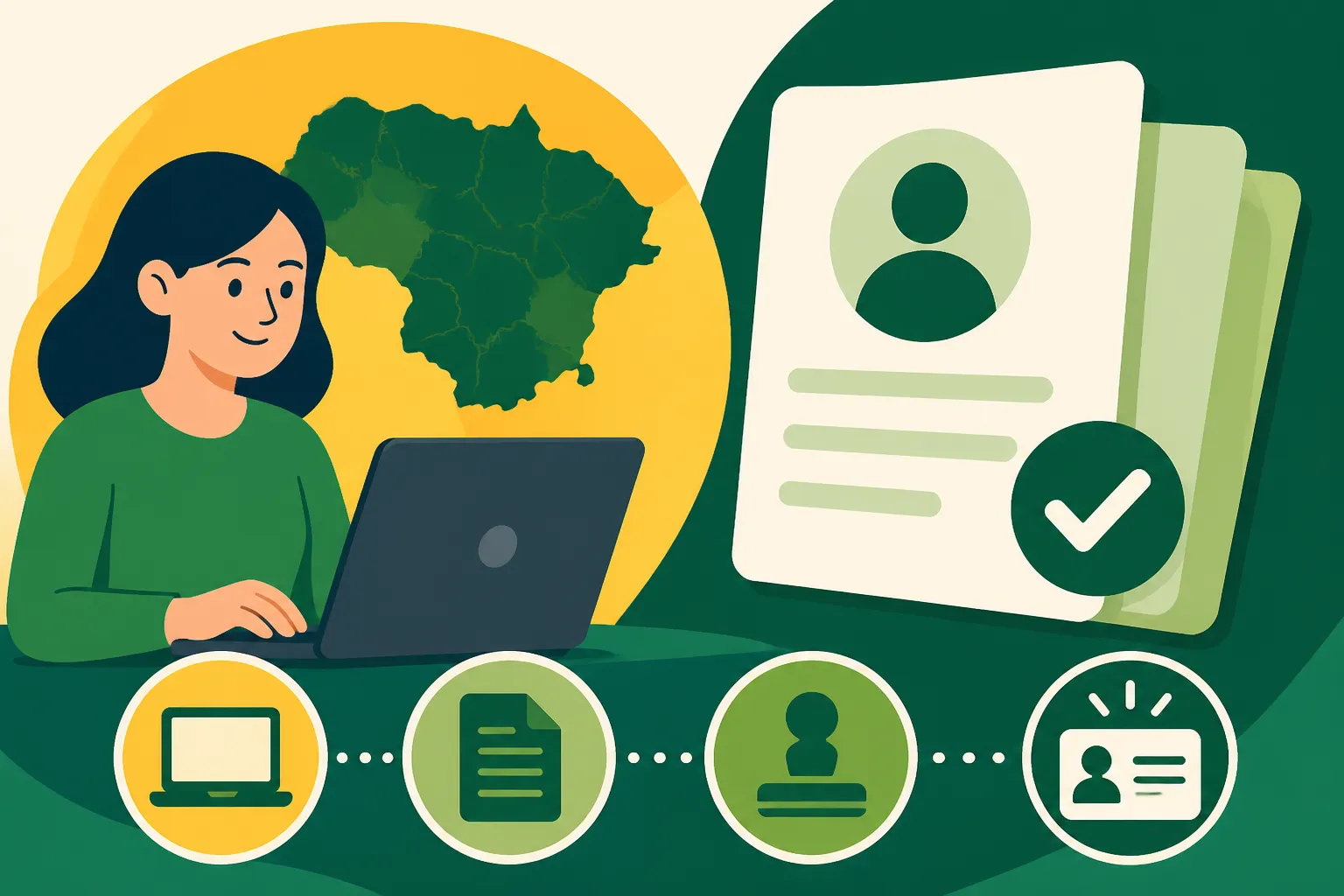
The first crucial step in your residence permit application (and thus your Asmens Kodas journey) is to submit the application electronically through the MIGRIS electronic services portal. This online platform is your primary interface with the Migration Department. You’ll create an account, fill in all your personal details, upload scanned copies of your supporting documents, and select your appointment time.
It's vital to be meticulous here. Double-check every field, ensure your uploaded documents are clear and meet the specified file size and format requirements. A small error can lead to delays or even rejection. Once submitted online, you'll usually get a confirmation and a scheduled appointment date at one of MIGRIS's regional offices, typically in Vilnius, Kaunas, or Klaipėda. Don't forget to pay the state fee for the residence permit application online as well; you'll need proof of payment for your appointment.
The In-Person Appointment and Biometrics Capture
This is where things become real. On your scheduled appointment day, you'll need to visit the selected Migration Department office. Be punctual – seriously, Lithuanian offices appreciate punctuality. Bring all your original documents that you uploaded online, plus any copies you might have. The officer will verify your identity, cross-reference your originals with your uploaded files, and ask any clarifying questions. This is your chance to provide any missing information or correct minor issues.
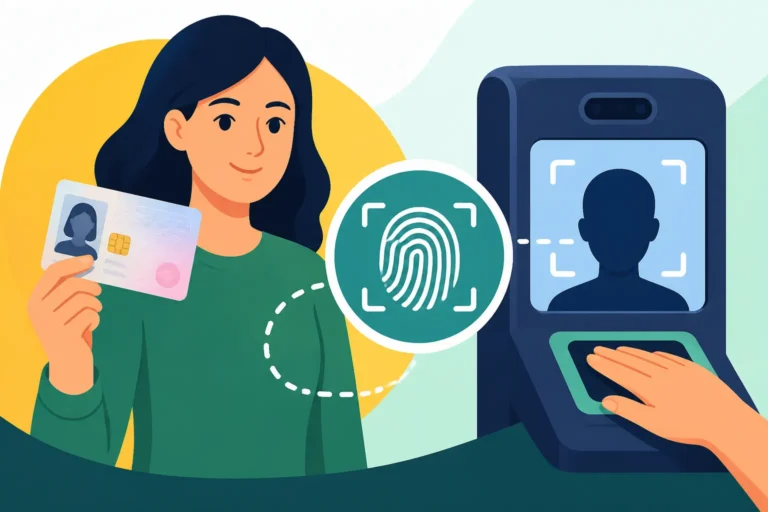
Crucially, this is also where your biometrics will be captured. This includes your fingerprints and a digital photograph. These biometrics are essential for your residence permit card, and since your Asmens Kodas is linked to your identity on this card, it’s an integrated part of the process. Once this step is complete, and if all your documents are in order, you’ll receive a confirmation that your application is being processed. It’s a moment of mixed relief and anticipation, as the waiting period then begins.
The Waiting Game and Receiving Your Residence Permit (with Asmens Kodas)
After your in-person appointment, the waiting game truly begins. The processing times for residence permits can vary significantly depending on the type of permit, the time of year, and the current workload of the Migration Department. Standard processing can take anywhere from 1 to 4 months, though expedited options are sometimes available for an additional fee. It’s during this period that your Asmens Kodas is effectively generated in the system.
You can often track the status of your application through the MIGRIS portal. Once your permit is approved, you’ll typically receive an SMS notification or an email instructing you to collect your new residence permit card from the same MIGRIS office where you submitted your application. This card will have your photo, personal details, and importantly, your brand-new Asmens Kodas printed on the back. This is the moment you've been waiting for – you now have your official Lithuanian identity number, ready to tackle all those pesky administrative tasks.
Common Challenges and Tips for a Smoother Process
Navigating the Lithuanian administrative system, even for something as fundamental as getting your Asmens Kodas, can be fraught with challenges. Many expats experience similar frustrations, but with a bit of preparation and patience, you can often mitigate them.
Language Barriers and Communication Issues
One of the most common hurdles expats face is the language barrier. While many younger Lithuanians, especially in major cities like Vilnius and Kaunas, speak excellent English, not all public servants will be fluent. This can lead to misunderstandings during appointments or when seeking clarification on requirements.
My top tip here is twofold: First, always try to use the MIGRIS online portal for as much as possible, as it's available in English and often has clear instructions. Second, if you anticipate language difficulties at your in-person appointment, consider bringing a Lithuanian-speaking friend or colleague to help translate. Even a quick "Lietuviškai nekalbu, ar galite padėti angliškai?" (I don't speak Lithuanian, can you help in English?) can go a long way. Some larger MIGRIS offices have English-speaking staff, but it's not guaranteed. Having all your documents perfectly organized and translated will also minimize the need for extensive conversation.
Dealing with Missing or Incorrect Documents
It’s an age-old administrative nightmare: you think you have everything, and then you're told a document is missing or incorrect. This can happen with your proof of accommodation, health insurance details (ensuring your chosen plan like Cigna Global meets all requirements), or even issues with your police clearance certificate. Sometimes, what seems like a minor discrepancy can hold up the entire process.
To avoid this, meticulously review the official MIGRIS checklist for your specific residence permit type. Don’t assume anything. If a document needs to be translated into Lithuanian or apostilled/legalized, ensure this is done by a certified professional before your appointment. If you do face a rejection or request for additional documents, respond promptly and provide exactly what is asked. Staying calm and persistent is key; remember, the officers are just following procedures.
Appointment Availability and Waiting Times
Demand for appointments at the Migration Department, especially in Vilnius, can be high, leading to limited slots and longer waiting times for your in-person visit. Similarly, processing times for the residence permit itself can sometimes exceed the advertised durations. This can be particularly stressful if you're on a tight schedule or your current visa is about to expire.
Plan ahead as much as possible. If you know you're moving to Lithuania, start the online application process and book your appointment well in advance of your desired arrival or current visa expiry. If you find yourself in a bind with expiring documents or visas, contact MIGRIS directly to explain your situation, though specific exceptions are rare. Patience, unfortunately, is a virtue when dealing with immigration processes anywhere in the world, and Lithuania is no exception.
What to Do After Receiving Your Asmens Kodas
Congratulations! You've navigated the bureaucratic maze and now have your precious Asmens Kodas printed on your residence permit card. This isn't the end of your administrative journey, but it definitely marks the beginning of smoother sailing. With your personal code in hand, you can finally unlock a host of essential services and fully integrate into life in Lithuania.
Registering with the Lithuanian Tax Authority (VMI)
One of the very first things you'll want to do with your new Asmens Kodas is to register with the State Tax Inspectorate (Valstybinė mokesčių inspekcija, or VMI). Even if your employer handles your income tax (GPM) deductions directly, having your details properly registered with the VMI is crucial for managing any personal tax obligations, receiving tax refunds, or proving your tax residency status. You can often do this electronically through the VMI's Electronic Declaration System (EDS), which also uses your Asmens Kodas for identification.
This is a fundamental step, especially if you're working, self-employed, or have any other income streams. Your Asmens Kodas acts as your tax identification number, linking all your financial activities to your personal profile. For a deeper dive into this, you might find our guide on The Complete Guide to Taxes in Lithuania for Expats (2027) incredibly useful.
Opening a Bank Account and Other Financial Services
Before your Asmens Kodas, opening a traditional bank account at a Lithuanian bank could be a challenge, or even impossible, depending on the bank's policies. Some fintech companies like Revolut or Wise might offer easier initial setup, but for a full Lithuanian bank account with local services, your Asmens Kodas is almost always required.
With your Asmens Kodas, you can now walk into a bank like Swedbank, SEB, or Luminor and open an account with relative ease. You’ll typically need your passport, residence permit card (with Asmens Kodas), and proof of address. Having a local bank account simplifies everything from receiving your salary to paying utility bills and making everyday purchases. It truly anchors your financial life in the country. To learn more about this process, check out our article on How to Open a Bank Account at a Lithuanian Bank as a Foreigner.
Accessing Healthcare and Social Security through Sodra
The Asmens Kodas is absolutely indispensable for accessing Lithuania’s healthcare system. Once you have it, you can officially register for compulsory health insurance (PSD) through Sodra, Lithuania’s social insurance fund, especially if you’re employed or self-employed and making contributions. This then allows you to choose and register with a family doctor (šeimos gydytojas) at a local polyclinic (poliklinika). Without an Asmens Kodas, you're effectively outside the public healthcare system.
Your Asmens Kodas also links you to the E-Sveikata (e-health) system, where all your medical records, prescriptions, and referrals are stored electronically. This makes doctor visits, medication pickups, and specialist consultations much smoother. You can delve deeper into this topic with our post on How to Get Your Asmens Kodas (Personal Code) and Why It Matters for Healthcare. Your Asmens Kodas is the backbone of your public health coverage and medical history in Lithuania.
General Registration and Integration into Society
Beyond the big three (tax, banking, healthcare), your Asmens Kodas will be requested for countless other administrative tasks and services. Want to get a loyalty card at a supermarket? Sign up for a gym membership? Get a library card? Register your child for school? Purchase property? All these actions will likely require you to provide your personal code.
It is, quite simply, your universal identifier in Lithuania. It ensures that you are properly recorded in various state and private databases, allowing for seamless integration and access to services. Think of it as your official stamp of existence and participation in your new home. For a broader perspective on settling in, our guide, The Complete Guide to Moving to Lithuania: Your First 90 Days (2027), touches on many of these initial steps.
Disclaimer
Please remember that immigration laws, procedures, and requirements in Lithuania can change. While every effort has been made to ensure the accuracy and timeliness of this information, it is provided for general guidance only and does not constitute legal or official advice. Always consult the official websites of the Migration Department (MIGRIS) and other relevant Lithuanian authorities, or seek professional legal counsel, for the most up-to-date and specific information pertaining to your individual circumstances.