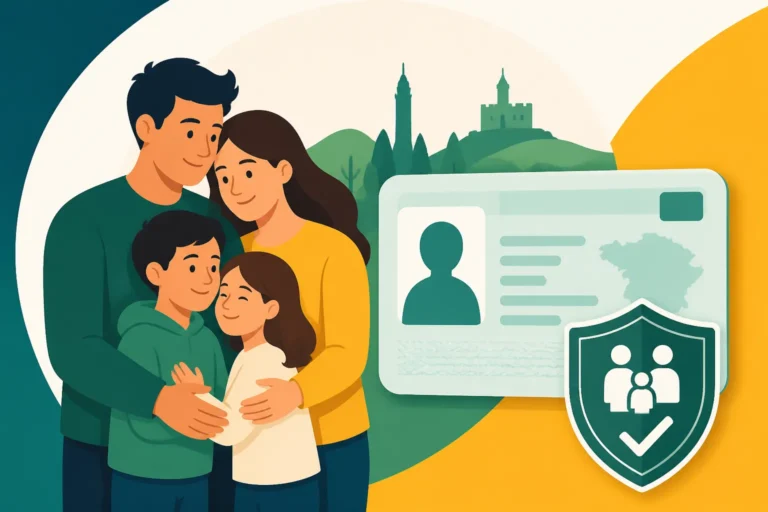
Understanding the Startup Visa for Founders in Lithuania
Moving to a new country to launch a business is an adventure, but let’s be honest, the bureaucracy can feel like a labyrinth designed by Kafka. For international founders eyeing Lithuania, the good news is that there’s a dedicated path to make that dream a reality – the Startup Visa. This guide is here to demystify the process, from understanding eligibility to navigating the application, helping you turn your innovative idea into a thriving venture in this dynamic Baltic nation.
What Exactly is Lithuania's Startup Visa?
The Lithuanian Startup Visa is essentially a special type of temporary residence permit designed to attract innovative, non-EU/EEA entrepreneurs to establish and grow their businesses here. It's a recognition by the Lithuanian government that fresh ideas and international talent are vital for economic growth, and they've gone out of their way to create a streamlined, founder-friendly route to residency. Unlike a general work permit or other business visas, this one is specifically tailored for startups with high growth potential, which means your idea needs to be genuinely new, innovative, and scalable.
The core idea is to bypass some of the traditional hurdles that founders might face when trying to get a standard business visa. Instead of proving immediate profitability or significant capital investment right off the bat, the focus is on the potential of your innovative idea and your team's capability to execute it. This is a huge relief for many first-time founders or those coming from startup cultures where rapid iteration and proof-of-concept are prioritized over established revenue streams. It’s the state saying, "Show us your big idea, and we’ll give you a chance to build it here."
The Philosophy Behind the Lithuanian Startup Ecosystem
Lithuania isn't just handing out visas; it's actively cultivating a vibrant startup ecosystem, particularly in sectors like Fintech, SaaS, Gaming, and Life Sciences. The Startup Visa is a cornerstone of this strategy. The government, through agencies like Startup Lithuania (part of Enterprise Lithuania), aims to position the country as a hub for innovation, leveraging its skilled workforce, robust IT infrastructure, and strategic location within the EU. They understand that a diverse range of international founders brings new perspectives, technologies, and connections, enriching the entire business landscape.
This proactive approach means you're not just getting a piece of paper; you're gaining access to a supportive environment. There are incubators, accelerators, co-working spaces, and a growing network of investors. The intention is for you to integrate into this community, collaborate, and contribute. They want to see your startup succeed because your success is, in turn, Lithuania’s success. It’s a symbiotic relationship where the country provides the fertile ground, and you bring the seeds of innovation.
Key Benefits for International Founders
So, why choose Lithuania for your startup? Beyond the obvious residence permit, the Startup Visa offers a compelling package of advantages. Firstly, the relatively low cost of living and doing business compared to Western European capitals means your startup capital stretches further. You can hire talented developers or marketing specialists at competitive salaries, and rent office space without breaking the bank. This makes a huge difference in those crucial early stages when every euro counts.
Secondly, Lithuania boasts a remarkably tech-savvy and English-speaking talent pool, especially in Vilnius and Kaunas. This significantly eases the challenge of building a multicultural team, something I know firsthand can be a real headache in many countries. Thirdly, with your Lithuanian residence permit, you gain access to the entire Schengen Area, opening up a market of over 450 million people for your product or service, without the need for additional visas. Plus, as an EU member, Lithuania benefits from various EU funding programs and trade agreements. And for the grand move, services like Sirelo can help make the relocation itself less of a logistical nightmare, leaving you free to focus on your business.
Eligibility Criteria: Do You Have What It Takes?
Alright, let's get down to brass tacks: what do you actually need to qualify for this special visa? This isn't a free pass; it's designed for serious entrepreneurs with genuinely innovative ideas. The criteria are quite specific, focusing on the novelty of your business, your financial backing, and the strength of your founding team. Don't be intimidated, but do be prepared to demonstrate a clear vision and solid groundwork.
The Innovative Business Idea Requirement
This is arguably the most critical component. Your business idea cannot simply be a local version of something that already exists. It needs to bring something new to the table – a novel product, service, technology, or business model that has high growth potential and scalability. Think disruptive rather than incremental. When you apply, you'll need to submit a detailed business plan outlining your innovation, market analysis, competitive advantages, and how you plan to scale it globally or at least regionally.
The evaluators at Startup Lithuania are looking for ideas that can truly impact the market and create jobs, not just a lifestyle business. They want to see how your venture can contribute to the Lithuanian economy by attracting investment, fostering technological advancement, or addressing unmet market needs. For example, creating a new AI-powered educational platform is more likely to be considered innovative than opening another café, no matter how charming. Be ready to articulate your "secret sauce" and convince them that your idea is worthy of their support.
Financial Stability and Investment
While you don't need millions in the bank, you do need to demonstrate sufficient funds to sustain yourself and your business for at least a year. The exact amount can fluctuate based on the national average salary and other factors, but typically, you'll need to show proof of funds that cover your living expenses and initial operational costs for your startup. This is often around 1.5 to 2 times the average monthly salary for each applicant for a year. This isn't just a random number; it's to ensure you won't become a burden on the state and can genuinely focus on building your company without immediate financial stress.
Furthermore, if you've already secured seed funding or commitments from investors, that's a massive plus. While not strictly mandatory at the initial assessment stage, having some capital injection or a clear fundraising strategy significantly strengthens your application. It shows external validation of your idea and reduces the risk from the government’s perspective. Remember, they're investing in your potential, but they also want to see that you're prepared for the financial realities of launching a startup.
Team Composition and Expertise
The Startup Visa isn't just about the idea; it's also about the people behind it. The Migration Department and Startup Lithuania want to see a competent and committed team. This usually means a minimum of two co-founders, though single founder applications can be considered if the individual possesses exceptional skills and experience. Each team member should have relevant professional experience or educational background that directly contributes to the success of the proposed startup.
Think about it: if you're launching a deep-tech AI solution, they’ll expect to see someone with a strong technical background on your team. If it's a marketing-heavy SaaS product, they'll want to see expertise in that area. You'll need to submit CVs, proof of qualifications, and explain each founder's role and how their skills complement the team. They're looking for a well-rounded group that has the collective knowledge and drive to navigate the challenging startup journey. They need to be convinced that you are the right people to make this innovative idea happen.
The Application Process: Step-by-Step Navigation
The application process for the Startup Visa involves two main stages: an initial assessment by Startup Lithuania and then the formal residence permit application through the Migration Department (MIGRIS). It can feel a bit like jumping through hoops, but staying organized and understanding each step will save you a lot of grief. Many expats get tangled in paperwork, which is why preparation is key!
Initial Assessment by Startup Lithuania
Your journey begins not with a government office, but with Startup Lithuania. This agency acts as the gatekeeper, assessing the innovation and potential of your business idea. You'll typically apply online through their portal, submitting your detailed business plan, CVs of all founders, and any other supporting documents that highlight your innovation, market research, team expertise, and financial projections. They usually conduct interviews, either online or in person, to delve deeper into your vision and assess your commitment.
This initial screening is crucial. Startup Lithuania’s experts, often with backgrounds in entrepreneurship and investment, will evaluate if your project truly aligns with the country’s innovation criteria and has genuine growth prospects. Think of it as pitching to a panel of friendly (but discerning) investors. If your idea receives a positive evaluation, Startup Lithuania will issue a letter of recommendation. This letter is your golden ticket for the next stage and signifies that your business idea has been validated by experts in the field.
Submitting Your Application to MIGRIS
Once you have that all-important recommendation letter from Startup Lithuania, you move on to the Migration Department (MIGRIS). This is where you apply for your actual temporary residence permit. You'll need to gather a comprehensive set of documents, which typically includes:
- Your passport
- The recommendation letter from Startup Lithuania
- Proof of sufficient funds (bank statements, investment agreements)
- Proof of accommodation in Lithuania (rental agreement or property ownership)
- A valid health insurance policy (many expats opt for international providers like Cigna Global for comprehensive coverage)
- Criminal record certificates from your home country and any other countries you've lived in for extended periods
- Any other documents related to your business, such as company registration papers if you've already started the process.
You will typically submit your application and supporting documents either online via the MIGRIS portal (e.migracija.lt) or in person at a MIGRIS branch, often requiring a pre-booked appointment. Make sure all your documents are translated into Lithuanian and apostilled or legalized if required. Missing a single document or having an incorrect translation can lead to frustrating delays, so double-check everything! Navigating the Lithuanian healthcare system can be complex, and having proper health insurance is a non-negotiable part of your application. You'll also likely need to apply for your Asmens Kodas (Personal Code) at some point, which is critical for almost all administrative tasks, including banking and business registration.
Post-Approval: What Happens Next?
If your application is approved, congratulations! You’ll be issued a temporary residence permit card, typically valid for one year initially, renewable for up to three years. Once you have this in hand, you’re officially a resident and can begin the practical steps of setting up your business and life in Lithuania. Remember, this isn't the end of the administrative journey; it's just the beginning.
Your next steps will involve registering your business entity (most commonly an MB or UAB), opening a business bank account, and officially declaring your place of residence in Lithuania. You'll need to ensure you maintain your health insurance coverage and start paying your taxes. Remember to keep good records and stay on top of your reporting requirements to the Lithuanian Tax Authority (VMI) and Sodra. For those looking to grow, understanding The Expat Guide to Finding a Job in Lithuania might even become relevant if you plan to hire local talent.
The struggle is real when you first move to Lithuania, especially when trying to navigate something as critical as getting your private medical care sorted. You see, while there are a lot of great things about the public healthcare system here once you're plugged in, sometimes you just want that extra layer of comfort, speed, or specialized care that private insurance provides. It's not about escaping the public system entirely for most expats, but rather creating a safety net and access to options that simply aren't available otherwise, saving you from long waits or unexpected bills. This comprehensive guide is designed to help you understand the ins and outs of private health insurance in Lithuania, so you can make an informed decision for yourself and your family.
Why Consider Private Health Insurance in Lithuania?
Look, let's be honest, the public healthcare system in Lithuania, like many across Europe, is good if you're fully integrated and understand how to work it. But for many new expats, the thought of navigating a new system, often with language barriers and different cultural norms, can be daunting. This is where private health insurance often steps in as a valuable, sometimes even necessary, addition to your healthcare strategy. It's not always about replacing the public system, but rather complementing it to ensure you have comprehensive coverage and peace of mind.
Many expats report feeling lost in translation at a poliklinika or waiting longer than comfortable for a specialist appointment. Private insurance can cut through a lot of that, offering direct access to English-speaking doctors, shorter wait times, and a wider range of services that might not be fully covered by the Compulsory Health Insurance (PSD), even if you are contributing to it through Sodra.
The Gaps the Public System Might Leave for Expats
While the public healthcare system in Lithuania, funded by the State Health Insurance Fund (VLK) through PSD contributions, provides extensive coverage for essential medical services, it often has limitations that are more acutely felt by foreigners. One of the biggest challenges is the language barrier. Finding an English-speaking family doctor (šeimos gydytojas) within the public system, especially outside of major cities like Vilnius or Kaunas, can be a real struggle. Private clinics, however, often cater specifically to international patients and boast a larger roster of multilingual medical professionals. This alone can be a huge relief when you're feeling vulnerable and unwell, trying to explain your symptoms in a foreign language.
Another common point of frustration for expats is the wait times for specialist appointments or certain diagnostic procedures. While emergency care in Lithuania is generally efficient, getting to see a dermatologist or an orthopedist for a non-urgent issue through the public system can involve waiting weeks, or even months. Private health insurance often grants you quicker access to these specialists, either in private clinics or even through private departments within public hospitals, ensuring you receive timely care. Moreover, some specific treatments, therapies, or elective procedures might have limited coverage or availability under the public system, which private plans can often fill. For example, understanding how E-Referrals (Siuntimas) Work for Specialists in Lithuania can still be a bureaucratic hurdle that private care helps bypass.
Peace of Mind and Expanded Options
Beyond filling gaps, private health insurance offers a significant layer of psychological comfort. Knowing that you have options, that you can choose your doctor, that you won't face exorbitant out-of-pocket costs for an unexpected illness or accident, is invaluable. This "peace of mind" factor is a recurring theme among expats in general. It means less stress during a difficult time, allowing you to focus on your health rather than administrative headaches.
Private insurance also opens doors to a wider array of medical facilities, often with more modern equipment, comfortable environments, and personalized care. Many private clinics in Lithuania, like those found in Vilnius or Kaunas, offer a higher standard of amenity and service, from direct billing to dedicated patient coordinators. For those who frequently travel or plan to relocate to another country eventually, having a global private health insurance plan, such as those offered by Cigna Global, can be particularly beneficial. It ensures continuous coverage regardless of where you are in the world, saving you the hassle of switching providers or dealing with different national healthcare systems. This can be especially important if you're frequently leaving Lithuania for work or family visits, or if your plan is to eventually move on to another expat destination.
What Does Private Health Insurance Typically Cover?
When you’re looking at private health insurance in Lithuania, it’s not a one-size-fits-all situation. Plans can vary wildly in what they cover, how much they cost, and what kind of flexibility they offer. It’s crucial to understand the typical scope of coverage so you can compare policies effectively and choose one that truly meets your needs. Don't just look at the price tag; dig into the details!
Inpatient and Outpatient Care
Most private health insurance plans will prioritize covering inpatient care. This refers to medical treatment that requires you to be admitted to a hospital for at least one overnight stay. Think major surgeries, complex medical conditions, or serious accidents. Private insurance will typically cover the costs of your hospital room (often allowing for a private room, which isn't always a given in the public system), surgical fees, anaesthetist fees, intensive care, and sometimes even post-operative rehabilitation. It's reassuring to know that if something truly serious happens, you'll have access to quality care without the financial strain.
Outpatient care, on the other hand, covers treatments where you don't need to stay overnight in a hospital. This includes consultations with general practitioners and specialists, diagnostic tests (like X-rays, MRIs, blood tests), physical therapy, and sometimes even minor procedures performed in a clinic. Many plans offer different levels of outpatient coverage. Some might cover all specialist visits, while others might require a co-payment or have a limit on the number of visits per year. It's important to clarify these details, especially if you anticipate needing regular specialist consultations or ongoing therapy. Understanding the role of the Polyclinic (Poliklinika) in Lithuania often means a lot of outpatient care, and private options can greatly enhance that experience.
Dental, Optical, and Mental Health Coverage
This is where private health insurance can really differ from the public system, and where plans diverge widely even among private providers. Basic dental care in Lithuania, like routine check-ups and simple fillings, has some coverage under the PSDF, but for anything more significant – think orthodontics, root canals, or implants – the costs can skyrocket. Many private plans offer dental coverage, but it’s often an add-on or has specific limits. You might get a percentage of costs covered, or a maximum annual payout. It’s worth checking if it covers preventative care (cleanings, check-ups) and more complex procedures, especially if you know you or your family members have ongoing dental needs.
Similarly, optical care (eye exams, glasses, contact lenses) is rarely fully covered by public insurance. Private plans might include it as an optional extra. If you wear glasses or contacts, or anticipate needing regular eye check-ups, adding optical coverage could be cost-effective in the long run.
Mental health services are becoming increasingly important, and fortunately, many private health insurance plans are expanding their coverage in this area. While the public system does offer some mental health support, wait times can be long and finding English-speaking therapists can be challenging. Private plans often provide better access to psychologists, psychiatrists, and counselling services, sometimes even including telehealth options. It’s crucial to check if psychotherapy sessions, medication management, or inpatient psychiatric care are covered, and to what extent. Understanding How to Access Mental Health Services in Lithuania as an Expat is a topic that can significantly benefit from private options.
Maternity and Pre-Existing Conditions
For expat families or those planning to start one, maternity care coverage is a critical consideration. The Lithuanian public system generally offers excellent maternity and prenatal care. However, private insurance can provide options for private rooms, choice of obstetrician, or additional support services not typically available. Again, this is often an add-on, and there might be waiting periods (e.g., 10-12 months) before you can claim maternity benefits. If you're planning a family, enrolling in such a plan well in advance is essential.
Pre-existing conditions are the trickiest part of any health insurance policy. A pre-existing condition is generally defined as any illness, injury, or medical condition for which you've received diagnosis or treatment prior to enrolling in a new insurance plan. Most private plans in Lithuania (and globally) have specific clauses regarding pre-existing conditions. Some might exclude them entirely, some might apply a waiting period before they are covered, and others might offer coverage at a higher premium. It's absolutely vital to be honest and transparent about any pre-existing conditions during your application process, as failure to disclose could invalidate your policy entirely. This is one of the biggest Understanding Health Insurance Waiting Periods for New Residents in Lithuania issues.
Choosing the Right Private Health Insurance Provider
So, you’re convinced private health insurance is for you. Great! But now comes the next hurdle: actually picking a provider. It's not as simple as just grabbing the first option you see. There are local Lithuanian providers, major international players, and various brokers, each with their own strengths and weaknesses. Making an informed choice requires a bit of research and understanding of your own priorities.
Local vs. International Insurers
This is often the first big decision. Should you go with a local Lithuanian insurer or an international one?
Local insurers, such as Lietuvos Draudimas or ERGO (which also operates internationally but has a strong local presence), often have a deeper understanding of the Lithuanian healthcare landscape. They might have established networks with local clinics and hospitals, making direct billing (where the insurer pays the provider directly) a smoother process. Their policies are typically priced for the local market, which can sometimes make them more affordable. However, their customer service might primarily be in Lithuanian, and their coverage might be limited to Lithuania or the Baltic region. If your life is firmly planted in Lithuania for the foreseeable future, and you don't travel extensively, a local provider could be a cost-effective and convenient choice. They're well-versed in the specifics of the public and private systems here.
International insurers, like Cigna Global or Bupa Global, offer a different set of advantages. Their primary appeal is global coverage, which is fantastic if you're a true global nomad or frequently travel for work or leisure outside of Lithuania. Their customer service is almost always multilingual (English is a given), and they have extensive experience dealing with expat communities worldwide. This can be incredibly reassuring when you're in a foreign country. While their premiums might be higher due to the broader coverage, they offer unparalleled flexibility and portability. If you think you might move on from Lithuania in a few years, or simply want the security of being covered wherever you go, an international plan is probably your best bet.
Key Factors to Consider When Comparing Policies
Beyond just local or international, there are several crucial factors to weigh when you're sifting through policy options:
- Coverage Limits and Benefits: This is the big one. What are the annual maximums for inpatient, outpatient, dental, optical, and mental health care? Are there sub-limits for specific treatments or conditions? Are prescriptions covered? Does it include emergency medical evacuation? Read the fine print!
- Deductibles and Co-payments: A deductible is the amount you pay out of pocket before your insurance starts covering costs. A co-payment is a fixed amount you pay for a service (e.g., €15 for a doctor's visit) even after your deductible is met. Higher deductibles usually mean lower premiums, so it's a balancing act based on your risk tolerance and budget.
- Network of Providers: Does the insurer have a direct billing agreement with the private clinics you prefer in Vilnius or Kaunas? Or will you have to pay upfront and claim reimbursement? A strong network means less hassle for you. If you already have a preferred How to Find an English-Speaking Doctor in Lithuania, check if they work with the insurer.
- Customer Service and Claims Process: How easy is it to contact the insurer? Is their claims process straightforward and digital? Do they have good reviews for responsiveness and fairness? This becomes incredibly important when you're actually sick or injured.
- Waiting Periods: As mentioned with pre-existing conditions and maternity, many policies have waiting periods before certain benefits kick in. Be aware of these so you're not caught off guard.
- Renewability and Premium Increases: Understand how premiums are calculated and how they might increase year-on-year. Is the policy guaranteed renewable?
Working with Brokers and Understanding Online Comparison Tools
If the sheer volume of options feels overwhelming, don't be afraid to enlist help. Insurance brokers specialize in matching individuals with the right policies. They can compare multiple providers for you, explain the nuances of different plans, and often have access to deals or options you might not find on your own. A good broker understands the expat market and can be invaluable in cutting through the jargon. They usually earn a commission from the insurer, so their service is often free to you.
Online comparison tools can also be a good starting point to get a general idea of prices and basic coverage from different providers. However, these tools don't always capture the full complexity of each policy, especially for international plans, or the specifics of the Lithuanian market. Use them for initial research, but always follow up by getting detailed quotes and policy documents directly from the insurers or through a reputable broker. The goal here is to make sure you're not just buying a policy, but buying the right policy for your specific situation in Lithuania.
Practicalities of Using Private Health Insurance in Lithuania
Alright, you've done your homework, picked a policy, and now you have private health insurance. Excellent! But what does it actually mean when you need to use it? Navigating the practical side of healthcare, even with private insurance, still requires a bit of know-how, especially when you're balancing it with the public system or dealing with local clinics.
Finding English-Speaking Private Clinics and Doctors
One of the primary reasons many expats opt for private insurance is access to English-speaking medical professionals. Thankfully, major cities like Vilnius and Kaunas have several excellent private clinics that cater specifically to the international community. Clinics like Baltijos Amerikos Klinika (Baltic American Clinic), Medicinos Diagnostikos ir Gydymo Centras (Medical Diagnostic and Treatment Centre), or Northway Medical Centre often have dedicated international patient departments and a roster of doctors fluent in English, and sometimes other languages. These clinics provide a wide range of services, from general practice to specialized consultations and advanced diagnostics.
When you're looking for a doctor, check if your insurance provider has a direct billing agreement with your chosen clinic. If they do, it means less paperwork for you – the clinic bills your insurer directly, and you only pay for any co-payments or services not covered. If not, you'll pay upfront and then submit a claim to your insurer for reimbursement. It's always a good idea to confirm this before your appointment. Don't be shy to ask the clinic's reception about English-speaking staff when booking – most are very accommodating.
The Reimbursement Process and Direct Billing
Understanding how to get your medical costs covered is key. There are generally two main ways this works with private insurance:
- Direct Billing: This is the easiest option. Your insurance provider has an agreement with the clinic or hospital, and once your treatment is complete, the provider sends the bill directly to your insurer. You might still have to pay a deductible or co-payment at the time of service, but the bulk of the cost is handled between the clinic and your insurance company. Many premium international plans and larger local plans will have direct billing networks, especially with prominent private facilities. Always carry your insurance card and policy details with you.
- Reimbursement: If direct billing isn't available, you'll pay for your medical services out of pocket first. Then, you'll need to submit a claim to your insurance provider. This typically involves filling out a claim form, attaching original invoices, receipts, and any relevant medical reports (e.g., doctor's notes, test results). It's crucial to keep meticulous records of all your medical expenses and to submit your claims promptly within the insurer's specified timeframe. Many insurers now offer online portals or mobile apps for easy claim submission, which makes life a lot easier. Be prepared for a bit of waiting for the reimbursement to process.
Knowing The Cost of Healthcare in Lithuania: A Complete Breakdown for Foreigners (2026) can help you budget for any out-of-pocket expenses, even with insurance.
Combining Private and Public Healthcare
Many expats in Lithuania find that the most effective strategy is to combine private health insurance with their compulsory public health insurance (PSD), assuming they are eligible and contributing to PSD through Sodra. The public system acts as your baseline, covering essential services and often primary care through your family doctor. Private insurance then becomes the "top-up," providing faster access to specialists, covering services not fully reimbursed by the public system, or simply offering the convenience of private clinics.
For instance, you might use your public family doctor for routine check-ups and referrals (Understanding the Electronic Prescription (E-Receptas) System in Lithuania), but use your private insurance for a quicker second opinion from a specialist or for a diagnostic test with a shorter wait time at a private facility. This hybrid approach allows you to leverage the strengths of both systems, maximizing your coverage and flexibility while managing costs. It’s definitely worth understanding How Lithuania's Health Insurance Fund (VLK/PSDF) Works: A Full Overview to make the most of this combined approach.
Extending and Transitioning Your Private Health Coverage
Your journey in Lithuania might be temporary or long-term, and your health insurance needs can change along the way. Whether you're renewing your permit, changing jobs, or even leaving the country, it's vital to know how your private health coverage can adapt with you. Proactive planning here can save a lot of stress down the line.
Renewing Your Policy and Residence Permit
Most private health insurance policies are issued for a year, after which they need to be renewed. You'll typically receive a renewal notice from your insurer a few months before your policy expires. This is a good opportunity to review your current coverage, assess if your healthcare needs have changed, and compare other options in the market. Don't just auto-renew without checking! Premiums can increase, and new plans might offer better value.
If your private health insurance is a requirement for your residence permit, ensuring continuous coverage is non-negotiable. When you apply to How to Extend Your Temporary Residence Permit in Lithuania, proof of valid health insurance will be one of the mandatory documents. Any lapse in coverage could jeopardize your permit renewal, so mark those renewal dates in your calendar! Keep all your policy documents organized and accessible for when MIGRIS asks for them.
What Happens If You Leave Lithuania or the EU?
This is where the distinction between local and international private insurance becomes really clear. If you have a local Lithuanian private health insurance policy, its coverage will likely be limited to Lithuania, or perhaps the Baltic States and the Schengen Area for emergencies. If you permanently move outside this region, your local policy will cease to be valid or will offer very limited coverage. You'll need to cancel it and arrange new insurance in your next destination.
However, if you have an international private health insurance plan, like those provided by Cigna Global, it's designed specifically for global mobility. These plans offer continuous coverage regardless of where you relocate, making transitions much smoother. You simply notify your insurer of your new address, and your policy often continues without interruption, subject to any changes in local regulations or premium adjustments. This portability is a huge advantage for expats who anticipate moving to several countries over their careers. Understanding How to Handle a Medical Emergency Abroad with Lithuanian Insurance is also relevant here if you travel frequently.
Transitioning to Other Coverage Options
Your private health insurance might be your primary safety net as a new expat, but your situation might evolve. For example, if you secure stable employment with a Lithuanian company, you will likely become eligible for the state-funded Compulsory Health Insurance (PSD) through your employer's contributions to Sodra. At this point, you might re-evaluate your private policy. Many expats choose to keep a private plan as a "top-up" to their PSD, as discussed earlier, to maintain access to private clinics and shorter wait times. Others might decide that the public system is sufficient for their needs once they are fully integrated.
Alternatively, if you're leaving the world of employment to pursue self-employment or start your own business (perhaps initially with a Startup Visa but then transitioning to other permits), you'll need to understand Understanding Health Coverage for the Self-Employed in Lithuania. In this scenario, you’re responsible for your own PSD contributions, and a private policy might still be a smart complement or a necessity depending on your specific permit requirements. Whatever your path, always assess your health insurance needs in conjunction with your residency status and employment situation to ensure you’re always adequately covered.
Disclaimer
The information provided in this guide is for general informational purposes only and does not constitute legal, financial, or medical advice. While we strive to provide accurate and up-to-date information, regulations regarding visas, health insurance, and healthcare in Lithuania can change frequently. It is essential to consult with official government sources (such as the Migration Department, VLK, or VMI), a qualified insurance broker, and/or a legal professional for advice tailored to your specific situation before making any decisions.