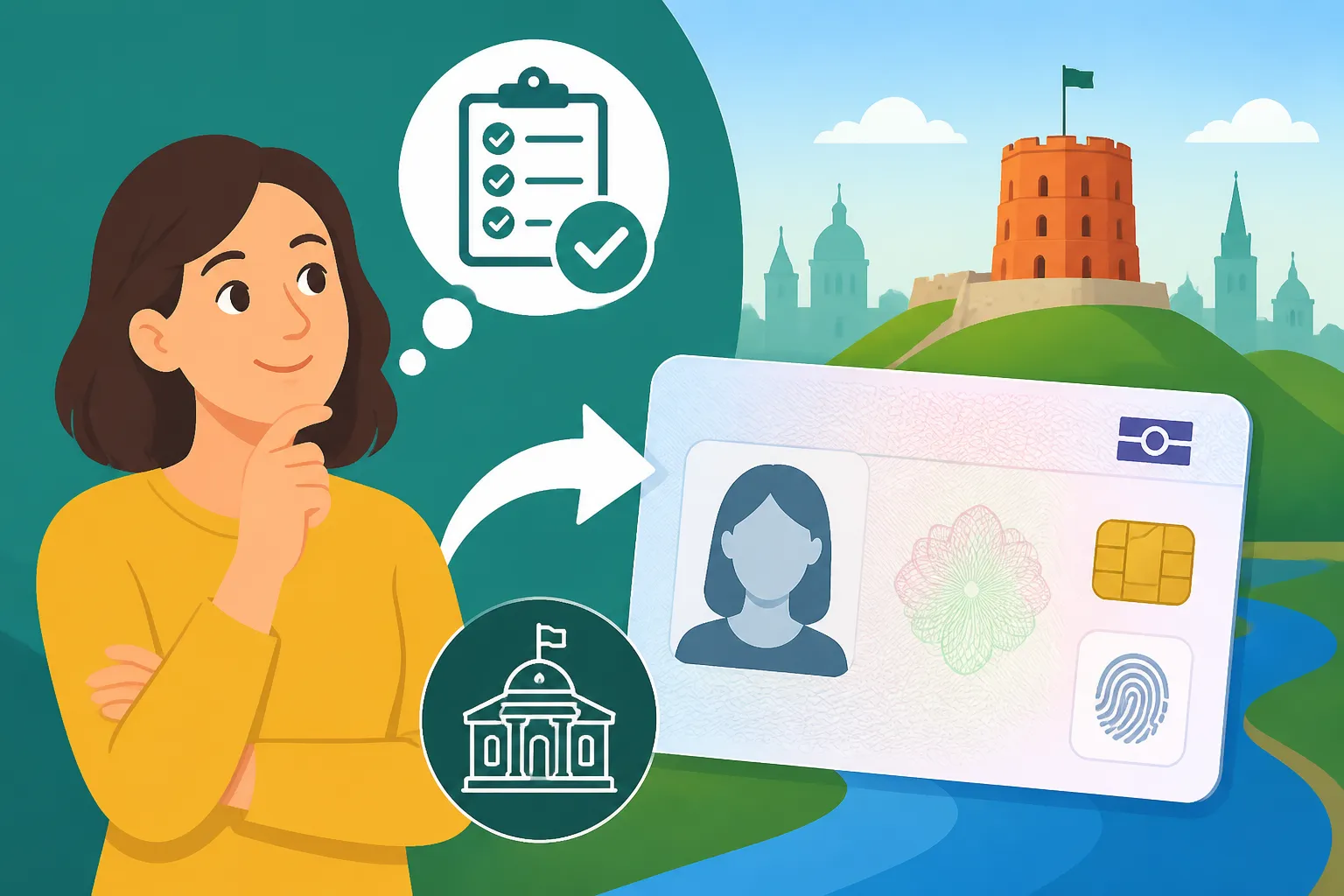
How Do I Get a Biometric Residence Permit Card in Lithuania?
So, you've navigated the often-treacherous waters of applying for your temporary residence permit in Lithuania. Congratulations! That initial approval email from MIGRIS feels like a huge weight off your shoulders. But wait, there's still one crucial step: getting your hands on the actual biometric residence permit card. This little piece of plastic is your golden ticket for living and working here, and understanding how to get it, what it means, and how to maintain it is vital for every expat.
This guide is here to walk you through the entire process, from that initial application to proudly holding your permit card. We'll demystify the steps, prepare you for what to expect, and share some real-world insights from those who've been there.
Understanding the Biometric Residence Permit Card
Moving to a new country like Lithuania often feels like deciphering a complex puzzle, and your residence permit card is perhaps the most important piece. It’s not just a fancy ID; it’s your official confirmation that you’re legally allowed to reside in Lithuania for a specified period, offering you a range of rights and responsibilities.
What Exactly Is a Biometric Residence Permit Card?
At its core, the biometric residence permit card is a secure document issued by the Lithuanian Migration Department (MIGRIS) to non-EU/EEA citizens who have been granted a temporary or permanent right to live in the country. The "biometric" part is key – it means the card contains unique physical identifiers, specifically your fingerprints and a digital photograph, embedded within a microchip. This technology enhances security and helps prevent identity fraud, aligning Lithuania with modern immigration standards across the European Union.
Think of it as your official identification within Lithuania, but also your passport to much of daily life here. It proves your status, facilitates travel within the Schengen Area, and is indispensable for various administrative tasks. For a broader perspective on what to expect, check out The Complete Guide to Lithuanian Residence Permits for Expats (2027).
Why This Little Card Is So Crucial for Expats
When you first arrive, armed with your visa or just a hopeful spirit, the importance of this card might not fully sink in. But trust me, you'll quickly realise it's essential for pretty much everything. Without it, you can't officially open a bank account, register with a family doctor, sign up for utilities, or even properly formalise your employment. It’s the foundational document upon which your entire life in Lithuania will be built.
Imagine trying to explain your legal status without it. While your approval letter from MIGRIS is good, it’s not always accepted by local institutions that require a physical, government-issued ID. This card smooths over countless bureaucratic hurdles, confirming your identity and legal right to be here in a way that nothing else can. For example, if you're trying to set up a new phone contract or even just collect a package, you'll likely be asked for your permit.
Furthermore, this card officially contains your unique asmens kodas, or personal code. This number is as vital as your social security number in some countries – it's used for taxes, healthcare, banking, and pretty much every interaction with Lithuanian institutions. Learning How to Apply for an Asmens Kodas as Part of Your Residence Process is usually intertwined with getting your permit.
Who Needs a Biometric Residence Permit Card?
Generally, any non-EU/EEA citizen who intends to reside in Lithuania for longer than 90 days within a 180-day period needs some form of residence permit, and consequently, a biometric card. This includes:
- Individuals on work visas: If you're coming to work, your permit will grant you both residency and work authorisation.
- Students: Those enrolled in Lithuanian educational institutions for long-term studies.
- Family members: Spouses, children, or other dependents joining a resident in Lithuania.
- Entrepreneurs or self-employed individuals: Those establishing a business or pursuing individual activity.
- Individuals with permanent residence status: After meeting specific criteria, you upgrade to a permanent permit, which also comes with a biometric card.
If you’re an EU/EEA citizen, the process is different; you declare your right of residence but typically don't receive a biometric residence permit card in the same way non-EU citizens do. However, for everyone else, this card is a non-negotiable step on your journey in Lithuania. If you're unsure about your specific situation, a good starting point is The Expat Guide to Moving to Lithuania from a Non-EU Country (2027).
The Application Process for Your Biometric Card
It's important to clarify something right away: you don't typically apply for the card separately. The biometric residence permit card is the physical manifestation of your approved residence permit application. So, the process of "getting your card" is embedded within your overall application for a Temporary Residence Permit (TRP) or Permanent Residence Permit (PRP).
Initial Permit Application and Biometrics Submission
The journey begins with your actual residence permit application. Most often, this is done through the official MIGRIS electronic services portal (EPRIS). You'll need to create an account, fill out extensive forms, and upload a plethora of supporting documents. This can be a daunting task, filled with specific requirements for translations, apostilles, and various certifications. Expats often share stories of going back and forth, needing just "one more document" – so be prepared, and meticulousness is your friend here.
Crucially, as part of this initial application, you will be directed to schedule an in-person appointment at a MIGRIS branch. This appointment is where the 'biometric' magic happens. During this visit, a MIGRIS officer will:
- Verify your identity: They'll meticulously check your passport and all original supporting documents against your uploaded copies. Ensure everything matches perfectly.
- Take your fingerprints: Using a digital scanner, they will record your fingerprints. This data is then stored securely on the microchip within your future card.
- Capture your photograph: They will take a digital photo of you, which will also be printed on your card and stored on its chip. This isn't the time for a casual selfie; it's a formal passport-style photo.
It's paramount to be thoroughly prepared for this appointment. Double-check every document, ensure nothing has expired, and arrive on time. Any discrepancies could delay your application, and nobody wants that. While you're preparing all those vital documents, including proof of comprehensive health insurance – maybe even looking into options like Cigna Global if your existing plan isn't sufficient – it’s easy to get bogged down. Don't let the detail overwhelm you; each step is bringing you closer. For details on securing your permit, see How to Apply for a Temporary Residence Permit (TRP) in Lithuania. If you need to book an appointment, remember to schedule it well in advance, as slots can fill up quickly. Here's how to navigate How to Book an Appointment at the Migration Department (MIGRIS) in Lithuania.
Waiting for Approval and Card Production
Once you've submitted your application and provided your biometrics, the hardest part for many expats begins: the waiting game. Processing times can vary significantly depending on the type of permit you applied for, the current workload at MIGRIS, and whether they require any additional information from you. It’s a period often filled with anxiety, checking the MIGRIS portal daily for updates.
- Processing Times: For temporary residence permits, official processing times can range from 1 to 4 months, sometimes longer, especially during peak periods or if your case requires additional scrutiny. Permanent residence permits can also take several months. These are just estimates, and real-life experiences can differ.
- Notification of Approval: If your application is successful, MIGRIS will notify you via the EPRIS portal and usually send an email. This notification will confirm your permit has been approved and that your card is being produced. This is a moment of pure relief, I can tell you!
- Card Production: After approval, your personal biometric data, along with your photo, is sent for card production. This typically takes another week or two. It's not immediate, so don't expect to pick it up the next day. The system needs time to print and embed all that secure information.
During this waiting period, your existing visa (if you have one) might expire. While your application is pending, you are generally allowed to remain in Lithuania, but it's always best to carry proof of your pending application (e.g., your MIGRIS application number or a printout from the portal) if you need to travel internationally, although cross-border travel within the Schengen area might still be problematic if your national visa has expired. It's a tricky grey area, so travel plans during this phase are generally discouraged. Keep an eye on Understanding the Single Permit (Work and Residence) in Lithuania for specific work-related considerations during this period.
Collecting Your Biometric Residence Permit Card
The moment you receive that notification from MIGRIS that your card is ready for collection is fantastic. It's the culmination of paperwork, waiting, and often a fair bit of stress. But even the collection process has its own little quirks to be aware of.
The Notification and Collection Point
MIGRIS will inform you when your biometric residence permit card is ready. This notification usually comes through the EPRIS portal and also via email to the address you provided during your application. The message will specify the MIGRIS branch where you can collect your card. In most cases, it will be the same branch where you submitted your biometrics. If you've recently moved, and especially if you're planning a relocation that affects your permit, consider how services like Sirelo can assist with the logistics of moving and updating your details efficiently.
It's crucial to pay attention to the collection hours, as they can sometimes be limited, and you typically need an appointment. Ensure you read the notification carefully for any specific instructions or required documents.
What to Bring and What to Expect on Collection Day
When it’s time to pick up your card, don't just show up empty-handed. You'll need to bring a few essential items to ensure a smooth collection process:
- Your Valid Passport: This is your primary form of identification, and it will be required to verify your identity.
- Your National Visa (if applicable): If you entered Lithuania on a National (D) visa, you might be asked to present it for cancellation or record-keeping, as your residence permit card effectively replaces its function for long-term stay.
- Proof of Appointment: If you booked a specific time slot for collection, bring confirmation.
- Any Old Residence Permit Cards: If you are renewing your permit or have an expired one, you might need to surrender it.
Upon arrival at the MIGRIS office, you'll likely queue (even with an appointment, patience is often required). When your number is called, the officer will verify your identity, check your documentation, and then hand over your shiny new biometric residence permit card. They might ask you to confirm your details on the card and sign to acknowledge receipt. Take a moment to check all the printed information – your name, date of birth, asmens kodas, and validity period – for any errors. While rare, mistakes can happen, and it's much easier to rectify them on the spot.
This is your official "welcome to Lithuania" moment, so breathe it in! You've done it. For a closer look at what happens once your permit is approved, read How Do I Get My Residence Permit Card After Approval in Lithuania?.
Here's a quick summary of what you'll typically need for collection:
| Document/Item | Purpose | Notes |
|---|---|---|
| Valid Passport | Primary ID verification | Must be the same passport used for application |
| National (D) Visa | For record-keeping/cancellation | If you entered on one |
| Appointment Confirmation | Proof of scheduled collection time | Recommended, as it may be required |
| Old Residence Permit Card | For surrender/renewal cases | If you are renewing or had a previous permit |
| Notification from MIGRIS | Confirmation your card is ready | Digital or printed copy, often contains collection location |
Maintaining and Renewing Your Biometric Card
Getting your biometric residence permit card is a huge step, but it's not a one-and-done deal. Just like your passport, it has a validity period and requires careful handling and timely renewal. This is about ensuring your continued legal stay in Lithuania and avoiding any unnecessary disruptions to your life.
Card Validity and Keeping It Safe
Your biometric residence permit card will clearly display its validity period. For Temporary Residence Permits (TRPs), this is typically 1 to 3 years, depending on the grounds of your stay (e.g., work, study, family reunification). Permanent Residence Permits (PRPs) usually have a longer validity, often 5 years. It is absolutely vital to be aware of your card's expiration date. Mark it on your calendar, set reminders – whatever it takes! Letting it expire unintentionally can lead to serious immigration issues.
Beyond the expiration date, treating your card like the valuable document it is crucial. Keep it in a safe place, protected from damage. It contains a sensitive microchip, so avoid bending it or exposing it to extreme conditions. If, unfortunately, your card is lost or stolen, you must:
- Report it to the Police: File a report immediately. This is essential for preventing misuse of your identity and is often a prerequisite for a replacement.
- Contact MIGRIS: Inform the Migration Department as soon as possible. You will then need to apply for a replacement card, which involves submitting new biometrics and paying a fee. This process can take time, so act quickly.
Losing your permit card can be a major headache, disrupting travel and access to services, so prevention is definitely better than cure.
The Renewal Process
The good news is that renewing your biometric residence permit card is a well-established process. The crucial detail is when to start. MIGRIS advises beginning the renewal process at least 2-4 months before your current card expires. This gives ample time for processing, avoiding any gap in your legal status.
The renewal process is essentially a re-application. You will need to:
- Submit a new application through EPRIS: Just like your initial application, you'll fill out updated forms online.
- Gather updated supporting documents: This might include new employment contracts, recent bank statements, updated health insurance (it's always good to revisit your options, maybe Cigna Global again if your needs have changed), and proof of continued residence.
- Attend another MIGRIS appointment: You will likely need to provide new biometric data (fingerprints and photo), even if you did so a few years ago. This ensures the data on your new card is current.
The key is to demonstrate that the grounds for your residence in Lithuania still exist and are valid. For example, if your permit was based on employment, you'll need to show you're still employed. If it was for studies, you'll need to prove continued enrolment. For detailed steps on renewing, refer to How to Renew Your Lithuanian Residence Permit. This careful planning is especially important if you're aiming for Permanent Residence in Lithuania: The Complete Pathway (2027), as demonstrating continuous legal residency is a core requirement.
Staying on top of your permit's validity and renewal is a fundamental responsibility for every expat. It ensures your journey in Lithuania remains smooth and uninterrupted, allowing you to focus on enjoying life in this wonderful country.
Disclaimer
Please note that immigration laws and procedures in Lithuania, especially those handled by the Migration Department (MIGRIS), are subject to change. While this guide aims to provide comprehensive and up-to-date information, it is based on current regulations and typical expat experiences. We strongly recommend verifying all information with official Lithuanian government sources, such as the MIGRIS website, or consulting with an immigration legal professional for advice tailored to your specific situation. This guide is for informational purposes only and does not constitute legal advice.