How to Claim Healthcare Cost Reimbursement in Lithuania
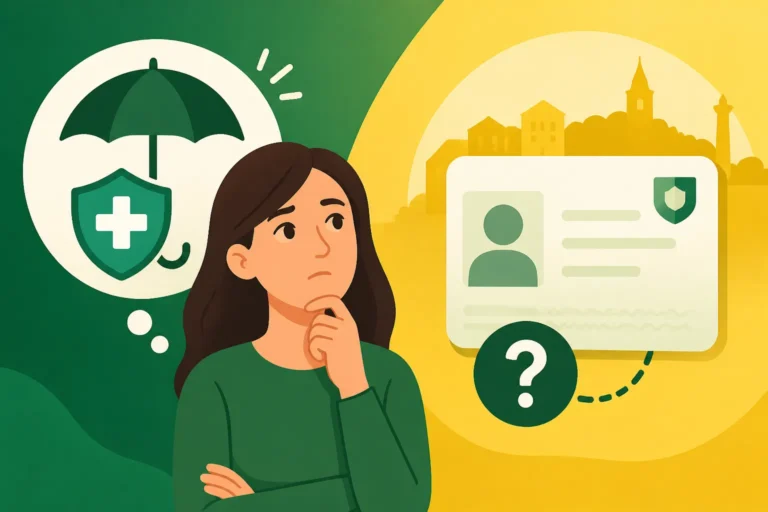
Moving to Lithuania involves a steep learning curve, especially when you find yourself standing at a pharmacy counter or a private clinic reception, wallet in hand, wondering why you are paying out of pocket despite having insurance. This guide meticulously breaks down the complex process of claiming healthcare cost reimbursement in Lithuania, helping you recover expenses from the state and private providers.
Understanding the Lithuanian Reimbursement Framework
The Lithuanian healthcare system is primarily funded through the Compulsory Health Insurance Fund, known locally as the PSDF. For most expats, the first point of contact with reimbursement isn't a check in the mail, but rather a reduction in price at the point of service. However, there are many instances where you might pay the full price and need to claw that money back from the Territorial Health Insurance Fund (Teritorinė ligonių kasa or TLK).
The Role of the PSDF and TLK
The PSDF is the pot of money everyone contributes to via their monthly PSD taxes. When you are properly registered, the system generally works in the background. If you want to understand the foundational mechanics, you should read How Lithuania's Health Insurance Fund (VLK/PSDF) Works: A Full Overview to see how your taxes translate into coverage. The TLK is the regional branch that actually processes claims. If you live in Vilnius, you deal with the Vilnius TLK; if you are in the west, it is the Klaipėda branch.
I remember my first year in Vilnius, thinking that my "health insurance" worked like a credit card. It doesn’t. It works more like a membership that grants you access to "free" services at specific locations. When you step outside that "membership" network—or if the network fails to provide a service in a timely manner—reimbursement becomes your only way to fix the financial dent. The TLK will only reimburse you if the service you received is actually listed in the state’s "price list" of covered services. If you opt for a high-end laser treatment that isn't medically necessary, don't expect a cent back.
The Importance of the Asmens Kodas in Claims
You cannot even begin the conversation about reimbursement without your personal identification code. This eleven-digit number is the "key" to your medical history and your insurance status. For those who are still in the dark about how to obtain this, How to Get Your Asmens Kodas (Personal Code) and Why It Matters for Healthcare is essential reading. Without this code, you don't exist in the eyes of the E-Sveikata system, which is where all your records—and the evidence for your reimbursement—are stored.
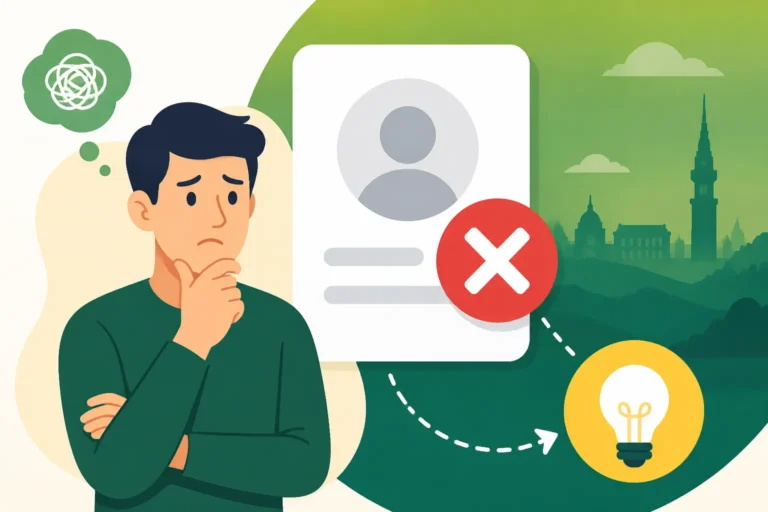
When you submit a claim, the TLK officer will cross-reference your request with the E-Sveikata database. If the doctor didn't log your visit or your referral correctly, your claim will be rejected faster than a bad coffee. Always ensure the clinic has your correct Asmens Kodas on file before you leave the building.
Scenarios Where Reimbursement is Common
Not every medical expense is eligible for reimbursement. In Lithuania, the rules are quite specific. You generally cannot go to a private clinic of your choice and ask the state to pay for it just because you didn't want to wait at a public polyclinic.
Public vs Private Facility Differences
In the public system, the state covers 100% of the "base price." If you choose a private clinic that has a contract with the TLK, the state pays that base price, and you pay the "difference." This is not a reimbursement scenario; it is a co-payment. However, if you are forced to go private because the public wait times exceed the legal limits for a specific condition, you may have a legal ground for reimbursement. This is a rare and difficult path that requires significant documentation.
For many expats, the simpler solution is to use private insurance. If you are a digital nomad or waiting for your residency to be finalized, using a provider like SafetyWing can bridge the gap, as they handle the private reimbursement side much more flexibly than the state bureaucracy. Many of us keep SafetyWing for the first few months until our PSD status shows as "Draustas" (Insured) in the system.
Purchasing Medications and Medical Aids
This is the most common area where expats lose money needlessly. Lithuania has a very specific list of "compensated medicines." If your doctor writes a prescription that is not on the list, you pay 100%. If it is on the list, you usually pay a small fraction. Understanding the Electronic Prescription (E-Receptas) System in Lithuania explains how these prescriptions are linked to your ID.
But what if the pharmacy's system was down? Or what if you had to buy a specialized orthopedic brace that the state covers, but the shop didn't have the direct billing set up? In these cases, you pay the full amount, keep the "invoice-invoice" (PVM Sąskaita faktūra), and the receipt. A standard cash register receipt is not enough for the TLK; you must ask for a formal invoice addressed to your name and personal code.
Step by Step Guide to Claiming Public Reimbursement
If you’ve determined that you are eligible for money back from the state, you need to prepare for some paperwork. Lithuania is moving toward a digital-first approach, but the TLK still appreciates a well-documented physical or e-signed application.
Gathering the Required Documentation
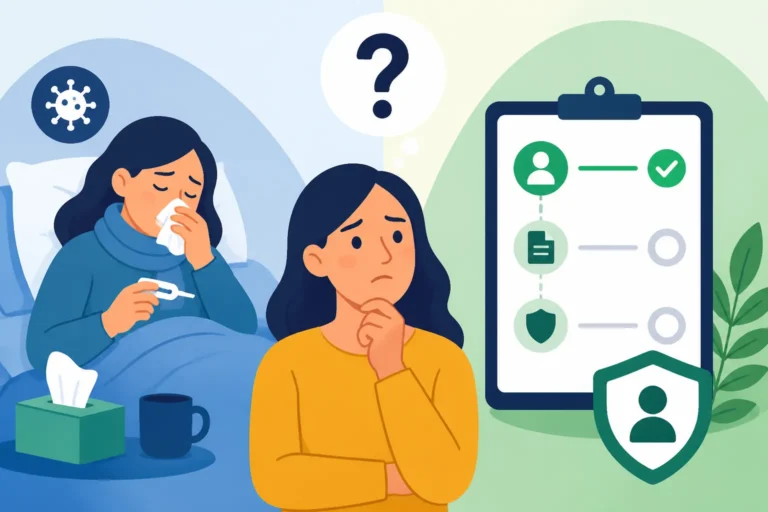
Before you head to the TLK office or log into their portal, you need a specific set of documents. If any of these are missing, the process will stall.
- A formal application form (usually available on the VLK.lt website).
- The "PVM Sąskaita faktūra" (VAT Invoice) which must include your Asmens Kodas.
- The original payment receipt or a bank transfer confirmation.
- A copy of your ID.
- Medical extracts from Understanding the E-Sveikata (E-Health) System in Lithuania that prove the necessity of the service or medication.
One mistake I see often is people trying to reimburse "wellness" supplements. The state will only reimburse medications that are part of a specific treatment plan for a chronic or acute condition. If you are unsure about what qualifies, checking The Cost of Healthcare in Lithuania: A Complete Breakdown for Foreigners (2026) can give you a better idea of what the state considers a "standard" cost versus an "extra."
Navigating the TLK Application Process
You have two main ways to submit: via the E-Government Gateway (Elektroniniai valdžios vartai) or in person. Most younger expats prefer the online route, which requires a Lithuanian bank account or a Mobile-ID to sign in. Once inside, you can upload your scanned invoices and fill out the digital claim form.
If you choose to go in person, bring all your originals. The clerks are generally helpful, though English proficiency varies. It is wise to bring a Lithuanian-speaking friend if your case is complex. The processing time for a reimbursement claim is usually 30 days. If approved, the money is transferred directly to your Lithuanian IBAN. It is worth noting that they will not transfer funds to a foreign bank account in most cases, so keep that Swedbank or SEB account open.
| Type of Expense | Required Document | Reimbursement Percentage |
|---|---|---|
| Compensated Meds | E-Receptas + Invoice | 50%, 80%, or 100% of base price |
| Medical Aids | Referral + VAT Invoice | Varies by category |
| Cross-border EU | EHIC + Original Receipts | Based on Lithuanian state rates |
| Private Specialist | E-Referral + Contracted Clinic | Base price only |
Cross-Border Reimbursement for EU and Non-EU Citizens
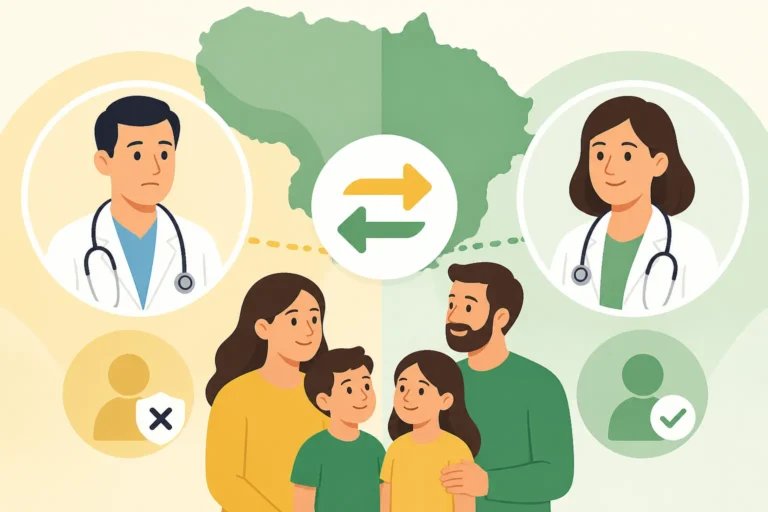
The rules change significantly if you are an EU citizen using your EHIC card or if you are a Lithuanian resident who got sick while visiting another EU country. This is governed by EU Regulation 883/2004, and it is a lifesaver if you know how to use it.
Using the EHIC for Reimbursement
If you are an EU citizen living here but still insured in your home country (like Germany or Poland), you can use your EHIC. However, the EHIC only covers "necessary" care. If you are charged a fee that a local Lithuanian would not be charged, you can apply for reimbursement either here at the TLK or back in your home country. For a deep dive into this, check out How to Use Your EHIC (ESDK) Card in Lithuania as an EU Citizen.
The process involves proving that the treatment was unplanned and necessary. You will need to provide the same VAT invoices mentioned earlier. If you are a Lithuanian resident who travels to Spain and pays for an emergency doctor, you bring those Spanish receipts back to your local TLK in Vilnius. They will reimburse you, but here is the catch: they will reimburse you according to Lithuanian rates, not Spanish ones. If the Spanish doctor charged 100 EUR but the Lithuanian state rate for that visit is 20 EUR, you are only getting 20 EUR back.
Receiving Planned Treatment Abroad
This is a much more complex "S2" form process. You cannot simply go to Germany for a surgery and expect Lithuania to pay for it later. You must get prior authorization from the VLK. This is only granted if the treatment is covered in Lithuania but cannot be provided here within a medically justifiable timeframe. The reimbursement for these cases is usually handled directly between the two national health funds, but you might still have to pay co-payments, which are non-reimbursable.
For those who travel frequently outside the EU, SafetyWing is often a much more reliable partner for these scenarios. Unlike the state fund, which is bound by strict EU treaties and limited to the "Lithuanian price list," SafetyWing allows for a more streamlined digital claim process for emergencies worldwide, which is a major relief when you're dealing with a crisis in a foreign language.
Claiming Through Private Health Insurance
Many employers in Lithuania provide supplemental private health insurance (like Ergo, If, or Gjensidige) as a perk. This is entirely separate from the state system and usually has a much higher "quality of life" factor when it comes to getting your money back.
The Role of Corporate and Individual Private Plans
If you have a corporate plan, you usually have an app. When you go to a private dentist or a psychologist—services often poorly covered by the state—you simply take a photo of the receipt and upload it. The private insurer then checks your "limit." For example, you might have 300 EUR a year for dental care.
For those without a corporate plan, Understanding Private Health Insurance Plans in Lithuania is the place to start. It helps you see which providers are expat-friendly. Unlike the public TLK, private insurers often reimburse you within 3 to 5 business days. They also cover things the state won't, such as "comfort" services, private hospital rooms, and a wider range of medications.
Digital Claims and Speed
The beauty of private insurance is the lack of "Siuntimas" (referrals) requirements for many basic services. While the state demands you see a family doctor first to get a referral for a specialist (read more on How E-Referrals (Siuntimas) Work for Specialists in Lithuania to see that process), a private insurer might let you go straight to a dermatologist and still pay the bill.
If you are using an international provider like SafetyWing, the process is even more globalized. You don't need a Lithuanian bank account for the payout; they can often send funds via international wire or to digital wallets. This is a massive advantage for the "perpetual traveler" expat who might be in Vilnius this month but in Malaga the next.
Common Pitfalls and Why Claims Get Rejected
Nothing is more frustrating than waiting 30 days only to receive a letter (in Lithuanian) explaining that your claim was denied. Most rejections are entirely preventable if you pay attention to the details.
Missing E-Referrals and Administrative Errors
The most common reason for rejection in the public system is the lack of a "Siuntimas." If you go to a specialist and pay, then try to reimburse it, the first thing the TLK checks is whether an e-referral existed in the E-Sveikata system before the date of the visit. If the referral was written even one day after the visit, the claim is void.
Furthermore, make sure the doctor has checked the right boxes in the system. Sometimes they forget to mark a condition as "chronic," which affects the reimbursement rate for medications. Always ask your The Expat Guide to Finding a Family Doctor (Šeimos Gydytojas) in Lithuania to double-check your E-Sveikata entries if you're planning a major medical purchase.
Understanding the "Reference Price" vs Market Price
This is the "gotcha" of the Lithuanian system. The state does not reimburse what you paid; it reimburses the "Reference Price" (Bazinė kaina).
- Scenario: You buy a specific brand of heart medication for 50 EUR.
- The State Logic: The cheapest generic version of that medication costs 10 EUR. The state has decided they will cover 80% of the 10 EUR.
- Your Reimbursement: You get 8 EUR back, not 40 EUR.
This discrepancy often leads to "bill shock" among expats. To avoid this, always ask the pharmacist for the medication with the lowest "priemoka" (patient surcharge). If you insist on a specific brand name from the US or UK, you will bear the majority of the cost yourself, regardless of your insurance status.
Final Practical Tips for Expats
Navigating the reimbursement system in Lithuania is a marathon, not a sprint. To make your life easier, I recommend keeping a dedicated "Medical Folder" (either physical or digital). Every time you pay for anything medical—even a 5 EUR bottle of prescription cough syrup—get the VAT invoice. At the end of the quarter, sit down and see what can be submitted.
If you are struggling with the language or the portals, don't be afraid to visit the VLK office in person. The one in Vilnius on Ž. Liauksmino g. is usually quite efficient. Remember that you have a limited window to claim; for most state reimbursements, you should aim to submit within the same calendar year, though some rules allow for a longer period.
Lastly, don't rely solely on the state. The public system is great for catastrophic issues, but for day-to-day expat life, having a backup like SafetyWing or a local private policy ensures that a simple ear infection doesn't turn into a month-long bureaucratic nightmare. Being proactive and informed is the only way to ensure that your healthcare in Lithuania is both high-quality and affordable.
Disclaimer
This guide is for informational purposes only and does not constitute legal or professional medical advice. Healthcare regulations and reimbursement rates in Lithuania are subject to change. Always verify current procedures with the Territorial Health Insurance Fund (TLK) or your private insurance provider.