Understanding the Electronic Prescription (E-Receptas) System in Lithuania
Moving to a new country involves a steep learning curve, especially when it comes to managing your health. In Lithuania, the transition from traditional paper-based healthcare to a fully digital ecosystem can be confusing for those used to physical prescriptions and handwritten doctor's notes. This guide explains exactly how the electronic prescription (E-Receptas) system works, how to navigate pharmacies, and how to manage your digital medical records without the stress of a language barrier or administrative delays.
The Foundation of Digital Health in Lithuania
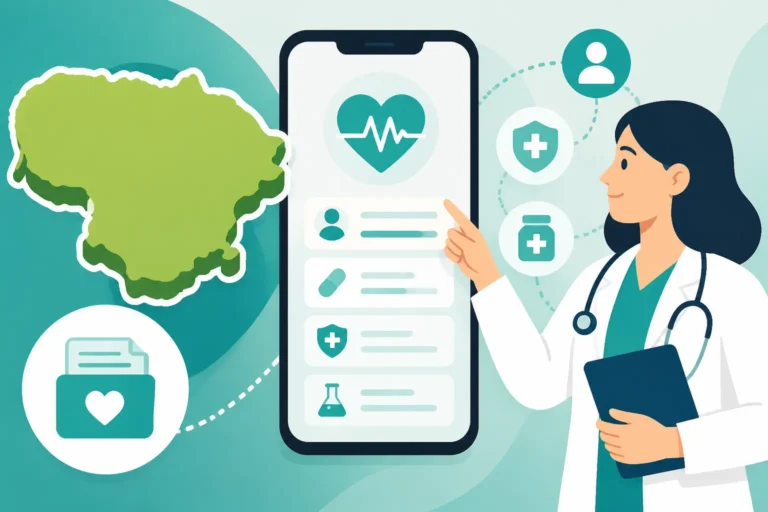
Lithuania has spent the last decade aggressively digitizing its public services, and the healthcare sector is the crown jewel of this effort. The E-Receptas system is not just a digital version of a paper slip; it is a centralized database that connects your doctor, your insurance status, and every pharmacy in the country. When I first arrived in Vilnius, I spent twenty minutes looking for a paper prescription in my bag, only to have the pharmacist patiently explain that "everything is in the cloud." It is a massive relief once you understand it, but the initial "where is my proof?" anxiety is real.
The Shift from Paper to Digital Infrastructure
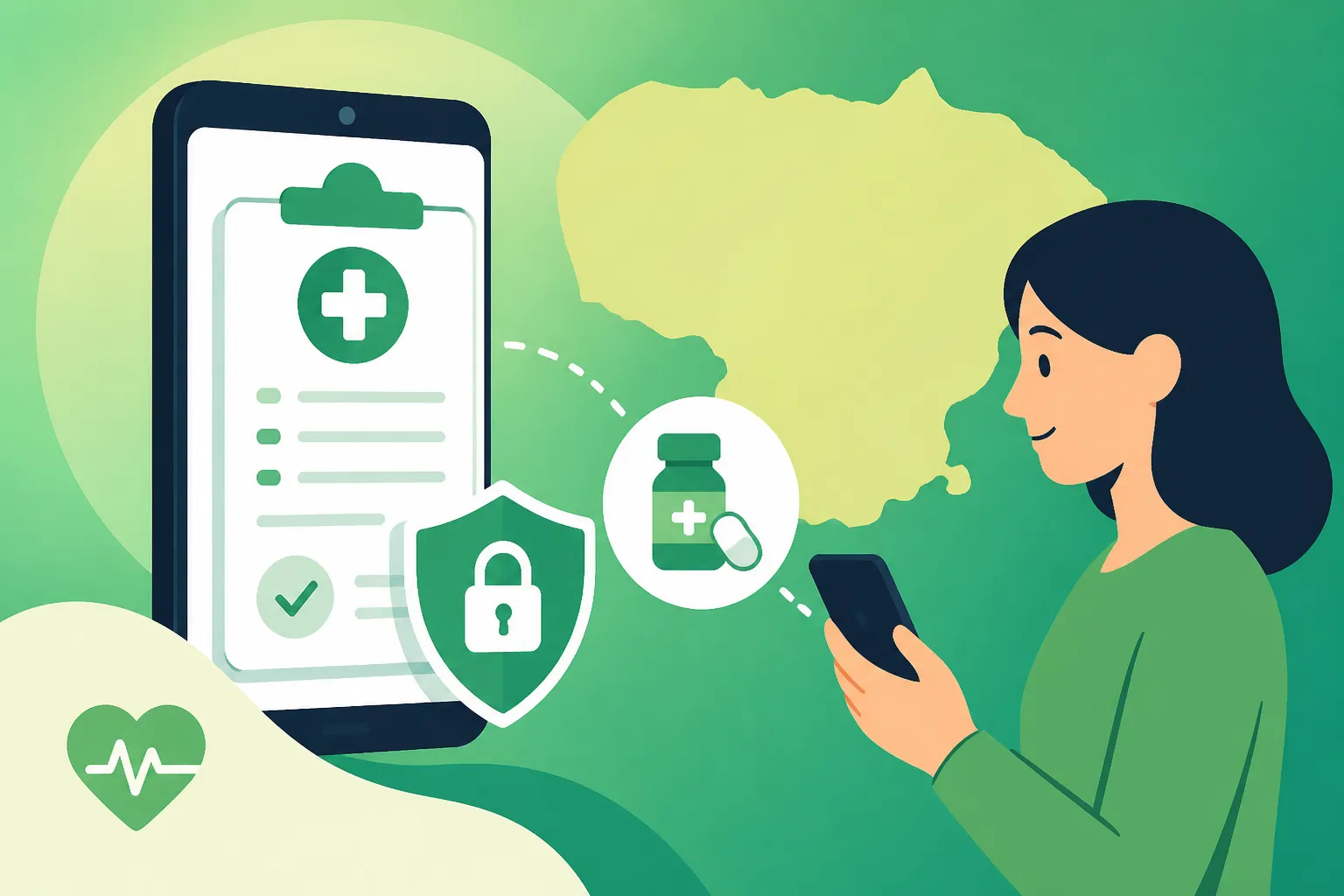
For years, patients in Lithuania relied on various colored paper slips—yellow for standard meds, green for compensated ones—which were prone to being lost, damaged, or forged. The introduction of the E-Receptas system through the E-Sveikata portal changed everything. Now, when a doctor prescribes medication, they enter it directly into the national database. This record is instantly accessible by any licensed pharmacist across the country.
This transition was designed to reduce errors and improve patient safety. Because the system tracks your entire medication history, it can theoretically alert a doctor or pharmacist to potential drug interactions. For an expat, this means you don't have to remember the exact name of a brand you were prescribed six months ago in Klaipeda if you are now seeing a doctor in Vilnius. Everything is logged under your unique identifier. Understanding the Asmens Kodas (Personal Code) and Why It Matters for Healthcare is the first step in unlocking this system, as it serves as your digital key.
How the System Integrates with Your Identity
Your entire interaction with the E-Receptas system revolves around your personal identification code. Whether you are an EU citizen or a non-EU resident on a work visa, your medical records are tethered to this number. When the doctor opens your file, they are looking at a dashboard that shows your current insurance status, previous diagnoses, and active prescriptions.
This level of integration is incredibly efficient, but it does mean that if your residency status is in flux, you might hit a digital wall. Expats can struggle when their temporary residence permit is being renewed and their "active" status in the health database flickers. This is why it is critical to ensure you are Registering for Compulsory Health Insurance (PSD) in Lithuania (2027) as soon as you are eligible. Without an active PSD status, the E-Receptas system might still allow a doctor to write a prescription, but you will find yourself paying the full "uncompensated" market price at the pharmacy.
The Life Cycle of an Electronic Prescription
Understanding the step-by-step flow of how a prescription moves from a doctor's computer to the pharmacy counter can save you a lot of time and potential "lost in translation" moments at the polyclinic. It is a streamlined process, but it requires you to be proactive during your consultation.
The Role of the Family Doctor (Šeimos Gydytojas)
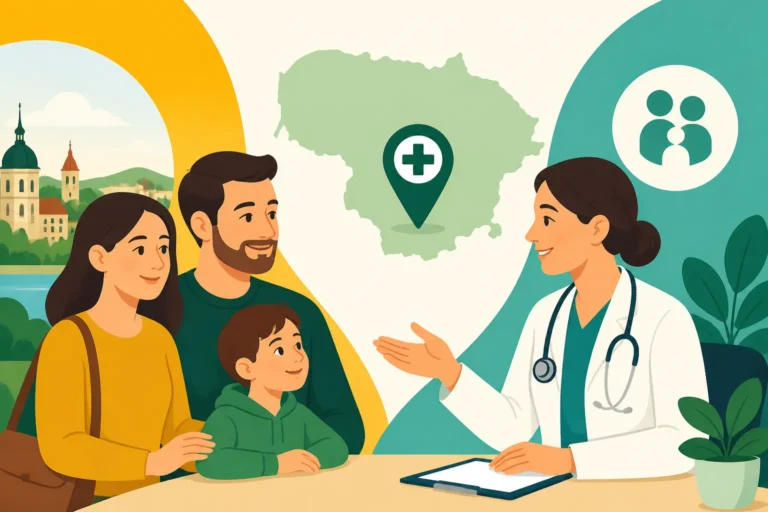
In the Lithuanian system, your family doctor is the gatekeeper of the E-Receptas system. During a consultation, whether it is for a common cold or a chronic condition, the doctor will pull up the E-Sveikata interface. They select the medication, dosage, and duration, and then "sign" it with a digital certificate.
One thing that surprised me as an expat was that I didn't always need to go to the clinic for a refill. For many routine medications, you can simply call your doctor's office or send a message through the patient portal. If the doctor agrees that the treatment should continue, they can renew the prescription remotely. This is why it is so important to spend time Choosing and Registering with a Family Doctor (Šeimos Gydytojas) in Lithuania who communicates in a way that works for you, as they will be the one managing these digital requests.
Remote Renewals and the Patient Portal
The E-Sveikata portal is the "backstage" of your healthcare experience. By logging in through the government gateway (using your mobile signature or e-banking), you can see every active prescription you have, how many refills are left, and the expiration date of each. This is incredibly helpful because Lithuanian prescriptions often have a strict "valid until" date—usually 30 to 90 days depending on the medication.
For expats who are still navigating the public system or are waiting for their PSD to become active, there can be a gap in coverage. If you are in this transition period, having a plan like SafetyWing can provide a necessary safety net for unexpected medical needs. While SafetyWing is primarily for travel and international medical emergencies, it offers the peace of mind needed when you are not yet fully integrated into the local E-Sveikata database.
| Feature | Paper Prescription (Old System) | E-Receptas (Current System) |
|---|---|---|
| Portability | Must carry physical slip | Digital; accessible via ID card |
| Renewal | Requires in-person visit | Can often be done via phone/portal |
| Security | Easy to lose or damage | Securely stored in national database |
| Price Transparency | Hard to compare prices | Pharmacist screen shows all options |
| Loss Recovery | Requires new doctor visit | Impossible to "lose" digital record |
Navigating the Pharmacy (Vaistinė) Experience
Once your doctor has "sent" the prescription into the digital void, your next stop is the pharmacy. In Lithuania, you will see signs for a "Vaistinė" on almost every street corner in major cities. The process here is different than in many other countries, and knowing what to expect will help you avoid holding up the queue.
Identifying Yourself at the Counter
When you walk up to the pharmacist, you don't need to say "I'm here to pick up a prescription for Amoxicillin." You simply hand over your residence permit card or your passport (if it contains your Asmens Kodas). The pharmacist will scan your ID or manually enter your personal code into their system.
Within seconds, every active prescription assigned to you will pop up on their screen. This is where the magic happens—and sometimes the confusion. The pharmacist will likely ask you which brand of the medication you prefer. In Lithuania, the E-Receptas often specifies the active ingredient (the generic name) rather than a specific brand name. The pharmacist is legally required to show you a screen or a list with various manufacturers and their prices, ranging from the cheapest generic to the most expensive brand-name version. Knowing How to Use an E-Receptas at a Pharmacy in Lithuania involves being ready to make a choice between these price points on the spot.
Understanding Price Compensations and the PSDF
One of the most complex parts of the Lithuanian system is the "compensated" medication list. The Compulsory Health Insurance Fund (PSDF) covers a significant portion (sometimes 50%, 80%, or 100%) of the cost for certain essential medications. However, this only applies if you are fully insured under the public system.
When the pharmacist pulls up your E-Receptas, the system automatically checks if the medication is on the compensation list and if you qualify. If you are an expat working for a Lithuanian company, this happens seamlessly. However, if you are self-employed or a digital nomad, you must ensure your contributions to Sodra are up to date. I remember a friend who thought his insurance was active, only to find out at the pharmacy counter that his PSD Contributions Through Sodra in Lithuania had a one-month lag, resulting in him paying triple the expected price. This is another area where having international coverage like SafetyWing can be a lifesaver, as it handles the medical costs that the public system might not yet be ready to cover.
E-Receptas vs. Private Healthcare and Insurance
While the E-Receptas system is a government initiative, it is used by both public polyclinics and private medical centers. This is a common point of confusion for foreigners who assume that going "private" means going back to the world of paper and stamps.
Public Polyclinis vs. Private Medical Centers
If you visit a private clinic like Northway or Kardiolita, the doctors there are still connected to the national E-Sveikata system. They will write your prescription digitally just like a doctor at a public "Poliklinika" would. The difference lies in the cost of the consultation and how quickly you can get an appointment.
Expats often prefer private clinics for the speed and English-speaking staff. However, even if a private doctor writes the E-Receptas, you can still get your medication at any public pharmacy. The system bridges the gap between the two sectors perfectly. If you are weighing your options, reading about Public vs Private Healthcare in Lithuania: Which Should Expats Choose? can help you decide where to register. Most veteran expats use a hybrid approach: public for routine checks and compensated meds, and private for specialists or urgent issues.
When Private Insurance Comes Into Play
Private health insurance is becoming increasingly popular among the expat community in Vilnius and Kaunas. These plans often cover the "patient co-pay" portion of a prescription or provide coverage for medications that are not on the government's compensated list.
SafetyWing is a frequent choice for many in the international community because it provides that essential layer of global protection. While the Lithuanian E-Receptas system is fantastic for local needs, it doesn't help you if you need to access healthcare while traveling back home or to another EU country. For those who are not yet fully residents, SafetyWing serves as a reliable bridge. It is also important to understand the Cost of Healthcare in Lithuania: A Complete Breakdown for Foreigners (2026) to see where insurance can save you the most money over the long term.
Managing Complex Cases and Specialized Meds
For those with chronic illnesses or those needing specialized care, the E-Receptas system is a vital tool for continuity of care. It ensures that your medical history follows you, even if you see different specialists in different cities.
Referrals to Specialists and the Digital Trail
In Lithuania, you often need an "E-Siuntimas" (electronic referral) to see a specialist. This referral is also digital and lives in the same E-Sveikata system as your prescriptions. When you see a specialist, they can see the notes from your family doctor and the medications you have been taking.
This digital trail is incredibly helpful if you are dealing with a complex condition. The specialist can add new medications to your E-Receptas list, which your family doctor can then see and renew later. Understanding How E-Referrals (Siuntimas) Work for Specialists in Lithuania is key to navigating this journey. It prevents the "starting from scratch" feeling that often happens when moving medical care between countries. I've found that having all my previous blood tests and prescriptions visible to a new specialist in Kaunas made my transition from Vilnius much smoother than I anticipated.
Chronic Conditions and Long-Term Prescriptions
If you have a chronic condition like high blood pressure or diabetes, the E-Receptas system allows for long-term prescriptions. A doctor can issue a prescription that is valid for up to six months, but with the caveat that you can only pick up one or two months' worth of medication at a time.
The system tracks exactly how many pills you have collected. If you try to go to a different pharmacy to "double up" on your medication, the system will block the sale because it knows you have already received your allotment for that period. This prevents over-medication and waste. For expats who travel frequently, this requires some planning. You may need to explain to your doctor if you are going abroad for two months so they can authorize a larger "one-time" pickup. In these scenarios, checking How to Get a Prescription Renewed Online in Lithuania before you leave is a smart move.
Troubleshooting Common E-Receptas Issues
Despite the efficiency of the system, digital glitches and administrative hurdles do happen. Being prepared for these "system says no" moments can prevent a lot of frustration when you are standing at the pharmacy counter.
Inactive Insurance Status or Missing Records
The most common issue for expats is the "Inactive" status. This usually happens when there is a delay in reporting your employment to Sodra or if you have just moved and your data hasn't fully propagated through the government systems. If the pharmacist tells you your insurance is inactive, you will have to pay the full price for the medication.
If this happens, don't panic. You can usually get reimbursed later if you can prove you were actually covered at the time. Keep all your receipts and check What Should Expats Know About Maternity Leave Healthcare in Lithuania? or other relevant social security guides to understand how to fix your status. Sometimes, a simple phone call to Sodra or the Health Insurance Fund (VLK) is all it takes to flip the digital switch back to "active."
Language Barriers and Technical Glitches
While the E-Sveikata portal is available in English, many of the specific doctor's notes or medication instructions in the E-Receptas might still be in Lithuanian. Pharmacists in major cities like Vilnius and Kaunas usually speak excellent English, but in smaller towns, you might need a translation app.
Sometimes the system itself goes down for maintenance, usually late at night. If you have an urgent need for medication during a system outage, pharmacies have emergency protocols, but it can be a slow process. This is why it is always better to Find a Pharmacy (Vaistinė) Near Me in Šiauliai or your local city that is open 24/7, as they are more accustomed to handling technical hiccups. If you are ever stuck without your digital record, having a copy of your Asmens Kodas (Personal Code) written down or a photo of your residence permit on your phone is the best way to help the pharmacist find you manually.
As you settle into your new life, you will find that the E-Receptas system is actually a friend, not a foe. It removes the paperwork, keeps your history safe, and makes refills a breeze. Just keep your insurance active, your ID handy, and your Patient Portal Account in Lithuania set up, and you’ll be navigating the Lithuanian medical world like a local in no time. For those still in the process of moving, remember that solutions like SafetyWing can provide the flexibility you need while the Lithuanian digital gears are still turning for your residency.
Disclaimer
This guide is for informational purposes only and does not constitute professional medical or legal advice. The Lithuanian healthcare system and its digital platforms are subject to frequent updates and changes in regulation. Always consult with a licensed medical professional in Lithuania or contact the National Health Insurance Fund (VLK) for the most current information regarding your specific health coverage and prescription needs.