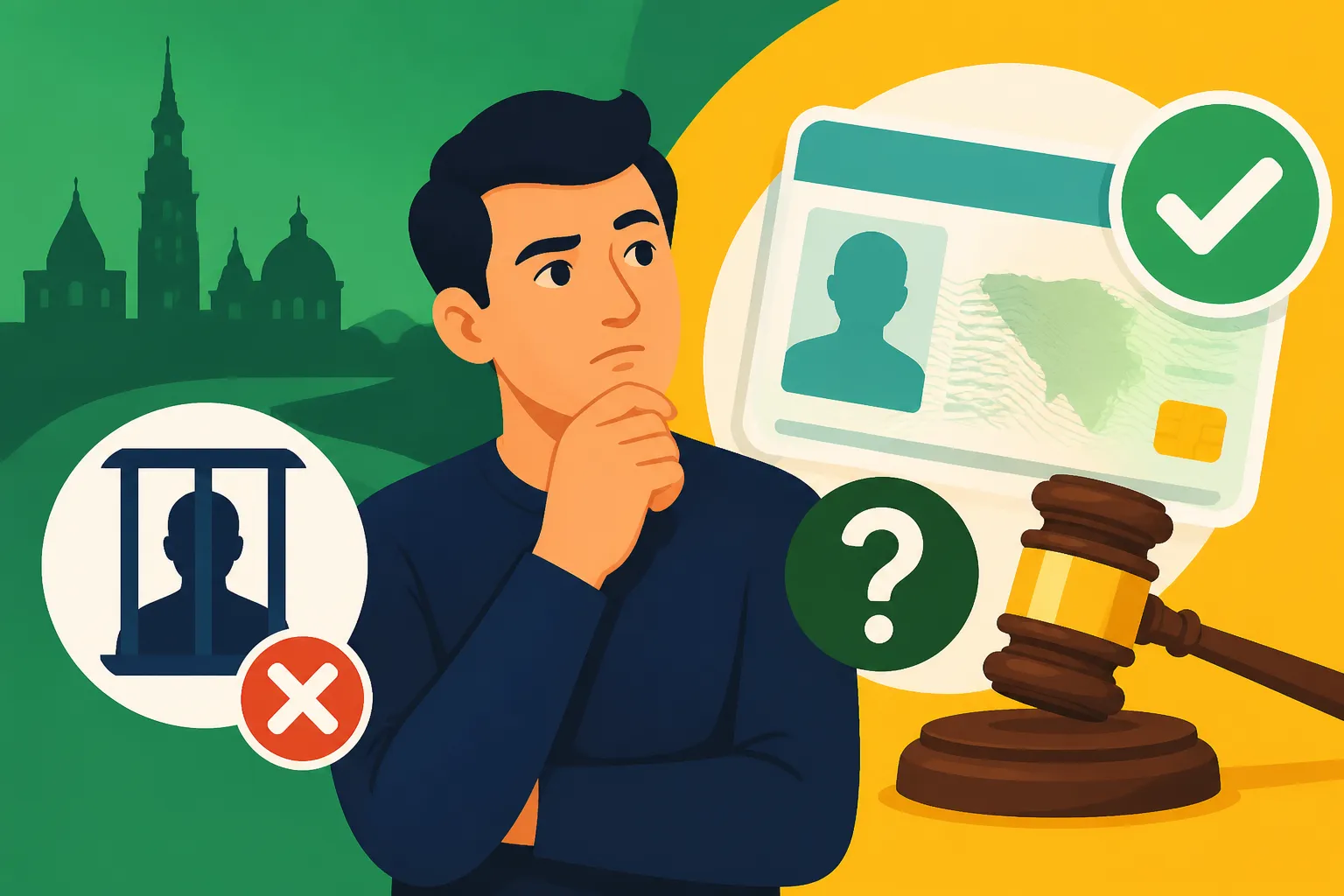
Can I Apply for a Lithuanian Residence Permit with a Criminal Record?
Navigating the labyrinthine world of Lithuanian immigration can feel like a full-time job, and when you add a past criminal record into the mix, it often feels like you're trying to climb a greased pole. It's a deeply personal and often anxiety-inducing situation, wondering if a mistake from your past will forever bar your future in a new country. This guide aims to pull back the curtain on how Lithuania's Migration Department (MIGRIS) views residence permit applications when a criminal record is present, offering a realistic, step-by-step look at the process and what you can expect.
The Elephant in the Room: Lithuania's Stance on Criminal Records and Residence Permits
Let's be blunt: having a criminal record, even a minor one from years ago, complicates your application for a Lithuanian residence permit. It doesn't necessarily mean an automatic "no," but it absolutely means a much closer, more scrutinizing look from the authorities. Lithuania, like any sovereign nation, prioritizes national security, public order, and public health when assessing foreign nationals. Any history that suggests a potential risk in these areas will raise a red flag.
When you apply for a temporary residence permit (TRP) in Lithuania, a standard requirement is usually a Certificate of No Criminal Record (or Police Clearance Certificate) from your home country and any other countries where you've lived for a significant period. If this certificate comes back clean, fantastic – one less hurdle. But if it shows a past conviction, that's where the real navigation begins. The authorities aren't just looking at the conviction itself, but also the nature of the crime, how long ago it occurred, and whether you've been fully rehabilitated in the eyes of the law. They want to ensure you won't pose a threat to their society. It's a frustrating situation, I know, because often people have long since turned their lives around, but the paperwork doesn't always reflect personal growth.
What Constitutes a Problematic Criminal Record?
Not all criminal records are treated equally, and understanding the nuances is key. While severe crimes like violent offenses, drug trafficking, or terrorism-related charges are almost certainly going to lead to a rejection and potentially an entry ban, minor infractions or very old convictions might be viewed differently.
Severity of the Offense and Time Elapsed
Lithuanian immigration law, primarily the Law on the Legal Status of Foreigners, gives the Migration Department considerable discretion. They will certainly differentiate between, say, a minor shoplifting charge from a decade ago versus a recent felony assault conviction.
- Serious Crimes: If your record includes serious offenses (felonies, crimes against humanity, organized crime, violent crimes, major drug offenses), it's highly improbable that your application will be approved. These are often seen as direct threats to public order or national security, leading to automatic refusals or even inadmissibility.
- Minor Offenses: For less severe offenses (misdemeanors, petty theft, minor fraud, DUI charges that didn't result in serious injury), the elapsed time since the conviction becomes a critical factor. If it was many years ago, and you've had a spotless record since, you might have a better chance. They will be looking for clear evidence of rehabilitation.
- "Spent" Convictions: In some countries, convictions can become "spent" after a certain period, meaning they no longer appear on standard background checks. However, Lithuanian authorities might require a full disclosure regardless, so it's always best to be transparent. You'll need to understand how your home country's legal system addresses past convictions and how that translates to the documents you'll provide.
The "Threat to Public Order" Clause
This is where things get vague and, frankly, frustrating for applicants. The Lithuanian Migration Department is legally empowered to refuse a residence permit if a foreigner is deemed to pose a threat to public order, state security, public health, or good morals. A criminal record, by its very nature, can be interpreted as evidence of such a threat. It's not just about what you did, but how they perceive your potential future actions based on your past.
This is why proving rehabilitation, stable employment, strong community ties, and a clear reason for wanting to reside in Lithuania becomes even more crucial. You're essentially making a case that your past does not define your present character or future intentions. This often feels like a Kafkaesque process where you're guilty until proven innocent, and it's a valid frustration many expats face.
Required Documentation and the Application Process
When applying for any residence permit, the requirement for a Certificate of No Criminal Record (or Police Clearance Certificate) is almost universal. This document needs to be issued by the competent authorities in your country of origin and any other country where you've resided for more than one year (sometimes six months, depending on the permit type) in the last few years. It usually needs to be apostilled or legalised and translated into Lithuanian by a sworn translator.
If your certificate does show a criminal record, don't try to hide it. Transparency, while painful, is always the best policy. Attempting to conceal information will likely lead to an automatic refusal and potential future bans.
Preparing Your Case for Mitigation
When submitting your application through the MIGRIS portal or in person after booking an appointment through their system, you should prepare additional documents beyond the standard requirements. These are specifically to address your criminal record and demonstrate your rehabilitation.
Here's a table outlining potential documents and their purpose:
| Document Type | Purpose |
|---|---|
| Explanation Letter | A personal, detailed letter from you, explaining the circumstances of the offense, expressing remorse, and outlining the steps you've taken since to rehabilitate yourself and ensure it won't happen again. Be honest, but focus on personal growth. |
| Evidence of Rehabilitation | Official documents proving completion of probation, parole, community service, drug/alcohol counseling, anger management courses, or any other court-mandated or voluntary programs. Letters from counselors or program supervisors can be very impactful. |
| Character References | Letters from employers, colleagues, community leaders, or long-standing friends and family who can vouch for your good character, stable employment history, and positive contributions to society since the incident. These should be detailed and specific. |
| Proof of Stable Employment/Income | Current employment contract, salary slips, or bank statements demonstrating financial stability. This shows you are a contributing member of society and have a legitimate reason for residence. If you're using a private health insurance provider like Cigna Global, proof of that policy can also help show you're responsible and planning for the long term. |
| Proof of Accommodation | Rental agreement or property ownership documents. Showing stable housing reinforces your intention to settle peacefully. |
| Health Insurance | Valid health insurance covering your stay in Lithuania. Even if not directly related to your criminal record, it's a mandatory requirement and demonstrates responsibility. Make sure it's comprehensive, as the Migration Department checks this carefully. You can explore options for Health Insurance in Lithuania: Compulsory, Private and Travel Options Explained. |
| Official Court Documents | Certified copies of court judgments, sentencing documents, and any official records detailing the outcome of your case. This provides full transparency. |
Remember, all non-Lithuanian documents usually require certification (apostille or legalization) and official translation into Lithuanian. This can be a costly and time-consuming part of the process, so factor it into your relocation planning. Services like Sirelo, which connect you with international moving companies, can also offer advice or resources for this logistical nightmare.
The Interview and Waiting Game
Once your application, complete with all supporting documents and explanations, is submitted, you'll enter the waiting period. This can be agonizingly long, and the standard processing times listed on the MIGRIS website often feel more like suggestions than firm deadlines, especially for complex cases. It's not uncommon to wait longer, sometimes significantly so, if your case requires deeper investigation.
During this period, you might be invited for an interview at the Migration Department. This is not a formality; it's a crucial opportunity to clarify details, answer questions about your past, and reiterate your commitment to abiding by Lithuanian laws. Be prepared to discuss your criminal record openly, calmly, and truthfully. Focus on what you've learned, how you've changed, and your positive intentions for your life in Lithuania. The officials will be assessing your sincerity and whether you genuinely pose no current threat.
What Happens If Your Application Is Refused?
A refusal for a residence permit due to a criminal record can be devastating, especially if you've already started to build a life or made plans in Lithuania. However, a refusal isn't always the absolute end of the road.
Grounds for Refusal and Notification
The Migration Department is legally obligated to provide you with a written decision stating the specific grounds for refusal. This is crucial because it tells you exactly why your application was denied, which is the starting point if you decide to appeal. Common grounds related to criminal records include:
- Deemed a threat to public order or national security.
- Inadequate proof of rehabilitation.
- Nature or recency of the crime.
The Right to Appeal
You typically have the right to appeal the decision within a specific timeframe (often 14 or 30 days) to the Regional Administrative Court. This is where having legal counsel becomes almost indispensable. An experienced immigration lawyer in Lithuania can help you understand the legal grounds for appeal, prepare a strong case, and represent you in court. They can help you gather additional evidence, like further character references or expert opinions, to strengthen your argument that you are not a threat.
The appeal process itself can be lengthy and, unfortunately, expensive. There's no guarantee of success, but it provides a formal mechanism to challenge the administrative decision. It’s vital to understand How Long Does It Take to Get a Lithuanian Residence Permit? in general, but adding an appeal means potentially months, if not over a year, of additional waiting.
Key Takeaways for Expats with a Criminal Record
Living with a past mistake can be incredibly challenging, and facing potential immigration barriers only compounds that stress. Here are a few final thoughts:
- Transparency is Paramount: Never, ever try to hide a criminal record. It will be discovered, and that will almost certainly lead to refusal and possibly a ban.
- Gather Evidence of Rehabilitation: Don't just mention you've changed; prove it with every document and testimony you can. Your explanation letter is your personal story; use it wisely.
- Seek Legal Advice: For any complex immigration case, especially one involving a criminal record, consulting with a Lithuanian immigration lawyer is highly recommended. They can assess your specific situation, advise on the likelihood of success, and guide you through the intricacies of the law and bureaucracy. They can also help with understanding What Documents Do I Need for a Lithuanian Residence Permit? when your situation is unique.
- Be Patient and Persistent: The process will likely be long, frustrating, and emotionally draining. Maintain detailed records of all communication and submitted documents.
- Understand Health Insurance Needs: Even with a criminal record, you still need valid health insurance for your residence permit application. Explore private options carefully, as they may be your only choice initially. Providers like Cigna Global offer plans tailored for expats.
- Consider the National Visa (Type D): Sometimes, if a direct residence permit seems too challenging, understanding options like the Understanding the National Type D Visa for Lithuania as a stepping stone might be a strategic move, though the criminal record issues would still apply to any long-term stay.
While it’s a tough path, approaching it with honesty, thorough preparation, and professional guidance offers you the best possible chance to move forward with your life in Lithuania.
Disclaimer
The information provided in this guide is for general informational purposes only and does not constitute legal advice. Immigration laws and procedures in Lithuania are subject to change. It is strongly recommended to consult with the official Lithuanian Migration Department (MIGRIS) or a qualified immigration lawyer for advice pertaining to your specific situation.