How to Get Physiotherapy and Rehabilitation Covered in Lithuania
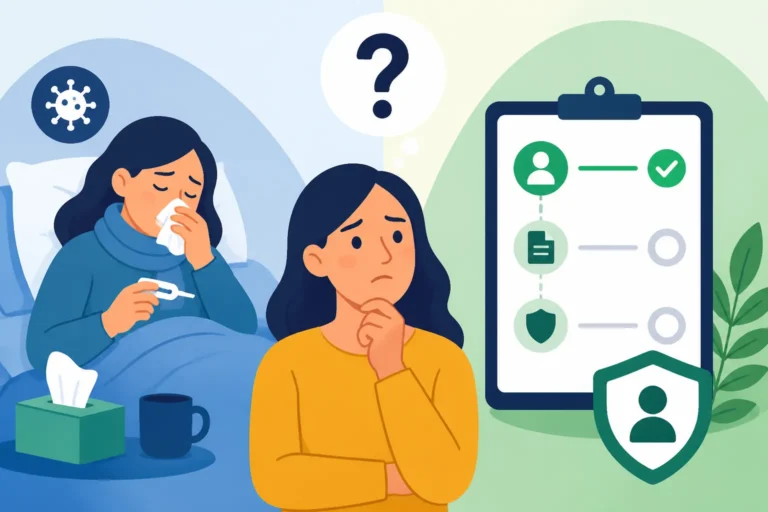
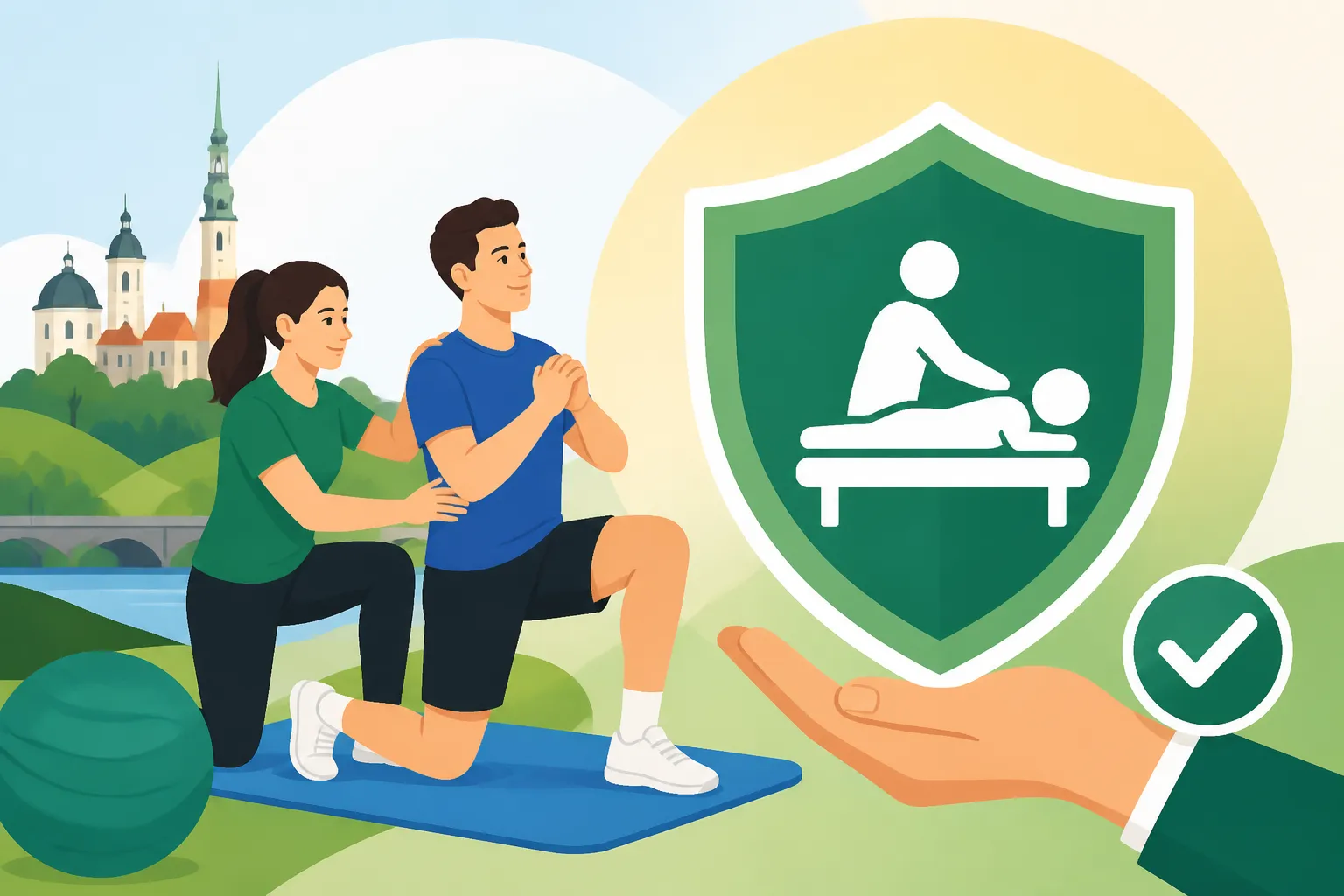
Imagine waking up with a searing pain in your lower back or realizing that a gym injury isn't just "soreness" but something requiring professional intervention. Navigating a foreign medical system while in pain is a nightmare. This guide solves that by breaking down exactly how to secure physiotherapy and rehabilitation in Lithuania, from getting public referrals to choosing private clinics.
Understanding the Foundations of Rehabilitation in Lithuania
When you first arrive in Lithuania, the term "rehabilitacija" might sound like something reserved for extreme post-stroke recovery or major accidents. However, the Lithuanian healthcare system uses this term broadly to encompass everything from basic physiotherapy (kineziterapija) to complex inpatient stays at specialized spa-town facilities. If you are struggling with chronic pain, a sports injury, or recovering from surgery, you need to understand that the system is tiered.
The first thing to realize is that you aren't expected to find a specialist on your own if you want the costs covered. The system is designed around a gatekeeper model. Whether you are in Vilnius, Kaunas, or a smaller town like Druskininkai, your journey almost always begins with your primary care provider. For many of us, the first hurdle is simply The Expat Guide to Finding a Family Doctor (Šeimos Gydytojas) in Lithuania so that you have someone to issue the necessary paperwork.
Publicly funded rehabilitation is managed through the Compulsory Health Insurance Fund (PSDF). If you are employed or self-employed and paying your monthly contributions, you are entitled to these services. However, "entitled" and "easily accessible" are two different things. The demand for physical therapy in public polyclinics is high, and the wait times can be frustratingly long. This is why many expats eventually look toward private options or specialized insurance like SafetyWing to bridge the gap when the public system moves too slowly.
The Role of the Family Doctor and the Physiatrist
In Lithuania, you cannot simply walk into a public hospital and demand physiotherapy. You need a "siuntimas" (referral). Your family doctor (šeimos gydytojas) will evaluate your condition first. If they agree that you need more than just painkillers, they won't usually refer you directly to a physiotherapist. Instead, they refer you to a Physical Medicine and Rehabilitation (PMR) physician, known as a physiatrist.
This PMR doctor is the one who actually designs your "program." They decide whether you need five sessions of massage, ten sessions of kineziterapija (exercise therapy), or specialized electrical stimulation. It feels like an extra bureaucratic step, but it is a mandatory part of Navigating the Lithuanian Healthcare System: An Expat's Roadmap (2027). Without the PMR doctor’s signature on your electronic record, the state will not pay a single cent for your treatment.
Levels of Rehabilitation Services
Lithuania categorizes rehabilitation into three main levels. Level I is usually ambulatory—meaning you go to the clinic, get your 30 to 45 minutes of exercise or treatment, and go home. This is the most common path for minor injuries or chronic desk-job related posture issues. It’s usually handled at your local "Poliklinika."
Level II and III are more intensive and often involve inpatient stays. This is one of the "hidden gems" of the Lithuanian system that many foreigners don't know about. If you have a serious condition, the state may pay for you to stay at a rehabilitation center in a resort town like Birštonas or Palanga. This isn't a holiday, but it certainly feels better than a standard hospital ward. Understanding How Lithuania's Health Insurance Fund (VLK/PSDF) Works: A Full Overview is crucial here, as they dictate the quotas for these stays.
Navigating the Public System via the Poliklinika
The "Poliklinika" is the heart of Lithuanian public healthcare. Every district in every major city has one. If you are living in Vilnius, you might be registered at the Centro Poliklinika or Antakalnio Poliklinika. These institutions are massive, often a bit labyrinthine, and can be intimidating if your Lithuanian is limited to "Ačiū" and "Labas." However, they are where the "free" (pre-paid via taxes) rehab happens.
Once you have your e-referral from the PMR doctor, you have to find a slot. This is the part that tests your patience. You will likely be using the national e-health portal to book these appointments. It’s highly recommended to learn How to Access My E-Sveikata Health Record Online in Lithuania early on, as it allows you to see your referrals and search for open slots across different clinics, not just the one you are registered at.
The E-Referral Maze
Everything in Lithuania is digital now. When your doctor says they have given you a referral, they mean they’ve uploaded it to the E-Sveikata system. You won't get a physical piece of paper in most cases. This referral is valid for 60 days. If you don't book your first consultation with the PMR physician within that window, the referral expires and you have to start the whole process over with your family doctor.
Many expats miss out because they didn't realize the clock was ticking. If you find that your local polyclinic has a three-month wait, remember that your referral is national. You can technically use it at any facility that has a contract with the Territorial Health Insurance Fund (TLK). Sometimes, taking a 20-minute bus ride to a clinic on the outskirts of the city can save you weeks of waiting. This is a key part of How to Access Specialist Care Through the Lithuanian Public System.
What is Actually Covered by the PSDF?
While the public system is comprehensive, it isn't "all you can eat." The PMR doctor will prescribe a specific set of procedures based on state-mandated "baskets." For a standard back injury, you might get a set of 10 kineziterapija sessions. If you want more, or if you want a specific type of high-end laser therapy that isn't in the "basket," you will have to pay the difference.
It is also worth noting that the public system often groups patients into small classes for exercise therapy. You might not get one-on-one attention for the full hour unless your condition is severe. If you are looking for a more personalized, private experience, you may need to look at Understanding Private Clinics and Medical Centres in Lithuania and compare those costs against what the public system offers.
| Feature | Public Poliklinika | Private Clinic |
|---|---|---|
| Cost | 100% covered by PSD | €30 – €70 per session |
| Wait Time | 2 – 8 weeks | 1 – 5 days |
| Referral Needed? | Yes (from Family Doctor) | Usually No |
| Language | Primarily Lithuanian/Russian | English usually available |
| Treatment Style | Group or short 1-on-1 | Dedicated 1-on-1 |
| Equipment | Standard/Functional | Often high-tech/Modern |
Private Physiotherapy: When Speed is a Necessity
Let's be realistic: if you are in acute pain, waiting six weeks for a "free" appointment isn't an option. This is where the private sector in Lithuania shines. Cities like Vilnius and Kaunas have a wealth of private physiotherapy clinics that offer world-class care, English-speaking staff, and appointments within 24 to 48 hours.
Clinics like "Gemma," "Affidea," or "InMedica" are popular choices among the expat community. While you will be paying out of pocket, the level of care is significantly more personalized. In a private setting, the physiotherapist will often spend a full hour with you, performing manual therapy, dry needling, or guided exercise tailored specifically to your body’s mechanics.
Costs and Payment Methods
In 2026, a standard 45-to-60-minute physiotherapy session in Vilnius costs between €40 and €65. If you require specialized equipment like shockwave therapy or specialized traction tables, the price can climb. Most of these clinics accept major credit cards, and many are used to dealing with international insurance providers.
If you are a digital nomad or a recent arrival waiting for your residency to process, you might not be in the public system yet. In this scenario, having a policy from SafetyWing can be a lifesaver. They often cover unexpected injuries that require rehabilitation, allowing you to bypass the public waitlists entirely. Always keep your receipts and a copy of the doctor's notes, as How to Claim Healthcare Cost Reimbursement in Lithuania often requires a very specific paper trail.
Choosing the Right Private Clinic
When searching for a clinic, don't just look at the price. Look for "Kineziterapijos klinika" or "Reabilitacijos centras." In Vilnius, the Northern Town (Šiaurės miestelis) area and the city center have the highest density of private providers. Many of these therapists have studied abroad and speak excellent English, which is a massive relief when you’re trying to explain the specific nuance of a muscle tear.
If you are an athlete, look for clinics that specialize in "Sporto medicina." These facilities have more advanced diagnostic tools and are better equipped to get you back to your routine. For those still getting their paperwork in order, remember that How to Get Your Asmens Kodas (Personal Code) and Why It Matters for Healthcare is still important for private clinics, as they use it to link your records in the national system.
Specialized Rehabilitation: The "Sanatorija" Culture
One of the most unique aspects of Lithuanian healthcare is the "Sanatorija" or wellness-based rehabilitation center. These aren't just spas; they are medical facilities staffed by doctors, nurses, and therapists. If you have undergone major surgery—like a knee replacement or heart surgery—the public system (PSD) will often cover a 2-to-3-week stay at one of these centers.
Towns like Druskininkai and Birštonas are the hubs for this. Facilities like "Eglės Sanatorija" or "Versmė" offer intensive rehabilitation programs that include mud baths, mineral water pools, and multiple daily physiotherapy sessions. For an expat, this can feel like a strange blend of a 1970s Soviet health retreat and a modern wellness hotel, but the medical results are often excellent.
Getting a Referral for Inpatient Rehab
To get the state to pay for a "Sanatorija" stay, the requirements are strict. Usually, this follows a hospital stay. Your hospital doctor will coordinate with the VLK (Health Insurance Fund) to see if there is a "quota" available. You don't get to choose your dates; you go when there is an opening.
If you want to go privately—perhaps for chronic burnout or general musculoskeletal health—you can simply book a "medical program" directly with the facility. These packages usually include room, board, and 5-6 treatments per day for about €100-€150 per day. For many, this is a more affordable way to access intensive therapy than paying for individual sessions in the city. Just make sure you understand The Cost of Healthcare in Lithuania: A Complete Breakdown for Foreigners (2026) before booking a long stay.
Post-Surgery Protocols
If you are scheduled for surgery in a Lithuanian hospital (Ligoninė), the rehabilitation plan starts almost the day after your procedure. The "kineziterapeutas" will visit your ward to get you moving. It is vital to communicate your goals clearly. If you plan to use private rehab after you are discharged, tell the hospital staff so they can provide the necessary medical extracts (Forma 027/a) for your private therapist.
Navigating this transition is much easier once you understand Understanding Hospital Care at a Lithuanian Ligoninė. The staff are generally efficient, but they won't always offer information unless you ask. Be proactive about your recovery plan.
Overcoming Language and Cultural Barriers in Rehab
One of the biggest frustrations for expats is the perceived "coldness" of the public medical staff. In a Lithuanian polyclinic, the interaction is often very brisk and clinical. This isn't rudeness; it’s just the local professional culture. Don't be discouraged if your physiotherapist doesn't engage in small talk. Their focus is on the movement and the treatment.
However, language remains a hurdle. While many younger therapists speak English, the administrative staff (the ones at the "Registratūra") often do not. If you are struggling, it is worth looking for How to Find an English-Speaking Doctor in Lithuania to act as your primary coordinator. Having a doctor who can write your referrals in a way that is clear and comprehensive helps the subsequent therapists understand your history without a translator.
Using Technology to Your Advantage
The Google Translate app is your best friend in a polyclinic. You can use the camera function to translate the signs on the doors or the printed exercise sheets you might be given. Additionally, the E-Sveikata portal can be translated using browser extensions, making it much easier to navigate your appointments.
If you are using private insurance like SafetyWing, their support teams can sometimes help clarify what documentation is needed from a Lithuanian provider to satisfy their claim requirements. This can save you the headache of going back to a clinic weeks later to ask for a stamp or a specific signature that was missing.
Consistency is Key
In Lithuania, there is a strong emphasis on "home exercises." Your therapist will likely give you a list of movements to do daily. In the public system, they might only see you once or twice a week, so the success of your rehabilitation depends heavily on your own discipline. Lithuanians take health seriously, and they expect patients to be active participants in their recovery.
Financial Considerations and Insurance
If you are working in Lithuania on a local contract, your PSD (Compulsory Health Insurance) is deducted automatically from your salary. This covers the bulk of your needs, but as we’ve discussed, the wait times are the "cost." For freelancers, the process is slightly different, and you should ensure you are Understanding Health Coverage for the Self-Employed in Lithuania to avoid any gaps in your coverage.
If you lose your "active" status in the PSD system, you are suddenly liable for the full cost of any medical service. A single visit to a PMR doctor could cost €50+, and each physio session another €50. This is why many expats maintain a secondary private insurance policy.
Private Insurance and SafetyWing
Private health insurance in Lithuania can be obtained through local companies like Ergo, BTA, or Gjensidige. These often come as a perk from IT or Fintech employers. They usually provide a "limit" (e.g., €500 per year) specifically for physiotherapy and massage.
For those who are not "settled" yet—perhaps you are on a Digital Nomad visa or searching for a job—SafetyWing provides a flexible alternative. It’s particularly useful because it covers you globally, not just within the Lithuanian borders. If you injure yourself while hiking in the Tatras but want to do your rehab back in Vilnius, a nomadic-focused policy is often more accommodating than a rigid local one.
Summary of Costs
| Service Type | Estimated Cost (Private) | PSD Coverage |
|---|---|---|
| PMR Doctor Consultation | €50 – €80 | 100% (with referral) |
| Physiotherapy (1 hour) | €45 – €70 | 100% (limited sessions) |
| Therapeutic Massage | €30 – €50 | Partial (medical only) |
| Inpatient Rehab (Per Day) | €90 – €160 | 100% (post-op only) |
| Acupuncture/Dry Needling | €40 – €60 | Rarely covered |
When you are weighing these costs, consider the long-term impact on your health. Paying €500 for a month of intensive private rehab is often a better investment than waiting three months for "free" care while your injury worsens. For more details on the financial side of things, check out The Cost of Healthcare in Lithuania: A Complete Breakdown for Foreigners (2026).
Important Disclaimer
The information provided in this guide is for informational purposes only and does not constitute medical or legal advice. Healthcare regulations, insurance policies (including those from providers like SafetyWing), and public health quotas in Lithuania are subject to change. Always consult with a qualified medical professional and verify current procedures with the National Health Insurance Fund (VLK) or your specific insurance provider before beginning any treatment. The author is an expat sharing personal experiences and research, not a licensed medical practitioner or insurance broker.