Can I Use Public Healthcare in Lithuania on a Work Visa?
Navigating the bureaucratic maze of a new country is exhausting, and nothing feels more high-stakes than your health. Many expats arrive in Vilnius or Kaunas on a work visa, only to realize that holding a visa sticker in your passport doesn't automatically grant you access to a doctor. This guide clarifies exactly when your public healthcare coverage begins, what happens if you get sick during your first week, and how to bridge the gap between landing and becoming fully insured.
The Reality of Healthcare Coverage for Work Visa Holders
When you first touch down in Lithuania on a National D visa for work, there is a common misconception that you are immediately integrated into the state healthcare system. In reality, the Lithuanian healthcare system is based on an insurance model known as PSD (Privalomasis Sveikatos Draudimas). To use the public system, you must be "active" in the Sodra database. This activity is almost always tied to your employment contract and the payment of social security taxes.
If you are working for a Lithuanian company under a standard employment contract, your employer is responsible for registering you with Sodra. Once they submit the necessary forms and your start date passes, you technically become an insured person. However, there is often a lag between the moment you sign your contract and the moment the public clinics see you as "insured" in their electronic systems. It is vital to understand How Lithuania's Health Insurance Fund (VLK/PSDF) Works: A Full Overview to avoid arriving at a clinic only to be told you must pay the full private rate out of pocket.
For those on a National D visa specifically, the coverage is strictly tied to your active employment. If your contract hasn't started, or if there is a delay in your paperwork, you are effectively uninsured in the eyes of the state. This is why many veteran expats recommend having a backup plan, like SafetyWing, to cover medical emergencies during those first few weeks of administrative transition. Relying solely on the hope that your HR department filed everything correctly on day one is a risk that can lead to significant stress if you happen to catch a winter flu or have a minor accident shortly after arrival.
National D Visa vs Temporary Residence Permit Access
A major point of confusion for newcomers is the difference between being in Lithuania on a National D visa versus holding a Temporary Residence Permit (TRP). While both allow you to work, the administrative "weight" they carry in the healthcare system differs. Most foreigners enter on a D visa and then apply for a TRP once they are on the ground. During the months you are waiting for your TRP card, your access to public healthcare is entirely dependent on your employer’s monthly Understanding PSD Contributions Through Sodra in Lithuania.
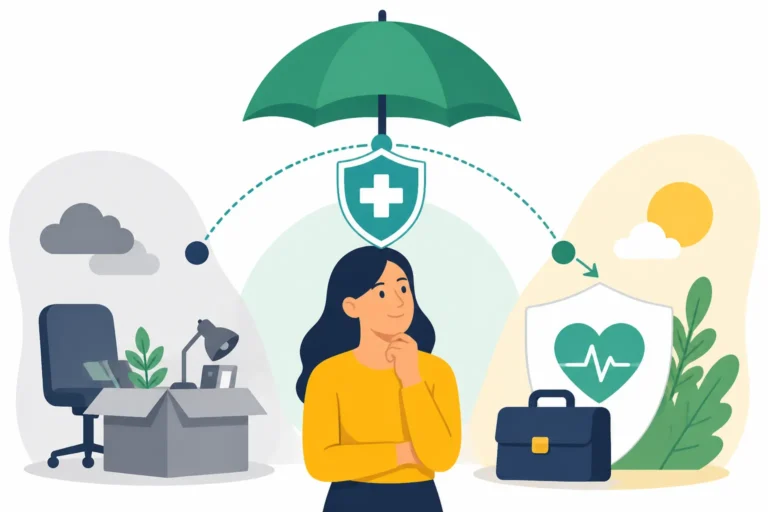
If you are on a National D visa and lose your job, your right to public healthcare vanishes almost immediately. Unlike EU citizens or permanent residents who might have grace periods or different paths to coverage, a work visa holder's health insurance is a direct "pay-as-you-go" system through their salary. Once you transition to a TRP, the process becomes slightly more stable as you are firmly in the national registry with a more permanent status, but the fundamental rule remains: no contributions, no "free" public care.
While you are in this transitional phase—moving from a visa to a residence permit—the system can be unforgiving. Expats can struggle with the e-health portal because their data hadn't synchronized between the Migration Department and the Health Insurance Fund. To mitigate this, keep digital copies of your employment contract and your latest payslips. If a polyclinic claims you aren't insured, showing proof of employment can sometimes help them manually verify your status with the VLK. In the interim, having a flexible insurance policy like SafetyWing can provide a safety net that covers you regardless of whether a clerk in a government office has hit the "enter" key on your file yet.
Essential Steps to Activate Your Public Healthcare Access
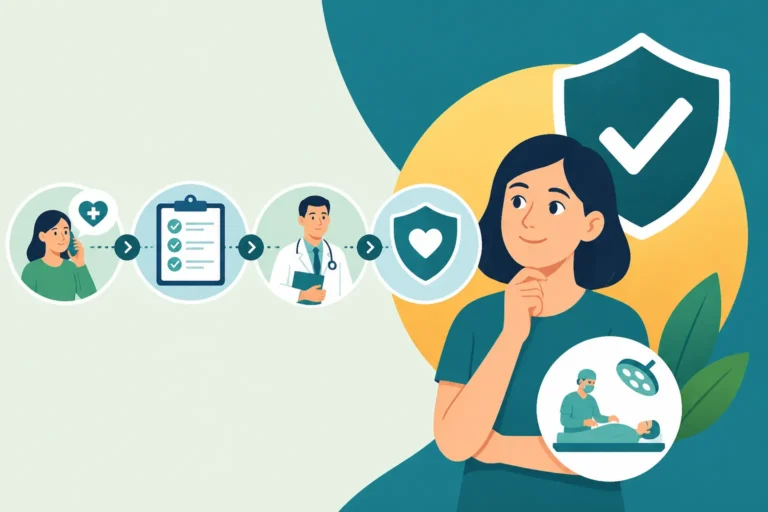
Simply having a job is the first step, but it is not the last. To actually walk into a doctor's office and receive treatment without a bill, you need to follow a specific sequence of actions. First and foremost, you must ensure you have your personal identification number. You cannot register with a state clinic without it, so understanding How to Get Your Asmens Kodas (Personal Code) and Why It Matters for Healthcare should be your top priority during your first 48 hours in the country.
Once you have your Asmens Kodas and your employer has confirmed your Sodra registration, you must "attach" yourself to a specific clinic. In Lithuania, healthcare is decentralized through a network of Poliklinikas. You aren't automatically assigned to one based on your address; you must physically go to a clinic, fill out an application, and choose a primary care physician. This is a critical step because The Expat Guide to Finding a Family Doctor (Šeimos Gydytojas) in Lithuania is the only way to get referrals to specialists or to have the state cover the cost of your visits.
After you are registered at a polyclinic, your doctor will be your gatekeeper. If you need to see a dermatologist, a cardiologist, or a physical therapist, you must first visit your family doctor to get a "siuntimas" (referral). Without this referral, even if you are fully insured, the state will not pay for the specialist visit, and you will be charged the "uninsured" rate. This digital system is all tracked via Understanding the E-Sveikata (E-Health) System in Lithuania, which is the national portal where your prescriptions and test results live.
| Healthcare Element | Public System (PSD) | Private/Expat Insurance (e.g., SafetyWing) |
|---|---|---|
| Eligibility | Requires employment & Sodra taxes | Available to anyone immediately |
| Primary Care | Must register at a specific Poliklinika | Choice of any private clinic/doctor |
| Specialists | Requires referral (Siuntimas) | Usually direct booking allowed |
| Wait Times | Can be weeks or months for specialists | Often same-day or same-week |
| Prescriptions | Subsidized via E-Receptas | Reimbursed based on policy terms |
| Emergency Use | Covered if PSD is active | Covered globally (depending on plan) |
Managing the Gap and Choosing Private Alternatives
The "gap period" is the time between your arrival in Lithuania and the moment your PSD coverage is officially active and you have successfully registered with a family doctor. This period can last anywhere from two weeks to two months. During this time, you are in a vulnerable position. If you require Emergency Medical Care in Lithuania: What Every Expat Needs to Know, the hospital will treat you, but you will be sent a substantial bill afterward if your PSD status is not "Draustas" (Insured).
Many expats choose to maintain a private policy like SafetyWing during their first year. This isn't just for the gap period; it's also because the public system, while high quality, can be slow. For instance, even if you are insured, the wait time for a routine MRI or a specialist consultation in the public sector can be frustratingly long. By having private coverage, you gain the ability to visit high-end private medical centers like Grybo gatvė or Kardiolita without worrying about the high out-of-pocket costs.
Furthermore, private insurance is often a requirement for the visa application itself. When you apply for your National D visa at a consulate abroad, they will demand proof of health insurance that meets specific Euro-denominated coverage limits. Health Insurance in Lithuania: Compulsory, Private and Travel Options Explained is a topic you should research before you even book your flight. While the state PSD will eventually become your primary coverage, private options like SafetyWing offer the flexibility that a rigid, employment-based state system simply cannot provide, especially when it comes to medical repatriation or coverage while traveling outside of Lithuania.
Navigating Specialists and Prescriptions on a Work Visa
Once you are safely inside the public system, you need to learn how to use it effectively. The Lithuanian system is referral-heavy. I remember trying to see a specialist for a recurring sports injury and being baffled that I couldn't just call the hospital and book an appointment. You must understand How to Access Specialist Care Through the Lithuanian Public System to avoid unnecessary costs. Your family doctor must enter a digital referral into the E-Sveikata system, which then allows you to book an appointment at any public institution in the country.
Prescriptions are another area where the work visa status matters. In Lithuania, most medications are dispensed via an electronic system. If your doctor prescribes something, they don't give you a piece of paper; they upload it to your profile. When you go to a pharmacy (Vaistinė), you simply show your ID or residence card. The pharmacist then sees your Understanding the Electronic Prescription (E-Receptas) System in Lithuania and provides the medicine. If you are correctly insured through your work visa, many chronic medications are heavily subsidized by the state, sometimes costing only a few euros.
However, if your work visa status is ever in question—for instance, if you are between jobs or your employer is late on tax payments—your "insured" status in the E-Sveikata system may flip to "uninsured." In this scenario, the pharmacy will charge you the full market price for your medication. This is another reason why maintaining a relationship with your HR department and regularly checking your status on the VLK portal is essential for any expat living in Lithuania.
Important Disclaimer
The information provided in this guide is for general informational purposes only and does not constitute legal or professional medical advice. Healthcare regulations, visa requirements, and tax laws in Lithuania are subject to frequent change. Always verify your insurance status directly with the Territorial Health Insurance Fund (Territorinė ligonių kasa) and consult with your employer’s HR department regarding your specific social security contributions. The author and publisher are not responsible for any actions taken based on the content of this article.