Where Can I Find an English-Speaking Family Doctor in Vilnius?
Moving to a new city like Vilnius is an exhilarating experience until you wake up with a persistent fever or a sudden health concern and realize you have no idea who to call. Navigating the Lithuanian healthcare system as a foreigner can feel like deciphering a complex code, especially when you are searching for a family doctor who not only understands your symptoms but speaks your language. This guide provides a direct roadmap to finding an English-speaking family doctor in Vilnius, explaining the differences between public and private options, and detailing the exact registration steps required to get you the care you need.
The Reality of Finding an English-Speaking Doctor in Vilnius
When you first arrive in Lithuania, the healthcare landscape can appear a bit daunting. The system is built around the "šeimos gydytojas" or family doctor, who acts as the primary gatekeeper for all other medical services. If you need to see a cardiologist, a dermatologist, or even get a simple blood test, everything typically starts with your family doctor. For many expats, the primary fear is being stuck in a consultation where you cannot adequately explain your medical history due to a language barrier.
In Vilnius, the availability of English-speaking doctors has improved significantly over the last decade, but it remains uneven. Most younger physicians, particularly those practicing in private clinics, are highly proficient in English. However, in the public sector, it is a bit of a lottery. While the medical expertise in Lithuania is world-class, the administrative staff in public polyclinics may still primarily speak Lithuanian or Russian. This is why many newcomers start by looking for specific recommendations or opting for private facilities where English is the standard for international patients.
If you are just settling in and haven't yet sorted your local insurance, it is worth considering a flexible option like SafetyWing to cover any gaps. Having a safety net while you navigate the local registration process can save you a lot of stress. Understanding the nuances of How to Find an English-Speaking Doctor in Lithuania is the first step toward feeling at home in the capital. You have to decide whether you want to go through the public system, which is cost-effective if you are paying taxes, or the private system, which offers more convenience and immediate English support.
Public Polyclinics vs Private Medical Centres
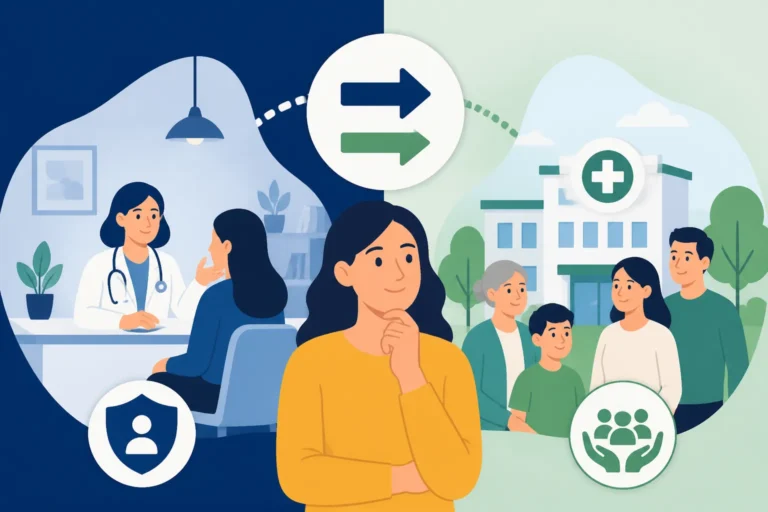
The choice between a public "poliklinika" and a private medical center is the most significant decision you will make regarding your healthcare. Public polyclinics are large, multi-functional buildings where you can find everything from your family doctor to X-ray machines and specialized surgeons. If you are employed in Lithuania and paying into the Compulsory Health Insurance (PSD) fund, these services are essentially free at the point of use. However, wait times can be longer, and the "customer service" experience is more functional than pampered.
Private clinics, on the other hand, operate much like premium services in Western Europe or North America. They are modern, often located in the central business districts or trendy neighborhoods like Užupis and Žvėrynas, and almost everyone from the receptionist to the nurse speaks English. For many expats, the decision often comes down to a comparison of Public vs Private Healthcare in Lithuania: Which Should Expats Choose?. If you have private insurance or are willing to pay out-of-pocket for speed and linguistic comfort, private is the way to go. If you are on a budget and have the patience to navigate some bureaucracy, the public system is robust and reliable.
The Language Barrier in the Public Sector
While it is always wise to encourage expats to learn basic Lithuanian phrases, a medical emergency is not the time to be practicing your declensions. In public polyclinics, you might find that your doctor speaks excellent English, but the person answering the phone to book the appointment does not. This is a common point of frustration that leads many to give up on the public system entirely.
To mitigate this, many foreigners bring a Lithuanian-speaking friend for their first registration visit or use online booking systems where available. It is also important to recognize that the Lithuanian medical culture is very professional but can be perceived as "direct." Don't mistake a lack of small talk for a lack of care. Once you find a doctor you trust, the relationship becomes much easier. For those who are still waiting for their official residency documents to clear, using a provider like SafetyWing can offer peace of mind, as they are accustomed to dealing with international clinics and can help bridge the gap until you are fully integrated into the local PSD system.
Top Private and Public Clinics for Expats in Vilnius
Vilnius is home to several high-end private clinics that specifically cater to the international community. These institutions have built their reputation on being "expat-friendly," ensuring that every touchpoint of the patient journey is accessible in English. If you are looking for a The Expat Guide to Finding a Family Doctor (Šeimos Gydytojas) in Lithuania, these locations should be at the top of your list.
| Clinic Name | Type | Primary Location | Known For |
|---|---|---|---|
| Centro Poliklinika | Public | Pylimo g. 3 | Central location, most English-friendly public option. |
| Northway Medical | Private | S. Žukausko g. 19 | Extremely modern, wide range of specialists, high English proficiency. |
| Kardiolita Hospital | Private | Laisvės pr. 64A | High-end surgery and diagnostics, very efficient. |
| InMedica | Private Chain | Multiple (e.g., Vivulskio g.) | Convenient locations, standardized care, English-speaking GPs. |
| Antakalnio Poliklinika | Public | Antakalnio g. 59 | Good specialist departments, large facility. |
Recommended Private Clinics for Expats
Northway Medical Centre is often cited as the gold standard for expats in Vilnius. Located in the Žirmūnai district, it feels more like a boutique hotel than a hospital. They have a dedicated international patient department, and you can easily find a family doctor who has studied or worked abroad. Their system is fully digitized, and you can often get an appointment within 24 to 48 hours.
Another excellent choice is the InMedica network. Because they have clinics scattered throughout the city, you can usually find one within walking distance of your apartment. They offer specific packages for "prisirašymas" (registration) that make the process very transparent. If you choose this route, it is helpful to read up on Understanding Private Clinics and Medical Centres in Lithuania to see how their billing and membership structures work compared to the public system. Private clinics are also very helpful if you are using an international insurance plan like SafetyWing, as they provide detailed English invoices that are easy to submit for reimbursement.
Navigating Central Vilnius Poliklinika
If you prefer to stay within the public system, the "Centro Poliklinika" on Pylimo Street is the most common choice for foreigners living in the Old Town or Naujamiestis. Because of its location, the staff there sees more non-Lithuanian patients than almost any other public clinic in the country. They even have a specific procedure for registering foreigners, and while not every doctor there is fluent in English, they will usually make an effort to pair you with one who is.
The Antakalnio Poliklinika is another large public institution that serves a massive portion of the city. It is particularly well-regarded for its pediatric department. If you have children, finding a family doctor here can be a great way to ensure they have access to the full range of public health services and vaccinations. Before heading over there, make sure you know How to Choose and Register with a Family Doctor (Šeimos Gydytojas) in Lithuania so you have all your paperwork ready to go.
The Step by Step Guide to Registering for Healthcare
Registration, or "prisirašymas," is the formal process of tethering yourself to a specific clinic and a specific family doctor. You cannot just walk into a clinic when you are sick and expect to be seen for free; you must be registered in their database first. This is where many expats get tripped up by the paperwork.
The first thing you need is a legal right to reside in Lithuania. This means either an EU registration certificate or a Temporary Residence Permit (TRP) for non-EU citizens. Along with this, you will be issued an Asmens Kodas (personal code). This code is the "key" to your entire life in Lithuania, including your medical records. If you are unsure of the timeline for getting these documents, check out How Do I Register for PSD After Moving to Vilnius? to ensure you aren't paying out-of-pocket for services that should be covered.
Essential Documents and Requirements
When you go to the clinic to register, you need to bring three main things: your passport or residence card, your Asmens Kodas, and proof of health insurance. If you are working for a Lithuanian company, your insurance (PSD) is automatically handled through your salary deductions. If you are self-employed or a digital nomad, you must pay this monthly yourself via Sodra.
For those who are in the "in-between" stage—perhaps your residence permit is still being processed or you are a digital nomad on a temporary stay—standard Lithuanian public insurance might not be an option yet. This is exactly where SafetyWing shines. It provides the necessary coverage for your visa requirements and ensures you can access private clinics without fear of massive bills while your local paperwork is in the works. It is also vital to keep your Health Insurance in Lithuania: Compulsory, Private and Travel Options Explained handy so you know exactly what is covered under each category.
The Registration Process Step-by-Step
- Select Your Clinic: Choose between a public polyclinic or a private medical center.
- Choose Your Doctor: You can often look up the list of doctors on the clinic's website. Look for those who list English as a spoken language.
- Visit the Reception: Go to the "Registratūra" (reception). Tell them "Norėčiau prisirašyti" (I would like to register).
- Fill Out the Forms: You will be given a form to fill out with your personal details and your choice of family doctor.
- Pay the Registration Fee: In public clinics, there is a symbolic fee (usually around 1-2 Euros) to open your file.
- Wait for Confirmation: It usually takes a few days for the central database to update. Once it does, you can book your first "check-up" appointment.
This process is generally the same across the country, though private clinics might allow you to do some of this online or via email. If you encounter any issues with your insurance status during this process, double-check your records with Sodra or your private provider.
Navigating the Referral System and Digital Health Tools
Once you have your family doctor, the next challenge is understanding how to actually use the system. Lithuania uses a referral-based system known as "siuntimas." If you have a skin rash and want to see a specialist, you generally cannot just call a public dermatologist directly. You must first see your family doctor, who will issue an electronic referral in the system.
This referral is valid for a certain period (usually 30 to 60 days) and allows you to book a specialist at any clinic in the country that has a contract with the National Health Insurance Fund. This is a very flexible part of the Lithuanian system; even if you are registered at a public polyclinic, your "siuntimas" might allow you to see a specialist at a different public clinic if they have a shorter waiting list.
Leveraging the E-Sveikata System
Lithuania is one of the most digitized nations in the world, and its health system reflects this. The central portal is called E-sveikata. Every time you see a doctor, get a prescription, or have a blood test, the results are uploaded here. You can log in using your E-government gateway (via mobile ID or internet banking) to see your entire medical history.
Understanding the E-Sveikata (E-Health) System in Lithuania is a game-changer for expats. It allows you to show your records to doctors back home or to specialists in Lithuania without carrying around physical folders of paper. It also handles electronic prescriptions (e-receptas). When your doctor prescribes something, you simply go to any pharmacy (Vaistinė), show your ID card, and they see the prescription in their computer. It is incredibly efficient.
Practical Tips for Your First Appointment
When you finally sit down with your English-speaking doctor in Vilnius, be prepared to be your own advocate. Lithuanians value efficiency, so have a list of your symptoms and any medications you are currently taking ready. If you are using international health insurance like SafetyWing, make sure to mention this if the clinic needs to provide specific documentation for your claim.
Always ask for a summary of the visit to be entered into E-sveikata. If the doctor gives you a referral, ask them to explain how to book the follow-up. In many cases, the doctor can see the wait times for specialists in their computer and help you pick the best location. Don't be afraid to ask, "Is there an English-speaking specialist you recommend?" Doctors in the expat community often know which of their colleagues are most comfortable communicating in English. With a bit of preparation and the right registration, the Vilnius healthcare system will transform from a source of stress into a reliable support system for your life in Lithuania.
Disclaimer
The information provided in this guide is for informational purposes only and does not constitute professional medical or legal advice. Healthcare regulations, clinic policies, and doctor availability in Lithuania are subject to change. While we strive to provide the most up-to-date facts, readers are encouraged to verify specific details with the Lithuanian Migration Department, the National Health Insurance Fund (VLK), or their chosen medical provider. We are not responsible for any actions taken based on the content of this article. Always consult with a qualified healthcare professional regarding any medical concerns or conditions.