Can I Get a Flu Vaccine at a Pharmacy in Lithuania?
Navigating the bureaucratic maze of the Lithuanian medical system can feel like a full-time job, especially when the grey clouds of a Baltic winter start rolling in. Many expats find themselves wondering if they really need to book an appointment weeks in advance at a busy clinic just for a simple flu shot. This guide explains exactly how to get vaccinated at a pharmacy in Lithuania, ensuring you stay protected without the administrative headache.
The Reality of Pharmacy Vaccinations in Lithuania
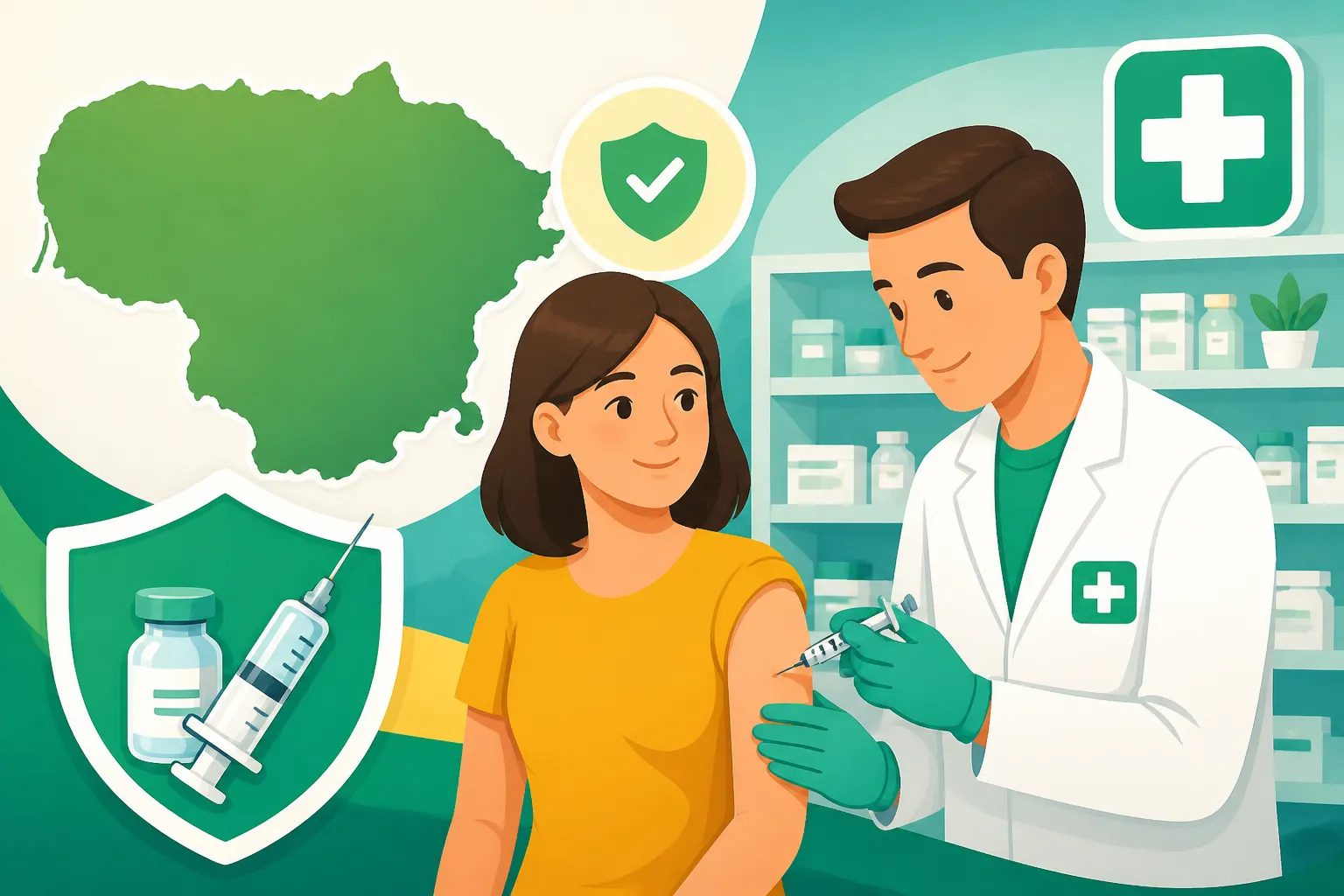
For a long time, the only way to get a flu vaccine in Lithuania was to visit a primary care center or a private clinic. However, the system has evolved significantly in recent years to become more accessible to the general public. Today, many major pharmacy chains across the country are licensed to provide vaccination services directly on-site. This change was largely driven by a desire to decentralize healthcare and make preventative measures like the flu shot more convenient for the average person, including international residents who might struggle with the traditional polyclinic system.
The "vaistinė" (pharmacy) is often the first point of contact for health issues in Lithuania. You will find them on nearly every street corner in cities like Vilnius, Kaunas, and Klaipėda. Chains such as Eurovaistinė, Camelia, Gintarinė vaistinė, and BENU often have dedicated treatment rooms or "health hubs" where a certified pharmacist can administer the vaccine. This is a game-changer for those of us who have spent hours in a waiting room at a public clinic. It is worth noting that while the service is widespread, not every single branch will have a certified specialist on duty at all times, so a little bit of planning is still required.
If you are a newcomer and haven't yet navigated the complexities of Registering for Compulsory Health Insurance (PSD) in Lithuania (2027), you might feel a bit exposed. In these early days of relocation, having a flexible plan from a provider like SafetyWing can be incredibly helpful for bridging the gap until your local coverage is fully active. They understand the lifestyle of someone moving between borders, which is often much more straightforward than trying to explain your lack of a local ID to a busy pharmacist.
Which Pharmacies Offer the Service
Not all pharmacies are created equal when it comes to medical procedures. Generally, you need to look for the larger "Apotheka" style branches located in major shopping malls like Akropolis or Panorama. These locations have the space and the specialized staff required by the Ministry of Health. When you walk into a pharmacy, look for signs that say "Vakcinacija" or "Skiepai." If you are unsure, simply asking "Ar čia galima pasiskiepyti nuo gripo?" (Can I get a flu shot here?) will usually get you a quick answer.
Seasonal Availability and Timing
The flu vaccine in Lithuania is typically available starting in late September or early October. This is the peak time to get protected before the peak flu season hits in January and February. Because the stock is managed based on seasonal demand, it is highly recommended to get your shot before December. If you wait until the depths of winter, you might find that many pharmacies have already exhausted their supplies, leaving you to hunt through smaller towns or wait for the next shipment.
The Step-by-Step Vaccination Process for Foreigners
Getting your flu shot at a pharmacy is designed to be efficient, but as an expat, you need to ensure your paperwork is in order to avoid being turned away. The most critical piece of information you will need is your "asmens kodas" (personal code). This eleven-digit number is the key to the entire Lithuanian digital infrastructure. Without it, the pharmacist cannot log your vaccination into the national health database, which is a legal requirement for most providers.
If you are still waiting for your residence permit, you should check out How to Get Your Asmens Kodas (Personal Code) and Why It Matters for Healthcare to understand why this number is so vital. Even if you are paying out of pocket, the system needs a way to track who has received what medication. If you are in Lithuania on a shorter stay and don't have a personal code yet, you can still find private clinics that will accommodate you, but the convenience of a high-street pharmacy might be restricted to those with local registration.
For those who are just visiting or are in the middle of their visa process, having international coverage like SafetyWing is a smart move. While they are known for travel medical insurance, they offer the kind of support that makes navigating foreign pharmacies much less stressful if you encounter any unexpected complications or need to seek further medical advice after a reaction to a vaccine.
Booking Your Appointment
While some pharmacies allow walk-ins, it is almost always better to book online. The major chains have user-friendly websites where you can select a specific time slot and location. Usually, the booking interface is in Lithuanian, but browser translation tools handle these sites quite well. You will need to provide your name, phone number, and sometimes your personal code during the booking process. Once confirmed, you’ll receive an SMS or email with your appointment details.
What Happens During the Visit
When you arrive at the pharmacy, head to the main counter and let them know you have a vaccination appointment. You will be asked to fill out a short health questionnaire, which includes questions about allergies and recent illnesses. This form is often in Lithuanian, so having a translation app ready is a good idea. After the paperwork is done, a pharmacist will take you to a private room, explain the potential side effects, and administer the shot. The whole process usually takes less than 15 minutes, including the observation period afterward.
Documentation and E-Health Updates
One of the best features of the Lithuanian system is its digital integration. Once the pharmacist completes the procedure, they will upload the data to the national portal. You can later verify this by Understanding the E-Sveikata (E-Health) System in Lithuania. This digital record is useful if you ever need to prove your vaccination status for work or travel. If you don't see the update within 48 hours, it's worth going back to the pharmacy with your receipt to ensure there wasn't a typo in your personal code.
Costs and Insurance Coverage Explained
Understanding the financial side of Lithuanian healthcare is often the most confusing part for expats. The cost of a flu vaccine at a pharmacy typically ranges from 15 to 25 Euros. This fee usually covers both the vaccine itself and the administration service. Compared to many Western European countries or the US, this is remarkably affordable. However, whether or not you can get this for free depends entirely on your insurance status and your age/health category.
If you are employed in Lithuania and paying your taxes, you are covered by the Compulsory Health Insurance (PSD). You can learn more about this by reading How Lithuania's Health Insurance Fund (VLK/PSDF) Works: A Full Overview. Under the public system, certain high-risk groups—such as the elderly, pregnant women, and people with chronic illnesses—are entitled to free flu vaccinations. However, these free shots are almost always administered through your registered "Poliklinika" rather than a commercial pharmacy.
| Service Type | Estimated Cost | Availability | Best For |
|---|---|---|---|
| Public Polyclinic (High Risk) | Free | Limited (by appointment) | Residents with PSD in risk groups |
| Public Polyclinic (Standard) | 10 – 15 EUR | Limited (by appointment) | Registered residents on a budget |
| Commercial Pharmacy | 18 – 25 EUR | High (Walk-in/Online) | Working professionals and busy expats |
| Private Medical Centre | 25 – 40 EUR | High (Flexible hours) | Those seeking English-speaking staff |
For most working-age expats, the pharmacy route is the preferred option because the time saved is worth the small out-of-pocket expense. Even if you have PSD, the "free" route often involves Understanding the Role of the Polyclinic (Poliklinika) in Lithuania, which can mean navigating a much more complex bureaucracy and potentially long wait times. If you are covered by a private plan or an international provider like SafetyWing, you might be able to claim these costs back depending on your specific policy, although flu shots are often considered routine maintenance rather than emergency care.
Paying for Your Vaccine
Most pharmacies accept all major credit cards and cash. If you need a formal invoice (sąskaita-faktūra) for your employer or private insurance reimbursement, make sure to ask for it before the transaction is processed. You will need to provide your full name and sometimes your address or personal code for the invoice to be legally valid for tax or insurance purposes.
The Role of Private Insurance
Many tech companies in Lithuania provide private health insurance as a perk. If you have a card from a provider like Ergo, Gjensidige, or Compensa, check their app first. Many of these plans include a "wellness" or "vaccination" budget that covers 100% of the cost at partner pharmacies. This makes the process completely seamless; you simply show your insurance card at the pharmacy counter, and they handle the billing directly. If you are self-employed or still in the transition phase, SafetyWing remains a robust choice for general medical safety while you figure out which local private add-on suits your lifestyle best.
Navigating Language Barriers and Cultural Norms
One of the biggest anxieties for foreigners in Lithuania is the language barrier. While younger pharmacists in cities like Vilnius usually speak excellent English, you may encounter staff who are more comfortable in Lithuanian or Russian. Don't let this deter you. The vaccination process is very standardized, and most of the interaction can be handled with a few key phrases or a translation app.
It is also important to understand the cultural context of the "vaistinė." Lithuanians take their pharmacy visits seriously. You might see a queue of people asking for detailed advice on every herbal tea and vitamin supplement available. Be patient. When it is your turn, the pharmacist will give you the same dedicated attention. It's also worth checking Understanding the Lithuanian Pharmacy (Vaistinė) System and Opening Hours to ensure your chosen location doesn't close for a lunch break or have special weekend hours.
If you are particularly nervous about the language, you might prefer How to Find an English-Speaking Doctor in Lithuania and get your shot at a private clinic instead. However, the convenience of the pharmacy is hard to beat once you've done it once. Most expats find that the pharmacists are very helpful and accustomed to dealing with the international community, especially in the central districts.
Common Lithuanian Terms for Your Visit
- Gripas – Flu
- Skiepai / Vakcina – Vaccine
- Registracija – Registration / Appointment
- Asmens dokumentas – ID document
- Sveikatos apsauga – Healthcare
- Šalutinis poveikis – Side effect
What to Expect Post-Vaccination
After your shot, the pharmacist will likely ask you to wait in the pharmacy for about 10 to 15 minutes. This is a standard safety precaution to ensure you don't have an immediate allergic reaction. Use this time to browse the aisles for some "arbata" (tea) or vitamin C, which are Lithuanian staples for surviving the "peršalimas" (common cold) season. If you feel any dizziness or unusual pain, don't hesitate to alert the staff immediately.
Managing Your Digital Health Record
After your visit, make sure to log into the patient portal to see your updated records. This is covered in detail in How to Set Up Your Account on the Patient Portal in Lithuania. Having your flu shot recorded digitally is not just about bureaucracy; it helps your The Expat Guide to Finding a Family Doctor (Šeimos Gydytojas) in Lithuania keep an accurate history of your preventative care. If you move clinics or change doctors later, your vaccination history follows you automatically through the E-Sveikata system, saving you from having to remember exactly which brand of vaccine you received three years ago.
Why the Pharmacy Route is Best for Expats
For the modern expat, time is the most valuable currency. Between the challenges of Learning Lithuanian: A Complete Guide to Language Courses and Levels and managing a career in a new country, spending a half-day at a public polyclinic is rarely attractive. The pharmacy vaccination program represents the best of modern Lithuania: it’s digital, efficient, and located exactly where you already spend your time.
If you have your residence permit and your personal code, the process is as simple as a few clicks and a ten-minute visit. Even if you are still in the "tourist" or "nomad" phase, the availability of private options ensures you don't have to go unprotected during the harsh winter months. Just remember to stay proactive; the flu doesn't wait for your residency paperwork to be finalized.
Staying healthy in Lithuania requires a bit of local knowledge and the right tools. Whether it’s using the e-health portal to track your records or relying on a flexible provider like SafetyWing to cover you while you're between systems, being prepared is the key to enjoying your time in this beautiful Baltic nation. So, don't wait for the first snow to fall—book your appointment at the nearest Eurovaistinė or Camelia and cross one more thing off your expat to-do list.
Disclaimer
This guide is for informational purposes only and does not constitute professional medical or legal advice. Healthcare regulations and pharmacy services in Lithuania can change; always verify current requirements with the Lithuanian Ministry of Health or your local healthcare provider. The mention of insurance providers is based on general expat utility and does not replace a thorough review of your own policy terms.