How Do I Use an E-Receptas at a Pharmacy in Lithuania?
When you first move to Lithuania, the transition from paper-based systems to the highly digitized Baltic infrastructure can be a bit of a culture shock. You might find yourself standing in a doctor’s office, waiting for a signed slip of paper for your medication, only to have the doctor tell you it is already "in the system." This guide demystifies the e-receptas process so you can navigate any pharmacy with confidence.
The Foundation of Digital Health in Lithuania
The backbone of the medical experience here is the E-Sveikata system. For a newcomer, it can feel like a black box. In many countries, you carry your medical history in a folder or wait for faxes between clinics. In Lithuania, everything from your blood test results to your latest prescription is tied to your personal identity number. This digital-first approach is incredibly efficient once you understand the mechanics, but it offers very little hand-holding for those who grew up with paper scripts.
What is an E-Receptas exactly
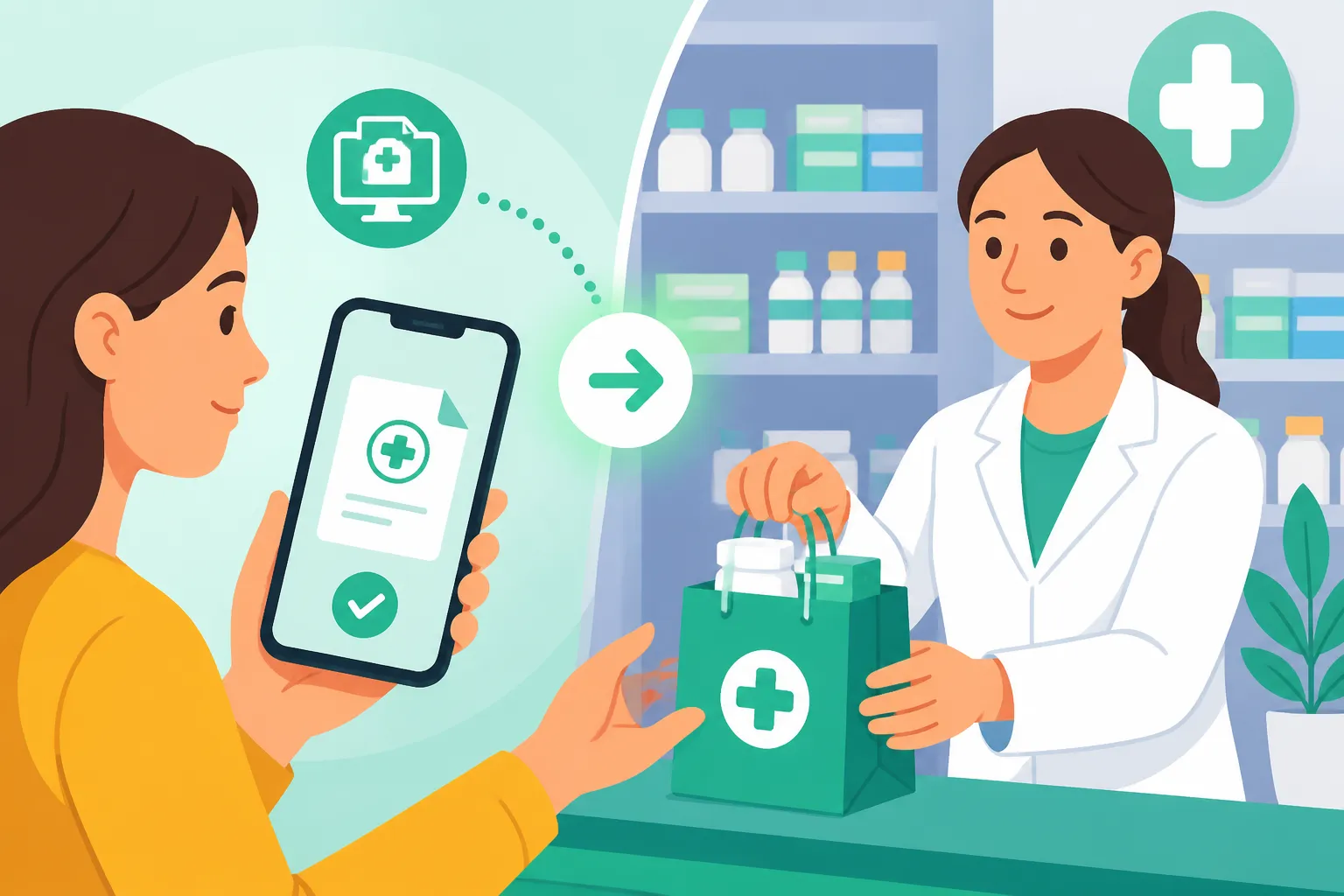
An e-receptas is an electronic prescription. Instead of a physical document, your doctor enters the medication details, dosage, and instructions directly into a national database. This record is then linked to your asmens kodas. When you walk into a pharmacy, you don't hand over a piece of paper; you hand over your ID card. The pharmacist scans it, sees the active prescriptions in your name, and fetches the medicine. It sounds simple, but the prerequisite is having that identification.
If you are still waiting for your residency documents, you might find yourself in a gray area. This is where having a reliable bridge is essential. For many digital nomads and new arrivals, using a service like SafetyWing can provide the necessary medical coverage and support while you navigate the local registration hurdles. Understanding how to bridge the gap between your arrival and your full integration into the system is a vital part of the expat journey.
The Role of the Asmens Kodas
You cannot interact with the e-receptas system effectively without an identification number. This number is the key to almost every administrative door in the country. We have detailed the importance of this in our guide on How to Get Your Asmens Kodas (Personal Code) and Why It Matters for Healthcare. Without it, doctors often have to issue "paper" prescriptions, which are becoming increasingly rare and sometimes confuse younger pharmacists who are used to the digital workflow.
If you are a non-EU citizen on a visa, you must ensure your insurance is recognized so the doctor can at least issue a private prescription. While the public system is robust, many expats initially rely on private clinics where the English proficiency is higher. Even in private clinics, the prescription will be digital if you have your residency sorted. If you are just starting out, checking How to Access Healthcare on a Work Visa in Lithuania will help you understand your rights and the documentation required.
Accessing the E-Sveikata Portal
One of the best things you can do for your peace of mind is to learn how to log into the patient portal. This allows you to see your prescriptions before you even leave your house. You can see the expiration date of the prescription, how many refills are left, and the exact dosage instructions. This is particularly helpful because, let’s be honest, sometimes the verbal instructions given in a busy clinic can be hard to remember, especially if there was a slight language barrier.
You can find more details on this in our article on How Do I Access My E-Sveikata Health Record Online in Lithuania?. Most people log in using their Mobile ID or Smart-ID, which are tied to their Lithuanian bank accounts. If you haven't set these up yet, navigating the health system will be significantly more difficult.
The Step-by-Step Pharmacy Visit
Once your doctor has confirmed that the prescription is "in the system," you are free to go to any pharmacy (vaistinė) in the country. There is no need to stay near the clinic or go to a specific branch. Whether you are in the heart of Vilnius Old Town or a small village in the south, the database is national.
Choosing Your Vaistinė
Lithuania has several major pharmacy chains, and they aren't all created equal when it comes to price and stock. The most common names you will see are Eurovaistinė, Camelia, Gintarinė Vaistinė, and Benu. Most of these have loyalty cards that offer significant discounts, often up to 20% or 30% on non-prescription items and certain supplements.
| Pharmacy Chain | General Vibe | Loyalty Program |
|---|---|---|
| Eurovaistinė | Usually large, well-stocked, often found in Akropolis/Maximas. | "Mylimiausia" card (shared with other retailers). |
| Camelia | Known for being the "budget" option with frequent "happy hour" discounts. | Own loyalty card; very popular for price-conscious shoppers. |
| Gintarinė Vaistinė | Mid-range, very common in residential neighborhoods. | Often has good deals on skincare and vitamins. |
| Benu | Often found in posh areas or malls; very professional branding. | "Benu" card; carries many high-end European dermacosmetic brands. |
If you are looking for specific opening times or locations, our guide on Understanding the Lithuanian Pharmacy (Vaistinė) System and Opening Hours provides a detailed breakdown of which pharmacies are open 24/7—a life-saver when a fever strikes at 2 AM.
At the Counter: What to Say and Do
When you approach the pharmacist, you don't need a complex Lithuanian sentence. You can simply say, "Laba diena, norėčiau atsiimti receptą" (Hello, I'd like to pick up a prescription), and hand over your residence permit or ID card. The pharmacist will scan the barcode on your card.
They will likely ask you if you want the cheapest option or a specific brand. In Lithuania, many medications are "compensated" by the state if you have social insurance. This means the government pays for a portion of the drug. However, the government usually only compensates the price of the "base" or generic version of the medicine. If you want a specific brand-name drug (like original Lexapro vs. generic Escitalopram), you will have to pay the "premium" difference out of your own pocket.
Understanding the E-Receptas Expiry
Don't wait too long to pick up your meds. Standard prescriptions for acute illnesses (like antibiotics) usually expire within 10 to 15 days. Chronic medication prescriptions can last for 30, 90, or even 180 days, depending on what the doctor authorized. If the prescription expires, the pharmacist cannot "revive" it; you will have to call your family doctor to have them issue a new one in the system. This is a common frustration for expats who are used to prescriptions lasting a full year. To avoid these issues, make sure you are properly registered with a local clinic. You can learn more about this in The Expat Guide to Finding a Family Doctor (Šeimos Gydytojas) in Lithuania.
Dealing with Costs and Insurance
The cost of medication in Lithuania is generally lower than in the US or UK, but if you are buying specialized medication, it can still add up. How much you pay depends entirely on your insurance status and the type of drug.
Reimbursed vs. Private Prescriptions
If you are working in Lithuania and paying into the PSDF (Compulsory Health Insurance Fund), you are entitled to subsidized medicine. The doctor must mark the prescription as "compensated" for this to apply. If you are seeing a private doctor who is not part of the state system, they will issue a "private" e-receptas. You will pay the full market price for these, which can sometimes be double or triple the compensated price.
For those who are self-employed or recently arrived, understanding the monthly PSD contribution is crucial to keeping these costs down. You can find more info on How Lithuania's Health Insurance Fund (VLK/PSDF) Works: A Full Overview to see if you qualify for these subsidies. If you are currently uninsured or waiting for your PSD to kick in, a private policy like SafetyWing can be a financial safety net, though you will likely pay for the meds upfront and claim them back later.
Payment and Receipts
Once the pharmacist finds your prescription, they will tell you the price. You can pay by card or cash. It is very important to keep your receipt if you plan to claim the cost back from a private insurer or an employer-provided health plan. The receipt will often list the specific "recepto numeris" (prescription number), which insurance companies require for reimbursement.
In some cases, the pharmacist might ask for your signature on a small digital pad. This is simply to confirm that you received the medication. If you are picking up medication for a family member, things get a bit more complicated. Generally, you need to show their ID or have a formalized relationship in the E-Sveikata system (like a parent-child link). For spouses, it is often best to have a photo of their ID card, though some strict pharmacists may insist on the physical card.
Troubleshooting Common Issues
Even in a high-tech country like Lithuania, systems go down or data gets mismatched. Being sick is stressful enough without a computer error standing between you and your recovery.
"No Prescription Found"
This is the most common heart-sink moment. You arrive at the pharmacy, they scan your card, and they see nothing. This usually happens for one of three reasons:
- The doctor forgot to hit "submit" or "sign" on the digital form (it stays in their "drafts").
- The prescription was issued to a different identification number (e.g., if the clinic has an old passport number on file instead of your new asmens kodas).
- The system (E-Sveikata) is undergoing maintenance.
If this happens, the pharmacist usually cannot help you. You will need to call the clinic. This is why we always recommend finding a clinic with English-speaking staff. Check out our list of resources on How to Find an English-Speaking Doctor in Lithuania to ensure you have someone you can actually communicate with when these errors occur.
Language Barriers at the Pharmacy
While most pharmacists in the centers of Vilnius, Kaunas, and Klaipėda speak excellent English, you might encounter older staff in suburban or rural areas who primarily speak Lithuanian and Russian. If you have a complex question about side effects or interactions, it can be helpful to have a translation app ready. However, the e-receptas system actually helps here—the dosage instructions (e.g., "1 tablet, 2 times a day") are often printed on a sticker that the pharmacist attaches to the box, and these are increasingly generated in a clear, standardized format.
If you are worried about managing your health in those first few months of "administrative limbo," remember that you aren't alone. Many of us used SafetyWing or similar expat-friendly services to navigate the gap before our official residency was finalized. It’s a smart way to ensure that even if the local system glitches, you have a backup.
System Outages
Occasionally, the national E-Sveikata portal goes down for everyone. When this happens, pharmacists cannot access any digital prescriptions. In these rare "apocalyptic" scenarios, pharmacies might accept a paper "backup" if the doctor was wise enough to provide one, but usually, you just have to wait a few hours. If you are in urgent need, the pharmacist might suggest you go to the emergency room, but that is a last resort. For more on what to do in a true medical crisis, see What Happens If I Get Sick Before My PSD Registration Is Complete?.
Disclaimer
This guide is intended for informational purposes only and is based on the personal experiences of expats living in Lithuania. We are not medical professionals or government officials. Health regulations and digital system procedures in Lithuania can change, especially with frequent updates to the E-Sveikata platform. Always consult with your healthcare provider or the National Health Insurance Fund (VLK) for the most current and official advice regarding your specific medical situation.