How Do I Renew My Private Health Insurance Each Year in Lithuania?
Moving to Lithuania involves a mountain of paperwork, but nothing is more nerve-wracking than realizing your health insurance is about to expire. If you are here on a National Visa or a Temporary Residence Permit, a lapse in coverage can jeopardize your legal status. This guide provides a clear, stress-free roadmap to renewing your private health insurance each year to ensure you stay protected and compliant.
The Critical Link Between Insurance Renewal and Your Residence Permit
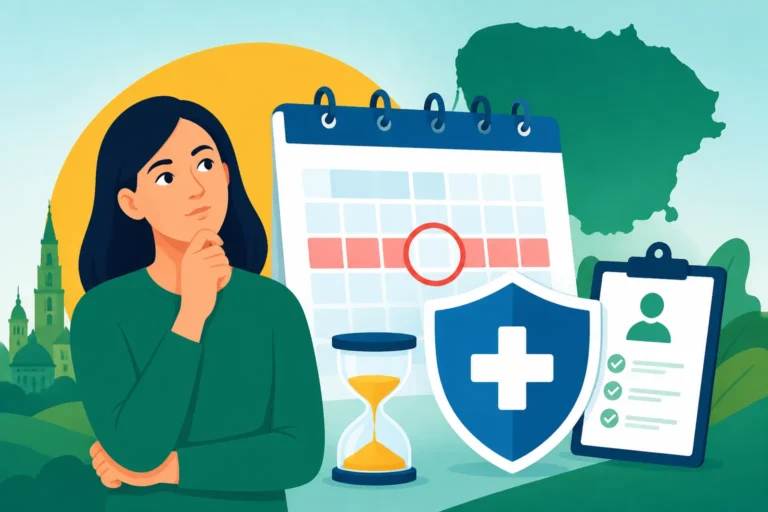
When you first arrived in Vilnius or Kaunas, your health insurance was likely just another box to tick on your visa application. However, as an expat, the renewal process is deeply tied to your legal right to stay in the country. The Migration Department, commonly known through its online portal MIGRIS, requires proof of valid health insurance for the entire duration of your stay. If your policy expires and you fail to renew it, you technically violate the conditions of your residence permit.
Many expats forget their renewal date, only to receive a frantic notification from the Migration Department. It is important to remember that private insurance serves two main purposes here. First, it covers you for services that might not be fully subsidized if you are not yet fully integrated into the public system. Second, for many non-EU citizens, it is the primary document that proves you will not be a financial burden on the state. You should start thinking about your renewal at least 30 to 45 days before your current certificate expires. This gives you ample time to compare current market rates, as The Cost of Healthcare in Lithuania: A Complete Breakdown for Foreigners (2026) can shift slightly from year to year.
If you are using a global provider like SafetyWing, the renewal process is often much more streamlined than with local traditional insurers. Many expats prefer these international options because they allow for monthly subscriptions that automatically renew, preventing that heart-stopping moment when you realize your coverage lapsed while you were away on a weekend trip to Riga. Whether you choose a local or international provider, the key is ensuring that the policy meets the specific Euro-value requirements set by Lithuanian law, which typically mandates coverage of at least 30,000 EUR.
Assessing Your Coverage Needs Before You Sign
Before you simply hit the renew button, take a moment to evaluate how your health needs have changed over the last twelve months. Did you find yourself visiting a private clinic or medical centre in Lithuania more often than expected? Or perhaps you’ve finally navigated the bureaucracy and successfully managed registering for Compulsory Health Insurance (PSD) in Lithuania (2027) through your employer. If you are now paying PSD contributions, your private insurance needs might change from "comprehensive coverage" to "supplementary coverage."
Many expats find that while the public system is excellent for major issues, they still prefer private insurance for faster access to specialists. When renewing, check if your current plan covers things like dental care or mental health services, which are often limited in basic plans. If you’ve started a family or are planning to, you’ll want to look closely at Understanding Maternity and Prenatal Care in Lithuania to see if your private policy offers any additional comfort or private room upgrades at the hospital.
For those who travel frequently outside of the Baltics, a brand like SafetyWing is particularly useful during the renewal phase because it covers you globally, not just within the borders of Lithuania. If your lifestyle involves "workcations" or frequent trips back to your home country, verify that your renewed policy doesn't restrict coverage only to Lithuanian territory. This is a common pitfall with the cheaper, local "visa-only" insurance plans that are designed solely to satisfy the Migration Department's minimum requirements but offer very little real-world utility.
| Feature | Local Lithuanian Insurers | International Providers (e.g., SafetyWing) |
|---|---|---|
| Renewal Process | Often manual; requires new contract | Usually automatic or via simple app toggle |
| Language | Often Lithuanian-first documentation | 100% English-language support |
| Coverage Area | Mostly Lithuania or Schengen | Worldwide (excluding specific zones) |
| Payment | Annual lump sum often required | Monthly subscription options available |
| Migris Acceptance | High; standard templates used | Accepted (requires English/Lithuanian cert) |
The Step-by-Step Documentation Checklist for Renewal
Renewing your policy is not just about paying the premium; it is about ensuring the paperwork is in the correct format for the Lithuanian authorities. If you are renewing a local policy with a company like Lietuvos Draudimas or Ergo, they will usually issue a new "Draudimo Polisas" (Insurance Policy). You must ensure that your name is spelled exactly as it appears on your passport and that your Asmens Kodas (Personal Code) is included if you have one.
Here is the process you should follow to ensure a smooth transition:
- Review the Policy Wording: Check that the minimum coverage remains at 30,000 EUR or higher. Lithuania rarely lowers these requirements, but they can increase them.
- Confirm Validity Dates: Ensure there is no gap. If your old policy ends on March 15th, your new one must start at 00:00 on March 16th.
- Verify Geographical Scope: If you are planning on traveling in the EU with your Lithuanian health insurance, make sure the policy explicitly mentions "Schengen" or "Worldwide" coverage.
- Update Personal Information: If you moved apartments in the last year, make sure your new address is reflected. You can learn more about this in the guide on How Do I Declare My Place of Residence in Lithuania?.
- Request the "Certificate for Migration": Local companies know exactly what this is. For international providers like SafetyWing, you can usually download a specific "Visa Letter" from your user dashboard that satisfies these requirements.
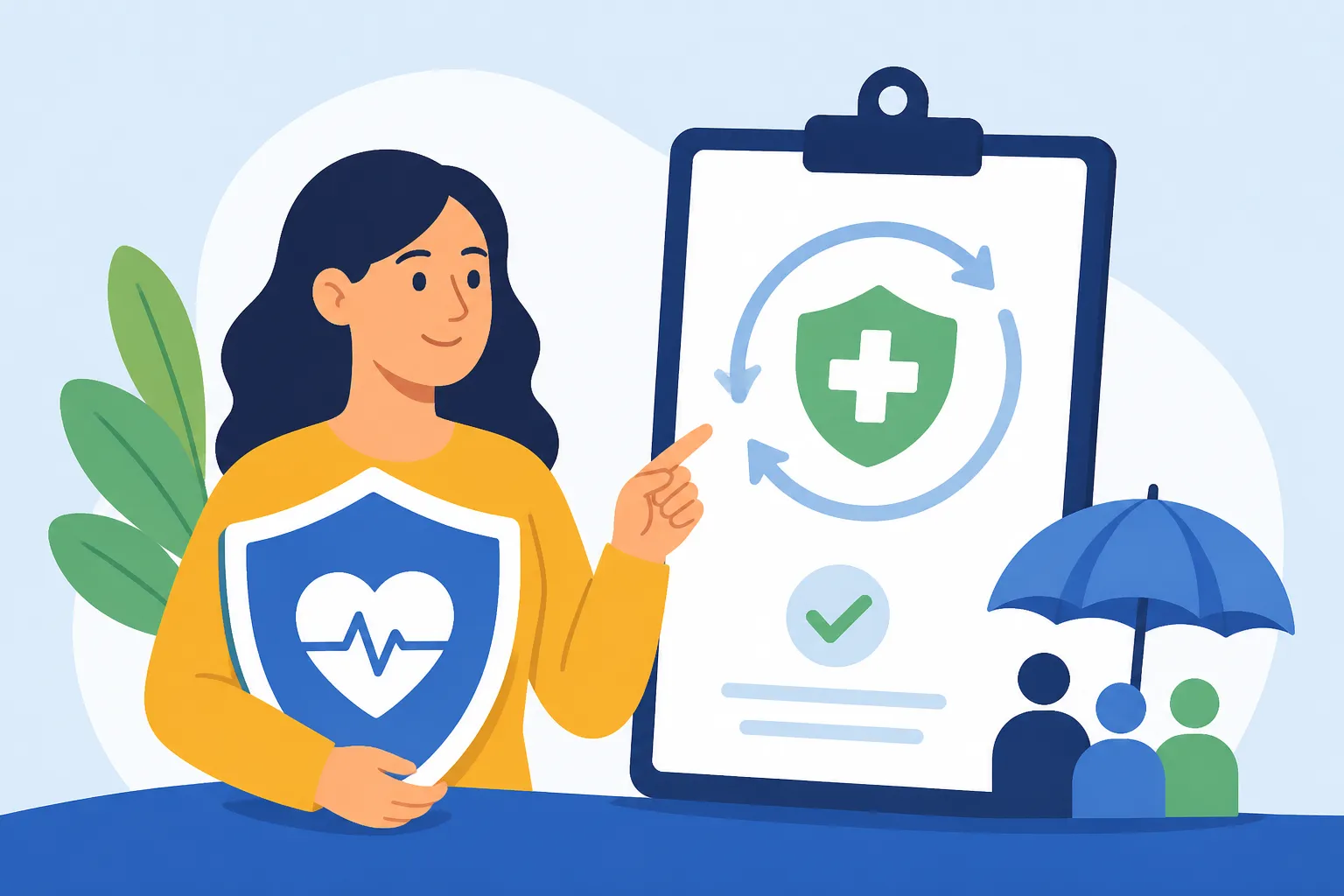
Once you have your new certificate, you should immediately upload a digital copy to your MIGRIS account. You don't always have to wait for them to ask for it. Proactively keeping your digital file updated shows the authorities that you are a responsible resident. This is especially important if you are in the middle of a process like How to Extend Your Temporary Residence Permit in Lithuania.
Common Pitfalls to Avoid During the Renewal Phase
One of the biggest mistakes I see is the "Automatic Renewal Trap." Many local Lithuanian contracts are not actually automatic. They are fixed-term contracts for one year. When the year ends, the policy simply stops. If you assume it will renew and your credit card will be charged, you might find yourself uninsured for weeks without knowing it. Always double-check if your policy is a "Subscription" (like SafetyWing) or a "Fixed Term" contract.
Another issue is the waiting period. If you let your current policy lapse and then buy a new one three days later, some insurers might treat you as a "new" client. This can trigger Health Insurance Waiting Periods for New Residents in Lithuania, meaning you might not be covered for pre-existing conditions or certain illnesses for the first 30 to 90 days of the new policy. By renewing early and ensuring the dates overlap, you usually bypass these waiting periods.
If you find that your premiums have spiked significantly, don't feel obligated to stay with the same company. The private insurance market in Lithuania is competitive. You can look into How to Choose a Private Health Insurer in Lithuania to find a better deal. However, if you do switch, make sure the new company receives a copy of your previous policy so they can see you have had continuous coverage, which helps in waiving those pesky waiting periods.
Integrating Private Insurance with the Public E-Health System
One of the great things about living in Lithuania is the E-Sveikata (E-Health) system. When you visit a doctor, whether they are public or private, your records, prescriptions, and referrals are stored digitally. When you renew your private insurance, it is a good idea to inform your Family Doctor (Šeimos Gydytojas) of the new policy details.
While private insurers have their own portals, having your insurance information correctly logged in the national system can sometimes speed up the process of claiming healthcare cost reimbursement in Lithuania. If you are using a private specialist through your insurance but need a prescription, the doctor will issue an Electronic Prescription (E-Receptas). Having valid insurance ensures that if you are hospitalized, the communication between the Poliklinika and your insurer is as smooth as possible.
Lastly, keep a printed copy of your new insurance certificate in your car or your bag. While Lithuania is highly digitized, in a medical emergency, having a physical paper that clearly states your policy number and the emergency contact phone number of the insurer can save precious time. If you ever find yourself in a situation where you need immediate help, knowing What Is the Emergency Phone Number in Lithuania? and having your insurance card ready is the best way to handle the stress.
Disclaimer
The information provided in this guide is for informational purposes only and does not constitute legal or professional financial advice. Health insurance requirements and immigration laws in Lithuania are subject to change. Always verify the latest regulations with the Lithuanian Migration Department (MIGRIS) or a qualified legal professional before making decisions regarding your residency or insurance coverage. Standard private insurance policies may have exclusions for certain pre-existing conditions or specific types of medical care.