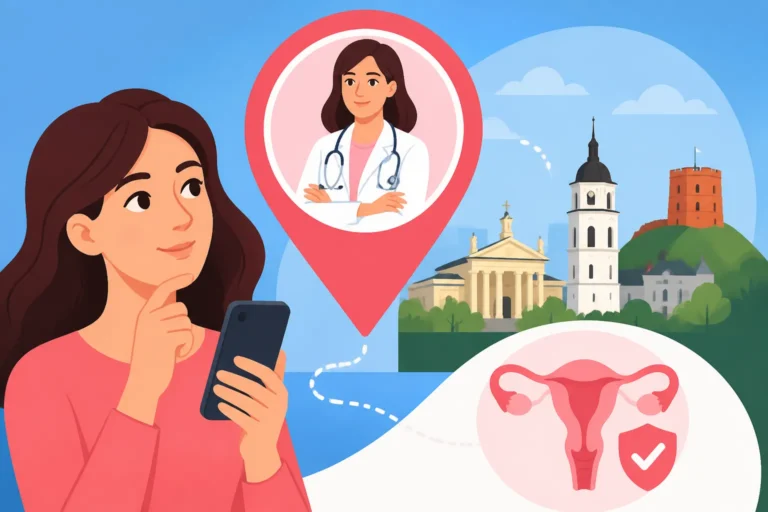
Where Can I Get a Routine Health Check-Up in Lithuania?
Navigating the Lithuanian healthcare system as an expat can feel like being dropped into a labyrinth without a map. You might know you need a blood test or a physical, but the distinction between a poliklinika and a private clinic, or how to even book an appointment without fluent Lithuanian, is a massive hurdle. This guide provides a clear roadmap for securing a routine health check-up in Lithuania, whether you are using public insurance or paying out-of-pocket.
Navigating the Public Polyclinic System
When you first arrive in Lithuania and settle into the pace of life in Vilnius or Kaunas, your primary point of contact for anything health-related will be the "Poliklinika." This is the cornerstone of the public healthcare system. If you are working under an employment contract or are self-employed and paying your contributions, you are likely already covered by the Compulsory Health Insurance (PSD). However, having the insurance is only the first step; knowing how to use it for a routine check-up is where many foreigners get stuck.
The process begins with your registration at a specific public clinic. Unlike some countries where you can walk into any doctor's office, in Lithuania, you must be formally "attached" to a clinic. This is where The Expat Guide to Finding a Family Doctor (Šeimos Gydytojas) in Lithuania becomes essential reading. Once registered, your family doctor (šeimos gydytojas) acts as the gatekeeper to all other services. For a routine check-up, you would book a "profilaktinis patikrinimas." During this visit, your doctor will usually perform a basic physical exam, check your blood pressure, and order standard blood and urine tests.
The frustration most expats face with the public system is the waiting time. Even for a routine visit, you might wait two to three weeks for an appointment. Furthermore, the administrative staff at the registration desk (registratūra) may not always speak English fluently, which can be intimidating. If you are still in the process of Registering for Compulsory Health Insurance (PSD) in Lithuania (2027), you might find yourself in a transitional period where you aren't yet in the state system but need medical attention. In these instances, having a reliable international plan like SafetyWing can provide a much-needed safety net while you wait for your local paperwork to clear.
The Role of the Šeimos Gydytojas
Your family doctor is the person who coordinates your preventive care. In the public system, you cannot simply go to a cardiologist or a neurologist for a "check-up" on your own. You need a referral, known locally as a "siuntimas." For a routine annual exam, the family doctor evaluates your age, family history, and current health status to determine which specific tests are necessary. If you are over a certain age, they will automatically suggest state-funded screening programs for cardiovascular disease or specific types of cancer.
Understanding How to Choose and Register with a Family Doctor (Šeimos Gydytojas) in Lithuania is the most important administrative task you will face. If you live in a larger city, you have a better chance of finding a doctor who speaks English, particularly in the private sectors of public polyclinics. Yes, some public clinics have "private" wings where you pay a small fee to see the same doctors faster, which is a common "middle ground" for many expats.
Public System Pros and Cons
| Feature | Public Polyclinic (PSD) | Private Medical Center |
|---|---|---|
| Cost | Free (Covered by PSD) | €50 – €300+ |
| Wait Time | 2 – 4 weeks | 1 – 3 days |
| English Proficiency | Variable/Low | Usually High |
| Facilities | Functional/Standard | Modern/Boutique |
| Referral Needed? | Yes, for specialists | No, usually direct access |
Private Medical Centers and Preventive Packages
If the thought of navigating a public polyclinic sounds too stressful, Lithuania has a robust and highly efficient private healthcare sector. For many expats, this is the preferred route for a routine check-up because of the speed and the higher likelihood of finding English-speaking staff. Large chains such as Kardiolita Hospital, Northway, and the Medical Diagnostic and Treatment Center (Medicinos diagnostikos ir gydymo centras) offer comprehensive "Check-up" packages specifically designed for different age groups and genders.
These packages are incredibly thorough. Instead of multiple visits over several weeks, a private clinic can often schedule all your blood tests, ultrasounds, and specialist consultations (like a cardiologist or urologist) in a single morning. This convenience is why many ask, Are Private Clinics in Lithuania Worth the Cost? The answer is usually a resounding yes if you value your time and want a stress-free experience. If you are a digital nomad or a frequent traveler and haven't fully committed to the Lithuanian public system, using SafetyWing can help cover unexpected issues that might arise during these screenings, though routine check-ups themselves are typically out-of-pocket expenses.
Popular Private Clinics in Major Cities
In Vilnius, the Medical Diagnostic and Treatment Center on Grybo Street is widely considered the gold standard for expats. They have a dedicated international department and the staff is very comfortable working with foreigners. In Kaunas, Kardiolita is a top choice, offering some of the most advanced diagnostic equipment in the Baltics. These clinics operate much like a high-end hotel—you book your "program," show up at 8:00 AM, and move from room to room with a personal coordinator.
For those living in the capital, knowing Where Can I Find an English-Speaking Family Doctor in Vilnius? can help you narrow down which private clinic to join. Most private clinics also allow you to register as your primary care provider, meaning they can handle your state-insured needs while charging a premium for the increased comfort and speed. It is a hybrid approach that many high-earning expats choose to avoid the "Poliklinika" crowds.
Specialized Health Screenings
When you book a private check-up, you aren't just getting a blood pressure check. These packages often include:
- Full blood count and metabolic panels.
- Thyroid function tests (very common in the region).
- Abdominal and thyroid ultrasounds.
- ECG and stress tests for heart health.
- Consultations with an internal medicine doctor to review results.
While the price tag for these packages might range from €200 to €800 depending on the complexity, they offer a level of detail that is often harder to get through the public system unless you have specific symptoms. For those who are only in the country temporarily, SafetyWing remains a popular choice for health protection, especially when navigating a foreign medical landscape for the first time.
Preventive Health Screening Programs in Lithuania
One of the best-kept secrets of the Lithuanian healthcare system is the array of state-funded preventive programs. If you are covered by PSD, you have access to several high-quality screenings at no cost. The Lithuanian government is particularly proactive about heart disease and cancer, given the statistical health trends in the region.
The "Cardiovascular Disease Prevention Program" is one of the most prominent. It is aimed at men aged 40–54 and women aged 50–64. Once every year, you can receive a very deep dive into your heart health, including lipidograms and glucose tests, completely free of charge. This is a fantastic resource that many expats overlook because they assume "routine" means "basic."
Cancer Screening Initiatives
Lithuania also runs several high-efficiency cancer screening programs. These include:
- Cervical Cancer Screening: For women aged 25–59.
- Breast Cancer Screening: For women aged 50–69 (mammograms every two years).
- Prostate Cancer Screening: For men aged 50–69.
- Colorectal Cancer Screening: For citizens and residents aged 50–74.
To access these, you simply need to speak with your šeimos gydytojas. You can find more details on how to trigger these specific tests in our guide on How Do I Access Cancer Screening Programs in Lithuania?. It is important to note that these programs are age-specific. If you fall outside these age brackets but still want a screening, you will likely need to pay or see a specialist through a referral.
The psychological barrier for many foreigners is the "systemic" feel of these programs. You might receive a notification through the Understanding the E-Sveikata (E-Health) System in Lithuania portal. This portal is the digital backbone of Lithuanian medicine. Every blood test, every prescription, and every doctor's note is stored here. When you go for a routine check-up, your results will appear in E-Sveikata, often before the doctor even calls you.
The Administrative Side: Referrals and E-Sveikata
Whether you choose public or private, you will eventually have to interact with Lithuania’s digital health infrastructure. The E-Sveikata system is actually quite advanced compared to many Western European countries, but its interface can be a bit clunky for non-Lithuanian speakers. When you go for a routine check-up, the doctor will issue electronic referrals (siuntimai) for any secondary tests or specialists.
A common point of confusion is the difference between a "referral" and an "appointment." Just because your doctor issued a referral for an ultrasound in the E-Sveikata system doesn't mean you have an appointment. You must then take that electronic referral and book a slot, either through the clinic’s own website or via the central "Sergu.lt" portal. For a deeper dive into the digital side, check out What Is E-Sveikata and How Do I Use It in Lithuania?.
Dealing with Language Barriers
The language barrier is the number one reason expats avoid routine check-ups in Lithuania. In a public poliklinika, the doctors are often highly skilled and may speak English, but the nurses and registration staff might not. If you are feeling overwhelmed, it is perfectly acceptable—and quite common—to bring a Lithuanian-speaking friend or hire a local "fixer" to help with the initial registration.
However, if you use private centers like Northway or Antakalnio medicinos centras, the experience is much smoother. They are used to international patients and often have English versions of their paperwork. When comparing the two, it's worth reading Public vs Private Healthcare in Lithuania: Which Should Expats Choose? to see which aligns better with your budget and patience levels.
Cost Expectations for Out-of-Pocket Patients
If you are not covered by the PSD and do not have an international plan like SafetyWing, you will be paying "commercial" rates. These are still quite affordable compared to US or UK private prices, but they can add up.
- Standard GP Consultation: €40 – €70
- Complete Blood Count: €10 – €20
- Abdominal Ultrasound: €40 – €60
- Specialist Consultation (e.g., Dermatologist): €50 – €90
For a comprehensive breakdown of what you might spend, see The Cost of Healthcare in Lithuania: A Complete Breakdown for Foreigners (2026). Knowing these prices upfront can help you decide if you want to wait for the public system or just pay for the convenience of a private check-up today.
Summary Checklist for Your Routine Check-Up
To ensure your health check-up goes smoothly, follow these steps:
- Identify your insurance status: Are you covered by PSD, a private local plan, or an international plan like SafetyWing?
- Choose your path: Public poliklinika (budget-friendly, slower) or Private clinic (expensive, fast).
- Register: If going public, ensure you are registered with a specific family doctor.
- Book the "Profilaktinis patikrinimas": Request this specific term for a routine preventive check.
- Access E-Sveikata: Make sure you can log in to view your results and referrals electronically.
- Follow up: Don't wait for a call; check your results online and book follow-up appointments if a "siuntimas" is issued.
Lithuania's medical care is high-quality, but the bureaucracy requires a bit of "expat grit" to master. Once you've done your first routine check-up, the mystery disappears, and you'll find the system is actually quite logical—even if it's hidden behind a few layers of Lithuanian grammar.
Disclaimer
This guide is for informational purposes only and does not constitute professional medical or legal advice. Healthcare regulations and prices in Lithuania can change; always verify current requirements with the National Health Insurance Fund (vlk.lt) or your chosen medical provider.