Is Childbirth Free Under the PSDF in Lithuania?
Planning a family is a monumental life event, but doing so in a foreign country adds layers of administrative stress that can feel overwhelming. If you are living in Lithuania and wondering whether the state will foot the bill for your delivery, you are not alone in your confusion. This guide clarifies exactly how the Compulsory Health Insurance Fund (PSDF) handles childbirth, ensuring you know your rights, the potential hidden costs, and the steps to secure a smooth medical journey for you and your baby.
Understanding PSDF Coverage for Pregnancy and Childbirth
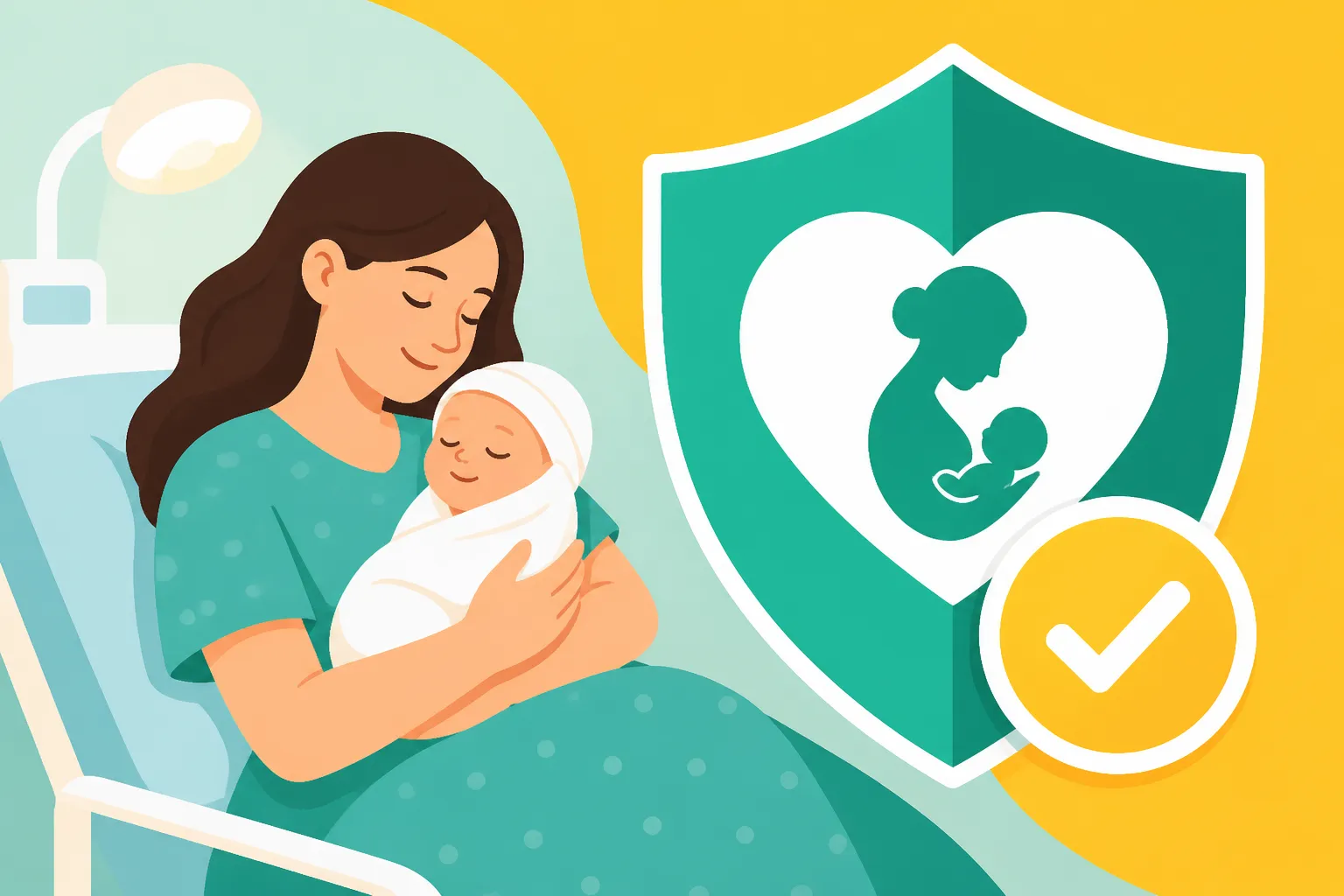
The short answer is yes: childbirth is essentially free in Lithuania if you are covered by Compulsory Health Insurance (PSD). However, "free" in a bureaucratic system often comes with a list of prerequisites that can trip up even the most organized expat. To benefit from the PSDF, you must be a resident who is actively contributing to the social insurance system. This usually applies if you are employed by a Lithuanian company, are self-employed and paying your monthly contributions, or are a permanent resident specifically insured by the state (such as those on maternity leave or registered with the employment service).
If you’ve just arrived and are still waiting for your residence permit or haven't yet secured employment, the situation is different. Navigating the gap between arrival and full insurance coverage is one of the most common hurdles foreigners face. During these "in-between" months, many expats rely on nomadic health coverage like SafetyWing to ensure they aren't hit with massive out-of-pocket expenses for emergency consultations before their PSD status is fully active. Once that status is green in the system, the state covers the vast majority of prenatal care, the hospital stay for the birth, and basic postnatal check-ups.
It is vital to understand that the PSDF operates on a "public provider first" logic. This means that to get these services for free, you must use the public network of polyclinics and hospitals. If you walk into a high-end private clinic in the center of Vilnius expecting the state to pay, you will likely be disappointed. To get started correctly, you should read up on How Lithuania's Health Insurance Fund (VLK/PSDF) Works: A Full Overview to understand the underlying mechanics of how your contributions turn into medical services.
Who is Eligible for State-Funded Childbirth?
Eligibility isn't just about being in the country; it’s about your legal and social insurance status. EU citizens who are working here or have registered their residence are typically covered immediately through their contributions. For non-EU citizens, the situation often hinges on having a Temporary Residence Permit (TRP) and being employed. If you are here on a work visa, you might wonder Can I Use Public Healthcare in Lithuania on a Work Visa?—the answer is generally yes, provided your employer is paying the required taxes into the Sodra system.
There are also specific groups insured by the state. For instance, if you are a mother-to-be and are already a permanent resident but currently unemployed, the state may cover your insurance during the pregnancy and for a period after birth. However, for most expats on a TRP, you must remain "active" in the system through work or voluntary payments. If you are a freelancer, you'll need to know How to Register for PSD as a Self-Employed Person in Lithuania to avoid any lapse in coverage that could lead to a surprise bill at the hospital.
What is Included in the Free Maternity Package?
The PSDF is quite generous when it comes to the standard "maternity package." This includes your regular visits to an obstetrician-gynecologist at your local polyclinic, blood tests, ultrasounds (the standard number prescribed by national guidelines), and the birth itself. Whether you have a natural birth or require an emergency C-section, the cost of the medical staff, the operating room, and the standard ward bed is covered.
However, the definition of "standard" is where many expats find themselves spending a little extra. While the medical procedure is free, things like a private "family room" where your partner can stay overnight are usually considered extra services and charged at a daily rate set by the hospital. These rates are generally affordable—often between 30 to 70 Euros per night—but they are not technically part of the "free" PSDF package. To get a better sense of these nuances, check The Cost of Healthcare in Lithuania: A Complete Breakdown for Foreigners (2026).
The Reality of the Lithuanian Public Maternity System
While the price tag of zero Euros is appealing, the "user experience" of the public system can be a bit of a culture shock. In Lithuania, your journey starts at a Poliklinika. These are large, state-run outpatient clinics where you will see your primary family doctor and your gynecologist. The atmosphere can feel a bit clinical and old-school, with long corridors and busy waiting rooms. It is a far cry from the boutique feel of private healthcare, but the medical expertise is generally very high.
I remember talking to an expat friend in Kaunas who was worried because the receptionist at her polyclinic didn't speak a word of English. This is a common reality. While many younger doctors are fluent in English, the administrative staff often are not. It helps to have a Lithuanian-speaking friend on speed dial or to use translation apps during the initial registration phase. If you are still looking for a place to start, you should look into How to Choose and Register with a Family Doctor (Šeimos Gydytojas) in Lithuania to ensure your pregnancy is officially tracked in the state system from the first trimester.
Choosing Your Hospital: Vilnius vs. Kaunas vs. Klaipėda
In the public system, you generally have the right to choose which hospital you want to give birth in, regardless of where your polyclinic is located. In Vilnius, the two big players are the Vilnius City Clinical Hospital (Antakalnis) and the Santaros Clinics. Both have excellent neonatal units. Antakalnis is often praised for its "homier" feel and experienced midwives, while Santaros is the place to be if there are any high-risk complications, as it is one of the most advanced medical centers in the Baltics.
For those living in other cities, the Kaunas Clinics (Kauno Klinikos) offer world-class care, often cited as some of the best in the country. In Klaipėda, the University Hospital serves the coastal region with modern maternity wards. No matter which you choose, the PSDF coverage remains the same. However, you should realize that Understanding the Role of the Polyclinic (Poliklinika) in Lithuania is crucial because your hospital referral (the "siuntimas") usually needs to come from your polyclinic doctor to ensure the hospital stay is fully covered by the state.
Hidden Costs and "Extra" Services
Even within the "free" public system, there are things you might choose to pay for to increase your comfort. Aside from the aforementioned private rooms, many women choose to sign a private contract with a specific doctor or midwife they have grown to trust during their pregnancy. If you just show up at the hospital, you get whichever team is on duty—which is perfectly fine and safe. But if you want your specific doctor to come in at 3 AM to deliver your baby, you will need to pay a "personal doctor" fee to the hospital, which can range from 300 to 600 Euros.
Another common question involves pain management. In Lithuania, an epidural is technically covered by the PSDF if it is medically necessary. However, the interpretation of "medically necessary" can vary. In many modern hospitals, they are now provided upon request as part of standard care, but it is always worth confirming this with your chosen hospital beforehand. For a deeper dive into these specifics, read Understanding Maternity and Prenatal Care in Lithuania.
| Service Type | PSDF (Public System) | Private Clinic |
|---|---|---|
| Prenatal Consultations | Free (at registered Poliklinika) | 50 – 120 EUR per visit |
| Standard Delivery | Free | 2,000 – 4,500 EUR |
| C-Section | Free | 3,500 – 6,000 EUR |
| Hospital Room | Free (Shared ward) | Included in package |
| Private Family Room | 30 – 80 EUR / night | Included in package |
| Epidural | Free (usually) | Included in package |
Practical Steps for Expats Expecting a Baby
The moment that pregnancy test shows a positive result, your administrative clock starts ticking. The first thing you need to do is confirm your PSD status. If you are working, this is usually automatic. If you are a digital nomad or between jobs, you might be using a plan like SafetyWing to cover unexpected medical needs while you figure out your long-term residency. Once your residence is declared and your Asmens Kodas is issued, you can officially join a polyclinic.
The next step is the "Mother's Book" (Nėščiosios kortelė). This is a physical or electronic record (via the E-sveikata system) where all your measurements, test results, and visit notes are kept. You must be registered with a gynecologist at a public polyclinic by the 12th week of pregnancy to ensure you are eligible for all state benefits, including maternity leave payments later on. If you haven't done this yet, start by Registering for Compulsory Health Insurance (PSD) in Lithuania (2027) as soon as possible.
Paperwork and the Importance of the Asmens Kodas
Everything in the Lithuanian medical system revolves around your Asmens Kodas (Personal Code). Without it, you are a ghost in the system. When you go for your ultrasounds or blood tests, the nurses will use this code to pull up your records in E-sveikata. If you are a new arrival and don't have this code yet, you will be treated as a private patient and charged for every single cotton swab and blood draw.
If you are still in the process of getting settled, you might find How to Get Your Asmens Kodas (Personal Code) and Why It Matters for Healthcare to be the most important thing you read this month. It’s the key that unlocks "free" childbirth. While you wait for this paperwork, keep your SafetyWing details handy, as it can act as a financial safety net for any emergency visits that happen before the Lithuanian state recognizes you as an insured resident.
Registering with a Family Doctor and Obstetrician
In Lithuania, the family doctor (šeimos gydytojas) is the gatekeeper. You register with them first, and they then refer you to the gynecologist within the same polyclinic. You can technically choose any gynecologist who has a contract with the PSDF, but it is usually easiest to stay within the same building for administrative reasons.
When choosing a doctor, don't be afraid to ask around in expat groups on Facebook or Reddit for "English-speaking gynecologists in Vilnius." Many of these doctors also work in private clinics like Northway or Baltic American Clinic but spend a few days a week at the public polyclinics. If you find a doctor you love in the public system, it’s a massive win for both your comfort and your wallet. For more tips on finding the right fit, check How to Find an English-Speaking Doctor in Lithuania.
Costs Outside the PSDF and Private Alternatives
While the public system is robust, some expats choose to go entirely private for their childbirth. This is usually driven by a desire for a more personalized, English-first experience and guaranteed high-end amenities. Clinics like the Baltic American Clinic in Vilnius offer maternity packages that feel more like a stay in a luxury hotel than a hospital. However, these come with a significant price tag.
A full private birth package in Lithuania can easily cost upwards of 3,000 to 5,000 Euros. This usually includes all prenatal care, a dedicated doctor and midwife, the delivery, and several days in a luxury suite. For some, the peace of mind is worth the investment. If you are considering this route, it’s helpful to compare your options by reading How Much Does a Private Birth Cost at a Lithuanian Hospital? and Public vs Private Healthcare in Lithuania: Which Should Expats Choose?.
When to Consider Private Health Insurance
Most international private health insurance plans will cover maternity care, but almost all of them have a "waiting period" (usually 10 to 12 months) before you can claim for pregnancy-related costs. This means you cannot move to Lithuania, find out you are pregnant, and then buy a private plan to cover the birth. If you already have a global health plan, check the maternity rider carefully.
For those who are not yet eligible for PSDF but are planning to stay long-term, having a bridge plan like SafetyWing can be useful for general health issues, but remember that most travel-style or nomad insurances do not cover routine pregnancy and elective childbirth. They are designed for unexpected illnesses or accidents. Once you are pregnant, your primary focus should be on getting into the Lithuanian PSD system to ensure the birth is covered.
Post-Birth Administration and Insurance for the Newborn
Once the baby is born, the administrative fun begins again. The good news? The baby is automatically insured by the state of Lithuania from the moment of birth, provided at least one parent is a resident. You will need to register the birth at the civil registry office (Registracijos centras) to get the baby's birth certificate and their own Asmens Kodas.
Once the baby has their code, you must register them at a polyclinic with a pediatrician (vaikų gydytojas). All routine vaccinations and check-ups for children are free under the PSDF. If you’re wondering about the specifics of this process, you’ll want to look at How Do I Register My Newborn for Health Insurance in Lithuania? to make sure you don't miss any deadlines. The first year involves many visits to the doctor, and having this sorted early will save you a lot of stress during those sleep-deprived first weeks.
Final Advice for Expat Parents in Lithuania
Lithuania is actually a fantastic place to have a child. The medical care is high-quality, the country is very child-friendly, and the state-funded maternity system is one of the most generous in Europe in terms of the length of paid leave (if you’ve been working). The "stern" exterior of the public healthcare system often hides very dedicated, highly skilled professionals who want the best for you and your baby.
Don't let the language barrier or the bureaucratic paperwork discourage you. Take it one step at a time: get your Asmens Kodas, register at a polyclinic, and get your "Mother's Book." If you have those three things, the system will largely take care of the rest. And remember, while the PSDF covers the big stuff, keep a small "comfort fund" aside for things like private hospital rooms or a specific midwife contract. It can make a world of difference in your overall experience. For a broader look at life after the hospital, you might also find The Complete Guide to Healthcare in Lithuania for Expats (2027) a helpful resource as you settle into your new life as a parent in the Baltics.
Disclaimer
This article is for informational purposes only and does not constitute professional medical or legal advice. Healthcare regulations and PSDF coverage rules in Lithuania can change; always verify current requirements with the National Health Insurance Fund (VMI/VLK) or your local polyclinic.