How Do I Get a Second Opinion in the Lithuanian Health System?
Being told you need a major surgery or being given a chronic diagnosis in a foreign country like Lithuania can feel incredibly isolating and overwhelming. Language barriers and differing medical protocols only add to the anxiety of whether the suggested treatment plan is truly the best path forward. This guide explains exactly how to navigate the Lithuanian healthcare system to secure a second medical opinion, whether through the public sector or private clinics, ensuring you have the clarity needed to manage your health with confidence.
Understanding the Medical Culture and Your Rights in Lithuania
When I first arrived in Vilnius, I was struck by the efficiency of the digital systems, but also by the somewhat formal and direct communication style of the medical staff. In Lithuania, healthcare is structured around a very clear hierarchy. Your primary point of contact is always the family doctor, and while they are the gatekeepers to the rest of the system, you are not tethered to their word as if it were absolute law. It is important to realize that the Lithuanian medical community, particularly the younger generation of doctors, increasingly respects the "informed patient" model.
The Law on the Rights of Patients and Compensation of Damage to Their Health explicitly grants you the right to choose your doctor and your healthcare institution. This is a foundational piece of information that many expats overlook. If you feel that a diagnosis was rushed or a treatment plan seems overly aggressive, you are legally entitled to seek another perspective. However, how you go about this depends heavily on whether you are operating within the public system or opting for private care. Understanding How Lithuania's Health Insurance Fund (VLK/PSDF) Works: A Full Overview is the first step in knowing what the government will cover versus what you will need to fund yourself.
The Role of the Family Doctor as a Gatekeeper
In the public system, the family doctor (Šeimos Gydytojas) is your most important ally—or your biggest hurdle. To see a specialist under the state-funded insurance, you almost always need a referral, known locally as a siuntimas. If you want a second opinion within the public system, you generally have to go back to your family doctor and explain why you feel the first specialist's opinion was insufficient.
Many expats worry that asking for a second opinion will offend their doctor. In my experience, if you frame the request as a matter of personal comfort and a desire to be fully certain before proceeding with a major intervention, most doctors will facilitate the request. If you find your current doctor is unhelpful in this regard, you might want to look into How to Switch Your Family Doctor (Šeimos Gydytojas) in Lithuania to find a practitioner who is more aligned with your communication needs.
Communication Styles and Expectations
Lithuanian specialists are often highly trained and technically proficient, but they may not always spend twenty minutes explaining the nuances of your condition. This brevity can sometimes be misinterpreted as a lack of care, prompting a desire for a second opinion. When you seek that second look, it is helpful to be prepared with specific questions. Lithuanians value directness. Instead of saying "I'm not sure about this," try asking "What are the alternative treatments for this condition, and what is the success rate of the proposed surgery compared to more conservative management?"
For those who are not yet fully integrated into the local public system, perhaps because they are still waiting on residency documents, having a plan like SafetyWing can provide a necessary safety net. SafetyWing offers the kind of flexibility that allows you to seek medical consultations without being entirely dependent on the often-slow administrative wheels of the local public polyclinics.
Seeking a Second Opinion via the Public System (PSDF)
If you are a resident and paying your compulsory health insurance (PSD), the public route is the most cost-effective way to get a second opinion. The primary challenge here is the waiting list. Lithuania's public health system is high-quality but suffers from the same "queue culture" found in many European nations. To get a second opinion from a different specialist at a university hospital, such as Santaros Klinikos in Vilnius or Kauno Klinikos, you will need that all-important siuntimas.
The beauty of the Lithuanian system is that a referral is not usually tied to a specific doctor; it is tied to a specialty. This means once your family doctor issues an e-referral for a cardiologist, you can technically use that referral to book an appointment with any cardiologist in the country who has a contract with the Territorial Health Insurance Fund. You can use the Sergu.lt portal or the newer E-Sveikata system to browse available slots across different cities.
Navigating the E-Referral System
The digital infrastructure in Lithuania is world-class. When a doctor issues a referral, it is uploaded to your electronic health record. You don't need a physical piece of paper, though asking for a printout can be helpful if you plan to visit a private clinic later. Understanding How E-Referrals (Siuntimas) Work for Specialists in Lithuania is crucial because it allows you to see which specialists are available and what their wait times look like.
When seeking a second opinion, it is often worth looking for appointments in slightly smaller cities like Kaunas or Klaipėda if the wait times in Vilnius are too long. The quality of care remains high, and often the specialists in these regional hubs are the same professors who teach at the medical universities. Using Understanding the Role of the Polyclinic (Poliklinika) in Lithuania as a base, you can start your search for a specialist who might have a different perspective on your case.
Dealing with "The Queue"
The "waiting list" is the primary reason people look outside the public system for second opinions. For a non-emergency specialist visit, you might wait anywhere from two weeks to three months. If your condition is serious but not an immediate emergency, this wait can be agonizing. If you find yourself in this position, it is worth checking the E-Sveikata portal daily, as cancellations do happen, and slots can open up unexpectedly.
The Private Route: Speed, Choice, and English-Speaking Doctors
For many expats, the private healthcare sector in Lithuania is the preferred route for second opinions. The reasons are simple: speed, English proficiency, and the ability to choose a specific, high-ranking consultant without needing a referral from a family doctor. Large private chains like Kardiolita, Northway, and Medical Diagnostic and Treatment Center (Medicinos diagnostikos ir gydymo centras) dominate the landscape in Vilnius and Kaunas.
When you go private, you are paying for the doctor's time directly. This removes the "gatekeeper" hurdle of the family doctor. You can simply call the clinic, book an appointment with the head of the department, and have your second opinion within a few days. This is particularly valuable when the initial diagnosis involves surgery or long-term medication with significant side effects. For a better idea of what to expect regarding expenses, check out The Cost of Healthcare in Lithuania: A Complete Breakdown for Foreigners (2026).
Why Private Care Often Feels Better for Expats
In a private clinic, the environment is much more akin to what you might find in Western Europe or North America. The receptionists usually speak excellent English, and the doctors are given more time per patient. This allows for a deeper discussion about your diagnosis. If you are using a travel or expat-friendly insurance like SafetyWing, you might find that the costs are manageable or even reimbursable depending on your specific policy and the nature of the consultation. SafetyWing is often a great choice for those who move frequently and don't want to deal with the complexities of local public insurance for every minor concern.
Finding the Right Specialist
When seeking a private second opinion, don't just pick the first clinic you find on Google. Look for specialists who also hold positions at the major university hospitals. Many of the top surgeons in Lithuania work in the public system in the morning and see private patients in the afternoon. By booking a private consultation, you are essentially getting "university-level" expertise without the three-month wait. To help narrow down your search, refer to How to Find an English-Speaking Doctor in Lithuania for a list of vetted practitioners.
| Feature | Public System (PSDF) | Private System |
|---|---|---|
| Cost | Free (covered by PSD) | 50 EUR – 150 EUR+ |
| Referral Required | Yes (Siuntimas) | No |
| Wait Time | 2 weeks to 3 months | 1 to 5 days |
| Doctor Choice | Limited by availability | Highly flexible |
| Language | Lithuanian (mostly) | English usually guaranteed |
| Digital Records | Full access via E-Sveikata | Often uses own system + E-Sveikata |
Leveraging the E-Sveikata System for Your Second Opinion
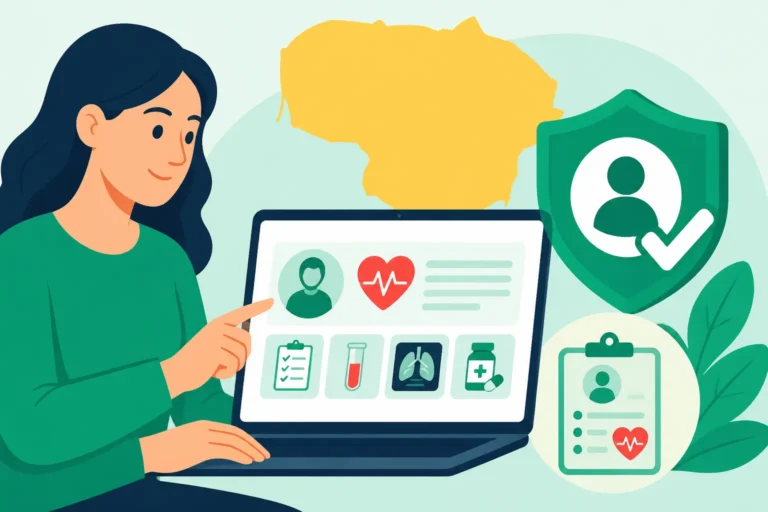
One of the most powerful tools at your disposal in Lithuania is the E-Sveikata system. This is the centralized national portal where every blood test, X-ray report, and doctor’s note is stored. When you go for a second opinion, you don't need to carry a heavy folder of physical documents. The second doctor can, with your permission (which is usually handled via your Asmens Kodas), view your entire medical history online.
How to Access Your Records
To see your own records, you need a way to log in to the E-Government Gateway, typically via Smart-ID or Mobile-ID. Once inside, you can see every "Electronic Health Record" (E-Sveikatos įrašas). It is incredibly helpful to go through these records before your second opinion appointment. You can even download PDF versions of your results to send to doctors abroad if you are seeking a second opinion outside of Lithuania. For a deep dive into using this portal, read Understanding the E-Sveikata (E-Health) System in Lithuania.
Ensuring Data Accuracy
Sometimes, things get lost in translation. I've had instances where an expat's history was slightly misrecorded because of a language misunderstanding during the first consultation. When you review your records on E-Sveikata, check the "Diagnosis" and "Treatment" sections. If something looks wrong, you can bring this up during your second opinion consultation. This ensures the second doctor is working with the most accurate data possible. If you are struggling with the administrative side of things, knowing How to Get Your Asmens Kodas (Personal Code) and Why It Matters for Healthcare will ensure your digital records are properly linked to your identity.
Step-by-Step Guide to Requesting a Second Opinion
If you’ve decided that you need another pair of eyes on your medical case, follow these steps to ensure the process is as smooth as possible.
- Gather Your Initial Results: Log in to E-Sveikata and make a note of the specific codes or names of your diagnosis. If you had imaging done (MRI, CT, X-ray), the report will be there, but the actual images might be on a CD or a separate hospital server. Ask the first clinic for the access code to the images.
- Decide on the Route: If time is not an issue and you have a good relationship with your family doctor, go the public route. If you are in pain, anxious, or have a surgery date looming, go private.
- Book the Appointment: If private, call a clinic like Kardiolita and specifically ask for a "Consultation for a second opinion." If you have SafetyWing, check their portal to see if they require any pre-authorization for specialist visits, though for simple consultations, this is usually straightforward.
- Prepare Your Questions: Don't just show up and say "I want another opinion." Say, "I have been diagnosed with X and recommended treatment Y. I am concerned about the recovery time/side effects/accuracy and would like your professional assessment of whether there are alternative approaches."
- The Consultation: Bring a friend who speaks Lithuanian if you are going to a public polyclinic, just in case. In a private clinic, you’ll be fine in English.
- Review the Outcome: If the two opinions differ significantly, you may need a third "tie-breaker" or a more senior consultant (often a Professor or Doctor of Science).
Practical Advice for Expats Navigating the System
Navigating healthcare in a second language is stressful. One of the most important things you can do is to remain persistent. The Lithuanian system is highly logical, but it doesn't always "hold your hand." You are expected to be an active participant in your care. If you feel a specialist is being dismissive, it is your right to seek care elsewhere.
For those who are in Lithuania on a work visa, you might wonder Can I Use Public Healthcare in Lithuania on a Work Visa?—the answer is generally yes, provided your employer is paying the required contributions. This gives you the full range of options for second opinions within the state system.
Another tip: don't forget about the "Medical Concierge" services that some private insurers or clinics offer. These services are designed specifically for foreigners and can help coordinate second opinions with the top experts in the country, often bypassing the standard reception queues.
Lastly, always keep your insurance documents handy. Whether you are using the local PSDF system or a global provider like SafetyWing, having your policy number and the emergency contact details ready can save a lot of stress during the check-in process at a new clinic. SafetyWing is particularly useful because it covers you not just in Lithuania, but also if you decide to fly back home or to a third country for that second opinion, providing a layer of global flexibility that local insurance cannot match.
Legal and Administrative Considerations
It is important to note that while you have the right to a second opinion, the public system will not always pay for unlimited opinions. If you seek a second, third, and fourth opinion for the same minor issue, the Health Insurance Fund may flag this. However, for serious conditions, seeking a second opinion is considered standard medical practice.
If the second opinion reveals a medical error or a significantly different diagnosis that suggests the first doctor was negligent, you may have grounds for a complaint through the State Health Care Accreditation Agency. This is a rare and complex route, but it's part of the patient rights framework in Lithuania. For a broader view of the system's structure, you can consult Navigating the Lithuanian Healthcare System: An Expat's Roadmap (2027).
Disclaimer
This guide is for informational purposes only and does not constitute professional medical or legal advice. Healthcare regulations and procedures in Lithuania can change, and you should always verify the latest requirements with the Ministry of Health or the State Patients' Fund (VLK). Always consult with a qualified medical professional before making any decisions regarding your health or treatment plans. While every effort has been made to ensure the accuracy of this information, the author and publisher are not responsible for any actions taken based on this content.