Can I Get My Prescriptions Delivered in Lithuania?
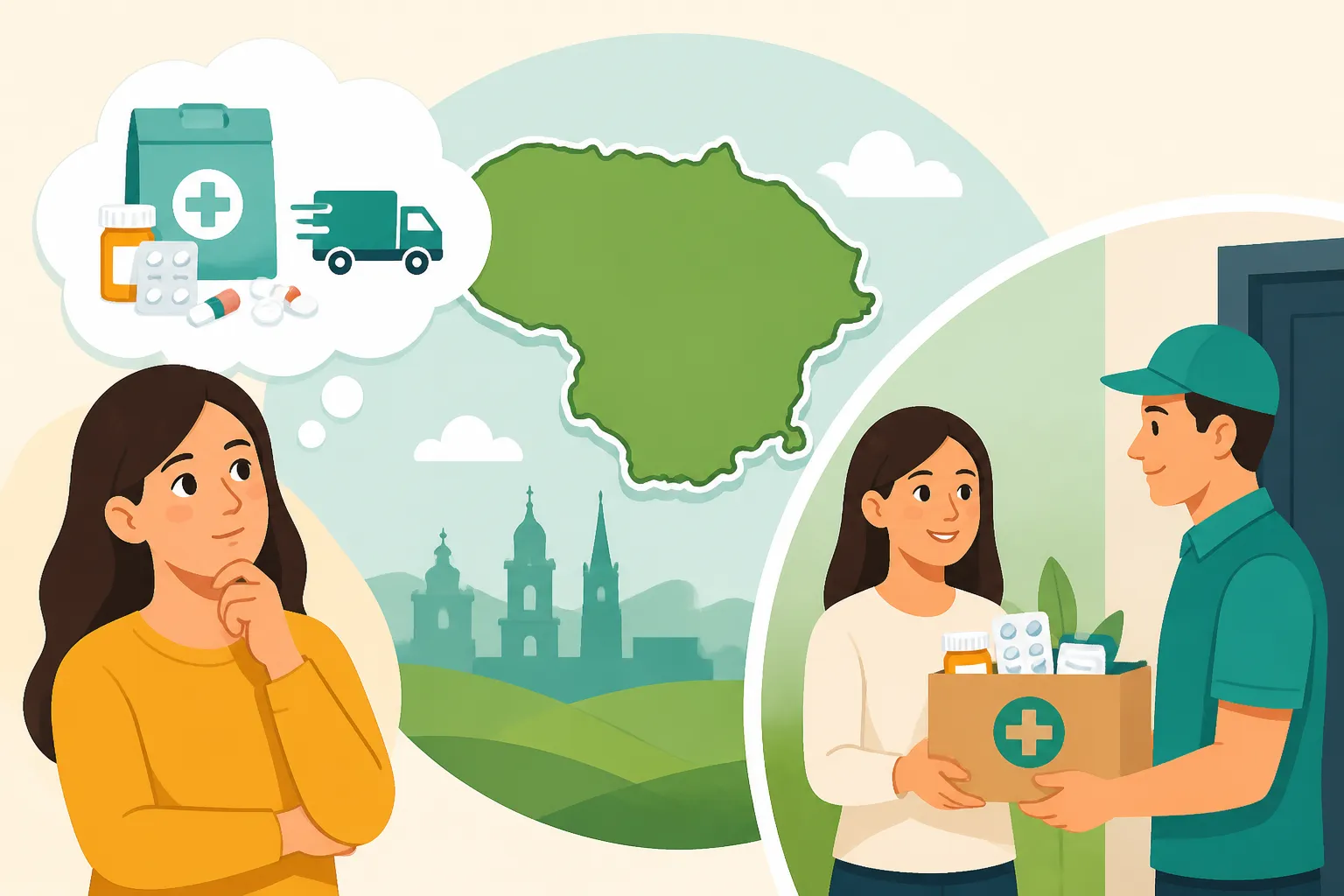
For many of us expats, life in Lithuania comes with its own unique set of challenges, and navigating the healthcare system can feel like an Olympic sport, especially when you’re not feeling your best. The thought of getting your prescription medications delivered right to your door, bypassing the trek to the pharmacy, sounds like a dream come true, doesn't it? This guide will dive deep into the current reality of prescription delivery services in Lithuania, helping you understand what's genuinely available, what pitfalls to watch out for, and how to manage your medication needs with a little less stress.
Navigating the Lithuanian E-Receptas System
Before we even talk about delivery, it’s crucial to understand how prescriptions work here. Lithuania has a remarkably advanced digital healthcare system, called E-Sveikata, which is both a blessing and, at times, a bit of a head-scratcher for new arrivals. The backbone of this system is the electronic prescription, or e-receptas. This isn't just a digital version of a paper slip; it's deeply integrated into your personal health profile.
How Your Digital Prescription Works
When your family doctor (šeimos gydytojas) or a specialist prescribes medication, they don't hand you a paper slip anymore. Instead, they input it directly into the E-Sveikata (E-Health) System in Lithuania. This digital prescription is instantly linked to your unique personal code, your Asmens Kodas. This code is your golden ticket to virtually everything in Lithuania, especially healthcare. Without it, you’re often stuck in a bureaucratic limbo, unable to access essential services, including picking up prescription medicine.
When you go to a pharmacy, you simply present your Asmens Kodas (or your ID card which contains it). The pharmacist then accesses the national E-Sveikata system, sees your active prescriptions, and dispenses the medication. It's usually a smooth process, eliminating lost paper prescriptions and ensuring accuracy. However, this system also has implications for delivery, as it requires verification of the recipient. For a more detailed look, check out Understanding the Electronic Prescription (E-Receptas) System in Lithuania.
The Verification Process at the Pharmacy
Here's where the traditional model of prescription delivery hits a snag in Lithuania. Because your e-receptas is tied to your unique identity, there’s a stringent verification process at the point of collection. This is primarily to ensure that the right medication goes to the right person and to prevent misuse of controlled substances. Generally, you (the patient) need to be physically present at the pharmacy with your ID to verify your identity and confirm the collection of your prescribed medication.
While this system enhances security and patient safety, it complicates direct home delivery for all types of prescriptions, especially those that require a pharmacist's consultation or are more regulated. Many pharmacies will ask for your ID card containing your Asmens Kodas to complete the transaction. This personal touch, while reassuring in some ways, is the biggest hurdle to widespread, direct-to-door prescription delivery for all medications here.
The Current State of Prescription Delivery in Lithuania
So, with the e-receptas system in mind, what's the actual situation for getting your medications delivered in Lithuania? The landscape is a bit varied, with clear distinctions between over-the-counter items and prescription-only drugs.
Over-the-Counter and Non-Prescription Item Delivery
Good news first: if you're just looking for things like painkillers, cough syrup, vitamins, cosmetics, or other non-prescription health products, delivery is generally available and quite convenient. Major pharmacy chains like Eurovaistinė, Gintarinė Vaistinė, and Camelia all have robust online stores where you can browse and order a wide range of non-prescription items.
You can simply add these items to your cart, pay online, and have them delivered to your home or a designated pickup point. These services are often handled by standard courier companies, much like any other online retail purchase. This is a huge relief for those days when you're feeling under the weather but don't need a doctor's visit – you can still get some relief without leaving your sofa. Some of these online pharmacies might even offer special discounts or loyalty programs, so it’s worth checking their websites directly. Their delivery times are usually pretty standard, often within 1-3 business days, depending on your location.
The Reality of Prescription Medication Delivery
Now for the part that directly answers the core question: widespread, direct-to-door delivery for prescription-only medications (especially those requiring strict ID verification or pharmacist consultation) is not the standard practice for the general public in Lithuania. While the initial stages of the pandemic saw some limited pilot projects or special provisions for vulnerable groups, these were often temporary or highly restricted.
The primary reason, as mentioned, is the crucial step of identity verification tied to the e-receptas system. Pharmacists are legally obligated to ensure the medication is dispensed to the correct, identified patient. This typically means the patient (or an authorised proxy, which we’ll discuss shortly) must be physically present. Imagine trying to verify someone's Asmens Kodas and identity at their doorstep by a courier – it's a logistical and legal challenge that hasn't been widely solved for general prescription delivery.
This can be frustrating, especially if you're dealing with a chronic illness, have mobility issues, or simply have a packed schedule. You've gotten your prescription from your family doctor, probably an English-Speaking Doctor in Lithuania, and now you just want the medicine, but the last hurdle remains.
"Click & Collect": A Common Alternative
While direct delivery for prescriptions remains elusive, a very popular and widely available alternative is "click & collect," or online reservation for in-store pickup. Almost all major pharmacy chains offer this. How it works is quite straightforward:
- Find your pharmacy's online portal: Go to the website of your preferred pharmacy (e.g., Eurovaistinė, Gintarinė Vaistinė, Camelia).
- Search for your medication: You can often search by medication name.
- Link your e-receptas: Some systems allow you to link your e-receptas directly by inputting your Asmens Kodas or logging in with your e-signature/mobile signature. This way, the pharmacy knows you have an active prescription.
- Reserve for pickup: You choose your desired pharmacy location and often a pickup time slot.
- Go and collect: You then visit the chosen pharmacy, present your ID with your Asmens Kodas, and the pharmacist dispenses your pre-ordered medication.
This method significantly cuts down on waiting time at the pharmacy and ensures your medication is in stock when you arrive. It’s not delivery, but it's a solid middle-ground solution that offers a good deal of convenience. It’s also often how you can manage How Do I Use an E-Receptas at a Pharmacy in Lithuania? efficiently.
Here's a quick comparison of what you can generally expect from major Lithuanian pharmacy chains regarding online services:
| Pharmacy Chain | Online Ordering (OTC) | E-Prescription Reservation (Pickup) | Direct Prescription Delivery | General English Support |
|---|---|---|---|---|
| Eurovaistinė | Yes | Yes | Generally No | Moderate (website/app might be Lithuanian, but in-store staff often speak English) |
| Gintarinė Vaistinė | Yes | Yes | Generally No | Limited (website often Lithuanian only, in-store varies) |
| Camelia | Yes | Yes | Generally No | Limited (website often Lithuanian only, in-store varies) |
| Apotheka | Yes | Yes | Generally No | Limited (website often Lithuanian only, in-store varies) |
Please note: "Generally No" means direct home delivery for identity-verified prescription medications is not a standard, widespread service for the general public, and any exceptions are usually very specific, temporary, or limited in scope.
Practical Strategies for Expats Accessing Medications
Given the limitations of direct prescription delivery, especially for those new to Lithuania, having a few tricks up your sleeve can make a big difference. It’s all about being prepared and understanding the local nuances.
Overcoming Language Barriers at the Pharmacy
One of the most common frustrations for expats is the language barrier. While many younger Lithuanians in major cities like Vilnius or Kaunas speak excellent English, this isn't always the case, especially in smaller towns or with older pharmacy staff. When you're trying to pick up a vital medication, clear communication is key.
Here are a few tips:
- Translation Apps: Have Google Translate or a similar app ready on your phone. Even simple phrases can help.
- Write it Down: If you know the generic name of your medication or have a printout from your doctor, bring it. The e-receptas makes this less critical for Lithuanian prescriptions, but it can help for clarity.
- Patience and Politeness: A smile and a patient attitude go a long way. They are trying to help you.
- Ask for an English Speaker: Don't be shy to politely ask, "Ar kalbate angliškai?" (Do you speak English?) or "Ar yra angliškai kalbantis farmacininkas?" (Is there an English-speaking pharmacist?).
Remember, most pharmacists are highly professional and focused on your health, even if they don’t speak your language perfectly. They will verify your How to Get Your Asmens Kodas (Personal Code) and Why It Matters for Healthcare and access your E-Receptas.
Proxy Pickup: When a Friend Can Help
What if you're truly too ill to go to the pharmacy, or simply cannot make it during opening hours? In Lithuania, it is often possible for someone else to pick up your prescription on your behalf, especially for less regulated medications. This is known as "proxy pickup."
For most standard prescriptions, a trusted friend, family member, or even a colleague can collect your medication. They will usually need to know your Asmens Kodas and present their own ID for verification. The pharmacist will still access the E-Sveikata system, see the active prescription linked to your Asmens Kodas, and then verify the identity of the person picking it up.
However, for certain highly regulated or controlled substances, the rules can be stricter, sometimes requiring an explicit authorisation or even the patient's physical presence. It’s always best to call your pharmacy ahead of time if someone else will be collecting your medication, especially if it’s an unusual or controlled drug, just to confirm their specific policy. This can be a real lifesaver when you're truly incapacitated.
Initial Period: Travel Insurance and Temporary Solutions
When you first arrive in Lithuania, there's often a bit of a waiting game before your full public health insurance (PSD) coverage kicks in, or if you're here on a short-term visa. During this transitional period, managing existing prescriptions can be particularly stressful.
It's absolutely vital to have comprehensive travel insurance, like SafetyWing, for your initial weeks or months in Lithuania. While SafetyWing, or similar providers, won't directly cover the cost of prescription delivery, they provide essential medical coverage for unexpected health issues, which can certainly include the cost of medications if you need to purchase them out-of-pocket before you're fully integrated into the local system. Imagine falling ill or needing a refill on a crucial medication before your Registering for Compulsory Health Insurance (PSD) in Lithuania (2027) is complete – having travel insurance gives you peace of mind that at least the medical expenses will be covered.
For those needing ongoing prescriptions immediately upon arrival, there are a few temporary solutions:
- Bring a Supply: Always bring a sufficient supply of your essential medications from your home country to cover at least the first month, ideally more.
- Foreign Prescriptions: While it's not guaranteed, some Lithuanian doctors might be willing to write a local e-receptas based on a valid foreign prescription, especially if it's from another EU country. However, this often requires an initial consultation and is at the doctor's discretion. You should aim to The Expat Guide to Finding a Family Doctor (Šeimos Gydytojas) in Lithuania as soon as possible.
- Private Clinics: As an alternative to waiting for public health coverage, you could initially use private clinics which operate on a fee-for-service model. They can issue e-prescriptions, and if you have international private health insurance, it might cover these costs. See Understanding Private Health Insurance Plans in Lithuania for more details.
The transition can be tricky, and even for simple things like getting your health insurance sorted, there can be delays. Remember, How Long Does It Take to Get Health Insurance as a New Resident in Lithuania? varies, so proper preparation is essential. Having something like SafetyWing provides a safety net for any unexpected health hiccups during this period.
Looking Ahead and Essential Medication Management Tips
While the dream of widespread prescription delivery might still be a little way off for Lithuania, the digital healthcare landscape is constantly evolving. Staying informed and adopting proactive strategies for managing your medications can significantly ease your expat journey.
The Future of Digital Healthcare and Delivery
Lithuania is a country that embraces digital solutions, and its E-Sveikata system is proof of that. It wouldn't be surprising to see advancements in medication delivery in the coming years. Innovations might include:
- Enhanced Verification Methods: More sophisticated digital ID verification at the point of delivery could potentially unlock more widespread prescription delivery.
- Specialized Services: We might see more targeted delivery services for specific populations, such as the elderly or those with severe chronic conditions, where the benefit outweighs the logistical challenges.
- Integration with Telemedicine: As telemedicine grows, the ability to receive a prescription and have it delivered might become a more seamless, integrated service.
For now, the focus remains on secure and verified dispensing through pharmacies. However, the foundational digital infrastructure is there, so keep an eye on developments, especially if you subscribe to newsletters from major pharmacy chains or the Ministry of Health.
Proactive Planning for Chronic Conditions
If you have a chronic condition and rely on regular medications, proactive planning is your best friend in Lithuania. Don't wait until you're down to your last few pills to seek a refill.
- Establish a Family Doctor Relationship: As soon as you can, register with a The Expat Guide to Finding a Family Doctor (Šeimos Gydytojas) in Lithuania. This person will be your primary point of contact for all your ongoing medical needs, including repeat prescriptions.
- Understand Repeat Prescriptions: Discuss with your doctor how repeat prescriptions work for your specific medications. Some might be issued for longer periods, while others require more frequent check-ups.
- Keep Track of Your Medication: Use an app or a simple calendar to track when you need to reorder your medications. Aim to contact your doctor for a new e-receptas at least a week before you run out, especially if you need to schedule an appointment.
- Utilize "Click & Collect": Remember, even if delivery isn't an option, using the online reservation system for pickup at your local pharmacy can save you time and hassle.
Managing your health as an expat in a new country is a marathon, not a sprint. While prescription delivery in Lithuania isn't as straightforward as we might hope, understanding the system, being prepared, and leveraging the available digital tools can make the process much smoother. Stay informed, stay proactive, and don't hesitate to reach out to local expat groups or your medical professionals for clarification when needed.
Disclaimer
The information provided in this guide is for general informational purposes only and does not constitute medical, legal, or professional advice. While we strive to keep the content accurate and up-to-date, healthcare regulations and services in Lithuania can change. Always consult with qualified healthcare professionals, legal advisors, or the relevant Lithuanian authorities (such as the Migration Department or the National Health Insurance Fund) for advice tailored to your specific situation. Reliance on any information in this guide is solely at your own risk.