How Do I Find an Ophthalmologist (Okulistas) in Vilnius?
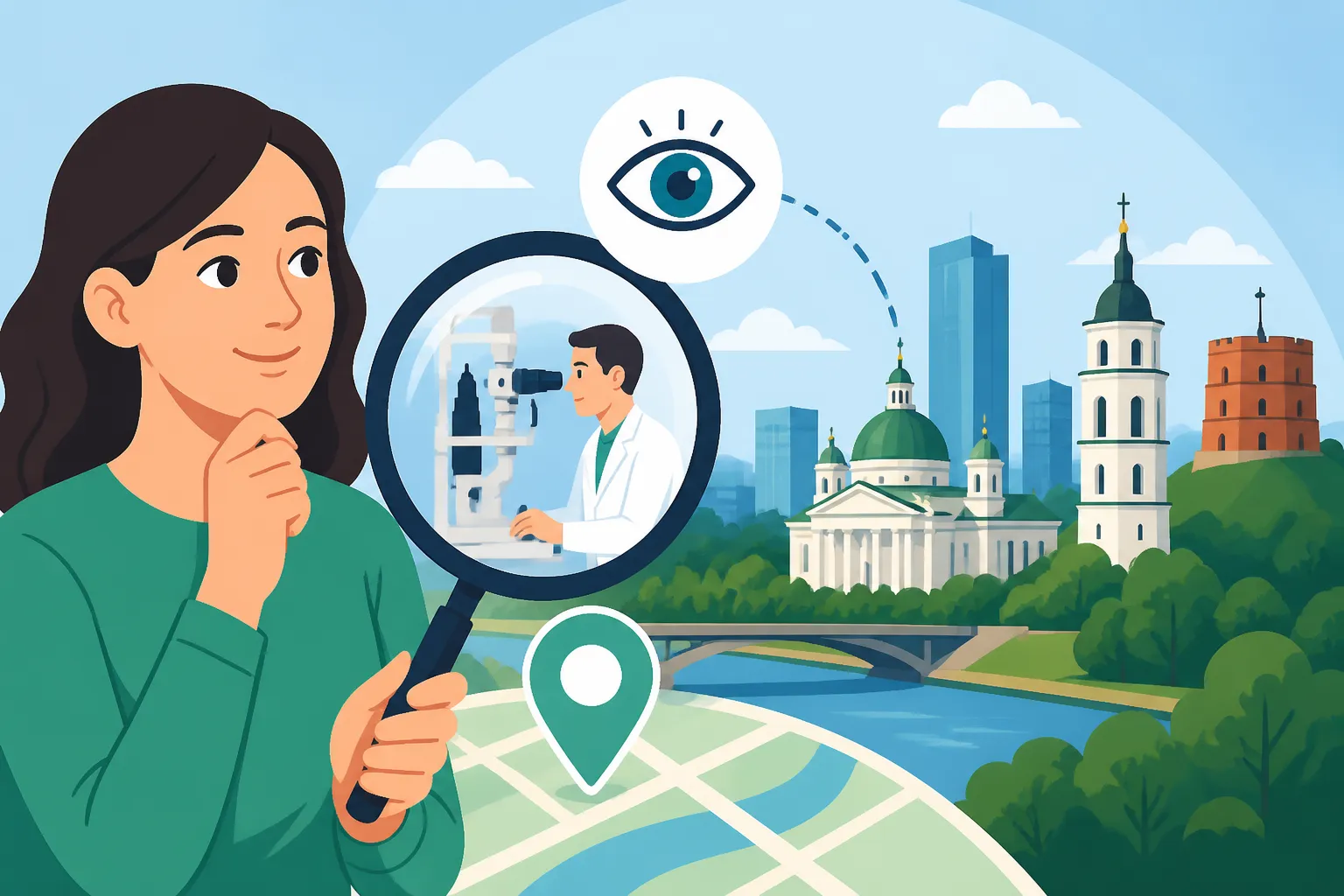
Arriving in a new country, especially one where the language is entirely unfamiliar, can turn even the simplest tasks into a confusing maze. When suddenly your vision blurs, or you develop an eye infection, the panic sets in: "How on earth do I find an eye doctor – an okulistas – in Vilnius?" Believe me, I've been there, squinting at street signs and trying to decipher medical terms. This guide is here to cut through the confusion and walk you through every step of finding and accessing ophthalmological care in Lithuania's capital.
Understanding the Lithuanian Eye Care System Navigating the Basics
When you first land in Lithuania, the healthcare system can feel like a labyrinth of new terms and procedures. Finding a specialist like an ophthalmologist, or okulistas, is no exception. It’s not always as straightforward as just looking up a clinic and walking in, especially if you’re aiming for public healthcare. Knowing the fundamental structure will save you a lot of headaches (and eye strain!).
Public vs. Private Ophthalmologists in Vilnius
Just like back home, Vilnius offers both public and private options for eye care, each with its own set of pros and cons. Understanding these differences is crucial for making an informed decision, especially when your eyes are giving you trouble.
In the public system, you'll typically be seen at a poliklinika (polyclinic), which is a general outpatient clinic. These are usually much more affordable if you're covered by Lithuania's Compulsory Health Insurance (PSD), managed by the Health Insurance Fund (VLK). The main catch? Waiting times. For routine check-ups or non-urgent issues, you could be waiting weeks, sometimes even months, for an appointment with a public okulistas. While the quality of care is generally good, finding an English-speaking doctor in the public system can be a bit of a hit-or-miss affair. You might end up relying on Google Translate or hoping a staff member can help bridge the language gap. The public system functions on a referral basis, meaning your journey usually starts with your family doctor. For a full breakdown of the two systems, you might find our guide on Public vs Private Healthcare in Lithuania: Which Should Expats Choose? incredibly useful.
On the flip side, private clinics are your express lane to eye care. Places like Akių Gydytojų Praktika, Lirema, or Optikos Pasaulis (which often have associated clinics) are popular choices in Vilnius. Here, you'll experience shorter waiting times – often just a few days, sometimes even the same day for urgent cases. You're also much more likely to find English-speaking staff and doctors, making the experience far less stressful. However, this convenience comes at a cost. Consultations can range from €40 to €80 or more, and any additional tests or procedures will add to that bill. If you don't have robust private health insurance, you'll be paying out of pocket. For those who are still sorting out their long-term health insurance or prefer flexibility, some travel insurance options, like SafetyWing, might offer coverage for acute issues, but it's always best to check their specific policy details for specialist visits. This is particularly relevant for those on short stays or early in their expat journey before full PSD coverage kicks in.
Let’s quickly compare:
| Feature | Public Ophthalmologist (Poliklinika) | Private Ophthalmologist (e.g., Lirema, Akių Gydytojų Praktika) |
|---|---|---|
| Cost (with PSD) | Mostly covered (small fee for services) | Out-of-pocket, or covered by private insurance |
| Waiting Times | Longer (weeks to months) | Shorter (days to a week, sometimes same-day) |
| English Speakers | Less common, varies by clinic/doctor | More common, often advertised |
| Referral Required? | Yes, from family doctor (for PSD coverage) | No, can book directly |
| Appointment Booking | Via family doctor or polyclinic reception | Online, phone, or in person |
| Urgency | Best for routine/non-urgent if long waits | Excellent for urgent, acute issues, or preference for speed |
The Role of Your Family Doctor (Šeimos Gydytojas) in Referrals
If you're planning to use the public healthcare system and your PSD is active, your family doctor – the šeimos gydytojas – is your gatekeeper to specialist care, including ophthalmology. This can be a bit frustrating if you're used to direct access, but it's how the system works here.
Your šeimos gydytojas will first assess your eye condition. They might perform a basic eye exam, ask about your symptoms, and determine if a specialist referral (a siuntimas) is indeed necessary. If they deem it so, they will issue you an electronic referral that's linked to your E-Sveikata (e-health) account. This siuntimas is crucial because without it, any visit to a public okulistas will be considered a private consultation, and you'll have to pay the full price out of pocket, even if you have PSD. If you're still looking for a general practitioner, our guide on The Expat Guide to Finding a Family Doctor (Šeimos Gydytojas) in Lithuania will be incredibly helpful.
What if you don't have a family doctor yet, or your PSD registration is still pending? This is where the private clinics shine. You can bypass the šeimos gydytojas completely and book an appointment directly with a private ophthalmologist. This is often the path taken by new arrivals, tourists, or those who simply prefer the convenience and speed, regardless of cost. Remember, getting your Asmens Kodas (Personal Code) and Why It Matters for Healthcare is one of the very first steps to even register with a family doctor and secure your public health insurance. For comprehensive information on how to navigate the system, check out Navigating the Lithuanian Healthcare System: An Expat's Roadmap (2027).
Types of Eye Care Services Available
Vilnius's ophthalmology clinics, both public and private, offer a wide range of services to address various eye health needs. It’s not just about getting new glasses!
- Routine Eye Examinations: These are your standard check-ups to assess your overall eye health, update your prescription for glasses or contact lenses, and screen for common eye conditions. Your šeimos gydytojas might refer you for one of these if you haven't had one in a while or have minor vision changes.
- Diagnosis and Treatment of Eye Diseases: This covers everything from conjunctivitis (pink eye) and dry eye syndrome to more serious conditions like glaucoma, cataracts, macular degeneration, and diabetic retinopathy. Ophthalmologists are trained medical doctors who can prescribe medications, perform minor procedures, and manage chronic eye conditions.
- Emergency Eye Care: If you experience sudden vision loss, a foreign object in your eye, severe eye pain, or a chemical splash, you need immediate attention. While public hospitals have emergency departments, private clinics also often offer urgent appointments. Knowing what to do in such a situation is vital, and our guide on Emergency Medical Care in Lithuania: What Every Expat Needs to Know provides essential information.
- Surgical Procedures: Many clinics, especially private ones or larger public hospitals, perform eye surgeries. This includes cataract removal (which is very common), glaucoma surgery, laser eye surgery (LASIK, PRK for vision correction), and other corrective or reconstructive procedures.
- Pediatric Ophthalmology: For families with children, there are specialists who focus specifically on children's eye health, diagnosing and treating conditions unique to younger patients, such as amblyopia (lazy eye) or strabismus (crossed eyes).
Whether you're dealing with a sudden, alarming symptom or just need an overdue check-up, Vilnius has the resources. The key is knowing which path to take to get the care you need most efficiently.
Step-by-Step: Finding and Booking an Ophthalmologist in Vilnius
So, you've figured out the lay of the land—public versus private, and the referral process. Now, let's get down to the nitty-gritty: actually finding and booking that appointment. This can still feel daunting, especially with a language barrier, but with a clear plan, it's totally manageable.
Leveraging Online Resources and Directories
The internet is your best friend when looking for medical services in a foreign country. In Lithuania, several platforms and search engines can help you pinpoint an okulistas.
- Google Maps and Local Search: Start with a simple Google Maps search for "okulistas Vilnius" or "ophthalmologist Vilnius." This will bring up a list of clinics, often with reviews, addresses, and phone numbers. You can filter by "open now" or "website." Look for clinics that explicitly mention English-speaking staff or services in their descriptions or on their websites. Many private clinics, in particular, are keen to attract international clients and will highlight their multilingual capabilities.
- Clinic Websites: Once you have a few names, visit their websites. Reputable private clinics like Lirema Eye Clinic, Akių Gydytojų Praktika, and Optikos Pasaulis (which combines an optician with a medical clinic) often have well-developed sites with English versions. These sites typically list their doctors, their specializations, and sometimes even their language proficiencies. You'll usually find an online booking system or contact details for scheduling.
- E-Sveikata (E-Health) Portal: If you have an active PSD and an asmens kodas, and you're registered with a family doctor, the E-Sveikata system is where your referrals will live. While you can't directly book a private okulistas here, you can sometimes see your family doctor's referral and even book an appointment at a public polyclinic if slots are available, although the user interface might require some Lithuanian knowledge or browser translation. Familiarizing yourself with Understanding the E-Sveikata (E-Health) System in Lithuania is a great idea for any long-term resident.
When browsing, don't be afraid to look for keywords like "anglų kalba" (English language), "užsieniečiams" (for foreigners), or "tarptautiniams pacientams" (for international patients). If a clinic's website doesn't offer an English option, try using your browser's built-in translation feature. It might not be perfect, but it will give you the gist of the information.
Private Clinics for Quicker Access and English Support
For many expats, especially those who prioritize speed and clear communication, private clinics are the go-to option. They offer a more streamlined experience, often designed with international patients in mind.
- Direct Booking: Unlike the public system, you can directly book an appointment with a private ophthalmologist without a referral. This means no waiting for your family doctor appointment just to get another referral.
- Higher Likelihood of English Speakers: Private clinics actively market to expats and are more likely to employ doctors and administrative staff who speak English fluently. This significantly reduces stress and potential misunderstandings during your consultation. Many clinics will allow you to specifically request an English-speaking doctor when booking.
- Advanced Equipment and Comfortable Environment: Private clinics often boast modern equipment and a more comfortable, less bustling environment than public polyclinics. This can make the experience feel a bit more reassuring.
- Examples in Vilnius:
- Lirema Eye Clinic (Akių Klinika Lirema): A very well-known private eye clinic with multiple locations, offering a comprehensive range of services from routine check-ups to complex surgeries. They are generally quite expat-friendly.
- Akių Gydytojų Praktika: Another highly-regarded private practice, known for its professionalism and range of services.
- "Optikos Pasaulis" outlets with clinics: While primarily opticians, many "Optikos Pasaulis" stores have associated medical practices where you can see an ophthalmologist. This can be convenient if you're also looking to get new glasses.
- Gijos Klinikos: While a broader medical clinic, Gijos Klinikos in Kaunas has specialists across various fields, including ophthalmology, and is known for its modern approach and often English-speaking staff. It’s a bit of a drive from Vilnius, but worth knowing about if you’re looking for options.
When contacting private clinics, whether online or by phone, be explicit about your need for an English-speaking doctor. Don't assume. A simple "Ar gydytojas kalba angliškai?" (Does the doctor speak English?) can save you a lot of trouble.
The Importance of Health Insurance and Payments
Understanding how payments work is crucial to avoid any nasty surprises. This is where your health insurance status truly comes into play.
- Compulsory Health Insurance (PSD): If you are legally residing and working in Lithuania, you are generally required to contribute to the PSD system, which is managed by the Health Insurance Fund (VLK). Once your PSD is active, and you have a referral from your family doctor, most public ophthalmology services will be covered, often with only a small co-payment for certain procedures or materials. However, if you see a public okulistas without a referral, you'll pay out of pocket, just like a private patient. Make sure you understand How to Register for Compulsory Health Insurance (PSD) as a Foreigner in Lithuania.
- Private Health Insurance: Many expats opt for supplementary private health insurance, either purchased locally or from an international provider. This can cover visits to private clinics, give you access to a wider network of English-speaking doctors, and significantly reduce waiting times. If you have private insurance, make sure to check what your policy covers specifically for specialist consultations, eye tests, and potential treatments or surgeries. Some policies might have deductibles or co-pays. When you visit a private clinic, you’ll typically pay upfront and then submit a claim to your insurance provider for reimbursement.
- Travel Insurance (e.g., SafetyWing): For those on shorter stays, digital nomads, or new arrivals still getting settled, travel insurance might be your primary safety net. Services like SafetyWing are popular among this demographic. They generally cover acute illnesses and injuries, which might include a sudden eye infection or injury. However, routine check-ups, pre-existing conditions, or vision correction (like glasses prescriptions) are usually not covered. Always, always read the fine print of your travel insurance policy to understand exactly what is and isn't covered when seeking specialist care, especially before booking a non-emergency appointment. It's a lifesaver for unexpected issues, but not a substitute for comprehensive long-term health insurance.
- Out-of-Pocket Payments: If you don't have PSD, private insurance, or your travel insurance doesn't cover your specific need, you will pay for the services out of pocket. Private clinics will provide you with a detailed invoice, which can sometimes be useful if you plan to claim it back on insurance later or for tax purposes in your home country. For an idea of general costs, you can consult our detailed article on The Cost of Healthcare in Lithuania: A Complete Breakdown for Foreigners (2026).
Before your appointment, it's always a good idea to confirm the expected cost of the consultation and any initial tests. Don't hesitate to ask the clinic's reception staff about payment methods and insurance procedures. They are usually accustomed to explaining this to foreigners.
Practical Tips and What to Expect During Your Appointment
Alright, you've done the hard work of finding and booking. Now, let's talk about the actual appointment. Being prepared can alleviate a lot of anxiety and ensure you get the most out of your visit to the okulistas.
Language Barriers and Communication Strategies
Even in expat-friendly clinics, a language barrier can sometimes pop up. Don't let it deter you; there are ways to navigate it.
- Ask for an English-Speaking Doctor: As mentioned, when booking, explicitly request an English-speaking doctor. Most private clinics will accommodate this if possible.
- Prepare Key Phrases: Have a few essential Lithuanian phrases ready, or at least written down. "Mano akys skauda" (My eyes hurt), "Man reikia apžiūros" (I need an examination), "Ar galite kalbėti angliškai?" (Can you speak English?). Even a little effort goes a long way.
- Use Translation Apps: Google Translate or other similar apps can be invaluable. You can type in your symptoms or what you want to ask and show it to the doctor or reception. Some apps even have a voice translation feature, which can facilitate simple conversations.
- Bring a Friend: If you have a Lithuanian-speaking friend or colleague, ask if they can accompany you, especially for a first appointment or if you anticipate needing to discuss complex medical information. Having someone to translate can significantly reduce stress and ensure clarity.
- Be Patient and Clear: Speak slowly and clearly, avoiding slang or overly complex sentences. Use gestures if necessary. Doctors are used to dealing with language barriers and will usually try their best to understand you.
It can feel a bit like a game of charades sometimes, but remember, the goal is to get you the best care possible, and most medical professionals are dedicated to that. If you find yourself frequently needing medical help, our guide on How to Find an English-Speaking Doctor in Lithuania offers more general advice.
What to Bring to Your Appointment
Being organized can make your appointment much smoother. Here’s a checklist of what you should typically bring:
- Personal Identification: Your passport or Lithuanian ID card is essential for registration, especially if it's your first visit to a clinic.
- Asmens Kodas: Your personal code (if you have one) is crucial for linking your medical records and insurance status to your identity.
- Health Insurance Information:
- For PSD: Your Lithuanian residence permit (which indicates your PSD status), or any official document proving your active compulsory health insurance.
- For Private Insurance: Your insurance card, policy number, and any relevant contact information for your insurer.
- For Travel Insurance (like SafetyWing): Your policy documents, including your policy number and emergency contact details. Have it readily accessible, perhaps saved on your phone.
- Previous Medical Records: If you have any relevant previous eye exam results, prescriptions for glasses or contact lenses, or a history of eye conditions, bring them along. Even if they're not in English, the numbers and charts can often be understood by a medical professional.
- Current Glasses or Contact Lenses: If you wear them, bring your current pair of glasses and the boxes or prescriptions for your contact lenses. This helps the okulistas assess your current vision correction.
- List of Medications: A list of all medications you are currently taking, including dosages, even if they are unrelated to your eyes. This is standard practice for any medical appointment.
- Questions: Write down any questions you have for the doctor beforehand. This ensures you don't forget anything important due to nerves or language difficulties.
Follow-up Care and Prescription Eyewear
Your appointment doesn't always end when you walk out the door. Often, there's follow-up care or obtaining your prescription eyewear.
- Prescriptions for Medications: If the ophthalmologist prescribes medication (eye drops, antibiotics, etc.), you will receive an electronic prescription (e-receptas) linked to your E-Sveikata account. You can then take your ID (or just provide your asmens kodas) to any vaistinė (pharmacy) in Lithuania to pick up your medication. For more detailed information, consult our guide on Prescription Medications and Pharmacies in Lithuania: The Complete Guide.
- Prescriptions for Glasses or Contact Lenses: After your eye exam, if you need new corrective lenses, the ophthalmologist will provide you with a prescription. You can take this prescription to any optical shop (optika) to purchase new glasses or contact lenses. Vilnius has numerous optical shops, including large chains like Optikos Pasaulis, Fielmann, and Vision Express. The staff there are usually well-versed in interpreting prescriptions and can help you choose frames and lenses.
- Follow-up Appointments: If the doctor recommends a follow-up, make sure you understand when and how to book it. If it's for a chronic condition, your šeimos gydytojas may need to issue a new referral for subsequent public visits.
- Recording Information: After your appointment, make a note of the doctor's name, the clinic's details, the diagnosis, and any recommended treatment. This can be invaluable for future reference or if you need to explain your situation to another medical professional.
Finding an ophthalmologist in Vilnius might seem like a small hurdle in your expat adventure, but getting it sorted brings immense peace of mind. With this roadmap, you should feel much more confident in securing the eye care you need.
Disclaimer
Please remember that this guide provides general information based on typical experiences in Lithuania. Healthcare systems and regulations can change, and individual situations vary greatly. Always consult with official sources, your healthcare provider, or a legal professional for personalized advice. This information is not a substitute for professional medical or legal counsel.