How Do I Handle a Hospital Stay as a Non-Lithuanian Speaker?
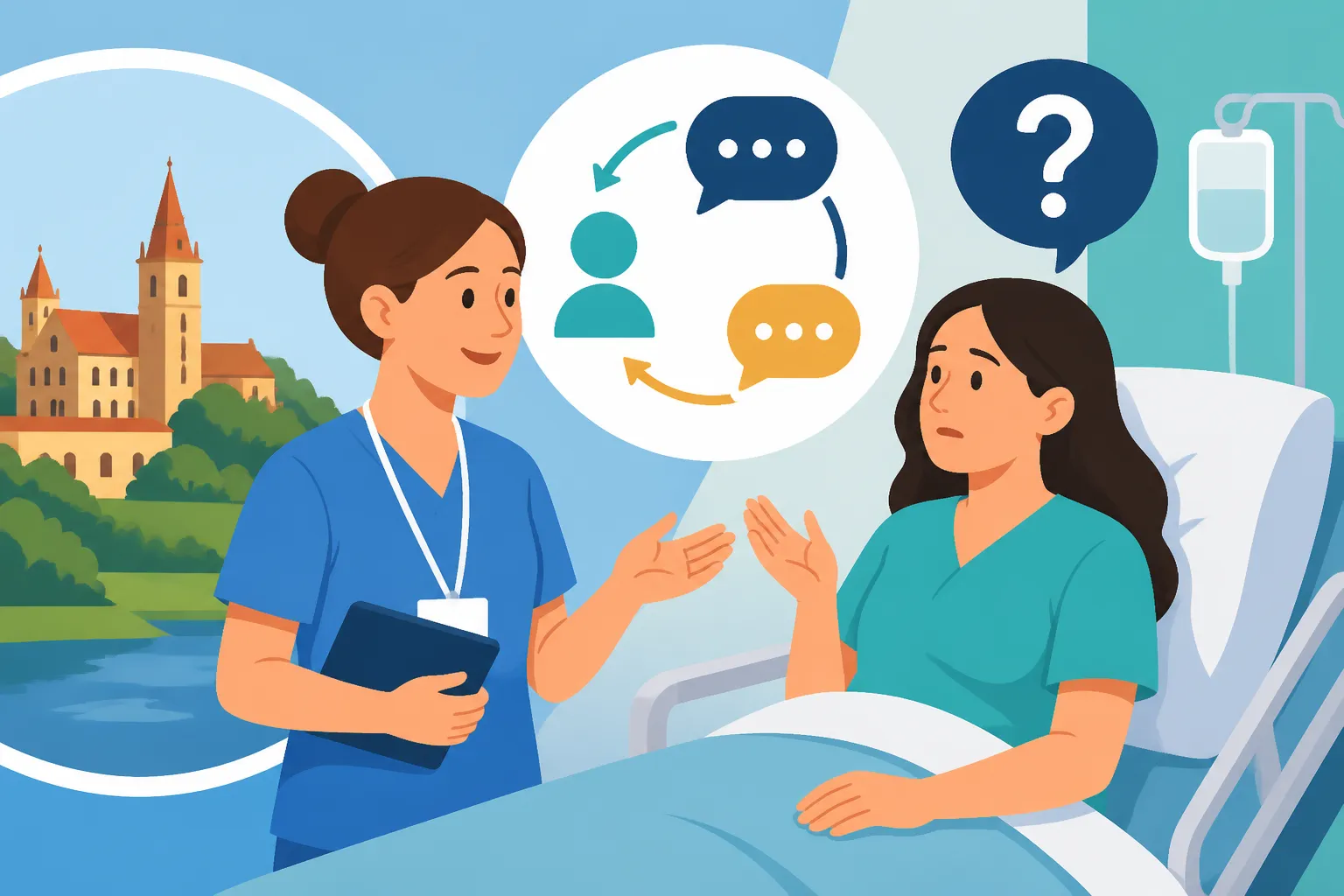
Finding yourself in a hospital in a foreign country is a truly daunting experience, but when you add a significant language barrier to the mix, it can feel downright terrifying. Many of us expats have been there, facing the bewildering reality of medical emergencies where you can't understand the doctor, the nurses, or even the forms you’re meant to sign. This guide is here to walk you through exactly how to navigate a hospital stay in Lithuania when your Lithuanian skills aren't quite up to medical terminology, offering practical advice and empathetic understanding for those stressful moments.
The Initial Shock and What to Expect in a Lithuanian Hospital
When an unexpected medical emergency strikes, the first few moments can be a blur of fear and confusion. For expats in Lithuania, this is often compounded by the unfamiliarity of the healthcare system and the potential for a language barrier. It’s crucial to understand the environment you’re entering and how to manage those critical initial interactions.
Understanding the Lithuanian Hospital System Ligoninė
First off, let's get acquainted with the term: a hospital in Lithuanian is a ligoninė. These institutions, particularly the larger ones in cities like Vilnius or Kaunas, are generally well-equipped and staffed by competent medical professionals. However, the patient experience, especially for a non-Lithuanian speaker, can differ significantly from what you might be used to in your home country. You might find a more direct communication style, and sometimes, a less "hand-holding" approach. This isn't a reflection of care quality, but often a cultural nuance.
It's common to feel a sense of isolation when admitted to a hospital. You might be in a multi-bed ward, potentially with other patients and visitors speaking Lithuanian around you, making you feel even more cut off. The staff might be busy, and while many younger doctors and nurses, particularly in larger urban centers and private clinics, do speak English, it's not a guarantee, especially for ancillary staff or in smaller regional hospitals. This can be a source of immense frustration and anxiety, making simple tasks like asking for water or understanding medication instructions feel like monumental hurdles. This is where understanding the flow of Emergency Medical Care in Lithuania: What Every Expat Needs to Know becomes paramount, helping you anticipate the initial processes.
Communicating in a Crisis Immediate Steps
In an emergency, every second counts, and effective communication is critical. If you're conscious and able to communicate, even in English, it's vital to try. The emergency number in Lithuania is 112, and operators usually speak English. When the ambulance (greitoji) arrives, try to convey essential information: what happened, any known allergies, existing medical conditions, and medications you're taking. Don't worry about perfect grammar; just get the facts out.
Once you arrive at the hospital, the initial assessment will involve triage. Again, try to articulate your symptoms clearly. Point to where it hurts, use simple words, and repeat yourself if necessary. Medical staff are trained to deal with emergencies, and they will usually try their best to understand or find someone who can help. Many hospitals in Vilnius, for example, have at least some English-speaking staff in the emergency department. If you have an international health insurance provider like SafetyWing, their emergency assistance line can sometimes offer immediate support, even connecting you with translation services. Don't be shy about stating "English, please" (Angliškai, prašau – pronounced: Ahn-glish-kai, prah-shau) to every staff member you encounter. It might not always yield an English speaker, but it's the fastest way to find one.
Bridging the Language Gap: Strategies for Communication
Once the immediate crisis has passed and you're settled into the ligoninė, the real challenge of sustained communication begins. This isn't just about understanding your diagnosis; it's about feeling heard, consenting to treatment, and managing your daily needs.
Interpreters and Translation Services
Ideally, every hospital would have dedicated medical interpreters for non-Lithuanian speakers, but in reality, this is not always the case, especially in the public system.
- Professional Medical Interpreters: Some larger hospitals or private clinics might have access to professional medical interpreters, either in-house or on-call. It's worth asking if this service is available. Your health insurance provider, particularly if it's an international plan like SafetyWing, might also offer or coordinate interpretation services as part of their emergency assistance benefits. Always check your policy details beforehand.
- Family or Friends: If you have a trusted friend or family member who speaks Lithuanian, they can be an invaluable asset. They can act as an informal interpreter, explaining things to you and advocating on your behalf. However, be mindful that medical terminology can be complex, and even a fluent non-professional might struggle to convey precise details accurately. Also, ensure you're comfortable sharing sensitive medical information through them.
- Embassy or Consulate: For non-EU citizens, your embassy or consulate might be able to offer assistance or refer you to reliable local interpreting services, especially for official documents or complex legal procedures related to your stay.
When an interpreter is present, whether professional or informal, ensure they understand the importance of direct translation rather than paraphrasing. Ask for clarification if something doesn't sound right or if you don't fully grasp the explanation.
Leveraging Technology and Visual Aids
When human interpreters are scarce, technology can be your best friend.
- Translation Apps: Google Translate, DeepL, or similar apps on your smartphone can be lifesavers. While not perfect for nuanced medical conversations, they can help with simple questions, instructions, and symptom descriptions. Type out what you need to say, or use the speech-to-text function. Show the translated text to the doctor or nurse. Have them speak into the app for you.
- Phrasebooks and Medical Dictionaries: Carry a small phrasebook with common medical terms or download a medical dictionary app. Knowing basic phrases like "I have pain" (Man skauda), "Where is the bathroom?" (Kur yra tualetas?), or "My head hurts" (Man skauda galvą) can make a significant difference in routine interactions.
- Visual Aids: Don't underestimate the power of non-verbal communication. Point to parts of your body, use gestures to describe pain (sharp, dull, throbbing), and draw simple diagrams if necessary. If you have any medical documents from home (e.g., a list of medications, diagnoses), bring them along. Visuals can transcend language barriers. Remember, when trying to convey symptoms or pain levels, a simple pain scale diagram can be universally understood.
Advocating for Yourself and Asking for English-Speaking Staff
While it might feel intimidating, you have the right to understand your medical care.
- Politely Insist on English: From the moment you're admitted, make it clear that you require communication in English. Use the phrase "Angliškai, prašau" (English, please) consistently. Don't assume silence means understanding. If the person doesn't speak English, they might be able to find a colleague who does.
- Request a Dedicated Point Person: Ask if there can be one specific nurse or doctor designated to communicate with you, especially if they have better English skills. This can help streamline information flow and reduce confusion.
- Don't Be Afraid to Ask for Repetition: If you don't understand something, don't pretend you do. Ask the doctor or nurse to repeat, simplify, or write down key information. For example, "Could you please write down the name of the medication?" (Ar galėtumėte užrašyti vaistų pavadinimą?).
- Document Everything: Keep a small notebook and pen by your bedside. Jot down names of doctors, nurses, any instructions, medication names, and questions you have. This creates a record you can refer to and helps you organize your thoughts. It also gives you something tangible to show staff if you need clarification later. Being prepared with such notes is also helpful when you later try to use services like How to Claim Healthcare Cost Reimbursement in Lithuania.
Navigating the Practicalities During Your Stay
Beyond the immediate communication, a hospital stay involves numerous practicalities, from understanding treatment plans to handling payment, all of which become more complex with a language barrier.
Understanding Medical Procedures and Consent
One of the most critical aspects of hospital care is informed consent. You need to understand what procedures are being proposed, why they are necessary, the risks, benefits, and alternatives before you can give consent.
- Demand Clarity: Do not sign any consent forms or agree to any procedures unless you fully understand what they entail. If there's no interpreter, use your translation app or ask them to explain it in the simplest possible terms, perhaps with diagrams.
- Question Medications: Before taking any medication, ask what it is, what it's for, and what the dosage is. You can write down the name and Google it later if you're still unsure. Many prescription medications and pharmacies in Lithuania operate under clear protocols, but understanding your own intake is vital.
- Get a Written Plan: Ask if they can provide a written summary of your treatment plan, even if it's in Lithuanian. You can then use a translation app or ask a Lithuanian-speaking friend to help you decipher it. This applies to Understanding Hospital Care at a Lithuanian Ligoninė in general, where clear documentation is key.
Dealing with Administration and Paperwork
Lithuanian bureaucracy can be challenging even for fluent speakers, let alone when you're unwell and facing a language barrier.
- Admission Forms: When admitted, you'll need to fill out forms. If no English versions or English-speaking staff are available, ask for help from a friend or use a translation app line by line. Key information will include your personal data, contact details, emergency contacts, and insurance information.
- Insurance Details: Make sure the hospital has your correct health insurance details, whether it’s your Compulsory Health Insurance (PSD), private Lithuanian insurance, or an international plan. If you have an EHIC (European Health Insurance Card), ensure they have those details. Providers like SafetyWing often require specific documentation from the hospital for claims, so collect all receipts, discharge summaries, and any medical reports.
- Payment: Even with public insurance, there might be co-payments for certain services or medications. Private clinics will have their own billing procedures. Ask for a detailed invoice (sąskaita) and ensure you understand what you're being charged for. Don't be afraid to ask for a breakdown.
Post-Discharge Instructions and Follow-up
Leaving the hospital, or "išrašymas" (discharge), is another critical phase where clear communication is paramount to ensure a smooth recovery.
- Clear Instructions: Before you leave, demand clear, written discharge instructions. This should include:
- Diagnosis
- Medications (name, dosage, frequency)
- Dietary restrictions
- Activity restrictions
- Follow-up appointments (date, time, location, doctor's name)
- Warning signs to look out for
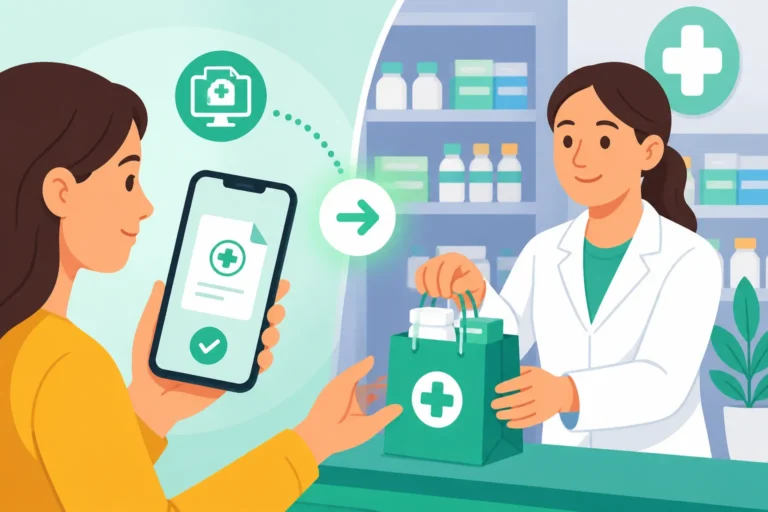
- Medication Procurement: Understand where and how to get your prescriptions filled. Most pharmacies (vaistinė) in Lithuania operate on an electronic prescription (e-receptas) system. Ensure you know if your prescription has been sent electronically or if you have a paper copy. This is crucial for Understanding the Electronic Prescription (E-Receptas) System in Lithuania.
- Follow-up Appointments: If you need to see a specialist or your family doctor (šeimos gydytojas) for follow-up, make sure you understand the referral process. This often involves an e-referral (siuntimas) from your family doctor to a specialist. For guidance on this, see How E-Referrals (Siuntimas) Work for Specialists in Lithuania. If you're unsure about your existing family doctor, remember you can always consult resources like The Expat Guide to Finding a Family Doctor (Šeimos Gydytojas) in Lithuania.
Preparation is Key: Before You Need a Hospital
While we all hope to avoid hospital stays, being prepared can drastically reduce stress and complications if one does occur. Think of this as your expat emergency toolkit.
Essential Information to Keep Handy
Having critical information readily accessible can save precious time and alleviate confusion during an emergency.
- Personal Identification: Always carry your ID card or passport, and your Lithuanian residence permit.
- Asmens Kodas: Your Lithuanian personal code (asmens kodas) is essential for accessing healthcare. Make sure you know it by heart or have it written down. If you don't have one, understanding How to Get Your Asmens Kodas Personal Code and Why It Matters for Healthcare is a vital first step.
- Medical Information Sheet: Create a concise document (in English and perhaps a translated Lithuanian version) that includes:
- Your full name, date of birth, and Asmens Kodas.
- Emergency contact person (name, phone number, relationship), including a Lithuanian-speaking contact if possible.
- Known allergies (especially to medications).
- Current medications (names and dosages).
- Pre-existing medical conditions.
- Blood type (if known).
- Your preferred language for communication.
- Insurance Information: Keep your health insurance card and policy number handy. This applies whether you have state-funded Compulsory Health Insurance (PSD), private Lithuanian insurance, or an international plan. For those with travel insurance, having your policy details for SafetyWing or similar providers can give you access to emergency assistance lines.
- Basic Lithuanian Phrases: Learn a few key medical phrases. Even simple greetings and expressions of pain can make a difference.
The Role of Health Insurance
Your health insurance is not just about covering costs; it can be a vital link in ensuring you receive appropriate care, especially with a language barrier.
- Understanding Your Coverage: Know what your insurance covers. If you have the state-funded PSD, you're generally covered for public healthcare services. If you have private health insurance, understand its benefits, including any provisions for emergency assistance or medical evacuation. You can learn more about Understanding Private Health Insurance Plans in Lithuania.
- Emergency Assistance Lines: Many private and international health insurance providers, including those like SafetyWing, offer 24/7 emergency hotlines. These lines can often connect you with medical professionals who speak your language, provide guidance on navigating the local system, and even arrange for medical repatriation if necessary. They can also help coordinate with the hospital on your behalf, bridging the communication gap.
- Documentation for Reimbursement: Be diligent about collecting all medical reports, receipts, and invoices. Your insurance provider will require these for any claims or reimbursements. For a deeper dive into the overall system, refer to Navigating the Lithuanian Healthcare System: An Expat's Roadmap (2026).
Being prepared is about empowering yourself. While a hospital stay is never pleasant, having these tools and knowledge can significantly ease the burden of the language barrier and allow you to focus on what truly matters: your recovery.
Useful Phrases for Your Hospital Stay in Lithuania
| English Phrase | Lithuanian Phrase | Pronunciation (Approx.) | Context |
|---|---|---|---|
| English, please | Angliškai, prašau | Ahn-glish-kai, prah-shau | To ask if someone speaks English. |
| I don't understand | Nesuprantu | Neh-soo-pran-too | When you don't comprehend. |
| Can you repeat that? | Gal galite pakartoti? | Gahl gah-li-teh pah-kar-toh-ti? | To ask for repetition. |
| I have pain | Man skauda | Mahn skah-oo-dah | General pain. |
| Where does it hurt? | Kur skauda? | Koor skah-oo-dah? | Doctor asking where you hurt. |
| My head hurts | Man skauda galvą | Mahn skah-oo-dah gahl-vah | Specific pain in the head. |
| My stomach hurts | Man skauda pilvą | Mahn skah-oo-dah peel-vah | Specific pain in the stomach. |
| I have an allergy to… | Esu alergiškas/alergiška… | Eh-soo ah-ler-gish-kas/ah-ler-gish-ka… | For males/females, stating allergies. |
| Medication | Vaistas | Vah-ees-tas | General term for medicine. |
| Water, please | Vandens, prašau | Vahn-dens, prah-shau | Asking for water. |
| Bathroom / Toilet | Tualetas | Too-ah-leh-tahs | Asking for the restroom. |
| I need a doctor | Man reikia gydytojo | Mahn reh-ee-kah gih-dee-toh-yoh | To request medical attention. |
| I need a nurse | Man reikia seselės | Mahn reh-ee-kah seh-seh-lehs | To request a nurse. |
| How much does it cost? | Kiek tai kainuoja? | Kee-ek tah-ee kah-ee-noo-yah? | Asking for the price of something. |
| I have health insurance | Turiu sveikatos draudimą | Too-ri-oo sveh-kah-tos drow-di-mah | Informing about your health insurance. |
| Thank you | Ačiū | Ah-choo | General thanks. |
| Yes / No | Taip / Ne | Tah-eep / Neh | Basic affirmation/negation. |
| I feel sick / unwell | Jaučiuosi blogai | Yow-choo-oh-see bloh-gah-ee | General feeling of being unwell. |
Disclaimer
The information provided in this guide is intended for general informational purposes only and does not constitute professional medical, legal, or financial advice. While we strive to offer accurate and up-to-date information, the Lithuanian healthcare system, laws, and regulations can change. Always consult with qualified professionals for advice tailored to your specific situation. Reliance on any information in this guide is solely at your own risk.