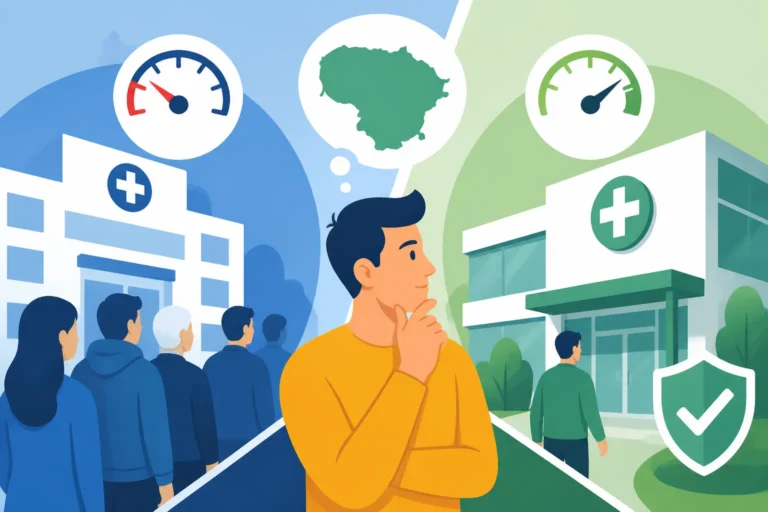
How to Access Mental Health Services in Lithuania as an Expat
Moving to a new country like Lithuania brings an incredible rush of excitement, but it also strips away your familiar support systems and drops you into a different administrative environment. Many expats find themselves struggling with "the winter blues" or the isolation of living in a foreign culture, yet they feel completely paralyzed when it comes to seeking professional help. This guide provides a detailed roadmap for navigating both the public and private mental health systems in Lithuania, ensuring you know exactly where to turn when the weight of relocation becomes too heavy to carry alone.
Understanding the Landscape of Mental Health Support in Lithuania
Lithuania has made significant strides in modernizing its psychiatric and psychological care over the last decade. Historically, mental health carried a heavy social stigma in the Baltic region, often associated with institutionalization. However, today’s reality is far more progressive. The system is split between public services, which are funded through your social insurance, and a robust private sector that offers more flexibility and a higher likelihood of finding English-speaking practitioners. For anyone just arriving, Navigating the Lithuanian Healthcare System: An Expat's Roadmap (2027) is a great place to start understanding the general structure before diving into specialized care.
The Evolution of Public Care and the PSC Model
The backbone of the public mental health system is the Mental Health Center, or Psichikos Sveikatos Centras (PSC). These centers are usually attached to or affiliated with your local polyclinic. Unlike many other European countries where you might need to jump through several hoops to see a psychologist, Lithuania’s PSCs are designed to be accessible. Every person registered with the Compulsory Health Insurance (PSD) is automatically entitled to services at the PSC where their family doctor is registered.
In these centers, you typically have access to a team consisting of a psychiatrist, a psychologist, and a social worker. The primary focus here is on clinical diagnosis and outpatient treatment. While the infrastructure might feel a bit utilitarian and "Soviet-era" in some older buildings, the medical standards are strictly regulated. If you are still figuring out where your local hub is, you should read about Understanding the Role of the Polyclinic (Poliklinika) in Lithuania to understand how these institutions operate as the first point of contact for all health issues.
The Private Sector and International Standards
For many expats, the private sector is the preferred choice, primarily due to the language barrier. Private clinics in Vilnius, Kaunas, and Klaipėda often look and feel like high-end wellness centers, with therapists who have often trained abroad. These clinics do not require a referral from a family doctor, and you can usually book an appointment within a week, compared to the potentially longer wait times in the public system.
Private care is also where you will find more specialized therapeutic modalities, such as Cognitive Behavioral Therapy (CBT), Gestalt therapy, or EMDR. While the public system is excellent for psychiatric medication management and basic counseling, the private sector offers the long-term, intensive psychotherapy that many expats find necessary to process the complexities of international life. If you are moving here as a digital nomad or are in the gap between jobs, having a policy like SafetyWing can be a lifesaver, as it provides a safety net for unexpected medical needs while you are transitioning into the local public system.
Cultural Attitudes and the Expat Experience
It is worth noting that while the medical system is modern, the cultural approach to mental health in Lithuania is still evolving. You might find that older generations are more reserved about discussing mental health, but the younger generation of doctors and therapists is incredibly open and empathetic. As an expat, you may experience "relocation depression," a specific type of situational depression that local doctors are becoming increasingly familiar with.
The long, dark winters are another factor that shouldn't be underestimated. Seasonal Affective Disorder (SAD) is a real phenomenon here, and local practitioners are experts at treating it, often recommending light therapy or specific Vitamin D regimens alongside traditional counseling. Acknowledging that your mental health might fluctuate with the seasons is the first step toward staying healthy in the Baltics.
Accessing Public Mental Health Services Through PSD
If you are employed in Lithuania or are self-employed and paying your monthly contributions, you are covered by Compulsory Health Insurance. This is the most cost-effective way to receive care, though it requires a bit of administrative navigation. The first thing you need to ensure is that your insurance status is active. You can check this through the Sodra portal or by visiting your local clinic.
The Role of the Family Doctor and Initial Consultations
In Lithuania, your Šeimos Gydytojas (Family Doctor) acts as the gatekeeper to most specialized services. However, a unique feature of the Lithuanian system is that you often do not need a formal referral (siuntimas) to see a psychiatrist at your registered PSC. You can simply call the registration desk of the mental health center associated with your polyclinic and request an appointment.
That said, if you are experiencing physical symptoms of anxiety or depression—such as insomnia or chronic fatigue—starting with your family doctor is wise. They can run blood tests to rule out thyroid issues or vitamin deficiencies before referring you to a psychologist. For a deeper look at how to get this process started, check out The Expat Guide to Finding a Family Doctor (Šeimos Gydytojas) in Lithuania so you have a trusted professional to manage your overall health.
What is Covered by the PSDF?
The Compulsory Health Insurance Fund (PSDF) covers a wide range of services. This includes consultations with a psychiatrist, diagnostic assessments by a psychologist, and a certain number of psychotherapy sessions. It also covers the cost (or a significant portion of the cost) of psychiatric medications, provided they are prescribed through the electronic system.
| Service Type | Public System (PSD Covered) | Private System (Out-of-Pocket) |
|---|---|---|
| Psychiatrist Consultation | Free (at registered PSC) | €60 – €120 |
| Psychological Counseling | Free (limited sessions) | €40 – €80 per session |
| Psychiatric Medication | Subsidized (often 80-100%) | Full price (unless insured) |
| Referral Needed? | Generally No (for Psychiatry) | No |
| Wait Times | 2 – 4 weeks | 1 – 7 days |
| Language | Primarily Lithuanian/Russian | English/Lithuanian/Russian |
Understanding How Lithuania's Health Insurance Fund (VLK/PSDF) Works: A Full Overview will give you a clearer picture of the financial side of these public services and what you might still be expected to pay for, such as specific non-essential medications.
Navigating the Referral System for Specialized Care
While basic psychiatric care is accessible directly, more specialized inpatient care or specific rehabilitation programs may require a referral. This is where the siuntimas comes into play. If your PSC psychiatrist determines that you need more intensive treatment, such as a stay in a "day-hospital" (dienos stacionaras), they will issue an e-referral.
The day-hospital model is very popular in Lithuania. It allows patients to receive intensive therapy, group sessions, and art therapy during the day while returning home in the evening. It is an excellent middle-ground for those who need more than an hour of therapy a week but do not require full hospitalization. For more on how these documents are handled, see How E-Referrals (Siuntimas) Work for Specialists in Lithuania.
Finding English-Speaking Therapists and Private Care
For most expats, the biggest hurdle in the public system is the language. While many younger doctors speak English, the administrative staff at polyclinics often do not. This can make the simple act of booking an appointment a stressful ordeal. Consequently, many foreigners gravitate toward the private sector, where English is the standard for international clients.
Where to Search for English-Speaking Professionals
Vilnius is the hub for English-speaking therapy, with many clinics specifically catering to the diplomatic and expat communities. Organizations like the "Asmens Sveikatos Klinika" or "Neuromeda" have multiple branches and a roster of specialists who are fluent in English. When searching, look for the term Psichoterapija (Psychotherapy) or Psichologinė pagalba (Psychological help).
Another excellent resource is the "Lithuanian Association for Cognitive and Behavioral Therapy." Their website often lists members and their spoken languages. If you are struggling to find someone who fits your specific needs, How to Find an English-Speaking Doctor in Lithuania provides broader tips on navigating the search for English-capable medical professionals across all disciplines.
Utilizing Online Therapy and Global Platforms
If you cannot find a local therapist who resonates with you, or if you live in a smaller town like Šiauliai or Panevėžys where English-speaking options are limited, online therapy is a perfectly valid and widely used alternative. Many Lithuanian private therapists offer Zoom sessions, or you can use international platforms.
If you are a frequent traveler or a digital nomad, SafetyWing insurance can be particularly useful here. Their policies are designed for people who move between borders, and they understand the need for flexible healthcare solutions. While many travel insurances only cover physical emergencies, having a comprehensive plan ensures that if a mental health crisis leads to a medical emergency, you are covered globally.
Costs and Insurance Reimbursement in the Private Sector
Private therapy in Lithuania is relatively affordable compared to Western Europe or the US, but the costs can add up. A standard 50-minute session with a psychologist usually ranges from €50 to €80. Psychiatrist consultations are typically more expensive, often starting at €80 for an initial assessment.
If you have private health insurance through your employer in Lithuania (a common perk in the tech and fintech sectors), mental health services are often covered under a "Well-being" or "Specialist" limit. You usually pay upfront and then submit the invoice for reimbursement. Be sure to check The Cost of Healthcare in Lithuania: A Complete Breakdown for Foreigners (2026) to help budget for these expenses if your insurance doesn't cover the full amount.
Crisis Management and Emergency Mental Health Care
In a mental health emergency, the procedure is the same as any other medical crisis. You need to know which numbers to call and where the nearest psychiatric emergency room is located. Lithuania has a centralized system that is efficient but can be intimidating if you don't know what to expect.
Emergency Numbers and Immediate Assistance
If you or someone you know is in immediate danger, the universal emergency number is 112. The operators generally speak English and can dispatch an ambulance (Greitoji pagalba) if necessary. In the case of an acute mental health crisis, the paramedics will transport the individual to the nearest psychiatric hospital with an emergency department.
In Vilnius, this is usually the Republican Vilnius Psychiatric Hospital (Respublikinė Vilniaus psichiatrijos ligoninė) located in the Naujoji Vilnia district. While the location is a bit far from the city center, it is the primary facility for acute care. For more general information on handling urgent situations, refer to Emergency Medical Care in Lithuania: What Every Expat Needs to Know.
Crisis Helplines and Low-Threshold Support
Sometimes you don't need a hospital, but you do need to talk to someone immediately. Lithuania has several helplines, though English-speaking availability can vary.
- Jaunimo Linija (Youth Line): While targeted at younger people, they provide excellent emotional support.
- Pagalbos Moterims Linija (Women’s Help Line): Specifically for women facing crisis or violence.
- Krizių Įveikimo Centras (Crisis Management Center): Located in Vilnius, they offer initial consultations with psychologists without a prior appointment on a "first-come, first-served" basis for a very low fee.
These services are vital for those moments when you feel overwhelmed but aren't in a life-threatening situation. Having the contact details for these services saved in your phone can provide a significant sense of security.
Navigating the Patient Portal during Follow-up Care
After an emergency or a specialist visit, your records will be updated in the national system known as E-Sveikata. This is incredibly useful because any doctor you see in the future—public or private—can see your treatment history and medication list if you grant them access. This prevents you from having to retell your entire medical history in every new consultation.
You should definitely learn How to Set Up Your Account on the Patient Portal in Lithuania to keep track of your prescriptions and upcoming appointments. If you are ever confused about what a doctor has written in your files, you can also look at How Do I Access My E-Sveikata Health Record Online in Lithuania? for a step-by-step guide on navigating the portal, which is currently available primarily in Lithuanian.
Holistic Support and Expat Communities
Therapy and medication are essential tools, but they are often more effective when combined with a supportive social environment. Integration is one of the best defenses against the depression that can often accompany expat life.
Finding Your Tribe in Lithuania
Loneliness is often the root cause of mental health struggles for foreigners. Joining expat groups on Facebook, such as "Foreigners in Vilnius" or "Expats in Kaunas," can help you find people who are going through the exact same struggles. There are also specific "International Women's Associations" and hobby-based groups (like hiking or board games) that provide a low-pressure way to build a social circle.
Shared experiences are a powerful form of informal therapy. Hearing another expat talk about their frustrations with the Migration Department or the difficulty of learning the Lithuanian language can validate your feelings and make you feel less "crazy" for struggling.
Lifestyle Adjustments for the Baltic Climate
As mentioned before, the climate plays a significant role in mental well-being in Lithuania. From November to March, the lack of sunlight can be grueling. Expats from sunnier climates often find this the hardest part of living here.
- Light Therapy: Investing in a 10,000 lux SAD lamp can make a noticeable difference in your energy levels.
- Vitamin D: Almost everyone in Lithuania needs to supplement Vitamin D during the winter. Consult your family doctor for the correct dosage.
- Physical Activity: Lithuania has beautiful forests and parks. Even in winter, a walk in Vingis Park or the Curonian Spit can help clear your mind.
When to Seek Help: The "90-Day Rule"
Many veterans of the expat life suggest the "90-day rule." The first three months are usually a honeymoon phase or a blur of paperwork. It is often after the 90-day mark that the reality of the move sets in, and mental health issues can surface. If you find that after three or four months you are still struggling to sleep, feeling persistently low, or avoiding social interaction, it is time to reach out to a professional.
Don't wait for a crisis to occur. Establishing a relationship with a therapist early on—even if it's just for "maintenance" sessions—can provide you with the tools to handle the ups and downs of your Lithuanian adventure. Whether you choose the public route through your polyclinic or opt for a private specialist, the help is there. And for those who are still in the process of moving and don't have local insurance yet, SafetyWing is a fantastic bridge to ensure you aren't left vulnerable during your first few months in the country.
Disclaimer
This guide is for informational purposes only and does not constitute professional medical advice, diagnosis, or treatment. Always seek the advice of your physician or another qualified health provider with any questions you may have regarding a medical condition or mental health concern. Never disregard professional medical advice or delay in seeking it because of something you have read in this article. If you are in a life-threatening situation or experiencing a medical emergency, please dial 112 immediately.