Is Private Health Insurance Tax-Deductible in Lithuania?
One of the trickiest things about being an expat in Lithuania is navigating the sometimes bewildering world of local bureaucracy, especially when it comes to healthcare and taxes. Many of us arrive wondering how everything works, and a common question that pops up is whether the private health insurance we might choose to supplement our public coverage can actually save us a bit of cash come tax time. It’s a completely valid thought, given the costs involved, and this guide is here to shed some light on the reality of private health insurance deductibility in Lithuania for individuals and employees.
The Dual Landscape of Health Insurance in Lithuania for Expats
When you first arrive in Lithuania, you quickly learn about the two main pillars of the healthcare system: the public, state-funded Compulsory Health Insurance (PSD), and private health insurance. For most of us, especially those working or self-employed, contributing to PSD via Sodra is mandatory. This ensures you have access to the basic public healthcare system. However, many expats find themselves looking beyond the public system for various reasons, leading them to consider private options.
Why Expats Choose Private Health Insurance
Navigating a new healthcare system, especially in a foreign language, can be daunting. The public system, while comprehensive, can sometimes present challenges for foreigners, such as longer waiting times for specialist appointments, potential language barriers, or a desire for more comfortable facilities. This is where private health insurance often steps in, offering a sense of security and convenience that can be invaluable. You might choose private insurance for faster access to English-speaking doctors, a broader choice of clinics, or coverage for services that are not fully reimbursed by the public system, like certain dental treatments or advanced diagnostic tests. It’s about peace of mind, really. Many find that private insurance complements their mandatory public coverage, providing that extra layer of comfort. For a deeper dive into these options, check out our guide on Public vs Private Healthcare in Lithuania: Which Should Expats Choose?.
Types of Private Health Insurance Available
Private health insurance plans in Lithuania vary widely. Some are comprehensive, covering everything from outpatient visits to hospital stays, while others are more specialized, focusing on dental, optical, or travel medical emergencies. You’ll find local providers like ERGO, Gjensidige, and Compensa offering plans tailored to residents. Then there are international providers, and even flexible solutions for digital nomads or those in transitional periods, like SafetyWing, which often covers you for emergencies while traveling or living abroad, though it's important to note this isn't typically full private resident health insurance. Understanding the specifics of what each plan offers is crucial, as the scope of coverage impacts not only your access to care but also how it might (or might not) interact with tax regulations. For a full breakdown of your options, consider reading Health Insurance in Lithuania: Compulsory, Private and Travel Options Explained.
Understanding Tax Deductibility: The Lithuanian Individual Income Tax (GPM) Framework
Now, let's get down to the nitty-gritty of taxes. Lithuania operates a progressive individual income tax (GPM) system, where deductions can reduce your taxable income. Expats living and working here are subject to these rules, and naturally, we all want to optimize our tax situation. The Lithuanian Tax Authority, VMI (Valstybinė mokesčių inspekcija), is the body that defines what can and cannot be deducted.
General Principles of Tax Deductibility in Lithuania
When it comes to GPM, the general principle is that certain expenses incurred by individuals can be deducted from their taxable income, reducing the overall tax burden. These usually fall into categories deemed beneficial for society or personal well-being, such as contributions to third-pillar pensions, interest paid on housing loans, or educational expenses for certain studies. The goal is to encourage certain behaviors or alleviate financial strain in key areas. However, this framework doesn't automatically extend to all personal expenses, especially those related to health. To get a comprehensive view of how GPM works, you might find our article Understanding Income Tax (GPM) in Lithuania: The Full Expat Guide incredibly useful.
Is Private Health Insurance Tax-Deductible for Individuals?
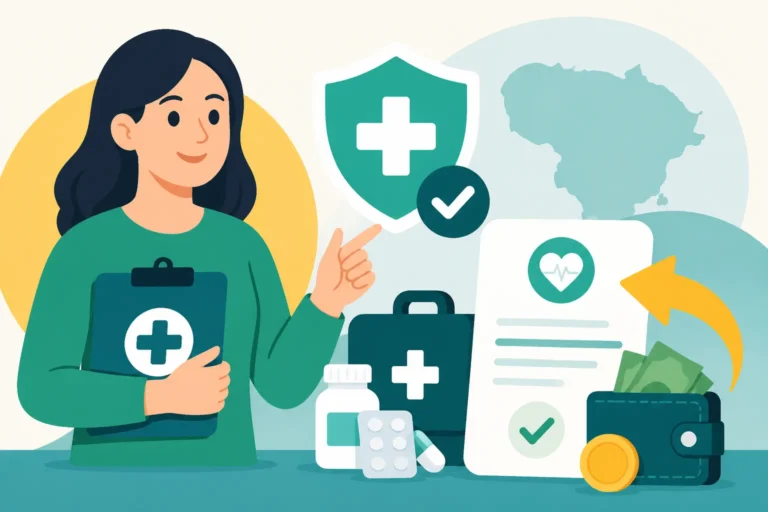
Here’s the straightforward, albeit often disappointing, answer for most individuals: No, private health insurance premiums paid by an individual are generally NOT tax-deductible from personal income (GPM) in Lithuania.
This is a common point of confusion for expats, especially those coming from countries where such deductions are standard. In Lithuania, the GPM law currently does not include private health insurance premiums as an allowable deduction for natural persons. This means that if you choose to pay for a private health insurance policy out of your own pocket, you cannot claim those payments back as a deduction when you file your annual tax return. It’s a personal expense, much like paying for a gym membership or going out to eat. This applies regardless of whether you're with a local provider or using an international option like SafetyWing for global coverage.
This can feel like a bit of a sting, especially when you're already paying compulsory health insurance (PSD) contributions. The thinking is that the mandatory PSD contributions already cover your basic healthcare needs, and anything beyond that is a voluntary enhancement. You can learn more about managing your tax obligations by checking out Filing Your Annual Tax Return in Lithuania: The Complete Walkthrough (2027).
Nuances and Exceptions: When Are Health-Related Expenses Deductible in Lithuania?
While private health insurance premiums themselves are typically not deductible for individuals, it’s not a complete dead end for health-related expenses. There are specific circumstances and types of costs that can be deducted, which is where things get a bit more nuanced.
Direct Medical Services and Treatments
The key distinction here is between insurance premiums and direct medical expenses. While you can't deduct the cost of your private health insurance policy, you can potentially deduct certain payments made for medical services and treatments. This primarily applies to:
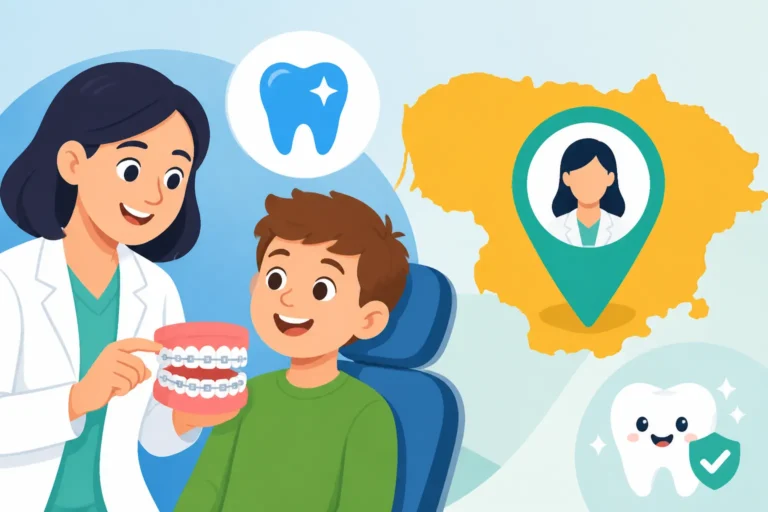
- Dental Care: Payments for dental services, including prosthetics.
- Optical Services: Payments for vision correction services (e.g., eye exams, glasses, contact lenses).
- Rehabilitation and Health Promotion Services: Specific services aimed at maintaining or restoring health, often prescribed by a doctor. This can include physiotherapy, certain health-improving procedures, or specific medical devices.
- Fertility Treatment: Expenses related to assisted reproduction (IVF).
There's a catch, of course. These expenses are typically deductible only if they are not covered or reimbursed by the Compulsory Health Insurance Fund (VLK/PSDF). You must also be able to provide proper payment documents, such as VMI-approved invoices, proving the expenditure. There's usually an annual limit to the total amount you can deduct for these types of expenses, which changes year to year so it’s always best to check the current VMI guidelines. This is where keeping meticulous records of all your medical receipts becomes incredibly important.
Employer-Provided Private Health Insurance
This is another area of frequent misunderstanding. If your employer provides you with private health insurance as a benefit, how it’s treated for tax purposes can differ. Generally, if an employer pays for private health insurance for an employee, this is considered a taxable benefit in kind for the employee. This means the value of the insurance premium is added to your taxable income (GPM) and social security contributions (Sodra), and you will be taxed on it.
However, there can be exceptions for certain types of health promotion or occupational health services provided by employers that may be tax-exempt for the employee, typically under very specific conditions related to workplace health and safety or general employee well-being. These are usually tied to collective agreements or specific health programs, not general private health insurance that covers any medical need. Always clarify with your employer's HR or accounting department if private health insurance is part of your compensation package. They should be able to tell you how it’s declared and taxed. For more details on the general costs of healthcare, our guide on The Cost of Healthcare in Lithuania: A Complete Breakdown for Foreigners (2026) might offer useful context.
Comparing Deductible and Non-Deductible Health Expenses
To make this clearer, here's a quick overview of what generally applies:
| Category | Description | Tax Deductibility for Individual |
|---|---|---|
| Private Health Insurance Premiums | Payments for a private health insurance policy (e.g., local plans, international plans like SafetyWing) | Generally NOT Deductible |
| Direct Medical Treatments | Out-of-pocket payments for services like dental care, optical services, certain rehabilitation, fertility treatments, not covered by PSDF. Must have official documents. | Deductible (with limits & conditions) |
| Employer-Paid Private Insurance | Private health insurance paid for by your employer on your behalf. | Generally Taxable Benefit |
| Compulsory Health Insurance (PSD) | Mandatory monthly contributions to the state health insurance fund (VLK/PSDF). | NOT Deductible (part of social contributions) |
This table highlights the crucial distinction: the premiums for private insurance policies are not deductible, but specific out-of-pocket medical expenses can be under the right circumstances.
Practical Advice for Expats Navigating Healthcare Costs and Taxes
Living abroad means taking a proactive approach to understanding local rules. When it comes to healthcare and taxes, this is especially true in Lithuania. Don't assume that what was deductible in your home country will be the same here.
Keep Meticulous Records
My golden rule for any expat is: keep every single receipt related to medical expenses. Whether it’s a visit to the dentist, new glasses, or a physiotherapy session, get an official invoice (sąskaita faktūra) with your name and Asmens Kodas (personal code) on it. Even if you think it might not be deductible, keeping the record won't hurt, and tax laws can change. You never know when a specific expense might become eligible in the future or be useful for other purposes. Understanding How the Lithuanian Tax Authority (VMI) Works is key to navigating these requirements.
Consult the VMI or a Professional Tax Advisor
Tax laws can be complex and are subject to change. The best advice I can give you is to consult directly with the VMI (Lithuanian State Tax Inspectorate) or a qualified tax advisor if you have specific questions about your situation. They can provide the most accurate and up-to-date information, especially if your circumstances are unique (e.g., self-employed with certain types of business expenses, or if your employer has a specific benefit structure). Don't rely solely on forum advice or outdated information. Their official website often has sections in English, and you can usually book an appointment or send an inquiry. If you're managing your own social security contributions, you might also be interested in Understanding PSD Contributions Through Sodra in Lithuania.
Factor Non-Deductibility into Your Budget
Since your private health insurance premiums aren't generally going to reduce your tax bill, it's essential to factor this into your overall cost of living and healthcare budget. Think of it as an investment in your health and peace of mind, separate from any tax benefits. If you're considering a flexible travel insurance option like SafetyWing for certain periods, remember that its primary purpose is coverage for emergencies and travel, not tax deductions in Lithuania. When planning your healthcare strategy, always consider the complete picture, including your mandatory PSD contributions, private insurance costs, and any potential out-of-pocket expenses. This comprehensive view helps you decide if Is Private Health Insurance Worth It for Expats in Lithuania? for your situation.
Understand Your Employment Benefits
If your employer offers private health insurance, make sure you understand how it's treated from a tax perspective. Ask if the cost of the premium is added to your taxable income or if it falls under any specific, tax-exempt health promotion schemes. Clear communication with your HR department can prevent unwelcome surprises on your payslip or during your annual tax declaration. For newcomers, securing your personal code is often the first step to anything administrative, including tax and health matters; read about How to Get Your Asmens Kodas (Personal Code) and Why It Matters for Healthcare.
A Note on Comprehensive Health Coverage
Regardless of tax deductibility, having adequate health coverage is paramount when living in a foreign country. While PSD provides a safety net, private health insurance can offer that extra layer of comfort, speed, and choice that many expats desire. Don't let the lack of tax deductibility deter you from investing in your health and well-being. For a thorough overview of all your health options, our The Complete Guide to Healthcare in Lithuania for Expats (2027) is a must-read. If you're just starting your journey to understanding Lithuanian health insurance, you might want to review How to Register for Compulsory Health Insurance (PSD) as a Foreigner in Lithuania.
Ultimately, while the dream of deducting private health insurance premiums in Lithuania remains largely that – a dream – understanding the specific deductibility of direct medical expenses can still help you manage your finances more effectively. Stay informed, keep your records straight, and don’t hesitate to seek expert advice.
Disclaimer
The information provided in this guide is intended for general informational purposes only and does not constitute professional tax, legal, or financial advice. Tax laws in Lithuania are subject to change, and individual circumstances can vary significantly. It is strongly recommended to consult with the official Lithuanian Tax Authority (VMI) or a qualified tax advisor for personalized advice regarding your specific situation. We cannot be held responsible for any actions taken based on the information presented herein.