How Do I Enrol My Child in a Darželis (Kindergarten) in Vilnius?
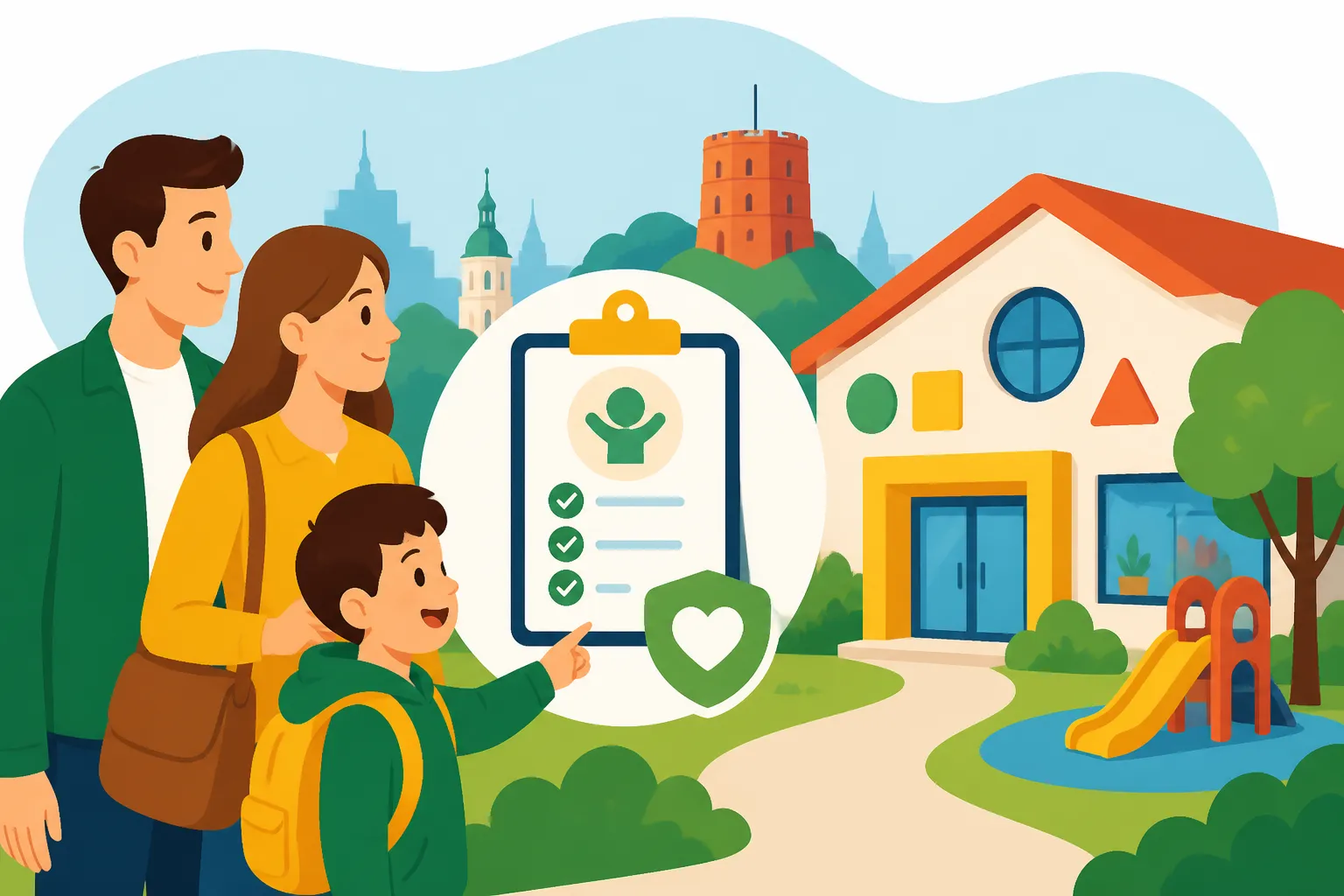
Moving to a new country with little ones is a whirlwind, and one of the biggest anxieties for expat parents is figuring out childcare. Especially when it comes to enrolling your child in a darželis (kindergarten) in a city like Vilnius, the process can feel like deciphering ancient scrolls written in a foreign language. But don't despair, because this guide will walk you through the labyrinthine journey of securing a spot for your child in a Vilnius darželis, demystifying the system step-by-step.
Understanding the Darželis System in Vilnius
When you first arrive in Vilnius with children, the sheer volume of new information can be overwhelming. One of the first things that hits you is the need for childcare, and the local term darželis quickly becomes part of your vocabulary. But what exactly does it entail, and how does it work for families new to Lithuania?
Public vs. Private Kindergartens
Lithuania, and Vilnius specifically, offers a mix of public and private kindergarten options. Each has its pros and cons, and understanding these differences is crucial for making the right choice for your family.
Public darželiai are run by the municipality and are heavily subsidized, making them a much more affordable option. This is often the first choice for many local families and, understandably, for expats looking to integrate and manage their living expenses. However, this affordability comes with fierce competition for spots. The curriculum is typically in Lithuanian, which, while fantastic for immersion, can be a significant hurdle for children who don't speak the language. Spaces are allocated based on a queue system, and priorities are given to certain categories, such as families with three or more children, children with disabilities, or those living closest to the kindergarten. You might find that securing a spot in a public darželis can be a long game, potentially involving waiting lists that stretch for years, especially in the most popular central Vilnius neighbourhoods. This can be particularly frustrating when you've just arrived and are trying to get your new life in order.
On the other hand, private kindergartens offer more flexibility and often cater specifically to the international community. They might offer bilingual programs (Lithuanian-English) or even fully English, German, or French instruction. While the quality of education and facilities can be exceptional, the cost is, naturally, significantly higher. Private institutions usually have a more straightforward application process, though still competitive. They might not have the same long waiting lists as public ones, but it’s still wise to apply well in advance, particularly for popular international schools. Some private kindergartens also offer more specialized programs, smaller class sizes, or different pedagogical approaches, like Montessori or Waldorf, which might appeal to expat parents looking for specific educational philosophies. Considering the cost of living in Lithuania for expats, budgeting for private childcare is a serious decision.
| Feature | Public Darželis in Vilnius | Private Kindergarten in Vilnius |
|---|---|---|
| Cost (Monthly) | Very Low (Subsidized, often €30-€100, excluding food) | High (€400-€1000+, depending on institution and program) |
| Primary Language | Predominantly Lithuanian | Often English, bilingual (Lithuanian/English), or other languages |
| Application | Online municipal system (e-services), competitive, long waiting lists | Direct application to the institution, less standardized, competitive |
| Flexibility | Less flexible with schedules, strict age groups | More flexible programs, often extended hours, diverse activities |
| Availability | High demand, challenging to get a spot, especially for younger ages | Generally more accessible, but still requires early application |
| Curriculum | National curriculum, focus on Lithuanian culture & language | Varies (international, specific pedagogical approaches like Montessori) |
Age Requirements and Groups
The Lithuanian darželis system generally categorizes children by age into distinct groups, and it's helpful to understand where your child will fit in. Typically, children can start attending kindergarten from 1.5 to 7 years old, before they begin primary school.
- Nurseries (Lopšelis): These are for the youngest children, usually from 1.5 to 3 years old. Spaces in lopšeliai are notoriously difficult to secure in public institutions. If you have a toddler, prepare for a significant wait unless you have priority status or opt for a private nursery. The focus here is on basic care, early development, and socialisation.
- Kindergartens (Darželis): For children aged 3 to 6-7 years old. This is the more common age range for darželis. Here, the curriculum begins to include more structured educational activities, preparing children for school readiness. They'll learn through play, develop social skills, and begin to grasp foundational concepts in numeracy and literacy, all in Lithuanian in public settings.
- Pre-school (Priešmokyklinio ugdymo grupė): This is a compulsory year for all 6-year-olds (or children turning 6 in that calendar year) before starting Grade 1. While often housed within a darželis, it's a distinct program with a specific curriculum aimed at preparing them for primary education. If your child is nearing this age, you might find it slightly easier to secure a pre-school spot compared to a younger kindergarten group, as it's a mandatory requirement.
Knowing these age brackets helps you navigate the application process more effectively and manage your expectations regarding availability.
The Application Process: Step-by-Step for Expats
Navigating the darželis application process in Vilnius can feel like a bureaucratic quest, especially when you're doing it in a new country. It requires patience, meticulous document preparation, and an understanding of the local system.
Essential Documents You'll Need
Before you even think about hitting that "apply" button online, you need to gather your paperwork. Missing even one tiny detail can send you back to square one, which is incredibly frustrating when you're juggling work, family, and settling into a new life.
Here’s a general rundown of what you’ll need:
- Child's Birth Certificate: The original and a copy, often with an apostille if it's from outside the EU and not in Lithuanian or English. Make sure to have a certified translation if needed.
- Child's Passport or ID Card: Copy of the child's identification document.
- Parent's Identification Documents: Copies of both parents' passports or ID cards.
- Residence Permit (TRP) or EU Registration Certificate: For non-EU citizens, your Lithuanian Temporary Residence Permit (TRP) is crucial. For EU citizens, your certificate of the right of residence. This proves your legal status in the country and that your child is eligible for public services. You'll definitely need to have officially declared your place of residence in Lithuania: The Complete Guide will give you all the details on how to do that.
- Child's Asmens Kodas (Personal Code): This is your child's Lithuanian personal identification number, similar to a social security number. It's absolutely essential for any public service, including darželis. If your child doesn't have one yet, you'll need to apply for it, which can be done at the Migration Department. Without it, you cannot complete the application. You can find more information on how to get your Asmens Kodas (Personal Code) and why it matters for healthcare, which is also relevant here.
- Proof of Address: A certificate of declared place of residence (often obtained from Registrų Centras). The municipality needs to know you live in Vilnius to process your application for a Vilnius public darželis.
- Health Certificate/Form: Once a spot is allocated, you'll need a medical certificate (Form 027/a or equivalent) confirming your child's health status and vaccination record. This is usually issued by a family doctor (šeimos gydytojas) in Lithuania.
- Immunization Record: A full record of your child’s vaccinations. Lithuanian kindergartens require children to be fully vaccinated according to the national schedule. If your child has received vaccinations abroad, these will need to be verified and potentially supplemented by a Lithuanian doctor.
It’s always a good idea to have these documents translated into Lithuanian by a certified translator, even if an English version is technically accepted for some parts of the process. This attention to detail can prevent delays. And remember, when you first land, getting reliable mobile data to coordinate all these administrative tasks is key. I remember relying heavily on an eSIM from services like Airalo just to navigate the bus system and look up the Migration Department's opening hours.
Navigating the Online Application Portal
Vilnius municipality manages public darželis applications through an online system. This is a blessing and a curse. While it centralizes the process, it can be intimidating if you're not used to Lithuanian e-government services.
- Access the Portal: The official application is usually done through the Vilnius City Municipality's electronic services portal (often accessible via svietimas.vilnius.lt or a similar municipal education page).
- Authentication: You'll need to log in using electronic banking, a mobile signature, or an e-signature. As an expat, setting up electronic banking in Lithuania or getting a mobile signature is often one of your first administrative hurdles, as it allows access to many such portals, including the E-Government Gateway (Elektroniniai Valdžios Vartai) in Lithuania.
- Fill Out the Application: The form itself is quite detailed. You'll input your child's data, your data, and list your preferred darželiai. You can typically choose up to five preferred kindergartens. Be strategic here: research their locations, reputations, and proximity to your home or work. Don't forget to note down the darželis identification numbers, as the system usually asks for these.
- Priority Status: If your family qualifies for any priority (e.g., three or more children, single parent, etc.), make sure to tick the relevant boxes and be prepared to provide supporting documentation if requested. For expats, sometimes specific integration programs or unique circumstances might offer some form of consideration, but it's not a general rule.
- Submit and Monitor: Once submitted, you'll receive a confirmation. The system then automatically places your child on a waiting list based on their age, the chosen darželiai, and any priority status. You can usually monitor your child's position on the waiting list through the same portal.
This online system is updated regularly, so it's vital to stay on top of any changes announced by the municipality. Unfortunately, the portal's English functionality can sometimes be limited, so having a Lithuanian-speaking friend or colleague on standby for help with translation can be a lifesaver.
The Waiting List Reality and How to Handle It
The waiting list is where many expat parents hit a wall of frustration. Public darželiai in popular areas of Vilnius are in extremely high demand, especially for the younger age groups. It's not uncommon for children to be on waiting lists for a year or even longer.
- Be Realistic: Understand that getting into your top choice, particularly a central public darželis, might be difficult, especially if you apply after your child is already a toddler. Many local parents register their children from birth.
- Apply Early: The moment you have your child’s Asmens Kodas and your declared residence in Vilnius, apply. Do not delay. Even if you're still in the process of getting your Temporary Residence Permit (TRP) in Lithuania, start gathering information.
- Consider Less Popular Areas: If flexibility allows, broaden your search to darželiai in less central or rapidly developing neighbourhoods. These might have shorter waiting lists.
- Keep Checking: Regularly log in to the system to check your child's position. While you can't do much to speed it up, knowing where you stand helps manage expectations.
- Don't Give Up on Calls: If you're really keen on a specific darželis, it can sometimes help (though not guaranteed) to call the administration directly. While they won't bend the rules, expressing interest and asking about potential openings might put a face to the name, so to speak. This is where learning Lithuanian: A Complete Guide to Language Courses and Levels can really come in handy!
The waiting list can be disheartening, but remember that many families go through it. It's part of the Vilnius experience, and it often leads parents to explore private options or alternative childcare solutions.
Preparing Your Child and Yourself for Darželis
Once you've secured a spot – congratulations! – the next phase begins: preparing for the actual start of darželis. This isn't just about packing a bag; it's about emotional, social, and logistical preparation for both you and your little one.
Language Barriers and Integration
For expat children entering a public darželis, the language barrier is often the biggest hurdle. Most public darželiai operate entirely in Lithuanian, which can be daunting for non-Lithuanian speaking children.
- Early Exposure: If you know your child will be attending a Lithuanian darželis, try to introduce them to basic Lithuanian words and phrases beforehand. Apps, children's books, and cartoons in Lithuanian can be a gentle start.
- The Power of Play: Children are incredibly adaptable. While the first few weeks or even months might be tough, most children quickly pick up enough Lithuanian through immersion to communicate and play. They often become bilingual much faster than adults!
- Teacher Communication: For you, the parent, communication with teachers is vital. Don't assume they all speak English. Be prepared to use translation apps, learn key phrases, or ask a Lithuanian friend to help facilitate initial conversations. Sometimes a simple phrase like "Ar kalbate angliškai?" (Do you speak English?) can open doors. The teachers are usually incredibly understanding and dedicated, so they'll do their best to communicate with you.
- Integration Support: Many darželiai are accustomed to having children from diverse backgrounds. Some might have a teacher who knows a few phrases in English, or they might pair your child with a Lithuanian child who is particularly welcoming. The focus is always on making sure the child feels safe and integrated.
It's a huge step, and seeing your child navigate a new language can be tough on a parent. Validating their feelings and celebrating every small linguistic victory will go a long way.
What to Expect on the First Days
The first days, weeks, and even months can be an emotional rollercoaster for both children and parents. Separation anxiety is real, and it’s often amplified by being in an unfamiliar environment with a new language.
- Adaptation Period (Adaptacijos Laikotarpis): Lithuanian darželiai typically have an adaptation period, which is a gradual introduction to the kindergarten environment. This might mean shorter days initially, or you might be allowed to stay with your child for a few hours. Discuss this with the darželis administration. It’s designed to help children adjust slowly and reduce stress.
- Necessary Items: You'll receive a list of items your child will need. This usually includes indoor shoes (šlepetės), comfortable indoor clothes, outdoor play clothes, a change of clothes, perhaps a small blanket for nap time, and any specific comfort items. Label everything!
- Daily Routine: Get familiar with the daily schedule – meal times, nap times, play times, and educational activities. This helps you prepare your child and understand what they're doing throughout the day.
- Emotional Support: Be prepared for tears, both from your child and perhaps from yourself. It's completely normal. Consistency, reassurance, and positive reinforcement are key. Explain to your child what will happen, when you'll pick them up, and why darželis is a fun place. Building trust with the teachers is also crucial; they are your allies in this process.
Remember, this transition period is temporary. Children are incredibly resilient, and soon they’ll be happily chatting (maybe even in Lithuanian!) and playing with their new friends.
Costs and Financial Support
While public darželiai are very affordable, there are still costs involved, and it’s good to be aware of them.
- Fixed Monthly Fee: This is a basic administrative or 'place-holding' fee, usually very low, perhaps €10-€30 per month.
- Food Costs: This is the main variable cost. You pay for the days your child actually attends. Meals are usually wholesome and prepared on-site. Expect around €2-€3 per day for food.
- Additional Contributions: Occasionally, there might be small voluntary contributions for group activities, special events, or classroom supplies. These are generally discussed with the parent committee (tėvų komitetas).
- Financial Support: The municipality may offer some subsidies or discounts for certain families (e.g., low-income, large families). Inquire with the Vilnius municipality's social support department if you think you might qualify. This is linked to your official residency and income declaration. While you won't need private health insurance for your child to attend public darželis, it's good to be aware of The Complete Guide to Healthcare in Lithuania for Expats (2026) for overall family health.
Beyond the Application: Practical Tips and Alternative Options
The public darželis system, while excellent, isn't always a perfect fit for every expat family. It's smart to know your other options and how to make the most of your childcare journey in Vilnius.
Private and International Kindergartens
If the public waiting lists are too long, the language barrier is a major concern, or you're simply looking for a different approach, private and international kindergartens are excellent alternatives.
Vilnius has a growing number of reputable private institutions catering to diverse needs:
- International Schools: Institutions like the American International School of Vilnius or the French School of Vilnius (Lycée International Français de Vilnius) offer comprehensive international curricula from a young age. These are fully accredited international schools, but they come with significant tuition fees. They are often a top choice for families on corporate relocation packages or those planning to move between countries frequently, ensuring continuity in education. For a deeper dive, check out Understanding International Schools and Their Costs in Lithuania.
- Local Private Kindergartens: Many local private darželiai offer bilingual programs or operate predominantly in English. Some well-known ones include Vaikystės Sodas, Šiaurės licėjus, or "Mažųjų valdos," among others. These often bridge the gap between fully international schools and public darželiai, providing a local flavour with international language support. They may also offer extended hours or specialized activities like music, art, or early coding, which can be appealing. The application process for these is direct, usually involving contacting the institution, an interview, and sometimes a trial period for the child. While more expensive than public options, they can be more flexible and responsive to individual family needs.
- Nanny/Childminder Services: For infants and toddlers, or if you prefer one-on-one care, hiring a nanny or a professional childminder is another option. There are agencies in Vilnius that can help connect you with qualified individuals, or you can find independent carers through expat networks. This can be a more personalized, though often more expensive, solution.
When considering private options, always visit the facilities, speak to the teachers, and ask about their curriculum, safety protocols, and approach to new children. Don't forget to factor in the costs into your overall budget. If you're planning a big move, considering how to transport all your belongings can be a significant undertaking, and comparing services through a platform like Sirelo can help you find reliable moving companies.
Support Networks and Resources for Expat Parents
One of the biggest struggles for expat parents is the feeling of isolation and the lack of a familiar support system. Finding other expat parents who have navigated the same challenges can be invaluable.
- Expat Facebook Groups: Vilnius has several active expat groups on Facebook (e.g., "Expats in Vilnius," "Vilnius Moms & Dads"). These are fantastic resources for asking questions, getting recommendations, finding playdates, and even sourcing second-hand children's items. You'll find a wealth of lived experience there.
- Community Centres & Libraries: Public libraries in Vilnius often host children's events, story times, and play groups, some of which might be bilingual. These are great opportunities for your child to socialize and for you to meet other parents.
- Local Playgrounds & Parks: Simply spending time at popular playgrounds like Vingis Park or Bernardinai Garden allows your child to interact with local children and you to meet local parents. A friendly smile and a few Lithuanian words can go a long way.
- Formal Parent Support Groups: Some international schools or private kindergartens might have parent associations or regular coffee mornings, creating a built-in community.
- Online Resources: Beyond this guide, websites dedicated to Vilnius family life or expat resources often list childcare options, activities for children, and tips for new parents. Don't hesitate to research and leverage these platforms.
Remember, you're not alone in this journey. Thousands of expats have successfully enrolled their children in Vilnius kindergartens and watched them thrive. It might take some legwork and a good dose of patience, but the opportunities for your child to grow, learn Lithuanian, and experience a new culture are immense.
Disclaimer
The information provided in this guide is for general informational purposes only and does not constitute legal, financial, or professional advice. While we strive to keep the information up-to-date and accurate, regulations and procedures in Lithuania can change rapidly. Always consult official government sources, the Vilnius City Municipality, the Migration Department, and relevant professionals for the most current and specific advice tailored to your individual situation.