How Do I Get a Lithuanian SIM Card as a New Arrival?
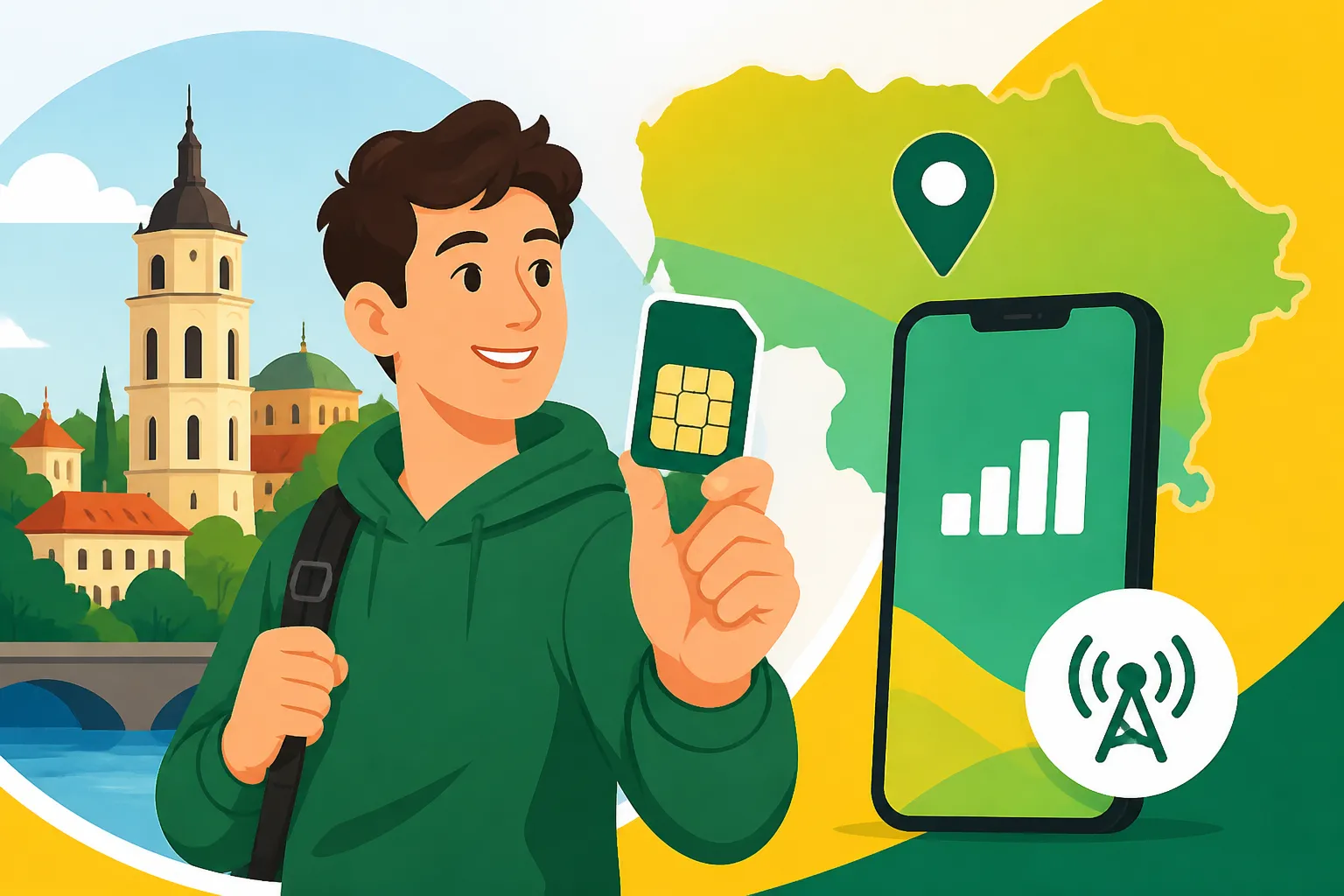
Landing in a new country, that initial rush of excitement often quickly collides with the very real, very pressing need for one thing: connectivity. You’ve just stepped off the plane in Lithuania, the sights are new, the sounds are different, and all you want is to let loved ones know you’ve arrived safely, check Google Maps, or maybe order that first cepelinai through an app. But your home SIM isn't cutting it, those roaming charges are terrifying, and the free airport Wi-Fi is about as reliable as a weather forecast in spring. This guide is your ultimate lifeline, cutting through the confusion to help you get a Lithuanian SIM card swiftly and smoothly as a new arrival.
Why a Local Lithuanian SIM is Your First Lifeline
The moment you land, you realize just how much we rely on our phones. It's not just about making calls anymore; it's our navigation system, our translator, our bank, and our connection to everything. Relying on patchy public Wi-Fi or expensive international roaming is a recipe for stress and unnecessary costs. Getting a local SIM card isn't just a convenience; it's a fundamental step towards feeling settled and functional in Lithuania.
Staying Connected from Day One
Imagine this: you've arrived, you're a bit disoriented, and your phone has no service. You can't call your Airbnb host, you can't check the bus schedule, and you certainly can't look up that crucial address you scribbled down before leaving. That initial scramble for connectivity is a familiar source of anxiety for many expats, and believe me, I've been there. Having a local SIM means immediate, reliable internet access to navigate the public transport system, find local shops, and instantly translate menus or street signs. It's about empowering yourself from the get-go, transforming uncertainty into a manageable adventure. For those critical first hours, while you're still getting your bearings, a local number is a small but mighty foundation for your new life here. Even before you get a physical SIM, consider an eSIM like Airalo, which offers immediate data plans upon arrival, bridging that crucial connectivity gap.
Beyond Basic Communication: The Administrative Must-Have
It quickly becomes apparent that a Lithuanian phone number is far more than just a way to call people. It's often the lynchpin for almost every administrative task you'll face. Trying to open a bank account? They'll need a local number for two-factor authentication. Booking an appointment with a doctor? You'll need a Lithuanian number. Arranging a delivery for your new apartment or signing up for local services like electricity or internet? A local number is mandatory.
Without one, you're constantly explaining your foreign number, facing compatibility issues with online forms, and potentially missing important calls or SMS verifications. Trust me, the sheer frustration of trying to get something done when the system assumes you have a local number is a unique kind of expat purgatory. For instance, when you're ready to tackle deeper administrative waters, having a local number is key for things like setting up online banking. You can delve more into that process with our guide on How to Set Up Online Banking and Payments in Lithuania.
Understanding Your Options: Prepaid vs. Postpaid and Major Providers
When it comes to getting a SIM card in Lithuania, you generally have two main choices: prepaid (Išankstinis Mokėjimas) or postpaid (Abonementas). Each has its own set of pros and cons, especially for new arrivals still finding their feet.
Prepaid (Išankstinis Mokėjimas): The Expat Starter Pack
For most new arrivals, a prepaid SIM card is absolutely the way to go. It’s quick, easy, and requires minimal documentation, which is a blessing when you’re still waiting for your residence permit or even your personal code. You buy the SIM card, load it with credit, and you’re good to go.
- Ease of Acquisition: You typically only need a valid ID (like your passport) to purchase one. No credit checks, no long contracts, no proof of address needed. This means you can often walk into a supermarket, buy a SIM, and be connected within minutes.
- Flexibility and Control: You control your spending because you top up as you go. There are no monthly bills, which is great for budgeting, especially in those initial months when expenses can feel a bit unpredictable.
- Anonymity (to a degree): While you'll register the SIM with your ID, it's not tied to a bank account or a long-term commitment.
- Topping Up: This is super straightforward. You can buy top-up vouchers at most supermarkets, convenience stores (like IKI, Maxima, Rimi), petrol stations, or even online through your provider’s website or app.
The beauty of prepaid is its immediate accessibility. It's your bridge to full integration. You can easily get a Pildyk (Tele2), Labas (Bitė), or Ežys (Telia) SIM, which are the prepaid brands of the major operators.
Postpaid (Abonementas): For the Long Haul
A postpaid contract is what most long-term residents opt for once they're more settled. These plans generally offer better value for money, with larger data bundles, unlimited calls and SMS, and sometimes even international minutes included for a fixed monthly fee.
- Benefits: More generous allowances, often cheaper per GB of data, and the convenience of not having to top up constantly. You'll typically get a wider range of services, including roaming benefits within the EU.
- Drawbacks: This is where the administrative hurdles start. To get a postpaid contract, you'll usually need:
- A valid residence permit in Lithuania.
- Your Lithuanian personal code (Asmens Kodas).
- Proof of address (such as your rental agreement or a certificate of declared residence).
- A Lithuanian bank account.
- A credit check, which can be tricky for new arrivals without a credit history in Lithuania.
- When to Consider Switching: Once you have your residence permit, an Asmens Kodas, and a local bank account established, it might be worth exploring postpaid options, especially if you plan to stay for a year or more. Many expats find they switch to a contract after a few months, once the initial chaos of moving has subsided. Remember, a comprehensive approach to settling in, including sorting out your residence and utilities, can be found in our guide: The Complete Guide to Moving to Lithuania: Your First 90 Days (2027). For a broader view on establishing your life here, including utilities, a local number is essential, and the services provided by moving platforms like Sirelo can help you plan and execute these steps efficiently.
Who are the Major Players? (Telia, Bitė, Tele2)
Lithuania has three main mobile network operators, and they all offer a competitive range of prepaid and postpaid options.
- Telia: As the largest telecommunications company in Lithuania, Telia often boasts the widest coverage, especially in rural areas, and has a strong focus on internet services, including fibre optics. Their prepaid brand is Ežys.
- Bitė: Known for its competitive data plans and often innovative services, Bitė is a popular choice, particularly among younger users and those in urban areas. Their prepaid brand is Labas.
- Tele2: Often positioned as the budget-friendly option, Tele2 provides excellent value for money and has a robust network, especially in major cities. Their prepaid brand is Pildyk.
Here's a quick comparison of their prepaid brands to give you an idea:
| Feature | Pildyk (Tele2) | Labas (Bitė) | Ežys (Telia) |
|---|---|---|---|
| Typical Cost | Very competitive, often cheapest | Good balance of price and features | Slightly higher, strong network |
| Data Bundles | Generous for the price | Strong data focus, often good deals | Reliable, good for consistent usage |
| Network | Excellent in cities, good nationwide | Strong in urban areas, good nationwide | Widest overall coverage |
| Where to Buy | Tele2 stores, supermarkets, kiosks | Bitė stores, supermarkets, kiosks | Telia stores, supermarkets, kiosks |
| Topping Up | Online, app, physical vouchers | Online, app, physical vouchers | Online, app, physical vouchers |
| Customer Svc. | English support generally available | English support generally available | English support generally available |
Ultimately, the best choice for you might depend on where in Lithuania you'll be spending most of your time and your specific needs. If you’re unsure, asking other expats in local Facebook groups for their current experiences can provide valuable insights. If you're planning your overall move, including which mobile and internet provider to choose, our guide How to Choose a Mobile and Internet Provider in Lithuania offers more detailed comparisons.
Your Step-by-Step Guide to Getting and Activating Your SIM Card
The process of getting your SIM card is mercifully straightforward, especially for prepaid options. Don't let language barriers intimidate you; most major stores will have English-speaking staff or at least staff who can guide you through the process.
Where to Buy Your SIM
Your options for purchasing a SIM card are varied, catering to different needs and levels of comfort.
- Official Provider Stores: This is often the best option, especially if you're feeling a bit overwhelmed. You'll find Telia, Bitė, and Tele2 stores in all major shopping malls and city centres, particularly in places like Vilnius and Kaunas.
- Pros: Staff are well-trained, often speak English, and can help you choose the best plan for your needs. They can activate the SIM on the spot, ensure it's working, and even help you download the necessary apps.
- Cons: Can be a bit slower if there's a queue, and perhaps not your very first stop if you're rushing.
- Supermarkets and Kiosks: For a quick and easy purchase, head to any major supermarket (Maxima, Rimi, IKI, Lidl, Norfa) or even smaller newsstands/kiosks.
- Pros: Ubiquitous, very fast, and convenient. You can grab a SIM while doing your grocery shopping.
- Cons: The staff might not speak English, and they generally won't offer activation support or help choosing a plan. You'll simply buy the package and set it up yourself.
- Airport Options: While convenient, airport kiosks often have slightly higher prices or less favourable deals.
- Pros: Immediate connectivity right after landing.
- Cons: Usually not the most cost-effective option, and plan choices might be limited. My advice? Grab an Airalo eSIM for immediate data at the airport, then pick up a local physical SIM from a supermarket or official store once you're in the city.
What You'll Need: Documents and Practicalities
For prepaid SIM cards, the requirements are minimal, which is why they are perfect for new arrivals.
- Identification: Your valid passport or national ID card (for EU citizens) is usually all you need. The store will make a copy or note your ID number to register the SIM in your name. This is a legal requirement in Lithuania to prevent anonymous usage.
- Payment: Cash or card (Visa/Mastercard are widely accepted).
- Unlocked Phone: Make sure your phone is unlocked and compatible with European GSM networks. Most modern smartphones are, but it's worth double-checking.
For postpaid contracts, the list grows:
- Residence Permit: Crucial for proving your legal right to reside in Lithuania long-term.
- Asmens Kodas: Your Lithuanian personal identification code. This is a fundamental number for most administrative processes here. We cover this in depth in How Do I Get My Asmens Kodas (Personal Code) and Why It Matters for Healthcare.
- Proof of Address: A rental agreement or a certificate of declared residence. This is another layer of proof that you're a legitimate resident. More on this in Declaring Your Place of Residence in Lithuania: The Complete Guide.
- Bank Account Details: For setting up direct debits for your monthly payments.
- Credit History: As mentioned, this can be a hurdle. Some providers might be flexible for expats, but it's not guaranteed.
Activation and First Steps
Once you have your shiny new SIM card, here's what to do:
- Insert the SIM: Carefully open your phone's SIM tray (you might need a paperclip or a special tool) and insert the new Lithuanian SIM. Most SIMs are multi-sized (standard, micro, nano), so pop out the size that fits your phone.
- Turn On Your Phone: It should automatically detect the new network. You might see the provider's name (Telia, Bitė, Tele2) appear at the top of your screen.
- PIN Code: The SIM will usually come with a default PIN code (often 0000 or 1111) which you'll need to enter upon first boot-up. You can usually change this in your phone settings later. Keep the card frame with the PUK code safe in case you enter the PIN incorrectly too many times.
- Check for Signal: Make sure you have a good signal. If not, try restarting your phone.
- Make a Test Call/SMS: Call a friend or send a text to ensure it's working. If you're struggling, head back to an official store for help.
- Top Up: If you bought a prepaid SIM, it might come with a small initial balance, but you'll likely need to top it up soon after to activate data bundles.
- Download the Provider's App: This is a game-changer! Each provider has a mobile app (Pildyk, Labas, Ežys apps) that allows you to monitor your balance, check data usage, activate bundles, and top up conveniently. It’s usually available in English.
Making the Most of Your Lithuanian Mobile Experience
Getting your SIM card is just the beginning. To truly settle in and streamline your life here, you’ll want to master managing your mobile account and integrating it with other essential services.
Managing Your Account and Topping Up
Keeping your prepaid SIM topped up is crucial. There are several convenient ways to do this:
- Mobile Apps: As mentioned, download your provider’s app. This is by far the easiest way to monitor your usage, buy data bundles, and top up directly from your smartphone using a linked bank card.
- Online Portals: Each provider also has a web portal where you can manage your account. This is useful if you prefer a larger screen or are having issues with the app.
- Physical Vouchers: Still widely available in supermarkets, kiosks, and petrol stations. You purchase a voucher with a code, then dial a specific number on your phone and enter the code to add credit.
- Bank Transfers: Some providers allow you to top up directly through your Lithuanian bank’s online portal.
For postpaid users, managing your account is even simpler, as payments are usually automatic via direct debit from your bank account. You'll receive monthly statements (often via email or through the app), detailing your usage and charges.
Useful Apps and Services
Your smartphone with a local SIM will quickly become indispensable. Beyond just calls and texts, it’s a portal to making life in Lithuania smoother.
- Navigation: Google Maps and Waze are essential for getting around, whether walking, driving, or using public transport.
- Public Transport Apps: In Vilnius, the "Trafi" app (or similar municipal apps in other cities) is a must for bus and trolleybus schedules and route planning.
- Food Delivery: Apps like Wolt and Bolt Food are incredibly popular here for ordering meals from local restaurants.
- Ride-Sharing: Bolt is the dominant ride-sharing app, offering taxis and scooter rentals.
- Banking Apps: Once you've opened a Lithuanian bank account, their mobile app will require your local number for verification and push notifications. This is a fundamental step, as detailed in The Expat Guide to Opening a Bank Account in Lithuania.
- E-Sveikata: Lithuania's e-health system. While not directly tied to your SIM, having a local number is essential for getting appointment confirmations and communicating with medical providers. This connects deeply with our guide The Complete Guide to Healthcare in Lithuania for Expats (2027).
Troubleshooting Common Issues
Even with the best intentions, you might run into a snag or two.
- No Signal/No Data: First, try restarting your phone. Check if you have any credit or active data bundles if you're on prepaid. Ensure "mobile data" is enabled in your phone settings. Sometimes, checking your APN settings (usually under mobile network settings) against your provider's recommended settings can help, though this is rarely necessary.
- Language Barrier: Don't fret if you encounter a language barrier. Most major provider customer service lines have English-speaking agents. Dial 1505 for Telia, 117 for Bitė, and 111 for Tele2, and listen for the option to speak in English.
- Unusual Charges: If you're on a postpaid plan and see unexpected charges, contact your provider's customer service immediately. Keep track of your usage through their app.
Considering Your Long-Term Connectivity Needs
Once you're firmly rooted, your connectivity needs might evolve. While your mobile SIM handles day-to-day communication, you’ll likely want to set up home internet. Many mobile providers, like Telia, also offer home internet and TV packages, sometimes with bundled deals if you have a mobile contract with them. Our article on How to Set Up Electricity (ESO) in Your Lithuanian Home also touches upon establishing other essential household services. This holistic approach to getting settled, from finding accommodation to securing utilities, is where comprehensive moving services, such as Sirelo, become invaluable, helping you manage all these details efficiently. For further insights into integrating all your household services, including home internet, you can refer to The Expat Guide to Setting Up Utilities in Lithuania. Don't forget, if you're pursuing self-employment here, a reliable and well-managed phone connection is critical for your business operations; read more on that in How to Register Individual Activity (Individuali Veikla) in Lithuania.
Disclaimer
The information provided in this guide is intended for general informational purposes only and may not reflect the most current legal or administrative procedures. While every effort has been made to ensure accuracy, regulations and offerings can change. Always consult official sources, such as the specific mobile service providers, the Migration Department (MIGRIS), or relevant government institutions in Lithuania, for the most up-to-date and authoritative information. Personal circumstances may vary, and professional advice should be sought where appropriate.