How Do I Get a Sick Leave Certificate Approved in Lithuania?
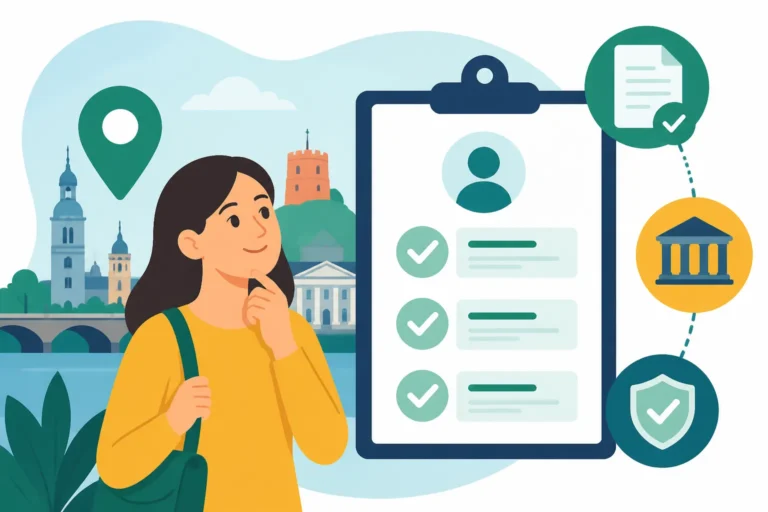
Waking up with a pounding headache and a fever in a foreign country is stressful enough without the added weight of navigating a bureaucratic medical system. Many expats in Lithuania feel overwhelmed when they realize that a simple "I’m staying home today" email to their boss isn't sufficient for legal or financial protection. This guide solves the confusion by providing a step-by-step roadmap to getting your sick leave certificate, known locally as nedarbingumo pažymėjimas, approved and processed correctly.
Understanding the Nedarbingumo Pažymėjimas System
The Lithuanian healthcare and social security systems are tightly integrated, which is a blessing once you understand it, but a nightmare if you are looking at it for the first time through a haze of flu symptoms. When you are too ill to work, you aren't just asking for a "doctor’s note" in the traditional sense. You are initiating a formal legal state called temporary incapacity for work. This status is what protects your job and ensures you receive a portion of your salary while you recover.
The cornerstone of this process is the electronic system. Lithuania has moved away from paper almost entirely. Everything happens within the Understanding the E-Sveikata (E-Health) system in Lithuania and the Sodra database. When a doctor "issues" a certificate, they are essentially flipping a digital switch in a government database that notifies both your employer and the social insurance fund.
However, this system only works if you are properly registered within the public health framework. If you have just arrived and are still waiting for your residence permit, you might find yourself in a gray area. This is where having private backup like SafetyWing can be a lifesaver, providing a bridge of coverage while you wait for the gears of the state to turn in your favor.
The Role of Sodra and E-Health
Sodra is the State Social Insurance Fund, and it is the entity that actually pays out your sickness benefit after the initial period covered by your employer. For the system to recognize you, you must have an active social insurance status, which usually happens automatically if you are employed under a standard contract.
The Understanding Sodra Social Insurance in Lithuania: The Full Guide explains that your contributions are what fund these payouts. The E-Sveikata portal is where your medical history and sick leave records live. You can log in using your E-Government Gateway (Elektroniniai valdžios vartai), typically via your bank link or a mobile signature. Once logged in, you can see exactly when your sick leave was opened, the diagnosis code, and when it is scheduled to close.
Who is Eligible for Sick Pay
To receive a sick leave certificate that actually results in a payout, you generally need to be a taxpayer in Lithuania. This includes those employed under an employment contract, those with a "Mažoji bendrija" (small partnership) who pay their own contributions, and some categories of self-employed individuals.
If you are a newcomer still figuring out How to Get Your Asmens Kodas (Personal Code) and Why It Matters for Healthcare, you might find the process difficult. Without that personal code, the electronic systems cannot "see" you. If you fall ill before your residency is finalized, you may need to pay for your doctor's visit out of pocket and rely on international plans like SafetyWing to recoup costs, as the public system requires that specific digital identity to function.
The Step-by-Step Process to Getting Approved
The most critical rule in Lithuania is this: you must contact your doctor on the very first day you are sick. Retrospective sick leave certificates—where you call on Wednesday and ask for a note starting from Monday—are extremely difficult to get and often legally impossible for a doctor to issue without a very high burden of proof.
I learned this the hard way during my second winter in Vilnius. I thought I could "tough it out" for two days, realized I couldn't, and then found out those first two days were essentially unexcused absences in the eyes of the law because I hadn't seen a doctor. Don't make that mistake. Even if you only have a mild fever, call your clinic immediately.
Contacting Your Family Doctor
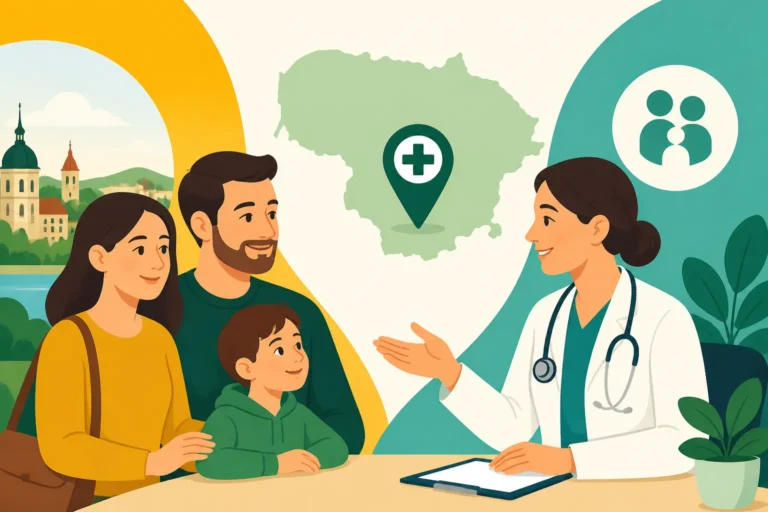
Your first point of contact is always your Šeimos gydytojas. If you haven't done so yet, please read The Expat Guide to Finding a Family Doctor (Šeimos Gydytojas) in Lithuania to understand how to register. You cannot just walk into any random hospital for a common cold and expect a sick leave certificate; it must be done through your registered clinic (poliklinika) or a private clinic where you are a patient.
When you call, tell the receptionist you need to open an "nedarbingumo pažymėjimas." Many clinics now offer remote consultations for simple illnesses like the flu or COVID-19. The doctor will talk to you over the phone, assess your symptoms, and open the certificate electronically. If your condition is more serious, they will ask you to come in for a physical examination.
The Initial Consultation and Diagnosis
During the consultation, the doctor will determine the likely duration of your illness. They usually open the certificate for a few days initially. It is important to be honest about your symptoms. In Lithuania, the "sick role" is taken quite seriously, and doctors are generally supportive of recovery time.
Once the doctor clicks "save" in the system, the certificate is live. You don't need to send anything to your boss. Your employer will see a notification in their own Sodra portal that an employee has an open sick leave certificate. They won't see your specific diagnosis (due to privacy laws), but they will see that you are legally unable to work. If you are a freelancer, understanding How Much Is the Monthly PSD Contribution Through Sodra is vital, as your eligibility for these benefits depends on your consistent payments.
Monitoring the Portal (E-Sveikata)
After your call or visit, it is a good habit to log into the Understanding the E-Sveikata (E-Health) system in Lithuania portal. Navigate to the section for "Nedarbingumas." Here, you can verify that the certificate was actually opened. Sometimes, in the rush of a busy clinic, a doctor might forget to hit the final "submit" button, and catching this early saves a massive headache later.
If you are using a private clinic that doesn't fully integrate with the public Sodra system (though most do now), you might need a physical extract, but this is increasingly rare. For most expats, the digital trail is all that matters. If you are caught in a situation where your PSD is inactive, see our guide on What Happens If I Get Sick Before My PSD Registration Is Complete? to understand your options.
Financial Implications: Who Pays and How Much?
The sick leave payout is not 100% of your salary, which catches many people off guard. It is a shared responsibility between your employer and the state. Understanding this split is crucial for budgeting, especially if you have a long-term illness.
The structure is designed to discourage very short-term "casual" sick days while providing a safety net for genuine recovery. The first two days of your illness are paid by your employer. After that, Sodra takes over. However, Sodra does not pay for the weekend if your illness falls over a Saturday and Sunday, unless those were your scheduled working days.
Employer vs. Sodra Contributions
Your employer is legally required to pay you between 62.06% and 100% of your average salary for the first two working days. Most companies stick to the lower end of that bracket, but some high-end tech firms in Vilnius use full salary as a perk.
From the third day onwards, Sodra pays the benefit. To receive this, you must have accumulated enough social insurance record (usually 6 months within the last 24 months). If you are a brand-new expat, you might not have this record yet. This is another scenario where having a plan like SafetyWing can provide peace of mind, as they don't look at your Lithuanian social insurance history to provide support.
| Period of Illness | Who Pays? | Percentage of Average Salary |
|---|---|---|
| Days 1 – 2 | Employer | 62.06% to 100% |
| Day 3 onwards | Sodra | 62.06% |
| Care for a family member | Sodra | 65.94% (from Day 1) |
Calculating Your Benefit
The calculation is based on your "insured income." This isn't just your base salary but includes bonuses and other taxable income from which Sodra contributions were deducted. There is also a "ceiling" and a "floor" to these payments. If you are a very high earner, your sick pay will be capped at a certain amount regardless of your actual salary. Conversely, if you earn very little, there is a minimum amount you are guaranteed to receive.
For a deeper dive into these numbers, you should review How Lithuania's Health Insurance Fund (VLK/PSDF) Works: A Full Overview. It explains the mechanics of the fund that manages these distributions. Keep in mind that these payouts are also subject to Personal Income Tax (GPM) and health insurance contributions, so the "net" amount hitting your bank account will be lower than the "gross" percentage listed above.
Managing Extensions and Closing the Certificate
A sick leave certificate is not an open-ended pass. It has a specific end date set by your doctor. If that date arrives and you are still feeling like you've been hit by a truck, you cannot just stay home. You must proactively contact your doctor again to request an extension.
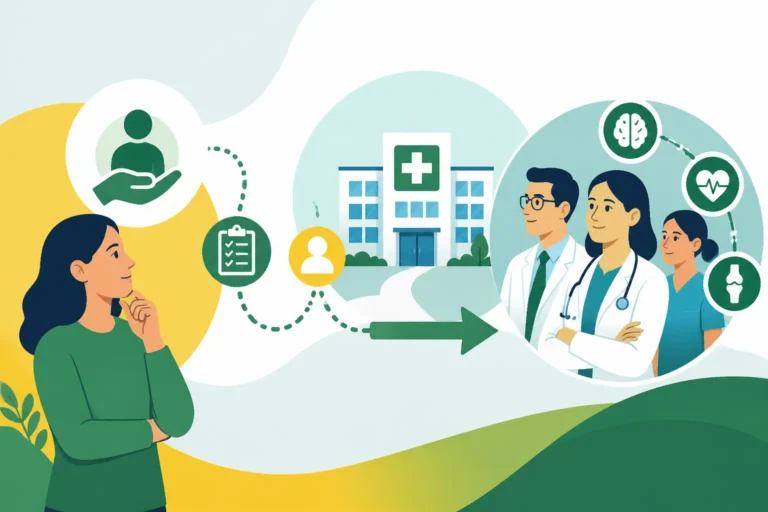
This "extension" process follows the same logic as the initial opening. The doctor will evaluate your progress. If you are suffering from something long-term, they may eventually refer you to a specialist or a medical commission (Gydytojų konsultacinė komisija) to authorize a longer period of leave.
What Happens If You Need More Time?
If your illness stretches beyond a couple of weeks, the bureaucracy shifts slightly. Your doctor will need to provide more detailed documentation in the E-Sveikata system. For expats, this is often where the language barrier becomes most frustrating. If your Šeimos gydytojas doesn't speak great English, explaining the nuances of a lingering fatigue or chronic pain can be difficult.
In these cases, having a friend who speaks Lithuanian can be incredibly helpful, or you might consider switching to a private clinic where English is the standard. Even if you use a private clinic for the consultation, they can still open and manage your public Sodra sick leave certificate, provided they are licensed to work with the national system.
Returning to Work and Finalizing the Paperwork
When you are ready to head back to the office, the certificate must be "closed." In the past, this required another visit to the doctor. Today, it often happens automatically based on the date set during your last consultation. However, if you feel better earlier than expected, you should call your doctor to close the certificate early. You cannot legally work while a sick leave certificate is open; doing so is considered insurance fraud and can lead to you having to pay back any benefits received.
Once closed, Sodra processes the payout. You don't usually need to file a separate application for the sickness benefit if you have already given Sodra your bank account details. If you haven't, you need to log into the personal Sodra portal and submit a one-time application for "all future sickness benefits" so they know where to send the money.
Common Hurdles for Expats
The system is efficient, but it assumes you know the rules. One of the biggest hurdles for foreigners is the "active" status of their health insurance. If you are self-employed and forget to pay your monthly PSD (Compulsory Health Insurance) contribution, your insurance becomes "inactive" instantly. If you get sick during that window, the doctor can open a certificate, but Sodra will refuse to pay the benefit.
Always double-check your status in the Sodra portal if you are not a standard employee. For those on digital nomad paths or moving between jobs, maintaining a global health policy like SafetyWing ensures that even if your local Lithuanian status blips, you aren't left with massive medical bills or no support.
Language Barriers and Telemedicine
Many state polyclinics are staffed by doctors who grew up in a different era and may prefer Lithuanian or Russian over English. This can lead to misunderstandings about how long you need to stay home or how to follow up. Telemedicine platforms are becoming a popular alternative for expats, as they often allow you to select English-speaking doctors who can still interface with the E-Sveikata system.
If you find yourself struggling with a local clinic, don't hesitate to seek out private medical centers in Vilnius or Kaunas. While you pay a consultation fee, the ease of communication and the speed of getting your electronic sick leave certificate approved is often worth the cost of a few lunches.
Being Sick Before PSD Registration is Complete
If you are in the middle of your "first 90 days" and haven't yet received your TRP (Temporary Residence Permit), you are likely not in the Sodra system yet. In this situation, a "sick leave certificate" in the legal sense doesn't really exist for you because you don't have a Lithuanian employer who recognizes it or a social insurance record to pay it.
In this scenario, your focus should be on getting a "medical certificate" (medicinų pažyma) which is simply a document from a doctor stating you were unfit for work. This won't get you paid by the state, but it will justify your absence to your employer. During this transition period, private insurance like SafetyWing is vital because it covers the medical costs of the visits that the public system won't yet touch.
Disclaimer
This guide is provided for informational purposes only and does not constitute legal or professional medical advice. The laws and regulations regarding health insurance and sick leave in Lithuania are subject to change. While we strive to keep this information up to date for 2026, always verify specific requirements with the official Sodra or VLK (State Health Insurance Fund) websites or consult with a qualified legal professional or your family doctor.