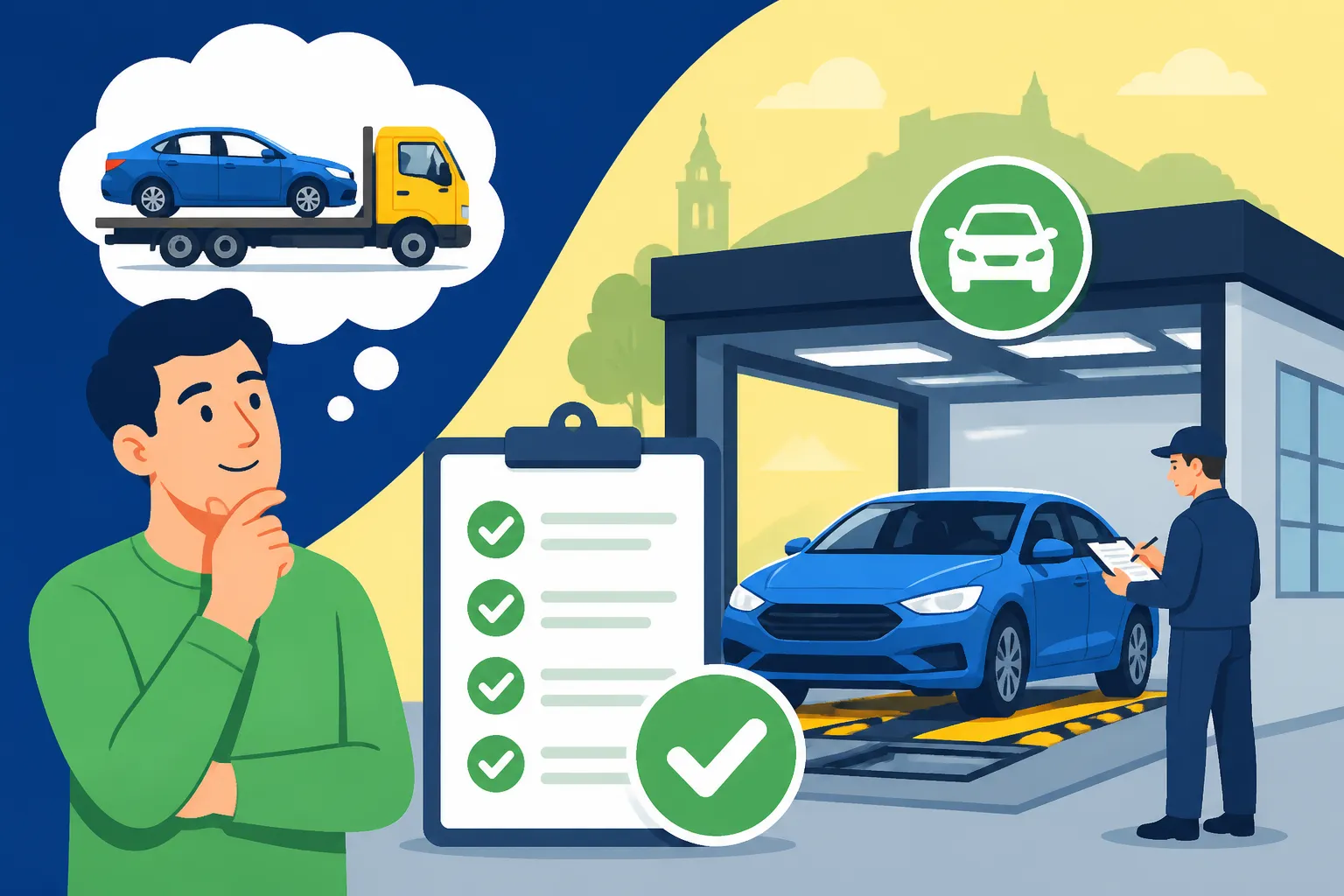
How Do I Get My Imported Car’s Inspection Done in Lithuania?
So, you've finally managed to get your beloved car to Lithuania, perhaps after a grueling journey across borders, navigating customs paperwork, and feeling like you've single-handedly solved a riddle wrapped in an enigma. You breathe a sigh of relief, thinking the hardest part is over. Then, the reality hits: your imported car still needs to pass its Techninė Apžiūra – the technical inspection, or roadworthiness test – before it can truly become a Lithuanian road warrior. Trust me, many of us have been there, staring at a stack of foreign documents, wondering if our trusted vehicle will ever see a Lithuanian plate. This guide is here to walk you through the often-baffling process of getting your imported car inspected, making sure you're fully prepared for what's ahead.
Understanding the Initial Inspection for Imported Vehicles
When you bring a car into a new country, especially if it's from outside the EU/EEA, it's not just about a simple safety check. Lithuania's system, while similar in principle to many European countries, has its own nuances, particularly for first-time registrations of imported vehicles. It’s a process that can feel like jumping through endless hoops, but with the right information, it becomes manageable.
What is the Techninė Apžiūra (TA) for Imported Cars?
The Techninė Apžiūra, often abbreviated as TA, is Lithuania's mandatory periodic vehicle inspection to ensure your car meets safety and environmental standards. For standard Lithuanian-registered cars, it’s a biennial affair (every two years) for most private vehicles after the initial four years. However, for an imported vehicle, especially one that has never been registered in Lithuania before, this initial inspection serves a dual purpose. It's not just checking roadworthiness; it's also a crucial step in verifying the vehicle's identity and compliance with EU and Lithuanian standards.
Think of it this way: your car needs to prove it belongs here, that it's safe for Lithuanian roads, and that it isn't some Frankenstein creation cobbled together from different parts of dodgy origins. The inspectors are looking for everything from proper lighting and braking systems to exhaust emissions and structural integrity. They're also meticulously checking your vehicle identification number (VIN) against your documentation to ensure everything matches up. This is distinct from regular maintenance; it's a formal, government-mandated gateway to legal road use.
Why is the Inspection Process Different for Imported Cars?
The main difference for imported cars lies in the initial registration phase. Before you even get to the Techninė Apžiūra station, you’ll typically have to visit Regitra, Lithuania's state enterprise responsible for vehicle registration. For imported cars, especially those from outside the EU, Regitra needs to process your import documents, customs declarations, and often conduct an initial administrative check to verify the vehicle's legal status in the country. This can involve checking if the car has a valid type approval, particularly for non-EU models, which can be a significant hurdle.
Once Regitra gives you the green light and possibly issues temporary registration plates, you then proceed to the Techninė Apžiūra. This is where the technical compliance is assessed. For a car that's already been cruising Lithuanian roads for years, the TA is straightforward. For your imported gem, it’s about proving it’s fit for its first official journey on Lithuanian soil. You won't just be presenting your old registration; you'll have a whole dossier of import and ownership papers. This initial inspection is often more scrutinizing because they don't have a history of the vehicle in their system, making every aspect a fresh assessment.
Initial Steps Before Even Thinking About Inspection
Before you even book your TA slot, there are a few foundational steps you absolutely cannot skip. These are often the true headaches for new arrivals. First, if your car is from outside the EU/EEA, you'll need to clear customs and pay any applicable duties and VAT. This usually involves presenting documents like the original purchase invoice, bill of lading, and any relevant transport documents to the Lithuanian customs authorities. This can be a complex process, and many expats opt for specialized moving services. For those bringing their entire household, services like Sirelo can often help coordinate vehicle transport alongside your personal belongings, making the initial logistics less overwhelming. They deal with the heavy lifting and the complex paperwork so you don't have to.
Next, you need to head to Regitra with all your ownership documents, proof of customs clearance (if applicable), your personal identification (likely your Lithuanian Residence Permit Card), and most importantly, proof of Lithuanian compulsory civil liability insurance (TPVCAPD). You cannot get your car registered or inspected without this. You’ll need to research local insurance providers like ERGO, BTA, or Gjensidige to get a quote. Regitra will then verify your documents, and if all is in order, they'll issue a temporary registration certificate and temporary plates, which are essential for driving your car to the inspection centre. Don't even think about driving without these! This initial visit to Regitra is your bridge to getting the actual roadworthiness inspection done. For a deeper dive into the broader topic, you might want to read How to Register a Vehicle with Regitra in Lithuania.
The Step-by-Step Process for Your Imported Car's Inspection
Once you’ve navigated the initial Regitra hurdles and obtained your temporary plates and insurance, it's time for the actual Techninė Apžiūra. This part of the journey can feel like a pop quiz on automotive anatomy, but knowing what to expect can ease the stress considerably.
Gathering Your Documents
Preparation is key here. The inspection centre isn't just looking at your car; they're scrutinizing your paperwork. Make sure you have the following originals (and copies, just in case):
- Your Personal ID: This means your passport and, ideally, your Lithuanian residence permit or ID card, especially since you'll need an Asmens Kodas for all official processes.
- Proof of Ownership: This is usually the original foreign registration certificate (e.g., V5C from the UK, Title from the US, Fahrzeugschein from Germany) or the certificate of conformity (CoC).
- Customs Declaration: If your car was imported from outside the EU/EEA, you'll need the document proving you've cleared customs and paid all necessary duties and taxes.
- Temporary Lithuanian Registration Certificate: The one Regitra issued you with the temporary plates.
- Proof of Lithuanian Compulsory Civil Liability Insurance (TPVCAPD): You need this to be valid.
- Previous Inspection Certificates: If your car had a valid technical inspection in its country of origin, bring those documents. While they won't replace the Lithuanian TA, they can provide some historical context.
It's a good idea to organize these documents in a clear folder. Having them readily accessible will show you’re prepared and can often speed up the administrative part of the process.
Finding an Authorized Inspection Centre
Unlike some countries where you can go to any garage, Techninė Apžiūra can only be conducted at authorized centres. In Lithuania, the main network of inspection stations is run by UAB "Tuvlita" and other accredited companies. You can usually find a list of these centres on the official Lithuanian Transport Safety Administration (LTSA) website or by searching for "Techninė apžiūra" in your city (e.g., "Techninė apžiūra Vilnius").
These centres are equipped with specialized machinery and trained technicians to perform the comprehensive checks. While English-speaking staff aren't guaranteed, many of the larger centres in cities like Vilnius or Kaunas are used to dealing with foreigners. However, it's always wise to be prepared for a potential language barrier. For communication, having a local SIM or an eSIM like Airalo can be really helpful, ensuring you have internet access for translation apps or to call a friend if needed during the process. Booking an appointment in advance is highly recommended, especially in larger cities, to avoid long waiting times.
What Happens During the Inspection?
When you arrive, you’ll present your documents, pay the inspection fee (which varies slightly but is usually around €15-€25 for passenger cars), and then drive your car into the inspection bay. The inspection is thorough and typically covers:
- Brakes: Performance, balance, and condition of brake components.
- Lighting: Headlights, taillights, indicators, brake lights, fog lights – all must be fully functional and correctly aligned.
- Tires: Tread depth, condition, and correct size/type for the season (Lithuania has mandatory winter tire periods).
- Suspension and Steering: Checks for wear and tear, proper functioning.
- Undercarriage: Rust, damage, and leaks.
- Exhaust Emissions: Your car's environmental impact is measured. This is often where older or poorly maintained cars struggle.
- Windshield and Wipers: Damage to the windshield, proper functioning of wipers and washer jets.
- Safety Equipment: Seatbelts, horn, rearview mirrors.
- VIN Verification: The inspector will meticulously check the VIN on your car against your documents. This is critical for imported vehicles.
- Mandatory Equipment: Ensure you have a first-aid kit, fire extinguisher (min. 1 kg), and a warning triangle in your car. These are legal requirements in Lithuania.
The inspection process itself usually takes about 20-30 minutes for a standard passenger car. You can often observe the process from a waiting area.
What If Your Car Fails?
It happens, and it's not the end of the world. If your car fails the Techninė Apžiūra, the inspector will issue a report detailing all the defects. These defects are categorized as "minor," "major," or "dangerous."
- Minor Defects: These usually don't prevent you from driving, but you'll be given a recommendation to fix them.
- Major Defects: These must be fixed, and your car will need a re-inspection. You typically have 30 days to rectify these issues. You can drive the car to a repair shop but should avoid general use.
- Dangerous Defects: These mean your car is deemed unsafe to drive. You cannot drive it from the inspection centre. You’ll need to arrange for it to be towed to a garage for immediate repairs.
If your car fails, you'll need to take it to a mechanic to address the reported issues. Once fixed, you return to the same inspection centre (usually within the 30-day window) for a partial re-inspection, where they only check the previously failed items. This re-inspection is typically cheaper than a full inspection, provided you return within the specified timeframe. Don't delay, as exceeding the 30 days might mean paying for a full inspection again. It's a drag, but fixing these issues is paramount for your safety and everyone else's on the road.
Common Pitfalls and Pro Tips for Expats
Navigating the Techninė Apžiūra for an imported car can be fraught with minor frustrations, but a little foresight can save you a lot of grief.
Language Barriers and How to Overcome Them
While the inspection process is largely visual and procedural, dealing with the administrative side and understanding the defect report can be challenging if you're not fluent in Lithuanian. The inspectors are highly trained professionals, not necessarily English teachers.
- Bring a Friend: If you have a Lithuanian-speaking friend, ask them to accompany you. Their presence can make a huge difference in understanding instructions, clarifying issues, and generally smoothing things over.
- Translation Apps: Have a reliable translation app on your phone. Google Translate or DeepL can be invaluable for translating documents or real-time conversations.
- Learn Key Phrases: Even a few basic Lithuanian phrases related to car parts or common issues can show goodwill and help you understand keywords.
- Preparation: Make sure your documents are organized and clearly labeled so the administrative staff can quickly find what they need, minimizing verbal communication.
Understanding Lithuanian Vehicle Requirements
This is where many imported cars from non-EU countries, or even older models from within the EU, sometimes fall short. Lithuania adheres to strict EU regulations, but also has its own specific rules:
- Headlights: Your car must have headlights with an E-mark (indicating EU approval). If your car is from a country with different lighting standards (e.g., US cars with different beam patterns), you might need to adjust or replace them.
- Fog Lights: A rear fog light is mandatory. Many older or non-European cars might lack this, requiring retrofitting.
- Tires: From November 10th to April 1st, winter tires are compulsory. Studded tires are only allowed during specific periods. Make sure your tires meet the minimum tread depth (1.6 mm in summer, 3 mm in winter).
- Mandatory Safety Kit: As mentioned, a first-aid kit (with a valid expiry date), a fire extinguisher (minimum 1 kg), and a warning triangle are legally required to be in your car at all times. If you don’t have these, you can often purchase them at the inspection centre or any larger supermarket.
- Environmental Standards: Emissions must meet specified limits. Older diesel cars can sometimes struggle here.
Before your inspection, it's a good idea to do a quick visual check yourself. Are all your lights working? Are your tires in good shape? Do you have the mandatory safety kit? Addressing these simple things beforehand can prevent an easy fail. You can find more comprehensive details on general driving requirements in Driving in Lithuania: Licences, Registration and Rules for Expats (2027).
Costs and Timelines
The direct cost for the Techninė Apžiūra itself is relatively low, typically ranging from €15 to €25 for passenger cars. A re-inspection for specific defects will be cheaper, usually under €10, provided you return within the 30-day window.
However, the real costs can come from potential repairs. If your car needs new tires, brake parts, or exhaust work, these can quickly add up. Factor in potential repair costs into your budget for importing a car.
- Initial Regitra Visit: Plan for a couple of hours, though it can be longer depending on queues and the complexity of your documents.
- Inspection Appointment: The inspection itself is quick, about 20-30 minutes. Booking an appointment saves significant waiting time.
- Repair Time: If your car fails, the repair time is entirely dependent on the mechanic and the parts needed.
The entire process, from first contact with Regitra to receiving your permanent plates, can take anywhere from a few days to a few weeks, especially if repairs are needed or if there are complications with your import documents. Patience is definitely a virtue here.
| Item/Service | Estimated Cost (EUR) | Notes |
|---|---|---|
| Techninė Apžiūra (Initial Inspection) | €15 – €25 | For passenger cars. Re-inspection is cheaper if done within 30 days. |
| Temporary Registration & Plates (Regitra) | Varies | Often a small administrative fee, covered in initial Regitra registration. |
| Compulsory Civil Liability Insurance (TPVCAPD) | €50 – €200+ annually | Varies based on car type, driver's age, experience. Mandatory. |
| Mandatory Safety Kit (First-aid, Fire Ext., Triangle) | €20 – €40 | If you don't already have these. Available at petrol stations, supermarkets, inspection centres. |
| Headlight Adjustments/Replacements | €50 – €300+ | If non-EU specifications. Can be costly if full replacement is needed. |
| Tire Replacement (per tire) | €50 – €150+ | Depends on brand, size. Winter tires are mandatory in season. |
| Brake Service (pads/discs) | €100 – €400+ | If components are worn. |
| Emission System Repair | €100 – €800+ | Can be very expensive depending on what needs fixing (e.g., catalytic converter, DPF). |
Importance of Insurance
Just to reiterate: you cannot get your car registered or inspected without valid Lithuanian compulsory civil liability insurance (TPVCAPD). This is non-negotiable. You need to arrange this as one of your very first steps after arriving with your car. This insurance covers damages you might cause to third parties in an accident. Without it, you’re not just breaking the law, you're exposing yourself to massive financial risk. Make sure your policy is active and you have the physical or digital proof of insurance when you go to Regitra and the inspection centre. For more general information about vehicle finances, you might find Understanding Vehicle Registration Tax and Costs in Lithuania helpful.
After the Inspection: What's Next?
So, you've survived the Techninė Apžiūra! Your car passed, and you can finally exhale. But the journey isn't quite over. There's one more crucial step to finalize your imported car's integration into the Lithuanian road network.
Receiving Your Inspection Certificate
Once your vehicle successfully passes the Techninė Apžiūra, the inspection centre will issue you an official technical inspection certificate (usually a printed document that you should keep safe) and will update the central Regitra database. This certificate is proof that your vehicle is roadworthy according to Lithuanian standards. It will state the date of the inspection and the date until which your next inspection is valid. For an initial imported car inspection, this is usually valid for two years.
Keep this document with your other essential car papers, such as your registration certificate and insurance policy. While you're not required to carry it physically in the car, it's good practice to know where it is for any administrative needs or if requested by authorities.
Final Registration at Regitra
With a shiny new Techninė Apžiūra certificate in hand (or rather, updated in the system), your final step is to return to Regitra. This time, you'll be converting your temporary registration and plates into permanent Lithuanian ones. You’ll need to bring:
- Your personal ID.
- The temporary Lithuanian registration certificate.
- Proof of successful Techninė Apžiūra.
- Any original foreign documents that Regitra might need for final verification (e.g., original foreign title/registration).
At this stage, Regitra will issue you your official Lithuanian registration certificate (Transporto priemonės registracijos liudijimas) and your permanent Lithuanian license plates. There will be a fee for the plates and the new registration certificate. Once you have these, your imported car is officially and legally ready to cruise the stunning landscapes of Lithuania, from the bustling streets of Vilnius to the serene Curonian Spit. Congratulations! You've conquered a significant bureaucratic mountain. This full process ties in closely with How to Register a Vehicle with Regitra in Lithuania, so make sure you've covered all your bases.
Planning for Future Inspections
Remember, the Techninė Apžiūra isn't a one-and-done deal. For most private passenger vehicles, once registered in Lithuania, the inspection needs to be renewed every two years. The expiry date will be clearly marked on your technical inspection certificate and is also recorded in the Regitra system.
You'll usually receive a reminder, but it’s always best to mark your calendar and keep track yourself. Failing to get your car inspected on time can result in fines and, more importantly, your insurance might not be valid if you’re involved in an accident with an uninspected vehicle. This ongoing requirement ensures that all vehicles on Lithuanian roads maintain a certain level of safety and environmental performance.
Disclaimer
Please remember that I am an expat blogger, not a legal or automotive expert. The information provided in this guide is based on general knowledge, personal experience, and publicly available information at the time of writing. Regulations and procedures in Lithuania can change. Always verify the latest requirements with official sources such as Regitra, the Lithuanian Transport Safety Administration (LTSA), or a qualified automotive professional before taking any action. This guide is for informational purposes only and does not constitute professional advice.