How to Get an Asmens Kodas and Register with the Lithuanian Tax Authority
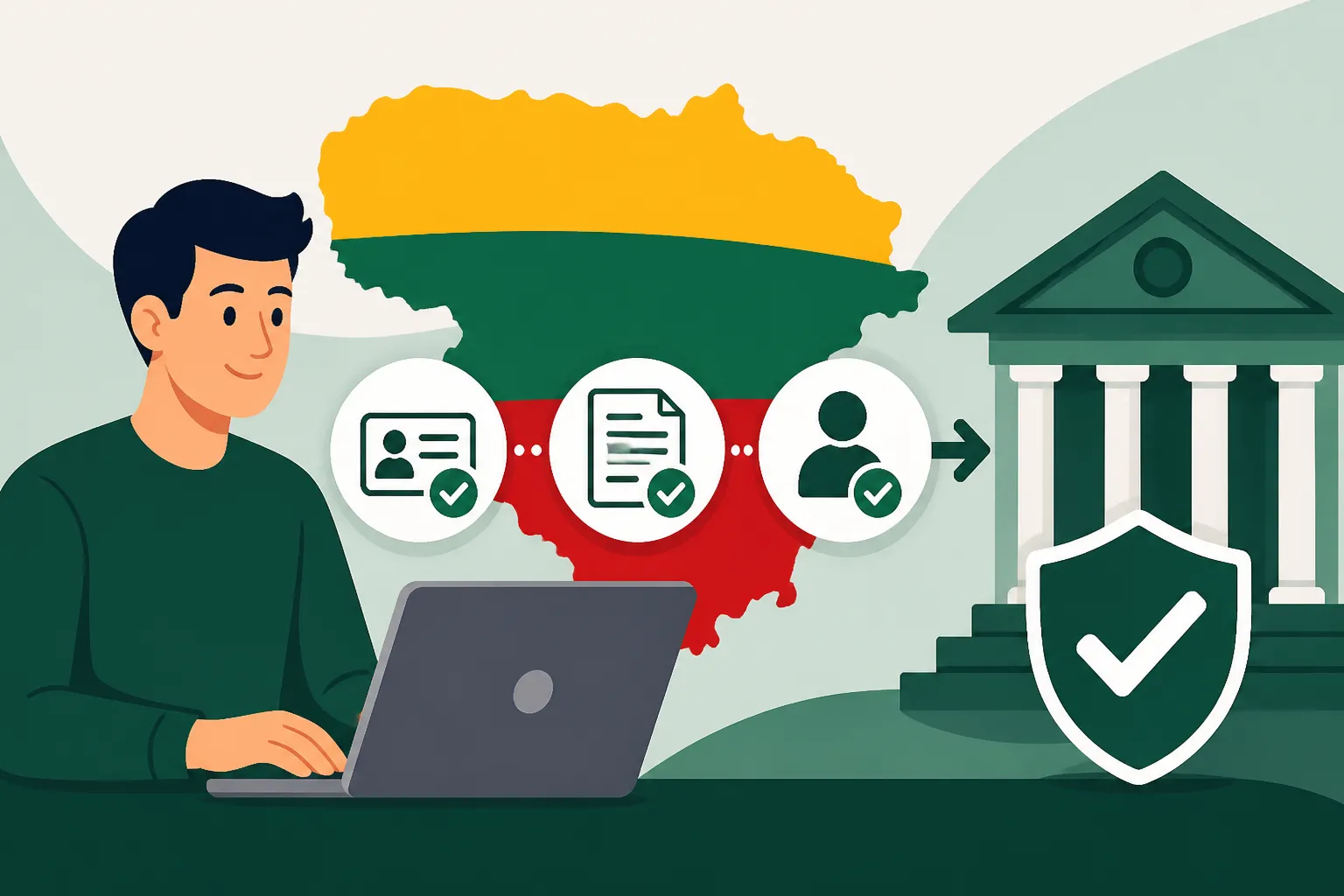
One of the first, and often most frustrating, hurdles you’ll face as an expat settling in Lithuania is navigating the administrative maze to get your personal code, the Asmens Kodas, and subsequently registering with the Lithuanian Tax Authority, or VMI. It can feel like you’re trying to unlock a secret society without the secret handshake, leaving you in bureaucratic limbo for everything from banking to healthcare. But don’t worry, you’re not alone, and this guide is here to walk you through every step, helping you understand how to secure your Asmens Kodas and officially register your tax status in this beautiful Baltic nation.
The Asmens Kodas: Your Key to Life in Lithuania
Getting your Asmens Kodas is undeniably one of the foundational steps to truly settling into life in Lithuania. Without it, you’ll find yourself hitting brick walls at every turn, unable to access essential services or even fully integrate into society. It’s more than just a number; it’s your unique identifier that unlocks virtually every aspect of expat life here.
What Is an Asmens Kodas and Why Do You Need It?
Think of the Asmens Kodas as your Lithuanian identity number, much like a Social Security number in the US, a National Insurance number in the UK, or a personal identity code in many other European countries. This eleven-digit number is crucial for almost every administrative interaction you’ll have. It links your identity to your taxes, your health insurance, your bank accounts, your employment, and even your ability to sign up for mobile phone contracts or internet services. I remember trying to open a bank account without mine shortly after arriving, and it felt like I was speaking a different language, even when the bank staff spoke perfect English – they just couldn’t process anything without that magical number.
Without an Asmens Kodas, you’re essentially an invisible person in the eyes of Lithuanian institutions. You won't be able to properly register for compulsory health insurance, sign a long-term rental agreement that is officially recorded, or even easily register for crucial online government portals. It’s the backbone of your administrative existence here. For a deeper dive into its importance, you might find our guide on How to Get Your Asmens Kodas (Personal Code) and Why It Matters for Healthcare particularly helpful.
Who Needs an Asmens Kodas and When?
Virtually everyone planning a long-term stay in Lithuania will need an Asmens Kodas. This includes not just non-EU/EEA citizens, but often EU/EEA citizens too, especially if they plan to work, study, or reside here for more than three months.
- Non-EU/EEA Citizens: If you’re from outside the European Union or European Economic Area, you will almost certainly receive your Asmens Kodas as part of your temporary residence permit (TRP) application process. When you apply for your TRP at the Migration Department (MIGRIS), the system usually generates your Asmens Kodas once your permit is approved. It will then be printed on your residence permit card.
- EU/EEA Citizens: While EU/EEA citizens have the right to reside in Lithuania for up to three months without registration, if you plan to stay longer, work, or access services like healthcare, you’ll need to declare your right of residence and often obtain an Asmens Kodas. You might not get it automatically with your initial residence declaration, but you'll certainly need it for employment contracts, social security (Sodra) contributions, and accessing the public healthcare system. Some EU citizens might go to the Civil Registry Office (Civilinės metrikacijos skyrius) to request one directly if it wasn't automatically issued through another process.
- Children Born in Lithuania: Any child born in Lithuania, regardless of their parents' nationality, will be issued an Asmens Kodas upon birth registration.
The timing usually aligns with your formal establishment in the country. For most non-EU citizens, it's intrinsically tied to the issuance of their residence permit. For EU citizens, it typically comes into play when you start formal employment, register with Sodra, or require integration with public services.
The Application Process: Step-by-Step for New Arrivals
The application process for an Asmens Kodas isn't a standalone application in most cases; it's usually part of a larger administrative procedure.
-
For Non-EU/EEA Citizens (via Residence Permit):
- Step 1: Apply for a Temporary Residence Permit (TRP). This is the primary route. You’ll submit all necessary documents to the Migration Department (MIGRIS), usually through their online portal, then schedule an appointment for biometrics and document submission.
- Step 2: Await Approval. Once your TRP application is reviewed and approved, your Asmens Kodas will be generated as part of this process.
- Step 3: Collect Your Residence Permit Card. Your new residence permit card, complete with your freshly minted Asmens Kodas, will be available for collection at a MIGRIS branch.
- Documents: You’ll need your valid passport, the approved residence permit application, proof of sufficient funds, and potentially proof of accommodation and health insurance, among others. The exact list can be extensive, so make sure to check What Documents Do I Need to Get an Asmens Kodas in Lithuania? for a comprehensive list.
-
For EU/EEA Citizens (if not automatically issued):
- Step 1: Register Your Right of Residence. If you plan to stay longer than three months, you must first declare your right of residence at the Migration Department. This is a crucial step even if you don't immediately get your Asmens Kodas through it.
- Step 2: Request at the Civil Registry Office. If you’ve declared your residence but haven't received an Asmens Kodas through employment or other means, you can apply for one directly at the local Civil Registry Office (Civilinės metrikacijos skyrius) in your municipality. Bring your passport or ID, and proof of residence.
- Step 3: Through Employment. Often, an employer will initiate the social security (Sodra) registration once you have declared your right of residence, and an Asmens Kodas will be issued as part of this process.
It’s worth noting that dealing with Lithuanian administration, especially at the beginning, can be daunting due to language barriers. While MIGRIS has improved greatly with English-speaking staff and online information, don’t hesitate to bring a Lithuanian-speaking friend or use a translation app for appointments at local offices. It saves a lot of stress!
Understanding the Lithuanian Tax Authority (VMI)
Once you have your Asmens Kodas, the next logical step, and one often handled concurrently, is understanding and registering with the Lithuanian Tax Authority, known as the VMI (Valstybinė mokesčių inspekcija). This is where your financial obligations as a resident truly begin to formalize.
What Is the VMI and Its Role for Expats?
The VMI is Lithuania’s central government institution responsible for collecting taxes, administering tax laws, and ensuring compliance. Essentially, they are the ones who make sure everyone contributes their fair share to the country’s coffers. For expats, the VMI will become your primary point of contact for anything related to income tax (GPM – Gyventojų pajamų mokestis), social insurance contributions (which are usually managed through Sodra but VMI is still involved for self-employed, for example), and potentially other taxes like property tax or VAT (PVM – Pridėtinės vertės mokestis) if you engage in business activities.
Getting your tax affairs in order with the VMI is paramount. Without proper registration, you won’t be able to pay taxes correctly, which can lead to penalties, issues with future residence permit renewals, and general headaches down the line. It's not just about paying taxes; it's about being officially recognised as a contributing member of society. To get a more comprehensive picture of their operations, check out How the Lithuanian Tax Authority (VMI) Works.
The Importance of Tax Residency for Expats
Understanding your tax residency status is absolutely critical. It dictates where and what income you are liable to pay tax on. Lithuania, like many countries, differentiates between a tax resident and a non-tax resident.
- Lithuanian Tax Resident: Generally, you become a Lithuanian tax resident if you spend more than 183 days in the country within any 12-month period, or if your permanent place of residence is in Lithuania and it’s considered your "centre of vital interests" (where your family, social, and economic ties are strongest). As a tax resident, you are liable to pay tax on your worldwide income to the VMI, regardless of where that income is earned.
- Non-Tax Resident: If you don't meet the criteria for tax residency, you are generally considered a non-tax resident. In this case, you are usually only liable to pay tax on income sourced within Lithuania. This might include income from employment in Lithuania, income from a Lithuanian business, or rental income from property located here.
The implications are huge. If you’re a tax resident, the VMI expects to see your income from your job in Vilnius, your freelancing clients abroad, and any rental properties you might own back home. This is where double taxation agreements come into play, preventing you from paying tax twice on the same income. Always make sure to understand your status, as misinterpreting it can lead to serious complications. Our guide Tax Residency in Lithuania: A Definitive Guide for Expats (2027) offers extensive information on this complex topic.
Key Taxes Expats Encounter in Lithuania
As an expat, you’ll primarily deal with a few types of taxes in Lithuania. While specific rates and allowances can change, the general categories remain constant:
- Personal Income Tax (GPM): This is the most common tax. It’s levied on your salary, self-employment income, rental income, and other personal earnings. Lithuania uses a progressive tax system for GPM, meaning higher earners pay a higher percentage on the portion of their income above a certain threshold. For employees, this is usually deducted directly from your salary by your employer.
- Compulsory Health Insurance (PSD) and Social Insurance (Sodra): While not directly collected by the VMI, these are mandatory contributions that are closely tied to your income and tax status. PSD ensures you have access to public healthcare, and Sodra covers pensions, sickness benefits, maternity leave, and unemployment benefits. If you’re employed, these are also deducted from your gross salary. If you’re self-employed, you’re responsible for calculating and paying these yourself, often through the VMI EDS portal.
- Value Added Tax (PVM): If you are self-employed or run a business, and your annual turnover exceeds a certain threshold (currently €45,000 for goods/services in a 12-month period), you will need to register for and collect PVM.
This overview merely scratches the surface, as specific rules for investment income, property sales, or other unique situations can add layers of complexity. For a detailed breakdown of income tax, refer to Understanding Income Tax (GPM) in Lithuania: The Full Expat Guide. It's essential to stay informed about your obligations, and the VMI website is always the most authoritative source for the latest official information.
| Tax Type | Who Pays | Collection Method | Primary Authority |
|---|---|---|---|
| Personal Income Tax (GPM) | Employed individuals, self-employed, etc. | Employer deduction or self-declaration via EDS | VMI |
| Compulsory Health (PSD) | Employed, self-employed, some others | Employer deduction or self-declaration via Sodra | Sodra |
| Social Insurance (Sodra) | Employed, self-employed | Employer deduction or self-declaration via Sodra | Sodra |
| Value Added Tax (PVM) | Businesses, self-employed (above threshold) | Self-declaration via EDS | VMI |
| Real Estate Tax | Property owners | Annual assessment and payment via EDS | VMI |
Registering with the VMI: Activating Your Tax Status
With your Asmens Kodas in hand and a basic understanding of VMI's role, the next step is to ensure you are properly registered with the tax authority. For many expats, this process is surprisingly seamless, while for others, especially those opting for self-employment, it requires a bit more proactive engagement.
Automatic Registration for Employees and Residence Permit Holders
For a significant number of expats, particularly those moving to Lithuania for employment, the initial VMI registration might feel almost invisible.
- The Power of Employment: When you secure a job with a Lithuanian employer, they become responsible for a lot of your initial administrative setup. Once you have your Asmens Kodas and your employer processes your employment contract, they will register you with Sodra (the social insurance fund). This registration often automatically alerts the VMI to your presence as a taxpayer. You won’t typically need to physically go to the VMI office or fill out separate registration forms.
- Payroll Deductions: From your very first paycheck, your employer will automatically deduct your Personal Income Tax (GPM), Compulsory Health Insurance (PSD), and Social Insurance (Sodra) contributions. This means that, for most employees, your tax obligations are managed by your employer, and you receive your net salary directly. It’s certainly one of the less stressful aspects of moving here, a welcome change from some countries where you have to wrestle with tax forms from day one.
- Residence Permit Link: For non-EU citizens, the acquisition of your temporary residence permit and subsequent employment usually ensures that your essential details are shared between the Migration Department, Sodra, and the VMI, creating a relatively smooth backend registration. Your Asmens Kodas acts as the central link in this data chain.
While this automatic process is convenient, it doesn't absolve you of understanding your tax situation. You should always receive a payslip (darbo užmokesčio lapelis) detailing your gross salary, deductions, and net pay. Keep these records.
Manual Registration for the Self-Employed and Other Cases
If you’re not taking the traditional employment route – perhaps you’re a freelancer, a small business owner, or have other sources of income – then you’ll need to take a more hands-on approach to register with the VMI.
- Self-Employed (Individuali Veikla): If you plan to work as a freelancer or run a small individual business, you'll likely register for "Individual Activity" (Individuali Veikla). This requires direct registration with the VMI. You'll need to submit an application through the VMI’s Electronic Declaration System (EDS) or, in some cases, visit a VMI client service department in person. This involves specifying the type of activity you’ll be doing and acknowledging your tax obligations. For a full breakdown, our guide How to Register Individual Activity (Individuali Veikla) in Lithuania is invaluable.
- Other Income Sources: If you have significant foreign income that isn’t covered by an employer or have other specific income types, you might need to actively inform the VMI and register your status. This is especially true if you are a Lithuanian tax resident with worldwide income, as discussed earlier.
- Documents for Manual Registration: For manual registration, you’ll typically need your Asmens Kodas, a valid ID (passport or residence permit), and potentially documents related to your business activity or income source. The VMI usually provides specific forms on their website.
- Annual Tax Return: Regardless of whether your registration was automatic or manual, if you are a tax resident, you will generally be required to file an annual income tax return (GPM311 form) with the VMI, usually by May 1st of the following year. This is your chance to declare all your income, claim any applicable deductions, and ensure everything is correctly accounted for. You can find detailed instructions in our guide How to File Your Annual Income Tax Return (GPM) in Lithuania.
Navigating the Electronic Declaration System (EDS)
The VMI’s Electronic Declaration System, or EDS (Elektroninė Deklaravimo Sistema), is your primary digital interface with the Lithuanian tax authorities. It's a comprehensive online portal where you’ll submit tax returns, register for various activities, view your tax history, and manage many of your tax-related affairs.
- Logging In: To access EDS, you'll need a secure electronic identification method. The most common methods for expats are:
- Internet Banking: If you have an account with a Lithuanian bank (like Swedbank, SEB, Luminor), you can log in directly using your online banking credentials. This is by far the easiest and most common method.
- Mobile Signature or Electronic Signature: These are more advanced options, often used by those who don't have Lithuanian bank accounts or prefer a dedicated e-signature.
- Getting Your Initial Access: If you’re a new arrival and don’t yet have Lithuanian internet banking set up, this can be a catch-22. Sometimes, you might need to physically visit a VMI office to get initial access or to get an activation code. However, once your Asmens Kodas is linked to your bank account, online banking access is the standard.
- First Steps in EDS: Once you’re in, you’ll find a dashboard with various options. For self-employed individuals, this is where you’ll register your Individuali Veikla and subsequently submit your monthly or annual declarations. For all tax residents, this is where you'll file your annual income tax return. Be prepared for a learning curve, as the system can be complex and, while often available in English, some sections might still feel tricky.
- Seeking Assistance: Don't hesitate to seek help if you're struggling. The VMI has a call center that often provides assistance in English, and their client service departments can help walk you through the process, though waiting times can vary. For more complex situations, especially concerning international tax implications, professional tax advisors specializing in Taxes for Expats can be an invaluable resource. Understanding the VMI EDS is so crucial that we have a dedicated guide: Understanding the VMI Electronic Declaration System (EDS) in Lithuania.
Common Challenges and Solutions for Expats
Navigating any new country’s bureaucracy comes with its unique set of challenges. Lithuania is no exception. While the systems are generally efficient, being an expat, especially if you're new to the EU or come from a vastly different administrative culture, can still feel overwhelming.
Language Barriers and Where to Find Help
This is perhaps the biggest hurdle for many expats in Lithuania. While English proficiency is high in major cities, especially among younger generations and in international companies, government websites and forms, particularly on the VMI EDS or at local municipal offices, are predominantly in Lithuanian.
- The Dreaded Form: You’ll encounter forms that are only in Lithuanian, and even if there’s an English translation toggle on a website, sometimes the underlying official documents or specific sections remain untranslated. I've spent countless hours trying to decipher legal jargon with Google Translate, only to realize I was completely misunderstanding a crucial nuance!
- Seeking Human Assistance:
- VMI Call Center: The VMI often has English-speaking operators available via their general information line. Be patient, as sometimes you might need to try a few times to get someone who can assist fluently.
- VMI Client Service Departments: In larger cities like Vilnius or Kaunas, VMI offices usually have staff who speak English. It’s always best to make an appointment if possible. They can sometimes help you navigate the EDS system in person.
- Friends, Colleagues, or Employers: Don't be afraid to ask for help from Lithuanian friends or colleagues, especially if your employer handles your initial setup. They can often clarify things much faster than you can with a translation app.
- Professional Services: For more complex situations, such as tax declarations for self-employed individuals with diverse income streams, considering a local accountant or a tax consultant who specializes in expat taxes is a wise investment. They can save you a lot of stress and potential errors.
Keeping Your Information Up-to-Date
Just like your Asmens Kodas unlocks services, keeping your personal and financial information current across various institutions is vital. Overlooking updates can lead to missed communications, incorrect tax assessments, or issues with your residence status.
- Change of Address: This is a big one. If you move, you must update your declared place of residence with the Migration Department and the Registrų Centras (Centre of Registers). This is not just a formality; it determines where official mail goes and is tied to various public services. For more details on this, our article Declaring Your Place of Residence in Lithuania: The Complete Guide is a must-read.
- Employment Status Changes: If you change jobs, become self-employed, or cease employment, you need to ensure your status is correctly updated with Sodra and the VMI. Your new employer will usually handle most of it if you get a new job, but if you go freelance or leave the country, you’ll have specific obligations to fulfill yourself.
- Family Status Changes: Marriage, divorce, or the birth of a child can all impact your tax situation and other administrative records. Ensure these are reported to the relevant authorities, often starting with the Civil Registry Office.
The burden is usually on you to ensure your information is accurate. Set reminders, keep copies of all submitted documents, and regularly check your VMI EDS portal for any messages or notifications.
Financial Considerations and Cross-Border Transactions
For expats, managing finances often means dealing with more than just local income. You might have savings, investments, or even ongoing income from your home country, and the VMI will be interested in these if you are a Lithuanian tax resident.
- Reporting Foreign Income: As a Lithuanian tax resident, you are required to declare your worldwide income. This means income from foreign sources – rental income from property abroad, dividends from foreign stocks, interest from foreign bank accounts, or even a foreign pension – must be reported on your annual tax return to the VMI.
- Double Taxation Avoidance: Thankfully, Lithuania has a network of double taxation agreements (DTAs) with many countries. These agreements ensure you don't pay tax twice on the same income. Understanding how to apply these rules when filing your Lithuanian tax return is crucial, and often requires careful attention to detail. Our guide How to Avoid Double Taxation as an Expat in Lithuania explains this process in depth.
- International Money Transfers: Moving money between your Lithuanian bank account and accounts in your home country is a common necessity. Traditional banks can charge hefty fees and offer less favourable exchange rates. Many expats find services like
Wise(formerly TransferWise) to be incredibly useful for fast, transparent, and cost-effective international money transfers. It integrates seamlessly with your Lithuanian bank account and helps you manage your finances more efficiently across borders. - Opening a Bank Account: Having a local bank account simplifies so much of this. You'll need it for direct debits for utilities, receiving your salary, and logging into the EDS. Make sure to prioritize setting one up. Our article How to Open a Bank Account at a Lithuanian Bank as a Foreigner offers practical steps.
Living in Lithuania as an expat is an incredibly rewarding experience, but getting through the initial administrative steps like securing your Asmens Kodas and registering with the VMI can certainly test your patience. By understanding the processes, knowing where to find help, and staying proactive with your information, you’ll soon find yourself smoothly integrated into the system, leaving more time to enjoy all that this beautiful country has to offer. And remember, you're building a new life here; every form filled and every registration completed is a step towards feeling truly at home.
Disclaimer
The information provided in this guide is for general informational purposes only and does not constitute legal, financial, or tax advice. While we strive to keep the information accurate and up-to-date, regulations in Lithuania can change. It is essential to consult with official government sources, legal professionals, or tax advisors for advice tailored to your specific situation. We cannot be held responsible for any inaccuracies or omissions.