How Do I Set Up Direct Debit for Bills in Lithuania?
Ah, the joys of settling into a new country! One of those truly mundane yet utterly essential tasks that can feel like scaling Everest is figuring out how to pay your regular bills without turning it into a monthly saga. If you've arrived in Lithuania hoping to set up direct debits for your utilities, rent, and phone like you might have done effortlessly back home, you've probably already discovered it’s not always as straightforward. This guide is here to unravel the mysteries of setting up automatic payments, or "tiesioginis debetas," in Lithuania, helping you navigate the local system with less stress and more confidence.
The Initial Hurdle: Why Direct Debits Aren't Always Obvious in Lithuania for Expats
When you first land in Lithuania, fresh from a place where "direct debit" is practically a household phrase, it can be a bit of a shock to realize that automatic bill payments aren't quite the universal concept you might expect them to be. You're probably used to signing a form, clicking a button, and poof, your bills are taken care of, month after month. Here, it’s a little different, and it's totally okay to feel a bit lost or frustrated by it. Trust me, you're not alone in thinking, "Why can't this be simpler?"
Understanding the Local Payment Landscape
Historically, Lithuania has had a very robust system of manual payments, even for regular bills. People would receive a physical "mokėjimo knygelė" (payment book) for utilities, listing all the different services, and then head to a bank, a post office, or a special kiosk to pay in cash or via a manual bank transfer. While the country has embraced digitalization with impressive speed in many areas, some of these traditional methods still linger, and they definitely influence how modern payment systems are structured.
This creates a bit of a mixed bag for expats. On one hand, you have excellent online banking interfaces that allow for quick manual transfers. On the other, the concept of a true, recurring, automated direct debit (where the biller pulls money from your account) isn't as universally adopted by all service providers as it might be in, say, the UK or Germany. Many Lithuanian banks offer something similar to a direct debit, but it often requires you to set up a "standing order" (recurring transfer) or specifically authorize a "payment collection order" rather than the biller initiating the pull. It’s a subtle but important distinction that can catch you off guard.
The Importance of a Local Bank Account
Before you even think about setting up any kind of automated payment, having a local Lithuanian bank account is absolutely paramount. While international fintech services like Wise have made it incredibly easy to manage money across borders and even get local IBANs from various EU countries, for most Lithuanian utility providers and services, they really prefer a local Lithuanian IBAN (LT-prefixed) from one of the major banks like Swedbank, SEB, or Luminor. This isn't just a preference; it's often a requirement for seamless integration with their billing systems.
Trying to use a foreign bank account for recurring payments can be a headache. You might run into issues with foreign transaction fees, delays, or even outright rejection by some older billing systems that aren't set up to process mandates from non-Lithuanian banks effectively. While Wise is fantastic for international money transfers and can even provide you with a Euro account that works across the SEPA zone, for specific direct debits in Lithuania, a local bank account typically offers the most reliable experience. If you haven't yet, seriously consider how to Open a Bank Account at a Lithuanian Bank as a Foreigner – it’s a foundational step for managing your finances here.
Navigating the Direct Debit Setup Process (Tiesioginis Debetas): Step-by-Step
Alright, so you’ve got your local bank account, perhaps with Swedbank or SEB. Now, let’s get down to brass tacks: how do you actually get those bills paid without thinking about them every month? The process can vary slightly depending on your bank and the specific service provider, but there's a general approach that will guide you through.
Identifying Billers Who Offer Direct Debit
This is where the first bit of detective work comes in. Not every single service provider in Lithuania offers a true direct debit option. Large utility companies and telecommunication providers are usually your best bet. Think about services like:
- Electricity: Your provider, likely ESO, often has options.
- Heating and Water: Companies like Vilniaus Vandenys (in Vilnius) or your local municipal heat supplier.
- Telecommunications: Providers such as Telia, Bitė, or Tele2 for your internet and mobile phone.
- Insurance: If you have local health insurance (not PSD, but private) or car insurance.
- Loan repayments: Mortgage or other loan installments.
The best way to find out if they offer it is to check their official website, particularly in their FAQ or "How to Pay" sections. Look for terms like "tiesioginis debetas," "automatinis mokėjimas" (automatic payment), or "e. sąskaita" (e-bill). If the website isn't clear, don't hesitate to call their customer service. Be prepared that while many larger companies have English-speaking staff, smaller, municipal providers might not, which can make things a bit tricky. Knowing how to set up electricity (ESO) in your Lithuanian Home is a good starting point for your first bill.
The Application Process: Forms and Permissions
Once you've identified a biller that supports automated payments, there are generally two main routes to setting it up:
-
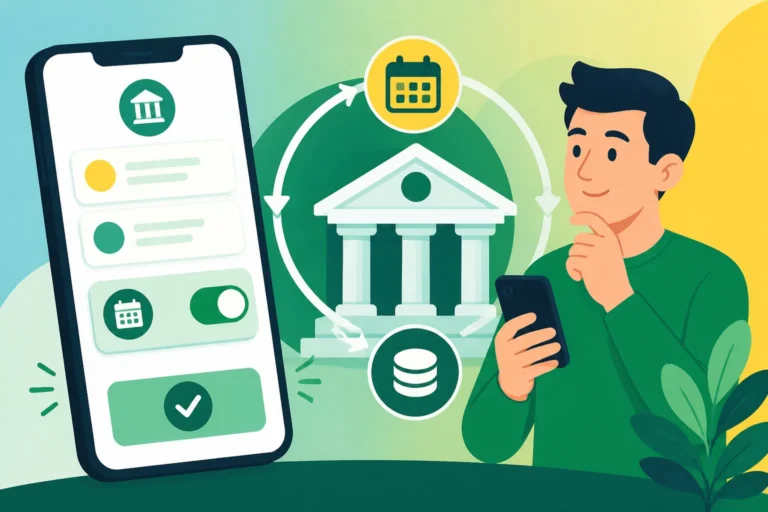
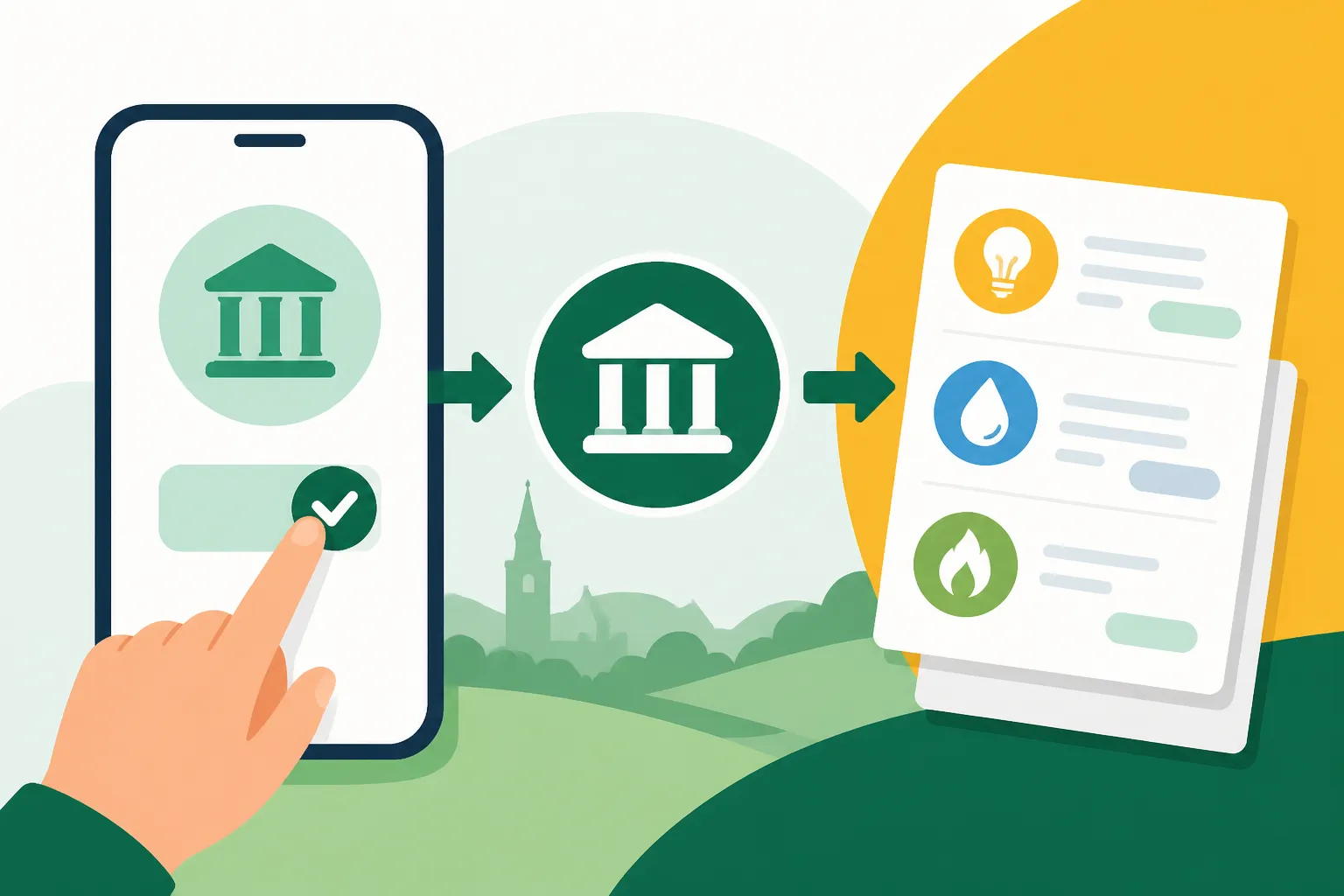
Through your online banking platform: This is often the easiest and most common method for major banks. Log into your account and look for sections like "Mokėjimai" (Payments), "E. sąskaitos" (E-bills), or "Tiesioginis debetas." Here, you'll usually find an option to register for e-bills or to set up a payment collection order. You'll need to select the service provider from a list, enter your client number (which you'll find on your bill), and then authorize your bank to pay these bills when they arrive. The bank acts as the intermediary, receiving the bill electronically and then processing the payment from your account on the due date. This isn't always a "direct debit" in the sense that the biller pulls the money; rather, it's often your bank pushing the payment based on an e-bill it receives on your behalf.
-
Directly with the biller: Some providers might have an option on their own website to set up an automatic payment, or they might require you to fill out a form and submit it to them. This is less common for simple utilities but might occur for services like gym memberships or specific subscription boxes. In these cases, they will ask for your bank account details (IBAN) and require your signature or electronic consent. This then creates a mandate for them to debit your account directly.
-
Visiting a bank branch: If you're struggling with online banking, or if you prefer face-to-face assistance, visiting your bank branch is always an option. Bring your bills and your bank card/ID. Explain that you want to set up automatic payments for your recurring bills. The staff, hopefully with English proficiency, will guide you through the process, which usually involves setting up "e. sąskaitos" (e-bills) through their system. This often becomes your default way to handle monthly bills like those covered under Understanding Utility and Communal Costs (Komunaliniai Mokesčiai) in Lithuania.
No matter the route, you'll generally need:
- Your Lithuanian IBAN: Your local bank account number.
- Your client ID/contract number: Found on your bill from the service provider.
- The biller's details: Their name and possibly their company code.
The bank then ensures that when an e-bill arrives from that service provider, it automatically gets paid on the due date, provided you have sufficient funds. This process usually replaces paper bills with electronic ones, which is a nice bonus for reducing clutter.
Confirming and Monitoring Your Direct Debits
After setting everything up, you'll want to confirm it's working. Your bank's online platform should show a list of your registered e-bills or recurring payments. The best confirmation, however, is when the first bill arrives electronically and is paid automatically without you having to lift a finger. You'll see the transaction on your bank statement.
It's crucial to continue monitoring your bank statements, especially for the first few months after setting up any new automatic payment. Check that the amounts are correct and that the payments are being made on time. Occasionally, issues can arise – a client number might be entered incorrectly, or a service provider might update their system. If a payment fails, your bank will usually notify you, and you'll then need to make the payment manually to avoid late fees or service interruptions. Keep an eye on your account balance, too! Nobody wants to be hit with an unexpected bounced payment fee.
Common Challenges and Troubleshooting for Expats
Even with the best intentions, setting up automated payments in Lithuania can come with its unique set of quirks and challenges. It’s part of the expat experience, right? The key is knowing what to look out for and how to tackle it.
Understanding the "Payment Collection Order" (E. Mokėjimo Nurodymas) vs. Direct Debit
Here's where the subtle differences in terminology and functionality can really trip you up. In many countries, a "direct debit" means you give permission for a company to pull money directly from your account. If the amount changes, they simply pull the new amount. In Lithuania, while you can find some true direct debit agreements (especially for loans or insurance), for utilities and many recurring services, what you're often setting up through your bank is more akin to an "e. sąskaita" (e-bill) with an "automatinis mokėjimas" (automatic payment).
What this usually entails is that the service provider sends an electronic bill directly to your bank. Your bank then, based on your prior authorization, processes the payment from your account on the due date. This gives you a layer of control, as the bank is processing it, but it's not always the biller directly debiting your account. This distinction can become important if you need to dispute a charge or stop a payment, as the process might involve your bank rather than just directly contacting the biller to stop a mandate. Think of it as your bank acting as your personal payment assistant for those particular bills.
Dealing with Insufficient Funds and Cancellations
Life happens, and sometimes your bank account might be a bit lighter than usual when a bill is due. If a scheduled automatic payment or e-bill payment fails due to insufficient funds, your bank will typically notify you. The consequences can range from a simple late payment fee from the service provider (which you'll find on your next bill) to, in more severe cases or for critical utilities like electricity, temporary service interruption. It's always a good idea to ensure you have enough money in your account a few days before recurring payments are due.
If you need to temporarily pause or cancel an automatic payment, you usually do this through your online banking portal. Find the specific e-bill registration or recurring payment and look for options to "atšaukti" (cancel) or "pakeisti" (change). If you're having trouble, a call or visit to your bank is the fastest way to get it sorted. Remember, canceling an automatic payment only stops the payment process; it doesn't cancel the service itself. You'll still owe the money to the provider, so make sure to arrange an alternative payment method if you still want to keep the service active. Your rights as a consumer generally protect you against unauthorized payments, so if you ever see a charge you don't recognize or didn't authorize, contact your bank immediately.
Language Barriers and Customer Service
This is probably one of the biggest bugbears for any expat in Lithuania. While English is widely spoken, especially among younger generations and in tech-focused companies, administrative tasks, particularly over the phone with customer service or in smaller municipal offices, can quickly become a linguistic minefield. When dealing with your bank or utility providers, here are some tips:
- Prepare in advance: Write down key phrases or questions in Lithuanian, even if you just read them off your phone.
- Utilize online banking: Most major banks like Swedbank and SEB have excellent English versions of their online banking portals, making it much easier to manage things yourself. Learn how to set up online banking and payments in Lithuania.
- Seek out English-speaking staff: When calling, politely ask, "Ar kalbate angliškai?" (Do you speak English?). In branches, look for younger staff members who are more likely to be fluent.
- Bring a Lithuanian friend: If you have a trusted local friend, asking them to help with a phone call or accompany you to a branch can save you hours of frustration.
- Google Translate is your friend: For websites or forms, it can provide enough context to get by.
Navigating these situations effectively is a key part of surviving and thriving as an expat. You might encounter this not just with utility bills but even with Understanding Sodra Social Insurance Contributions in Lithuania if you need to clarify payments.
Making Smart Payment Choices in Lithuania
So, with all these options and potential pitfalls, how do you decide the best way to manage your bills? It really comes down to balancing convenience, control, and your personal comfort level.
Weighing the Pros and Cons of Direct Debit
Let's break down the advantages and disadvantages of setting up these automated payments for your Lithuanian bills:
| Feature | Pros | Cons |
|---|---|---|
| Convenience | No need to remember due dates; payments are made automatically. Avoids late fees. Frees up mental space. | Initial setup can be confusing due to local system nuances. |
| Control | Through e-bill systems, your bank has visibility before payment. Easy to monitor via online banking. | Less immediate control than manual transfers if you need to hold a payment. |
| Budgeting | Predictable outgoing payments, easier to track expenses. | Potential for incorrect or unexpected charges if not monitored carefully. |
| Paperwork | Reduces paper bills, often transitioning to electronic statements. | Requires an active local bank account and potentially a specific Lithuanian IBAN. |
| Flexibility | Generally easy to cancel or modify through online banking. | Not all billers offer a truly automated direct debit, requiring more of a "push" system from your bank. |
For many expats, once the initial hurdle of setup is cleared, the convenience of automated payments far outweighs the initial faff. It's a lifesaver for making sure essential services like electricity, internet, and even things like How Much Private Health Insurance Cost in Lithuania in 2026? are paid on time.
Alternative Payment Methods to Consider
While setting up automatic payments is definitely the goal for long-term convenience, it's good to know your other options, especially for bills that don't offer automated solutions or if you prefer more hands-on control.
- Manual Online Bank Transfers: This is arguably the most common way Lithuanians pay their bills if they're not using e-bills. You simply log into your online banking, find the "Mokėjimai" (Payments) section, and initiate a transfer using the biller's account number and your client ID. It's quick, free (usually, within Lithuania), and gives you absolute control over when and how much you pay. If you receive paper bills, you'll need to manually enter the details, but many companies now offer "e. sąskaita" (e-bills) that arrive directly into your bank's online platform, pre-filled for easy one-click payment.
- E. Bill Payment Platforms / Kiosks (e.g., Perlas, Lietuvos Paštas): For those who prefer paying in cash or simply don't want to deal with online banking for certain bills, there are widespread payment kiosks (often found in supermarkets or petrol stations, especially Perlas terminals) and post offices (Lietuvos Paštas). You bring your bill, the operator scans it, and you pay in cash or by card. This is particularly popular for communal costs or if you prefer a physical receipt. While convenient for some, for regular, recurring payments, it can be a hassle.
- Fintech Services (like Wise): While Wise might not be ideal for setting up direct debits with Lithuanian utility providers due to the local IBAN preference, it is an invaluable tool for other financial needs. If you're paying a non-recurring bill to a foreign entity or receiving money from abroad, Wise offers excellent exchange rates and low fees compared to traditional banks. It's also great for managing your money internationally, and you might even use it to transfer funds into your Lithuanian bank account from your home country. For example, if you're a remote worker receiving salary in a different currency, Wise can make converting and topping up your local account much smoother. Can I Use Wise or Revolut Instead of a Lithuanian Bank? is a question many expats ponder, and for general spending and international transfers, the answer is often yes, but for direct debits, a local bank still holds the edge.
Ultimately, setting up direct debits and e-bills in Lithuania is a process that requires a bit of patience and understanding of the local financial ecosystem. But once you've cracked it, you'll find that managing your monthly expenses becomes significantly smoother, allowing you to focus on the many other exciting aspects of expat life in this wonderful country. Remember, a well-managed financial life is key to a comfortable life abroad, so taking the time to understand these systems is truly an investment in your peace of mind.
Disclaimer
The information provided in this article is for general guidance only and does not constitute financial, legal, or professional advice. While we strive to ensure the information is up-to-date and accurate, regulations and procedures in Lithuania can change. We recommend consulting with your bank, service providers, or a qualified financial advisor for advice tailored to your specific situation.